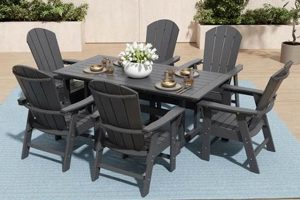
Outdoor furnishings designed for minimal upkeep offer a practical solution for those seeking to enhance their outdoor living spaces without the demands of regular care. These items, often constructed from materials resistant to weathering, fading, and rust, eliminate the need for frequent painting, staining, or sealing. An example includes a set of chairs and a table made from recycled plastic lumber, designed to withstand exposure to sun, rain, and temperature fluctuations without degrading or requiring protective treatments.
The significance of selecting outdoor furniture requiring little to no attention lies in its ability to save time and resources. The absence of maintenance tasks allows individuals to dedicate their efforts to other aspects of their gardens or leisure activities. Historically, materials like wood demanded considerable effort to preserve their integrity against environmental elements. Modern manufacturing processes and material science have led to the development of alternatives that offer both durability and aesthetic appeal without the associated labor.
The following sections will delve into specific material types commonly used in the production of these long-lasting outdoor pieces. The discussion will cover the properties of each material, their respective advantages and limitations, and considerations for choosing the most suitable option for a given environment. Finally, guidance on cleaning and care will be provided to further extend the lifespan of these enduring outdoor furnishings, despite their inherently low-maintenance nature.
Guidance for Selecting Durable Outdoor Furnishings
The following guidance aims to inform the selection of long-lasting outdoor furnishings, minimizing the need for constant upkeep and maximizing longevity.
Tip 1: Material Selection is Paramount: Opt for materials known for their resistance to environmental factors. Recycled plastic lumber, powder-coated aluminum, and synthetic wicker offer excellent durability against sun, rain, and temperature variations. Consider teak or cedar for natural wood options, as they possess inherent oils that resist decay.
Tip 2: Evaluate Joint Construction: Examine the construction of joints and connections. Welded joints, as opposed to screwed or glued, typically provide superior strength and longevity, particularly in metal frames. With wooden furnishings, look for mortise-and-tenon or dovetail joints, which offer enhanced structural integrity.
Tip 3: Consider Fabric Durability: For upholstered pieces, prioritize fabrics specifically designed for outdoor use. Solution-dyed acrylics, such as Sunbrella, are resistant to fading, mildew, and staining. Ensure the fabric is breathable to prevent moisture buildup and potential damage.
Tip 4: Weight Considerations: Lighter-weight furnishings can be easily moved and rearranged, but they may be susceptible to wind damage. Heavier pieces offer greater stability but may be less convenient for repositioning. Assess the typical weather conditions and personal preferences when determining the appropriate weight.
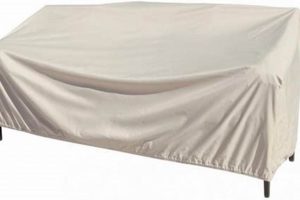
Tip 5: Invest in Protective Covers: While the furniture is designed for minimal maintenance, utilizing protective covers during periods of prolonged disuse or inclement weather can further extend its lifespan and prevent unnecessary wear and tear. Choose covers made from breathable, water-resistant materials.
Tip 6: Regular Cleaning Protocols: While it is designed to be low-maintenance, periodic cleaning is still advisable. Use mild soap and water to remove dirt and debris. Avoid harsh chemicals or abrasive cleaners, which can damage the surface of the material.
Tip 7: Implement Proper Storage: During the off-season, storing pieces in a shed, garage, or covered area can significantly reduce exposure to the elements, prolonging their lifespan. If indoor storage is not feasible, ensure the furniture is properly covered and elevated to prevent water accumulation.
By adhering to these guidelines, individuals can select robust outdoor furnishings that provide years of enjoyment with minimal effort, reducing the burden of continuous upkeep and maximizing leisure time.
The subsequent section will address potential repair scenarios and strategies for addressing common issues that may arise over time, ensuring the ongoing usability and aesthetic appeal of these enduring outdoor fixtures.
1. Material Composition

The selection of materials is paramount in determining the extent to which outdoor furniture can be considered maintenance-free. Material properties directly influence resistance to environmental degradation, impacting the frequency and intensity of required upkeep. Choosing appropriate materials is therefore a critical initial step in minimizing long-term maintenance demands.
- Polymer Resilience
Synthetic polymers, such as high-density polyethylene (HDPE) and polypropylene, offer significant resistance to moisture, insects, and rot, which are common causes of degradation in traditional wood furniture. Their inherent inertness eliminates the need for protective sealants or treatments. An example is recycled plastic lumber used in benches, which can endure decades of exposure without significant structural or aesthetic decline. This reduces the need for frequent repairs or replacements.
- Metal Alloys and Surface Coatings
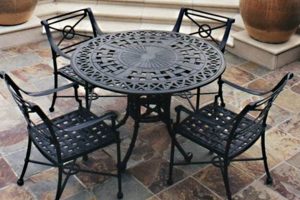
Aluminum alloys, particularly those treated with powder coating, provide corrosion resistance and structural stability. Powder coating creates a durable barrier against oxidation and UV radiation, reducing the likelihood of fading or chipping. Outdoor dining sets constructed from powder-coated aluminum require minimal cleaning and do not need to be painted or sealed, significantly lowering the maintenance burden compared to wrought iron or untreated steel.
- Synthetic Fiber Weaves
Synthetic fiber weaves, such as those made from polyethylene or PVC, are designed to mimic the appearance of natural wicker while providing enhanced durability and weather resistance. These materials resist moisture absorption, preventing mold and mildew growth, and are often treated with UV inhibitors to minimize fading. Outdoor seating using synthetic wicker requires only occasional cleaning and avoids the cracking, splintering, and decay associated with natural wicker.
- Stone and Concrete Composites
Engineered stone and concrete composites offer resistance to cracking, chipping, and staining compared to natural stone. These materials often incorporate sealants during the manufacturing process, which further minimizes moisture absorption and staining. Outdoor tables and planters made from these composites require less frequent sealing and cleaning than their natural counterparts, contributing to a lower maintenance profile.
These material characteristics collectively contribute to the reduction of regular maintenance tasks associated with outdoor furnishings. The proper selection and application of these materials ensure that outdoor pieces remain aesthetically pleasing and structurally sound with minimal intervention, offering a practical solution for individuals seeking to minimize upkeep in their outdoor spaces.
2. Weather Resistance

Weather resistance is a cornerstone characteristic in the design and selection of outdoor furniture intended to minimize maintenance requirements. The ability of materials and construction techniques to withstand environmental stressors directly correlates with the frequency and intensity of necessary upkeep, influencing the overall longevity and aesthetic appeal of outdoor furnishings.
- Material Degradation Mitigation
Weather resistance fundamentally addresses the mitigation of material degradation resulting from exposure to various atmospheric elements. This includes protection against ultraviolet radiation, precipitation (rain, snow, humidity), temperature fluctuations (heat, cold, freeze-thaw cycles), and wind. The selection of inherently weather-resistant materials, such as high-density polyethylene (HDPE), powder-coated aluminum, or teak, reduces the potential for warping, cracking, fading, corrosion, and rot. For instance, HDPE furniture eliminates the need for painting or sealing, as the material itself is impervious to moisture and UV damage, simplifying long-term maintenance.
- Structural Integrity Preservation
Beyond preventing material degradation, weather resistance also plays a vital role in preserving the structural integrity of outdoor furniture. Joints, fasteners, and support structures are particularly vulnerable to the effects of moisture penetration and temperature-induced expansion and contraction. Construction techniques that minimize water accumulation and utilize corrosion-resistant hardware are crucial. For example, welded aluminum frames or mortise-and-tenon joinery in teak furniture enhance stability and prevent loosening or failure due to weather exposure, reducing the need for repairs or replacements.
- Surface Finish Durability
The durability of surface finishes is an integral component of overall weather resistance. Coatings and treatments that provide a barrier against moisture, UV radiation, and abrasion contribute to the long-term aesthetic appeal and functional performance of outdoor furniture. Powder coating on metal frames or sealant application on stone composites are examples of surface treatments that enhance weather resistance. These finishes prevent fading, chipping, and staining, thereby minimizing the need for refinishing or restoration.
- Mold and Mildew Resistance
In humid climates, the growth of mold and mildew on outdoor furniture can be a significant maintenance concern. Weather-resistant materials, such as synthetic fabrics or treated wood, inhibit the proliferation of these microorganisms. The use of antimicrobial additives in fabrics and coatings further enhances resistance. Furniture designed with adequate ventilation and drainage also minimizes moisture accumulation, preventing the conditions that promote mold and mildew growth, thus reducing the need for frequent cleaning or antimicrobial treatments.
The facets of weather resistance collectively influence the degree to which outdoor furniture can be deemed maintenance-free. By selecting materials and construction techniques that effectively withstand environmental stressors, the need for regular upkeep is significantly reduced, allowing individuals to enjoy their outdoor spaces with minimal effort dedicated to furniture maintenance.
3. Structural Integrity
Structural integrity serves as a foundational element for achieving minimal maintenance requirements in outdoor furnishings. The capacity of a piece to withstand external forces, environmental stressors, and prolonged use without degradation directly influences its service life and the frequency of required repairs or replacements. Compromised structural integrity leads to premature failure, necessitating interventions that negate the intended benefit of low maintenance design.
The cause-and-effect relationship is evident: robust construction, employing appropriate materials and joinery techniques, results in enhanced resistance to stress fractures, warping, and joint instability. As a tangible example, consider the difference between a garden bench constructed with mortise-and-tenon joints from treated hardwood versus one assembled with screws and untreated softwood. The former exhibits superior load-bearing capacity and resistance to moisture-induced degradation, thereby extending its lifespan and minimizing the need for repairs. A chaise lounge that experiences frequent breakage of its frame or sagging of its support structure due to inadequate construction inherently contradicts the principles of low maintenance design.
Ultimately, ensuring structural integrity from the outset is paramount for realizing the intended advantages of minimal upkeep in outdoor furniture. It is the cornerstone of durability and longevity, mitigating the need for frequent repairs, replacements, or reinforcement, thus aligning with the core objective of long-lasting, easy-care outdoor spaces. Without this foundational characteristic, even pieces constructed from weather-resistant materials will ultimately fail, incurring maintenance costs that defeat the purpose of selecting low-maintenance options.
4. UV Protection
Prolonged exposure to ultraviolet (UV) radiation from sunlight significantly impacts the lifespan and appearance of outdoor furniture. UV radiation causes the degradation of polymers and the fading of dyes, leading to embrittlement, cracking, and discoloration of materials commonly used in outdoor settings. The absence of UV protection mechanisms necessitates more frequent maintenance interventions to counteract these effects. The inclusion of UV inhibitors or the use of inherently UV-resistant materials is, therefore, a critical element in achieving genuinely low-maintenance outdoor furniture.
The effects of UV degradation are readily observable in unprotected plastics and fabrics. For instance, plastic chairs left exposed to the sun for extended periods become brittle and prone to cracking, requiring replacement far sooner than anticipated. Similarly, outdoor cushions made with non-UV-resistant fabrics fade and deteriorate, necessitating frequent reupholstering or replacement. Conversely, furniture constructed with materials such as solution-dyed acrylics or UV-stabilized polymers demonstrates significantly improved resistance to these effects, maintaining its structural integrity and aesthetic appeal for longer periods. The selection of such materials reduces the need for protective coatings, regular cleaning, or premature replacement, directly contributing to a reduced maintenance burden.
Therefore, UV protection is an essential, rather than optional, characteristic of low-maintenance outdoor furniture. Investing in furniture specifically designed to resist UV degradation translates directly into reduced long-term costs and decreased maintenance requirements. It is a proactive measure that safeguards the aesthetic and functional longevity of outdoor spaces, aligning with the core principles of durability and ease of care. Failure to consider UV protection during the selection process inevitably results in increased maintenance demands and diminished long-term value.
5. Cleaning ease

The characteristic of cleaning ease is intrinsically linked to the concept of outdoor furniture requiring minimal upkeep. The degree to which a material or design facilitates effortless cleaning directly affects the time and resources devoted to maintaining the aesthetic and functional integrity of outdoor pieces. This attribute is not merely a convenience, but rather a defining element of furniture classified as demanding little to no active care. The cause-and-effect relationship is straightforward: surfaces that resist the adherence of dirt, grime, and stains inherently reduce the frequency and intensity of cleaning protocols. This, in turn, lowers the overall maintenance burden, aligning with the core principles of long-lasting, easy-care outdoor spaces. For example, a teak bench, while naturally resistant to decay, can develop a patina over time due to the accumulation of atmospheric pollutants. Regular cleaning with a mild soap solution and a soft brush can easily remove this patina, restoring the wood’s original appearance and preventing the build-up of more stubborn stains. This ease of cleaning contributes significantly to the perception and reality of minimal maintenance.
The importance of cleaning ease extends beyond superficial aesthetics. Accumulated dirt and organic matter can create an environment conducive to the growth of mold and mildew, especially in humid climates. The presence of these microorganisms not only detracts from the appearance of the furniture but can also accelerate material degradation, particularly in porous materials. Therefore, the ability to easily remove such contaminants is crucial for preserving the structural integrity and extending the lifespan of outdoor furnishings. Consider the difference between cleaning a woven resin chair versus one upholstered with a complex fabric. The smooth surface of the resin chair allows for quick and efficient removal of dirt and spills with a simple wipe-down, while the fabric chair may require specialized cleaning agents and techniques to prevent staining or mildew growth. The lower maintenance requirement of the resin chair is directly attributable to its superior cleaning ease.
In conclusion, cleaning ease is an indispensable component of truly low-maintenance outdoor furniture. Its influence extends beyond mere convenience, impacting the aesthetic appearance, structural integrity, and overall longevity of outdoor pieces. The selection of materials and designs that prioritize effortless cleaning is a strategic decision that minimizes the expenditure of time, resources, and effort required to maintain inviting and functional outdoor spaces. By understanding the practical significance of this attribute, consumers and designers can make informed choices that align with the objective of creating enduring and easy-care outdoor environments.
6. Longevity Expectancy

Longevity expectancy constitutes a fundamental criterion in defining the value proposition of “maintenance free garden furniture.” The term suggests an anticipated duration of service under typical environmental conditions with minimal intervention. A high longevity expectancy directly reduces the life-cycle cost of the furniture, as replacement or major repair expenses are deferred. This is critical, as the initial investment in such furniture may be higher compared to less durable alternatives. For example, a set of teak benches with a projected lifespan of 25 years, requiring only occasional cleaning, offers a substantially lower annual cost of ownership than a similar set of pressure-treated pine benches needing annual staining and replacement after 10 years.
The practical significance of understanding longevity expectancy extends to material selection and construction methodologies. Furniture manufacturers employing durable materials like powder-coated aluminum, recycled plastics, or high-density polyethylene (HDPE) typically offer longer warranty periods, reflecting their confidence in the product’s ability to withstand weathering and usage. Design considerations also play a crucial role. Joinery techniques that resist loosening or failure due to thermal expansion and contraction, along with drainage provisions that prevent water accumulation, contribute to enhanced longevity. For example, a synthetic wicker chair with a reinforced aluminum frame and UV-resistant weave is expected to last significantly longer than one with a weaker frame and untreated wicker. Furthermore, the impact of prolonged exposure to sunlight can degrade certain materials like some plastics, making UV inhibitors a necessary addition for furniture that is expected to last.
In summary, longevity expectancy is an indispensable attribute of “maintenance free garden furniture,” representing a balance between initial investment, material selection, construction quality, and the anticipated lifespan of the product. A clear understanding of this concept enables informed purchasing decisions, minimizing long-term costs and maximizing the enjoyment of outdoor spaces with minimal effort. The longevity of outdoor furniture directly corresponds to the value a consumer receives from the product. By prioritizing furniture with high longevity expectancy, consumers make sound financial decisions, ensuring the value of the product goes above and beyond its immediate use.
Frequently Asked Questions
This section addresses common inquiries regarding outdoor furnishings designed for minimal upkeep, providing clarity on their properties and suitability.
Question 1: What materials are most commonly associated with furnishings requiring minimal maintenance?
Materials frequently utilized include recycled plastic lumber, powder-coated aluminum, synthetic wicker (polyethylene or PVC), and teak. These materials offer inherent resistance to weathering, fading, and insect damage.
Question 2: Is it accurate to state that maintenance free furniture requires absolutely no attention?
While designed for minimal upkeep, periodic cleaning is still advisable to remove dirt, debris, and potential mildew accumulation. This typically involves washing with mild soap and water.
Question 3: How does the cost of low-maintenance options compare to traditional wood furniture?
The initial investment may be higher for certain materials like teak or high-quality synthetic wicker. However, the reduced need for painting, staining, or sealing often results in lower long-term costs.
Question 4: Are furnishings appropriate for all climates, or are there specific environmental limitations?
Certain materials are better suited for specific climates. For instance, teak may be preferred in humid environments due to its natural oil content, while aluminum is a robust choice for areas with extreme temperature fluctuations.
Question 5: How can the lifespan of outdoor furniture designed for minimal care be further extended?
Using protective covers during periods of prolonged disuse or inclement weather can prevent unnecessary wear and tear. Additionally, proper storage during the off-season can minimize exposure to the elements.
Question 6: What are the primary advantages of selecting options requiring minimal upkeep compared to those necessitating continuous maintenance?
The principal advantages are the conservation of time and resources, the reduction of physical labor associated with upkeep tasks, and the prolonged aesthetic appeal of the furnishings.
In summary, selecting outdoor furniture engineered for reduced maintenance offers a practical and cost-effective solution for enhancing outdoor living spaces.
The following section will delve into specific strategies for addressing common repair scenarios, ensuring the ongoing functionality of outdoor fixtures designed for minimal upkeep.
Maintenance Free Garden Furniture
The preceding exploration has elucidated the multifaceted benefits of selecting outdoor furnishings engineered for minimal upkeep. The strategic adoption of resilient materials, coupled with robust construction techniques, yields a tangible reduction in the expenditure of time and resources typically associated with maintaining outdoor spaces. The long-term cost-effectiveness of these solutions arises from a confluence of factors: reduced labor inputs, the elimination of recurrent material expenses (paints, sealants), and an extended service life predicated on inherent resistance to environmental stressors.
The pursuit of outdoor leisure should not be encumbered by the burden of incessant maintenance. The informed selection of durable, low-upkeep garden furniture represents a commitment to both personal well-being and sustainable resource management. Consider, therefore, the long-term implications of purchasing decisions, recognizing that the initial investment in quality and durability translates into enduring value and diminished environmental impact. The responsibility for cultivating sustainable outdoor environments rests with each individual choice.

![Protect & Extend: Garden Furniture Feet Protectors [Buy Now] | The Ultimate Gardening Guide: Grow a Thriving Garden Year-Round](https://MyGardenPatch.com/wp-content/uploads/2025/07/th-3169-300x200.jpg "Protect & Extend: Garden Furniture Feet Protectors [Buy Now] The Ultimate Gardening Guide: Grow a Thriving Garden Year-Round")