Outdoor seating arrangements incorporating integrated warming systems provide enhanced comfort in cooler temperatures. These systems typically employ electric heating elements or infrared technology to radiate warmth. Such furniture allows for the prolonged enjoyment of exterior spaces even during periods when ambient temperatures might otherwise discourage outdoor activity. Examples include chairs and benches with built-in heating pads, and tables with central heating units.
The incorporation of thermal technology in exterior furnishings extends the usability of patios, decks, and gardens throughout the year. This facilitates increased opportunities for relaxation, socialization, and entertainment in open-air environments. Historically, measures to mitigate cold weathers impact on outdoor activities were limited. The evolution of materials and heating technologies has enabled the creation of efficient and aesthetically pleasing solutions, leading to a surge in popularity for temperature-controlled exterior settings.
The ensuing discussion will delve into the various types of warming systems utilized in these furnishings, the considerations involved in their design and manufacture, and the safety standards governing their use. Further analysis will address the economic and environmental implications associated with these products.
Selecting Heated Garden Furniture
The acquisition of temperature-controlled outdoor furnishings represents a significant investment. Careful consideration of several factors will ensure optimal performance, safety, and longevity.
Tip 1: Material Durability: Prioritize weather-resistant materials such as powder-coated aluminum, stainless steel, or treated hardwoods. These withstand exposure to moisture, UV radiation, and temperature fluctuations, minimizing the risk of degradation and extending the product lifespan. For example, teak wood is naturally resistant to rot and insect infestation.
Tip 2: Heating System Efficiency: Evaluate the energy consumption of the heating system. Opt for models that utilize energy-efficient technologies like infrared heating, which directly warms objects rather than the surrounding air. Check for energy efficiency ratings and certifications.
Tip 3: Safety Certifications: Ensure that the product complies with relevant safety standards. Look for certifications from recognized testing organizations, such as UL or ETL. These certifications indicate that the product has undergone rigorous testing to minimize the risk of electrical hazards, fire, and other potential dangers.
Tip 4: Temperature Control Options: Select furniture with adjustable temperature settings. This allows for customized comfort levels depending on the ambient temperature and personal preferences. Multiple heat settings maximize versatility and energy conservation.
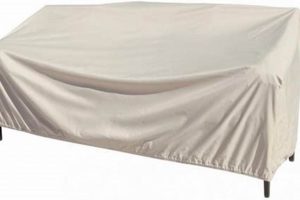
Tip 5: Weather Protection: Consider models with integrated weather protection features, such as waterproof heating elements and moisture-resistant control panels. This is particularly important for areas prone to frequent rain or snowfall. Investing in protective covers will further extend the product’s lifespan.
Tip 6: Maintenance Requirements: Understand the maintenance requirements before purchase. Some materials may require periodic cleaning and treatment to maintain their appearance and performance. Ensure that replacement parts, such as heating elements, are readily available.
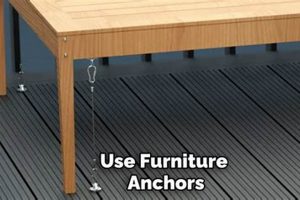
Tip 7: Weight Capacity and Stability: Verify that the furniture is adequately weighted and stable, particularly in windy conditions. A sturdy base and appropriate weight distribution are crucial for preventing tipping and ensuring user safety. Check the maximum weight capacity to avoid structural damage.
By carefully evaluating these factors, consumers can make informed decisions when purchasing temperature-regulated outdoor furniture, ensuring a comfortable, safe, and long-lasting investment.
The subsequent sections will address specific product types and installation considerations in greater detail.
1. Material Weather Resistance

The operational lifespan and performance of heated garden furniture are critically dependent on the weather resistance of its constituent materials. Prolonged exposure to environmental elements, including precipitation, ultraviolet radiation, and temperature fluctuations, can induce material degradation, compromising structural integrity and heating system functionality. Consequently, the selection of weather-resistant materials is paramount to ensure the sustained effectiveness and safety of these furnishings. For example, untreated wood exposed to moisture can warp and rot, potentially damaging integrated heating components and creating safety hazards. Similarly, unprotected metals are susceptible to corrosion, weakening structural supports and impairing electrical conductivity within the heating system.
The implementation of weather-resistant materials directly impacts the long-term cost-effectiveness of these products. While initial purchase price may be a factor, the extended durability offered by weather-resistant materials reduces the frequency of repairs and replacements, thereby minimizing the overall cost of ownership. Powder-coated aluminum, for instance, provides a durable, corrosion-resistant finish for frames, protecting the underlying metal from environmental damage. Similarly, specialized weather-resistant fabrics used in cushions and upholstery prevent water damage and fading, maintaining the aesthetic appeal and comfort of the furniture over time. The use of appropriately rated electrical components and wiring further mitigates the risk of electrical failure due to moisture exposure.
In conclusion, the intrinsic relationship between material weather resistance and the functionality of heated garden furniture cannot be overstated. The proactive selection of materials engineered to withstand harsh environmental conditions is essential for ensuring product longevity, maintaining user safety, and minimizing long-term operational expenses. The failure to prioritize weather resistance can result in premature product failure, necessitating costly repairs or replacements and negating the benefits of temperature-controlled outdoor seating. Therefore, material selection should be a primary consideration in the design, manufacture, and consumer purchase of heated outdoor furnishings.
2. Heating Element Efficiency
Heating element efficiency directly influences the operational cost and environmental impact of heated garden furniture. An inefficient heating element converts a larger proportion of electrical energy into waste heat, leading to increased energy consumption and higher electricity bills. This inefficiency also contributes to a larger carbon footprint through increased power generation demands. For example, a traditional resistance heating element may convert only 60-70% of electrical energy into usable heat, while a more efficient infrared heating element can achieve conversion rates of 85-95%. This difference translates to substantial energy savings over the lifespan of the furniture.
The type of heating element significantly affects the heating distribution and overall comfort provided by the furniture. Inefficient heating elements often create uneven heating patterns, resulting in localized hot spots and cold areas. This uneven distribution compromises the user’s comfort and may necessitate higher power settings to achieve the desired level of warmth. Conversely, efficient heating elements, such as carbon fiber elements, provide more uniform and consistent heat distribution, maximizing comfort and minimizing energy waste. The choice of heating element also impacts the responsiveness of the furniture; more efficient elements typically heat up faster, providing quicker relief from cold temperatures.
In summary, heating element efficiency is a critical design consideration for heated garden furniture, impacting both economic and environmental sustainability. The selection of energy-efficient heating technologies, such as infrared or carbon fiber elements, can significantly reduce energy consumption, lower operating costs, and minimize environmental impact while enhancing user comfort. Conversely, the use of inefficient heating elements results in increased energy consumption, uneven heating patterns, and a reduced overall lifespan for the furniture. Consequently, consumers should prioritize heating element efficiency when evaluating potential purchases, focusing on products that incorporate energy-saving technologies and adhere to recognized energy efficiency standards.
3. Safety Certification Compliance

Safety certification compliance serves as a critical prerequisite for the safe and reliable operation of heated garden furniture. The integration of electrical heating systems into outdoor furniture introduces inherent risks, including electrical shock, fire hazards, and potential for burns. Independent testing and certification by recognized organizations mitigate these risks by ensuring products adhere to established safety standards. This process verifies that electrical components are properly insulated, that wiring is correctly sized and protected, and that heating elements operate within safe temperature ranges. Failure to comply with these standards can lead to product malfunctions, injuries, or even catastrophic failures. For instance, non-compliant heating elements may overheat, posing a fire risk to surrounding materials, while inadequate insulation can result in electrical leakage, creating a shock hazard for users.
The presence of safety certifications, such as those issued by UL (Underwriters Laboratories) or ETL (Intertek), provides assurance that the heated garden furniture has undergone rigorous testing and meets specific safety requirements. These certifications typically involve assessments of electrical safety, material flammability, structural integrity, and weather resistance. Compliance also mandates the inclusion of safety features, such as overload protection, automatic shut-off mechanisms, and clear warning labels. The absence of such certifications raises serious concerns about the product’s safety and reliability, potentially exposing consumers to undue risks. Real-world examples have demonstrated the consequences of non-compliance, with instances of fires caused by faulty wiring in uncertified heated furniture and electrical shocks resulting from inadequate insulation.
In conclusion, safety certification compliance is not merely a regulatory formality but an essential safeguard for the safe and effective use of heated garden furniture. Adherence to established safety standards minimizes the risk of electrical hazards, fire, and burns, ensuring user safety and product longevity. Consumers should prioritize products bearing reputable safety certifications, recognizing that these certifications represent a commitment to safety and quality. Manufacturers that prioritize safety certification compliance demonstrate a commitment to responsible product design and manufacturing, fostering consumer confidence and contributing to a safer marketplace for heated outdoor furnishings.
4. Temperature Control Versatility

Temperature control versatility in heated garden furniture refers to the range and precision with which users can adjust the heating output. This feature is paramount to optimizing comfort and energy consumption, enabling adaptation to varying ambient temperatures and individual preferences. The implementation of flexible temperature control mechanisms directly impacts the user experience and the overall utility of the furniture.
- Multiple Heat Settings
The provision of multiple, discrete heat settings allows users to select from a predefined range of heating outputs. This enables incremental adjustments to match the prevailing weather conditions and personal comfort levels. For example, a setting of “low” might provide a gentle warming effect on a mild evening, while a “high” setting could deliver substantial heat output during colder periods. The absence of multiple settings limits the ability to fine-tune the heating output, potentially resulting in discomfort or inefficient energy usage.
- Continuous Temperature Adjustment
Continuous temperature adjustment offers a more granular level of control, enabling users to select any heating output within a defined range. This is typically achieved via a rotary dial or electronic interface. Continuous adjustment allows for precise calibration of the heating output to achieve optimal comfort and minimize energy waste. A specific temperature in degrees Celsius or Fahrenheit may be selectable on advanced systems.
- Zonal Heating Control
Zonal heating control enables independent adjustment of heating outputs across different sections of the furniture. This feature is particularly relevant for larger pieces, such as benches or sectional sofas. By allowing users to selectively heat specific areas, zonal control enhances comfort and minimizes energy consumption. For example, one user may prefer a higher heating output on their side of a bench, while another user may prefer a lower setting or no heat at all.
- Timer Functionality
Timer functionality allows users to set a predetermined duration for the heating output. This feature promotes energy conservation by automatically turning off the heating system after a specified period. Timer functionality also enhances safety by preventing the furniture from being left on inadvertently, reducing the risk of overheating or electrical hazards. The inclusion of timer functionality is particularly beneficial for users who may forget to manually turn off the heating system.
The integration of versatile temperature control mechanisms significantly enhances the utility and user satisfaction associated with heated garden furniture. Multiple heat settings, continuous adjustment, zonal control, and timer functionality collectively provide users with the flexibility to adapt the heating output to their specific needs and preferences, maximizing comfort and minimizing energy consumption. The absence of these features limits the adaptability and efficiency of the furniture, potentially diminishing its value and overall appeal.
5. Long-Term Durability
The long-term durability of heated garden furniture is a critical factor influencing its overall value and cost-effectiveness. As these furnishings represent a significant investment, their ability to withstand environmental stressors and prolonged use directly impacts consumer satisfaction and minimizes the need for premature replacements or repairs.
- Material Degradation Resistance
Resistance to material degradation is paramount in ensuring the longevity of outdoor furniture. Exposure to ultraviolet radiation, moisture, and temperature fluctuations accelerates the deterioration of many materials. For example, plastics can become brittle and crack, while metals are prone to corrosion. The selection of durable, weather-resistant materials, such as powder-coated aluminum, stainless steel, and treated hardwoods, is essential. These materials mitigate the effects of environmental exposure, preserving the structural integrity and aesthetic appeal of the furniture over time.
- Heating Element Longevity
The lifespan of the integrated heating elements is a key determinant of overall durability. Frequent use and exposure to moisture can lead to heating element failure. The selection of high-quality, robust heating elements with appropriate weather protection is crucial. For instance, carbon fiber heating elements are known for their durability and resistance to corrosion. Regular maintenance and proper storage during periods of non-use can further extend the lifespan of these components.
- Structural Integrity Under Stress
The structural integrity of the furniture frame and supports must withstand repeated use and varying weight loads. Weaknesses in joints, welds, or fasteners can lead to premature failure. Reinforcement of critical stress points and the use of high-strength materials are necessary to ensure long-term structural stability. For example, reinforced aluminum frames with welded joints provide greater resistance to bending and deformation under stress compared to bolted connections or lower-grade materials.
- Upholstery and Fabric Resilience
The upholstery and fabrics used in heated garden furniture are subject to wear and tear from exposure to the elements and frequent use. Fading, tearing, and water damage can detract from the furniture’s appearance and functionality. The selection of durable, UV-resistant, and water-repellent fabrics is essential. Regular cleaning and protection from extreme weather conditions can further extend the lifespan of these materials. For example, solution-dyed acrylic fabrics offer superior resistance to fading and water damage compared to standard polyester fabrics.
The interplay between these facets directly influences the long-term value and usability of heated garden furniture. A holistic approach to design and manufacturing, prioritizing durable materials, robust heating elements, structural integrity, and resilient upholstery, is essential to ensure consumer satisfaction and minimize the environmental impact associated with frequent replacements. The initial investment in durable, high-quality furniture is often offset by reduced maintenance costs and extended product lifespan.
6. Ergonomic Design Principles

Ergonomic design principles are integral to the functionality and user experience of heated garden furniture. The integration of heating elements introduces unique considerations regarding user comfort and safety that are not present in standard outdoor furniture. Suboptimal ergonomic design, compounded by localized heat exposure, can lead to discomfort, musculoskeletal strain, and potentially even burns. Therefore, the application of ergonomic principles is not merely an aesthetic consideration but a critical factor influencing user well-being and product safety. For example, a chair with inadequate lumbar support may exacerbate back pain, while a heating element positioned too close to the skin can cause thermal irritation or burns. The causal relationship between poor ergonomic design and negative health outcomes necessitates a meticulous approach to furniture design that prioritizes user comfort and safety.
The importance of ergonomic design principles in heated garden furniture is evident in the practical benefits they confer. Ergonomically designed heated seating, for instance, promotes proper posture, reducing strain on the spine and joints. The careful positioning of heating elements ensures uniform heat distribution, preventing localized hot spots and maximizing comfort. Adjustable features, such as seat height and backrest angle, allow users to customize the furniture to their individual needs and preferences. Real-life examples demonstrate the efficacy of these principles; ergonomically designed heated chairs are frequently employed in therapeutic settings to alleviate pain and promote relaxation. The practical significance of this understanding lies in the ability to create outdoor furniture that enhances user comfort, promotes well-being, and minimizes the risk of adverse health outcomes.
In summary, the synergy between ergonomic design principles and heated garden furniture is essential for optimizing user comfort, safety, and overall product value. Challenges remain in balancing aesthetic considerations with ergonomic requirements and in ensuring consistent adherence to safety standards across diverse product designs. Future research and development efforts should focus on refining ergonomic design principles specific to heated outdoor furniture, incorporating advanced materials and heating technologies to further enhance user experience and promote long-term well-being. A continued focus on this critical intersection will contribute to the creation of outdoor environments that are both comfortable and conducive to health.
Frequently Asked Questions
The following addresses common inquiries regarding temperature-controlled outdoor furnishings. The intention is to provide clear and concise information to facilitate informed purchasing decisions.
Question 1: Is heated garden furniture safe to use outdoors?
When manufactured in compliance with established safety standards and certifications, these furnishings are designed for safe outdoor use. Key safety features include weather-resistant electrical components, grounded wiring, and overload protection. Adherence to manufacturer instructions and the proper use of extension cords rated for outdoor use are critical.
Question 2: What is the typical power consumption of heated garden furniture?
Power consumption varies depending on the heating element type, size, and temperature setting. Generally, a single heated chair may consume between 200 and 600 watts. Energy-efficient models utilizing infrared or carbon fiber heating elements tend to consume less power than traditional resistance heating systems. Consideration of energy consumption is recommended to minimize operational costs.
Question 3: How long does heated garden furniture typically last?
The lifespan is contingent upon material quality, construction methods, and environmental exposure. Furniture constructed from durable, weather-resistant materials, such as powder-coated aluminum or treated hardwoods, generally exhibits greater longevity. Proper maintenance, including regular cleaning and protection from extreme weather, significantly extends the product’s lifespan.
Question 4: Can heated garden furniture be used in wet conditions?
Furniture designed for outdoor use incorporates weather-resistant components and construction techniques to withstand exposure to moisture. However, prolonged submersion or heavy rain may compromise the electrical system. It is essential to consult the manufacturer’s instructions regarding water resistance and to take appropriate precautions during inclement weather.
Question 5: What maintenance is required for heated garden furniture?
Maintenance requirements vary depending on the materials used. Regular cleaning with mild soap and water is generally recommended to remove dirt and debris. Periodic inspection of electrical components and wiring for damage is also advisable. During periods of non-use, covering the furniture or storing it indoors can prolong its lifespan.
Question 6: Are replacement parts readily available for heated garden furniture?
The availability of replacement parts depends on the manufacturer and model. It is prudent to inquire about the availability of replacement heating elements, control panels, and other critical components before purchasing. Opting for established brands with readily accessible customer support networks can simplify the process of obtaining replacement parts.
In summary, heated garden furniture can provide enhanced comfort and extended usability of outdoor spaces. Prudent purchasing decisions, informed by an understanding of safety considerations, power consumption, and maintenance requirements, are essential to maximizing the value and longevity of these furnishings.
The subsequent section will explore emerging trends and future innovations in the field of heated outdoor furniture.
Heated Garden Furniture
This exploration has traversed the multifaceted landscape of heated garden furniture, underscoring the significance of material durability, heating efficiency, safety compliance, temperature control, and ergonomic design. The integration of these elements dictates the long-term value and operational efficacy of such furnishings. From the selection of weather-resistant materials to the implementation of certified heating systems, each component plays a crucial role in ensuring user comfort and product longevity.
As technology advances and consumer demand evolves, the integration of smart features, sustainable materials, and enhanced heating capabilities will shape the future of this industry. The continued emphasis on safety, efficiency, and ergonomic considerations will be paramount in ensuring that temperature-controlled outdoor furniture delivers enduring value and contributes to the responsible enjoyment of exterior environments.

![Protect & Extend: Garden Furniture Feet Protectors [Buy Now] | The Ultimate Gardening Guide: Grow a Thriving Garden Year-Round](https://MyGardenPatch.com/wp-content/uploads/2025/07/th-3169-300x200.jpg "Protect & Extend: Garden Furniture Feet Protectors [Buy Now] The Ultimate Gardening Guide: Grow a Thriving Garden Year-Round")