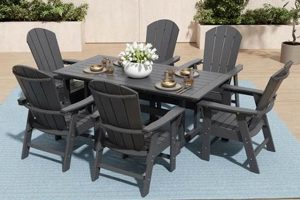
Outdoor seating arrangements featuring a dual-tone color scheme, specifically azure and ivory hues, represent a distinct category within patio and lawn furnishings. These pieces, ranging from chairs and tables to benches and decorative accents, often employ materials like powder-coated metal, treated wood, or durable resin to withstand external elements. A typical example might involve a set of woven wicker chairs with white frames and cushions adorned with blue patterns, positioned around a similarly colored metal-topped table.
The appeal of these color combinations stems from their capacity to evoke feelings of tranquility and spaciousness, contributing to a serene outdoor ambiance. Historically, the pairing of these shades has been associated with coastal themes and classic design aesthetics, proving versatile in a variety of garden settings. The contrast they offer can enhance visual interest while blending harmoniously with natural surroundings, making them a favored choice for those seeking both style and comfort in their outdoor spaces. Furthermore, their light reflectivity can make smaller areas appear larger and brighter.
Subsequent sections will delve into specific design considerations, material choices, maintenance practices, and accessorizing tips for incorporating this style effectively into diverse outdoor environments. This will include examination of various design styles from modern to traditional and practical guidance on ensuring longevity and aesthetic appeal.
Practical Considerations for Azure and Ivory Outdoor Furnishings
This section provides actionable recommendations for selecting and maintaining outdoor furniture characterized by blue and white color palettes. Adhering to these guidelines can enhance the longevity and aesthetic appeal of the furnishings.
Tip 1: Material Selection for Longevity: Prioritize materials resistant to weather-related degradation. Powder-coated aluminum provides rust resistance, while teak offers natural water repellency. Opt for outdoor-grade fabrics, such as solution-dyed acrylic, to mitigate fading and mildew formation.
Tip 2: Consider Color Saturation: The intensity of the blue hue influences the overall aesthetic. Deeper blues create a more formal appearance, while lighter, pastel blues evoke a relaxed, coastal atmosphere. Test color samples in the intended outdoor environment under varying lighting conditions.
Tip 3: Fabric Pattern Integration: Introduce patterns judiciously. Solid blue and white cushions provide a classic look, while incorporating subtle geometric or floral patterns adds visual interest without overwhelming the space. Ensure pattern symmetry across multiple pieces for visual coherence.
Tip 4: Regular Cleaning Protocol: Implement a routine cleaning schedule. Remove debris and dirt regularly with a soft brush and mild soap solution. For fabric cushions, promptly address spills to prevent staining. Pressure washing is generally discouraged due to potential damage to finishes.
Tip 5: Strategic Placement for Sun Exposure: Minimize direct sunlight exposure to mitigate fading and UV damage. Position furniture in shaded areas or utilize patio umbrellas to provide protection. Rotate cushions periodically to ensure even sun exposure.
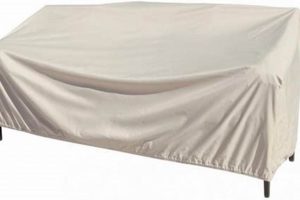
Tip 6: Winter Storage Practices: Prepare furniture for winter storage to prevent damage from freezing temperatures and precipitation. Clean thoroughly, dry completely, and store in a covered area such as a garage or shed. Utilize furniture covers if outdoor storage is unavoidable.
Tip 7: Complementary Accessory Choices: Select accessories that enhance the blue and white theme without competing with it. Consider incorporating neutral-toned outdoor rugs, potted plants with white blooms, or accent pillows with subtle nautical motifs. Avoid overly bright or clashing colors.
By carefully selecting materials, maintaining a consistent cleaning schedule, and protecting furniture from the elements, one can ensure these dual-tone furnishings remain a stylish and durable addition to any outdoor living space for years to come. These considerations will assist in realizing the full potential of this furniture style.
The following sections will explore the interplay between this furniture style and broader landscape design principles, examining how it can be integrated within diverse garden layouts and architectural styles.
1. Aesthetic Versatility

The inherent adaptability of azure and ivory outdoor furnishings, denoted as aesthetic versatility, constitutes a significant advantage. This characteristic allows seamless integration into diverse garden environments, regardless of pre-existing landscaping themes or architectural styles. This capability extends beyond mere stylistic compatibility, influencing the overall perception and utilization of outdoor spaces.
- Adaptation to Garden Styles
This facet encompasses the ability of blue and white furniture to complement various garden designs. In coastal gardens, the color scheme reinforces the nautical aesthetic, while in more formal settings, it introduces a sophisticated element. Conversely, within a rustic or cottage garden, the combination can evoke a sense of tranquility. The key lies in selecting specific shades and styles that align with the dominant theme.
- Integration with Architectural Designs
The color palette’s neutrality facilitates harmonious integration with diverse architectural exteriors. Whether the residence exhibits a modern, minimalist design or a more traditional, Victorian style, the furniture neither clashes nor dominates. The contrast provided by the pairing often enhances architectural details, drawing attention to specific features of the building.
- Seasonal Flexibility
The inherent lightness of the color combination lends itself well to seasonal adaptations. During warmer months, bright white fabrics and accessories can amplify the refreshing qualities, while in cooler months, deeper blues and textured throws introduce warmth and visual interest. This adaptability allows the furniture to remain relevant and visually appealing year-round.
- Personalization Options
Aesthetic versatility further extends to personalization. The neutral base of blue and white provides a canvas for incorporating individual stylistic preferences. This can be achieved through the addition of patterned cushions, vibrant planters, or unique accent pieces. Such personalization allows homeowners to imbue their outdoor spaces with their own character, creating a distinct and inviting environment.
In summary, the adaptable nature of azure and ivory furnishings significantly enhances their appeal. By seamlessly integrating with various garden designs, architectural styles, and seasonal changes, while also offering ample opportunities for personalization, this furniture style proves to be a versatile and enduring choice for outdoor living spaces.
2. Material Durability

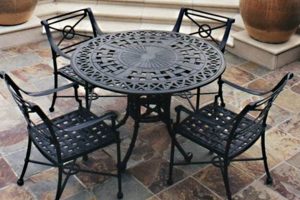
The longevity and sustained aesthetic appeal of azure and ivory patio furnishings are inextricably linked to material durability. The selection of appropriate materials directly influences the furniture’s ability to withstand environmental stressors, thereby impacting its lifespan and minimizing maintenance requirements. Exposure to sunlight, moisture, temperature fluctuations, and potential physical impacts necessitates the use of robust materials capable of resisting degradation. For instance, a wrought iron chair coated with a durable, rust-resistant finish may retain its structural integrity and aesthetic qualities far longer than a similar piece constructed from untreated mild steel. Similarly, cushions fabricated from solution-dyed acrylic fabrics demonstrate superior resistance to fading and moisture damage compared to those made from less resilient materials. The initial investment in durable materials translates to long-term cost savings by reducing the frequency of replacement and repair.
The consequences of selecting inadequate materials are readily observable in real-world scenarios. Wooden furniture constructed from non-treated lumber is susceptible to rot and insect infestation, leading to structural failure and compromised appearance. Similarly, plastic furniture lacking UV inhibitors will become brittle and discolored upon prolonged exposure to sunlight. Furthermore, cushions filled with low-quality materials can lose their shape and support over time, diminishing comfort and aesthetic appeal. The selection process should, therefore, prioritize materials known for their inherent resistance to weathering and wear. Teak, known for its natural oils, and powder-coated aluminum, offering rust resistance, exemplify suitable choices for framing. For fabrics, options like olefin and specialized outdoor polyesters offer superior performance in terms of fade resistance and water repellency.
In summary, material durability represents a critical factor in maximizing the value and lifespan of this style of garden furniture. Careful consideration of material properties and their suitability for outdoor environments is essential for ensuring long-term satisfaction. While initial costs may be higher for more durable materials, the reduced maintenance and extended lifespan provide a significant return on investment. Neglecting material durability compromises the furniture’s structural integrity, aesthetic appeal, and overall value, necessitating more frequent replacements and incurring higher long-term expenses.
3. Color Harmony
Color harmony, in the context of azure and ivory patio furniture, denotes the aesthetically pleasing arrangement of colors that create a unified and visually satisfying composition within an outdoor setting. This harmony is not merely a matter of personal preference; it is a crucial component influencing the overall ambiance and perceived value of the space. The effectiveness of this furniture style hinges on its ability to seamlessly integrate with the surrounding landscape and architectural elements. When achieved, the arrangement fosters a sense of tranquility and cohesion. When absent, the space can appear disjointed and visually jarring. For example, a carefully curated set of azure and ivory wicker furniture, complemented by similarly toned flowering plants and neutral-colored stone pathways, can create a cohesive, inviting outdoor living area. Conversely, if the chosen shades clash with the environment, such as pairing vibrant, saturated blues with earth-toned brickwork, the overall effect can be discordant.
The importance of color harmony extends beyond mere aesthetics. It influences the perceived size and scale of the space. Lighter shades, such as the ivory components of the furniture, can visually expand an area, making it appear more spacious. Conversely, darker blues can create a sense of intimacy and enclosure in larger spaces. Consider a small urban balcony. Employing predominantly white furniture with subtle blue accents, coupled with light-colored flooring, can make the space feel larger and airier. In contrast, a sprawling garden may benefit from furniture incorporating deeper blues to delineate specific seating areas and create visual focal points. Moreover, the choice of complementary colors in surrounding elements, such as garden walls or accessory pieces, significantly contributes to overall harmony. A deliberate selection of neutral tones or analogous color schemes (colors adjacent on the color wheel) can further enhance the aesthetic unity. The correct level of contrast needs to be achieved as well. For instance, if a light blue cushion is used for a white seat, it will not make as big of an impact as navy or a dark blue.
In conclusion, the success of integrating this style of outdoor furniture relies heavily on achieving color harmony. Careful consideration of the surrounding environment, deliberate selection of complementary colors, and strategic use of color to influence spatial perception are essential for creating a visually pleasing and inviting outdoor space. The challenge lies in balancing personal preferences with established design principles to achieve a cohesive and harmonious result. Successfully executing this balance elevates outdoor spaces from merely functional areas to aesthetically pleasing extensions of the home.
4. Spatial Perception

Spatial perception, the ability to understand and interpret the relative position of objects in space, plays a crucial role in effectively utilizing azure and ivory outdoor furnishings. The intelligent application of these color schemes can significantly alter the perceived dimensions and atmosphere of a garden or patio. This consideration extends beyond mere aesthetics, influencing the functionality and overall enjoyment of the outdoor environment.
- Illusion of Expansion
Lighter shades, particularly white and pastel blues, possess the ability to visually expand a confined space. When applied to garden furniture, these colors reflect more light, creating the illusion of greater openness. This effect is particularly beneficial in smaller gardens or balconies, where space is at a premium. Conversely, darker, saturated blues can make a space feel more enclosed. By strategically using a predominantly white or light-blue palette, the perceived boundaries of the area are subtly blurred, making it seem larger than its actual dimensions. For example, a small patio furnished with white wicker chairs and light blue cushions will likely appear more spacious than the same patio furnished with dark, solid colors.
- Focal Point Creation
Strategic placement of azure and ivory furniture can establish focal points within the outdoor space. A brightly colored blue bench, positioned against a backdrop of greenery, immediately draws the eye and becomes a visual anchor. This technique is useful for directing attention to specific areas of the garden or for emphasizing desirable features, such as a water fountain or a carefully landscaped flower bed. Furthermore, alternating between blue and white elements can create a dynamic visual rhythm, guiding the viewer’s gaze through the space and enhancing its overall aesthetic appeal. The size and intensity of the color should be adjusted to ensure they serve as focal points, but without visually overwhelming the rest of the space.
- Depth and Perspective Enhancement
Using color gradients, where lighter shades are placed in the foreground and darker shades are reserved for the background, can enhance the sense of depth and perspective. In a long, narrow garden, for instance, placing white or very light-blue furniture closer to the house and using darker blue accents further down the garden path creates the illusion of greater distance. This technique is particularly effective when combined with strategic planting arrangements, where taller plants are placed towards the back and smaller plants are positioned in the foreground. The goal is to manipulate the viewer’s perception of space, making the garden appear deeper and more expansive than it actually is.
- Ambient Light Amplification
White surfaces reflect significantly more light than darker surfaces, amplifying the available ambient light within the outdoor space. This is especially beneficial in shaded gardens or patios where natural light is limited. Incorporating predominantly white outdoor furniture, especially on surfaces that receive direct sunlight, can brighten the area and create a more inviting atmosphere. Furthermore, the reflected light can enhance the vibrancy of surrounding colors, making plants and flowers appear more vivid and visually appealing. In contrast, darker blues absorb light, which can be advantageous in overly sunny areas to reduce glare and create a cooler, more comfortable environment.
In summary, the strategic utilization of azure and ivory outdoor furnishings can profoundly influence spatial perception, making smaller spaces appear larger, establishing focal points, enhancing depth, and amplifying ambient light. By understanding and applying these principles, it is possible to transform an ordinary outdoor area into a visually appealing and functional extension of the home, maximizing its potential for relaxation and enjoyment.
5. Maintenance Requirements

The longevity and aesthetic preservation of garden furniture, specifically those featuring azure and ivory color schemes, are directly contingent upon adherence to appropriate maintenance protocols. The interaction of environmental factors with the constituent materials necessitates regular upkeep to prevent degradation and ensure lasting usability.
- Material-Specific Cleaning Protocols
Different materials employed in the construction of blue and white garden furniture require distinct cleaning approaches. Powder-coated aluminum, for instance, benefits from routine washing with mild soap and water to remove surface dirt and prevent oxidation. Wicker, conversely, demands gentle brushing and occasional damp-cloth cleaning to avoid fiber damage and mildew growth. Fabric cushions, common in seating arrangements, necessitate spot cleaning of spills to prevent staining and periodic deep cleaning to remove accumulated dirt and allergens. Ignoring these material-specific requirements will accelerate deterioration and compromise the furniture’s appearance. For example, abrasive cleaners can damage powder-coating, while excessive moisture can promote rot in wooden frames.
- Protection from Environmental Exposure
Prolonged exposure to sunlight, precipitation, and extreme temperatures can significantly impact the condition of outdoor furnishings. UV radiation can cause fading of colored surfaces and weaken certain materials, such as plastics. Moisture can lead to rust formation on metal components and promote mold and mildew growth on fabrics. Freezing temperatures can cause cracking and structural damage. To mitigate these effects, protective measures are essential. These include the use of furniture covers during periods of non-use, strategic placement of furniture in shaded areas, and seasonal storage in sheltered environments. Implementing these precautions minimizes the furniture’s vulnerability to environmental damage and extends its lifespan.
- Inspection and Repair Procedures
Regular inspection of blue and white garden furniture is crucial for identifying and addressing minor issues before they escalate into major problems. Checks should include assessing the structural integrity of frames, examining fabric for tears or stains, and inspecting hardware for corrosion or loosening. Timely repairs, such as tightening loose screws, replacing damaged fabric, or touching up chipped paint, can prevent further deterioration and maintain the furniture’s functionality and appearance. Neglecting these inspections and repairs can lead to more costly and extensive restoration efforts in the long term. For instance, a small rust spot, if left untreated, can spread and weaken the entire frame of a metal chair.
- Seasonal Maintenance Adjustments
Maintenance requirements for azure and ivory garden furniture vary depending on the season. During spring and summer, frequent cleaning is necessary to remove pollen, dirt, and other debris accumulated from outdoor use. In autumn, removal of fallen leaves and debris is essential to prevent staining and moisture retention. Winter preparation involves thorough cleaning, drying, and storage to protect the furniture from freezing temperatures and snow. Adjusting maintenance protocols to align with seasonal environmental conditions ensures optimal preservation and extends the furniture’s lifespan. Failing to adapt maintenance strategies can result in accelerated degradation due to specific seasonal stressors.
Adherence to these maintenance requirements is paramount for preserving the aesthetic appeal and prolonging the lifespan of azure and ivory garden furniture. Consistent implementation of material-specific cleaning protocols, protection from environmental exposure, regular inspection and repair procedures, and seasonal maintenance adjustments ensures that these furnishings remain a stylish and functional addition to outdoor living spaces for years to come.
Frequently Asked Questions
This section addresses common inquiries and concerns regarding outdoor furniture featuring a blue and white color palette. The aim is to provide clear and concise answers to assist in informed purchasing and maintenance decisions.
Question 1: What materials are best suited for blue and white garden furniture to ensure longevity in outdoor environments?
Durable options include powder-coated aluminum for rust resistance, teak wood for natural water repellency, and high-density polyethylene (HDPE) resin for weather resistance. Outdoor-grade fabrics, such as solution-dyed acrylic, are recommended for cushions and upholstery due to their fade and mildew resistance.
Question 2: How can the blue and white color scheme be effectively integrated into gardens with existing color palettes?
The color scheme is versatile and complements various garden styles. For gardens with vibrant floral displays, opt for softer blues to avoid visual competition. In gardens with predominantly green foliage, bolder blues can create a striking contrast. Introduce white accents to maintain balance and visual harmony.
Question 3: What are the essential maintenance steps to prevent fading and discoloration of blue and white outdoor furniture?
Regular cleaning with mild soap and water is crucial. Utilize furniture covers during periods of non-use to protect against UV radiation and precipitation. Avoid abrasive cleaners, which can damage surfaces. For fabric cushions, promptly address spills to prevent staining. Consider applying UV protectant sprays to painted or stained surfaces.
Question 4: How does the selection of different shades of blue impact the overall aesthetic of the garden furniture?
Lighter blues evoke a relaxed, coastal vibe, while darker, saturated blues create a more formal and sophisticated look. Pastel blues are suitable for cottage gardens, while navy blues complement nautical themes. Consider the existing architectural style and landscaping when selecting blue hues.
Question 5: Are there specific design considerations for blue and white garden furniture in smaller outdoor spaces?
Opt for lighter shades to visually expand the space. Choose furniture with a smaller footprint, such as bistro sets or folding chairs. Utilize vertical space with climbing plants or wall-mounted shelves. Avoid overcrowding the area to maintain a sense of openness.
Question 6: What are the recommended storage practices for blue and white garden furniture during the off-season?
Clean and dry furniture thoroughly before storing. Store in a covered area, such as a garage or shed, to protect against freezing temperatures and precipitation. If outdoor storage is unavoidable, utilize waterproof furniture covers. Elevate furniture off the ground to prevent moisture damage.
These answers offer guidance on key aspects of purchasing, integrating, and maintaining this furniture style. Adhering to these recommendations will enhance the longevity and aesthetic appeal of outdoor spaces.
The subsequent section will focus on accessorizing options that further enhance the look.
Conclusion
The preceding exploration has detailed various aspects of outdoor furnishings characterized by azure and ivory hues. From material selection and maintenance protocols to aesthetic versatility and spatial considerations, a comprehensive overview has been presented. The analysis underscores the importance of informed decision-making in acquiring and preserving this style of furniture to maximize its longevity and visual appeal.
The enduring popularity of this color combination reflects its capacity to create tranquil and visually harmonious outdoor environments. The principles outlined serve as a guide for homeowners and designers seeking to integrate blue and white garden furniture effectively, ensuring that these pieces contribute positively to the overall aesthetic and functional value of their outdoor spaces. Continued adherence to best practices will ensure sustained enjoyment and enduring beauty.

![Protect & Extend: Garden Furniture Feet Protectors [Buy Now] | The Ultimate Gardening Guide: Grow a Thriving Garden Year-Round](https://MyGardenPatch.com/wp-content/uploads/2025/07/th-3169-300x200.jpg "Protect & Extend: Garden Furniture Feet Protectors [Buy Now] The Ultimate Gardening Guide: Grow a Thriving Garden Year-Round")