![Why Acacia Wood Garden Furniture Lasts: [Benefits & Care]](data:image/svg+xml;base64,PHN2ZyB4bWxucz0iaHR0cDovL3d3dy53My5vcmcvMjAwMC9zdmciIHdpZHRoPSI0NzQiIGhlaWdodD0iMTAwIiB2aWV3Qm94PSIwIDAgNDc0IDEwMCI+PHJlY3Qgd2lkdGg9IjEwMCUiIGhlaWdodD0iMTAwJSIgc3R5bGU9ImZpbGw6I2NmZDRkYjtmaWxsLW9wYWNpdHk6IDAuMTsiLz48L3N2Zz4= "Why Acacia Wood Garden Furniture Lasts: [Benefits & Care] The Ultimate Gardening Guide: Grow a Thriving Garden Year-Round")
A specific type of timber, derived from the acacia tree, is frequently employed in the creation of outdoor seating, tables, and related items intended for use in residential or commercial gardens. This material choice presents a balance of aesthetic appeal and functional durability for exterior applications. As an example, a well-crafted bench situated on a patio might be constructed from this resource.
The selection of this particular wood for external fixtures stems from a combination of factors. Its inherent resistance to decay and insect infestation provides longevity, reducing the need for frequent replacement. Furthermore, its density contributes to structural stability, enabling it to withstand the rigors of outdoor environments. Historically, comparable hardwoods have been utilized for similar purposes, indicating a long-standing appreciation for natural materials in landscaping and outdoor design.
The subsequent discussion will delve into the specific characteristics, maintenance requirements, and aesthetic considerations relevant to items crafted from this material, providing a comprehensive understanding of its suitability for various garden settings.
Preserving Acacia Wood Garden Furnishings
The following guidelines aim to assist in maintaining and extending the lifespan of outdoor furnishings constructed from acacia.
Tip 1: Regular Cleaning: Implement a routine cleaning schedule using a mild soap and water solution. This removes accumulated dirt, pollen, and other environmental contaminants that can degrade the wood’s surface over time. Avoid abrasive cleaners, which can damage the finish.
Tip 2: Oiling Application: Annually apply a specialized oil designed for hardwoods. This process replenishes the natural oils lost due to weathering, preventing the wood from drying out and cracking. Select an oil with UV inhibitors for added protection against sun damage.
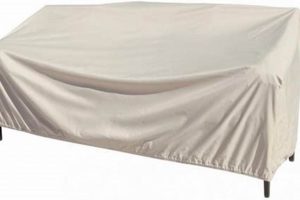
Tip 3: Covering During Inclement Weather: Utilize protective covers during periods of prolonged rain, snow, or extreme sunlight. This minimizes direct exposure to harsh elements, reducing the potential for warping, fading, or premature deterioration.
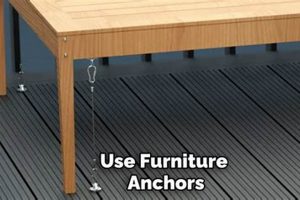
Tip 4: Avoiding Direct Contact with Wet Surfaces: Elevate items slightly off the ground to prevent direct contact with wet surfaces. This reduces moisture absorption, which can lead to rot and fungal growth. Consider using furniture feet or risers.
Tip 5: Proper Storage During Off-Season: Store furnishings in a dry, well-ventilated space during the off-season. This minimizes exposure to moisture and temperature fluctuations, extending their lifespan significantly.
Tip 6: Inspecting for Damage: Regularly inspect items for signs of damage, such as cracks, splits, or insect activity. Address any issues promptly to prevent further deterioration. Consult a professional for repairs if necessary.
Adhering to these maintenance practices will contribute to the preservation of the natural beauty and structural integrity of acacia wood furnishings, ensuring long-term enjoyment.
The subsequent sections will provide additional information regarding specific repair techniques and aesthetic considerations for maintaining these outdoor fixtures.
1. Durability

The connection between the physical endurance of garden furniture and the inherent properties of acacia wood is a primary factor in its selection for outdoor applications. Acacia possesses a high density and tight grain structure, which contribute to its resistance to physical stress, impact, and wear. This inherent strength directly translates to a longer lifespan for furniture constructed from it, reducing the need for frequent replacement. For instance, a bench made from less durable wood may succumb to splintering or breakage under consistent use and exposure to the elements, whereas an acacia bench is more likely to withstand similar conditions for an extended period.
The practical significance of this enhanced durability extends beyond mere longevity. Reduced maintenance requirements are a direct consequence. Furniture made from materials prone to damage necessitate more frequent repairs, refinishing, or protective treatments. Acacia’s inherent resistance to decay and insect infestation further minimizes the need for such interventions. The economic benefits of this decreased maintenance, combined with the extended lifespan, provide a compelling rationale for choosing acacia over less durable alternatives, despite potentially higher initial costs.
In summary, the durability of acacia wood is a critical component of its suitability for garden furniture. Its inherent strength and resistance to degradation not only prolong the life of the furniture but also reduce the associated maintenance burden and long-term expenses. The correlation underscores the importance of material selection in ensuring the longevity and functionality of outdoor furnishings.
2. Sustainability

The concept of sustainability is increasingly relevant in the context of resource utilization. When applied to furniture construction, specifically garden furniture utilizing acacia wood, sustainability encompasses responsible sourcing, minimal environmental impact, and long-term ecological considerations.
- Responsible Sourcing and Forest Management
Sustainable acacia harvesting involves adhering to responsible forestry practices. This includes selective logging to maintain forest health, replanting efforts to ensure continuous regeneration, and obtaining certifications like the Forest Stewardship Council (FSC) to verify adherence to established standards. For example, acacia wood used in garden furniture should ideally originate from forests where logging is carefully managed to minimize habitat disruption and maintain biodiversity.
- Carbon Footprint and Transportation
The carbon footprint associated with acacia wood encompasses the energy consumed during harvesting, processing, and transportation. Sourcing acacia locally or from nearby regions can significantly reduce transportation-related emissions. Furthermore, utilizing efficient manufacturing processes and minimizing waste during production contributes to a lower overall carbon footprint for acacia garden furniture. Choosing manufacturers committed to environmentally conscious practices is essential.
- Lifecycle Assessment and Durability
A comprehensive lifecycle assessment considers the environmental impact of acacia wood from its origin to its eventual disposal. The inherent durability of acacia, as discussed previously, directly contributes to its sustainability. Longer-lasting furniture reduces the frequency of replacement, minimizing the demand for new resources and reducing waste generation. Proper maintenance further extends the lifespan, enhancing its overall sustainability profile.
- Waste Management and Recyclability
Sustainable practices extend to the end-of-life management of acacia wood. Ideally, discarded acacia furniture should be recyclable or biodegradable. While complete recyclability may be challenging due to potential finishes or treatments, efforts to minimize chemical usage and promote natural finishes enhance its environmental compatibility. Composting or repurposing acacia wood at the end of its useful life provides an alternative to landfill disposal.
The integration of sustainable practices throughout the acacia wood supply chain, from forest management to end-of-life disposal, is crucial for minimizing the environmental impact of garden furniture. Consumers and manufacturers both play a vital role in promoting sustainability by prioritizing responsible sourcing, efficient production, and proper waste management, ensuring that the use of acacia wood contributes to long-term ecological health.
3. Weather Resistance
The ability of outdoor furniture to withstand environmental conditions is a crucial determinant of its longevity and aesthetic appeal. The weather resistance of acacia wood is a primary factor in its suitability for garden applications, directly influencing its performance and maintenance requirements.
- Resistance to Moisture Absorption
Acacia wood possesses a natural resistance to moisture absorption due to its density and inherent oil content. This characteristic minimizes swelling, warping, and cracking that can occur when wood is exposed to rain, humidity, or fluctuating temperatures. For instance, a wooden chair constructed from a less resistant material may exhibit signs of decay or structural instability after prolonged exposure to damp conditions, whereas an acacia chair is less susceptible to such damage.
- Protection Against Ultraviolet (UV) Radiation
Prolonged exposure to sunlight can degrade wood, causing fading, discoloration, and structural weakening. Acacia wood contains natural compounds that offer a degree of protection against UV radiation. However, supplemental treatments such as UV-resistant oils or sealants are often applied to enhance this protection and preserve the wood’s original color and finish over time. The application of such treatments is essential for maintaining the aesthetic appeal and structural integrity of acacia furniture in sunny environments.
- Inhibition of Fungal Growth and Decay
Moisture and organic matter can promote the growth of fungi and decay, which can compromise the structural integrity of wood. Acacia wood contains natural tannins that inhibit fungal growth and decay, making it more resistant to these forms of degradation compared to other wood species. This inherent resistance reduces the need for frequent treatments with chemical preservatives, contributing to the sustainability of acacia garden furniture.
- Temperature Fluctuation Tolerance
Outdoor furniture is subject to significant temperature fluctuations, which can cause expansion and contraction of the wood. Acacia wood exhibits a relatively low coefficient of thermal expansion, meaning it is less prone to warping or cracking due to temperature changes. This characteristic contributes to its dimensional stability and long-term durability in outdoor environments with variable climates. A table made of acacia wood is more likely to maintain its shape and structural integrity throughout seasonal temperature shifts.
These facets of weather resistance collectively contribute to the overall performance and longevity of garden furniture constructed from acacia wood. Its inherent resistance to moisture, UV radiation, fungal growth, and temperature fluctuations makes it a suitable material choice for outdoor applications, minimizing maintenance requirements and maximizing its lifespan in various environmental conditions. The selection of acacia wood, therefore, represents a strategic consideration for individuals seeking durable and aesthetically pleasing outdoor furnishings.
4. Grain Pattern

The grain pattern in acacia wood significantly influences the aesthetic value of garden furniture. This characteristic refers to the arrangement, direction, and size of wood fibers, manifesting as visible lines, swirls, or figures on the surface. The grain pattern is not merely a visual element; it directly impacts the perceived quality and visual appeal of the furniture piece. A complex or aesthetically pleasing grain pattern can elevate the perceived value of the furniture, contributing to a more sophisticated and visually engaging outdoor space. For example, a table crafted from acacia with a prominent, swirling grain pattern becomes a focal point, enhancing the overall design of a patio or garden setting.
The specific grain pattern also affects the finishing process and the final appearance of the furniture. Open-grained woods require different finishing techniques compared to close-grained woods. Acacia typically exhibits a moderately open grain, allowing stains and oils to penetrate effectively, enhancing the natural color and texture. The application of a suitable finish not only protects the wood but also accentuates the grain pattern, creating a richer and more visually appealing surface. Improper finishing, however, can obscure the grain or create an uneven appearance, detracting from the wood’s natural beauty. Thus, understanding the inherent grain characteristics is crucial for selecting appropriate finishing methods.
In summary, the grain pattern of acacia wood is an integral component of its aesthetic contribution to garden furniture. It influences visual appeal, affects finishing processes, and contributes to the overall perceived quality. Challenges may arise in matching grain patterns across multiple pieces of furniture within a set, requiring careful selection and craftsmanship. The emphasis on grain pattern underscores the importance of considering both the functional and aesthetic attributes of materials when designing and selecting outdoor furnishings.
5. Maintenance Needs
The longevity and aesthetic preservation of garden furniture crafted from acacia wood are directly contingent upon consistent and appropriate maintenance. Neglecting proper upkeep will invariably lead to premature deterioration, diminishing the furniture’s functional lifespan and visual appeal.
- Regular Cleaning and Debris Removal
Accumulated dirt, pollen, and organic debris can promote microbial growth and compromise the wood’s surface integrity. Routine cleaning using a mild soap solution and soft brush is essential for removing these contaminants. For example, failing to remove fallen leaves from a chair for extended periods can result in staining and localized decay, necessitating more extensive restoration efforts. Consistent cleaning mitigates this risk, preserving the finish and extending the furniture’s lifespan.
- Periodic Oiling or Sealing Application
Acacia wood, while naturally durable, benefits from periodic applications of specialized oils or sealants designed for hardwoods. These treatments replenish the wood’s natural oils lost due to weathering and ultraviolet (UV) exposure, preventing drying, cracking, and fading. The absence of regular oiling can result in a dull, weathered appearance and increase susceptibility to moisture damage. Choosing an appropriate oil with UV inhibitors is crucial for optimal protection and aesthetic preservation. For instance, teak oil is a viable option.
- Protection from Extreme Weather Conditions
Prolonged exposure to harsh weather elements, such as heavy rain, snow, or intense sunlight, can accelerate the degradation of acacia wood. Employing protective covers during periods of inclement weather or storing furniture indoors during the off-season minimizes direct exposure to these damaging factors. Leaving furniture uncovered throughout the winter months, for example, can lead to warping, cracking, and finish damage, requiring costly repairs or premature replacement.
- Prompt Repair of Minor Damage
Addressing minor damages, such as scratches, dents, or loose joints, promptly prevents them from escalating into more significant structural problems. Ignoring small cracks, for instance, can allow moisture to penetrate the wood, leading to rot and further structural weakening. Regular inspections and timely repairs, performed either by the owner or a qualified professional, are crucial for maintaining the furniture’s integrity and preventing costly future repairs.
The cumulative effect of these maintenance practices directly influences the long-term performance and visual appeal of acacia wood garden furniture. Consistent attention to cleaning, oiling, protection, and repair not only extends the furniture’s lifespan but also preserves its aesthetic qualities, ensuring its continued suitability for outdoor use.
6. Cost-Effectiveness
The selection of materials for garden furniture necessitates a careful evaluation of cost-effectiveness, which extends beyond the initial purchase price to encompass long-term expenses and value. Acacia wood presents a specific profile in this regard, characterized by a moderate initial investment coupled with durability that reduces replacement frequency. This combination results in a life-cycle cost that can be competitive with, or even lower than, less expensive alternatives requiring more frequent replacement. For example, plastic furniture, while initially cheaper, may degrade rapidly under UV exposure and require replacement within a few seasons, negating any initial cost savings. An acacia wood bench, properly maintained, can last for a decade or more, providing a lower total cost of ownership despite a higher upfront investment.
The cost-effectiveness of acacia wood is also influenced by maintenance requirements. While not entirely maintenance-free, acacia generally requires less upkeep than some other hardwoods. Regular cleaning and periodic oiling are typically sufficient to preserve its integrity and appearance, minimizing the need for expensive repairs or refinishing. This lower maintenance burden translates to reduced labor costs and material expenses over the furniture’s lifespan. Furthermore, the relative abundance of acacia compared to some premium hardwoods can contribute to lower material costs, making it an attractive option for budget-conscious consumers seeking a balance between quality and affordability. The specific pricing, however, can fluctuate based on the source, quality, and processing methods.
In summary, the cost-effectiveness of acacia wood for garden furniture is a complex consideration involving initial price, durability, maintenance requirements, and longevity. While the upfront cost may be higher than some alternatives, the extended lifespan, reduced maintenance, and relative abundance of acacia contribute to a favorable life-cycle cost. This balance of affordability and durability makes acacia a practical choice for individuals seeking long-lasting and aesthetically pleasing garden furniture without exceeding budgetary constraints. The key challenge lies in ensuring proper maintenance to realize the full potential of its cost-effectiveness.
Frequently Asked Questions
The following section addresses common inquiries regarding the selection, care, and performance characteristics of acacia wood when utilized in the construction of outdoor furnishings. These questions are intended to provide clarity and informed decision-making.
Question 1: Is acacia wood truly suitable for outdoor use, given its natural origin?
Acacia wood exhibits inherent properties that render it well-suited for outdoor applications. Its density and natural oil content contribute to resistance against moisture, decay, and insect infestation. While not impervious to the elements, its performance compares favorably to many other wood species commonly used in garden furniture.
Question 2: What is the expected lifespan of acacia wood garden furniture?
The longevity of acacia wood furniture is contingent upon maintenance practices and environmental exposure. Under optimal conditions, with regular cleaning and oiling, it can reasonably be expected to last for 5-10 years or more. Neglecting proper care will inevitably shorten its lifespan.
Question 3: Does acacia wood require specialized cleaning products?
Specialized cleaning products are generally not required. A mild soap solution and soft brush are typically sufficient for removing dirt and debris. Abrasive cleaners should be avoided as they can damage the wood’s finish. Regular cleaning is more critical than the specific type of cleaning agent used.
Question 4: How often should acacia wood garden furniture be oiled?
The frequency of oiling depends on the level of exposure to sunlight and moisture. As a general guideline, an application of appropriate oil every 6-12 months is recommended. Signs of dryness or fading indicate the need for more frequent oiling.
Question 5: Is acacia wood environmentally sustainable?
The sustainability of acacia wood depends on sourcing practices. Acacia can be a sustainable choice if harvested from responsibly managed forests with replanting programs. Certifications such as the Forest Stewardship Council (FSC) provide assurance of sustainable sourcing.
Question 6: Can acacia wood furniture be left outdoors year-round in all climates?
While acacia wood is relatively weather-resistant, prolonged exposure to extreme conditions can accelerate its degradation. Utilizing protective covers or storing furniture indoors during the off-season is recommended, particularly in regions with harsh winters or intense sun exposure.
In conclusion, the selection and proper care of acacia wood garden furniture represent a balance between initial investment, maintenance efforts, and expected lifespan. Informed decision-making, coupled with consistent upkeep, ensures long-term satisfaction.
The subsequent discussion will focus on specific design considerations for incorporating acacia wood into various garden settings.
Conclusion
The preceding exploration has detailed the multifaceted aspects of employing acacia wood for garden furniture. Its durability, sustainability considerations, weather resistance, grain pattern, maintenance requirements, and cost-effectiveness have been individually examined. The integration of these elements dictates the suitability of acacia wood for specific outdoor applications, balancing aesthetic preferences with practical performance criteria. This assessment provides a framework for evaluating acacia wood against alternative materials, enabling informed purchasing decisions.
The enduring appeal of acacia wood for garden furniture rests upon its capacity to provide both functional utility and aesthetic value within the outdoor environment. However, realizing this potential hinges upon adherence to responsible sourcing practices and diligent maintenance protocols. Continued research into sustainable harvesting and advanced preservation techniques will further enhance the viability of acacia wood as a long-term solution for outdoor furnishings, ensuring its continued contribution to well-designed and environmentally conscious garden spaces. Therefore, prioritize informed selection and responsible stewardship to maximize the benefits of acacia wood in outdoor settings.

![Protect & Extend: Garden Furniture Feet Protectors [Buy Now] | The Ultimate Gardening Guide: Grow a Thriving Garden Year-Round](https://MyGardenPatch.com/wp-content/uploads/2025/07/th-3169-300x200.jpg "Protect & Extend: Garden Furniture Feet Protectors [Buy Now] The Ultimate Gardening Guide: Grow a Thriving Garden Year-Round")