Outdoor seating and tables designed and manufactured by EMU Group are characterized by their durability, weather resistance, and distinctive Italian design. These pieces, typically crafted from powder-coated steel or aluminum, are intended for use in residential gardens, patios, balconies, and commercial outdoor spaces like restaurants and hotels. The product range includes chairs, tables, lounge sets, and accessories.
The significance of resilient outdoor furnishings lies in their capacity to withstand diverse environmental conditions, extending their lifespan and minimizing replacement costs. Such products provide comfortable and aesthetically pleasing spaces for relaxation, dining, and socializing outdoors. The history of outdoor furniture design reflects evolving materials and styles, catering to changing lifestyle preferences and architectural trends, from traditional wrought iron to contemporary minimalist forms.
The subsequent sections will delve into specific aspects of these durable outdoor products, including materials, design considerations, maintenance recommendations, and the overall impact on outdoor living environments. This exploration will provide a comprehensive overview for both consumers and professionals interested in selecting or specifying these furnishings.
Optimizing the Selection and Care of Durable Outdoor Furnishings
This section provides guidance on choosing and maintaining resilient outdoor furniture, ensuring long-term usability and aesthetic appeal.
Tip 1: Material Selection is Paramount: Prioritize powder-coated steel or aluminum frames. These materials offer superior resistance to rust, corrosion, and fading compared to less durable alternatives. Consider the local climate when making material choices; coastal environments necessitate materials with enhanced salt resistance.
Tip 2: Evaluate Structural Integrity: Before purchase, thoroughly inspect the welding and joints of each piece. Weak welds are prone to failure under stress. Request information regarding load-bearing capacity, particularly for seating designed for commercial use.
Tip 3: Prioritize UV Resistance: Prolonged exposure to ultraviolet radiation degrades many outdoor materials. Ensure that cushions, fabrics, and frame coatings are specifically formulated to resist UV damage. Inquire about UV resistance ratings and warranties.
Tip 4: Consider Weight and Portability: Evaluate the ease with which furniture can be moved for cleaning, storage, or rearrangement. Heavier pieces provide greater stability in windy conditions but may be more difficult to handle.
Tip 5: Implement Regular Cleaning Practices: Periodic cleaning with mild soap and water prevents the accumulation of dirt and mildew. Avoid abrasive cleaners, which can damage protective coatings. Rinse thoroughly after cleaning and allow to air dry completely.
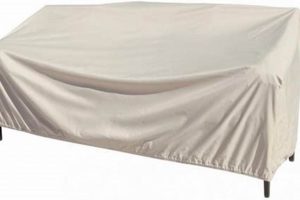
Tip 6: Winter Storage is Essential in Colder Climates: Protecting outdoor furniture from prolonged exposure to snow and ice significantly extends its lifespan. Store items indoors or under waterproof covers during the off-season.
Tip 7: Address Minor Damage Promptly: Scratches or chips in the powder coating should be repaired immediately to prevent rust formation. Utilize touch-up paint formulated for metal outdoor furniture.
Following these recommendations will contribute to the longevity and sustained aesthetic quality of outdoor furnishings, maximizing the investment and enhancing outdoor spaces.
The final section will summarize the key considerations for selecting and maintaining these outdoor products, offering a concluding perspective on their role in creating functional and attractive outdoor environments.
1. Italian Design Heritage

The connection between Italian design heritage and outdoor furniture, specifically that produced by EMU Group, is inextricably linked. Italy’s historical prominence in furniture design, characterized by an emphasis on aesthetics, innovation, and functionality, provides a crucial foundation for EMU’s product philosophy. This heritage manifests in several key aspects: sophisticated styling, attention to detail in construction, and a focus on creating visually appealing yet practical outdoor living spaces. Examples include the use of flowing lines and geometric patterns, often drawing inspiration from natural forms and architectural elements, reflecting a deep-rooted appreciation for artistic expression integrated into everyday objects.
The importance of Italian design heritage for EMU’s success is multi-faceted. It contributes significantly to brand identity and market positioning, differentiating the company’s products from mass-produced alternatives. Consumers associate Italian design with quality, craftsmanship, and a certain level of sophistication, creating a perception of value. This association translates into customer loyalty and brand preference. Practical applications of this understanding include targeted marketing campaigns that emphasize the Italian origins of the designs and the craftsmanship involved in the manufacturing process. For instance, highlighting the involvement of Italian designers in creating new collections or showcasing the intricate detailing of the furniture in advertising materials can reinforce the connection to the brand’s heritage.
In summary, Italian design heritage is not merely a marketing tagline for EMU; it is a fundamental component of the company’s design ethos and brand identity. This heritage dictates the style, materials, and construction techniques employed in the creation of their outdoor furniture. While challenges exist in maintaining the authenticity and relevance of this heritage in an increasingly globalized market, it remains a key differentiating factor that contributes to EMU’s competitive advantage. It underscores the value of combining artistic vision with practical functionality in the creation of durable and aesthetically pleasing outdoor living solutions.
2. Powder-Coated Durability

Powder coating serves as a critical protective layer on EMU garden furniture, primarily constructed from steel or aluminum. The application of powder coating involves electrostatically adhering a dry powder comprised of resin and pigment to the metal surface, followed by curing under heat to create a uniform, durable finish. This process significantly enhances the furniture’s resistance to corrosion, scratches, and ultraviolet (UV) damage. Consequently, the longevity of EMU’s outdoor furniture is substantially increased, reducing the frequency of replacement and minimizing long-term costs. For instance, untreated steel left outdoors will quickly rust, compromising structural integrity. Powder coating mitigates this risk, ensuring the furniture maintains its appearance and strength over extended periods.
The selection of powder coating as a protective measure reflects a strategic design choice to optimize the furniture’s performance in outdoor environments. This choice necessitates adherence to specific application standards and quality control measures. The thickness of the powder coating layer, the type of resin used, and the curing temperature all impact the final product’s durability. For instance, using a UV-resistant powder formula is crucial for furniture exposed to direct sunlight to prevent fading and degradation of the coating. Practical applications of this understanding include informing consumers about the benefits of powder coating and educating them on proper maintenance techniques, such as avoiding abrasive cleaners that can damage the coating.
In conclusion, powder-coated durability is a pivotal characteristic of EMU garden furniture, providing essential protection against environmental factors that contribute to wear and tear. While proper application and maintenance are critical to realizing the full benefits of powder coating, its contribution to the furniture’s lifespan and aesthetic appeal is undeniable. This durable finish represents a significant investment in the longevity and quality of EMU’s outdoor products, offering a valuable advantage to consumers seeking long-lasting outdoor furnishings.
3. Weather-Resistant Materials

The functional lifespan and aesthetic integrity of outdoor furnishings are intrinsically linked to the weather-resistant properties of the materials employed in their construction. EMU garden furniture, designed for outdoor use, relies heavily on materials specifically chosen to withstand environmental stressors such as rain, sunlight, temperature fluctuations, and humidity. The selection of appropriate materials directly impacts the furniture’s resistance to corrosion, fading, warping, and degradation. For instance, the use of powder-coated steel or aluminum, common in EMU designs, provides a barrier against rust and corrosion, which are primary concerns in humid or coastal environments. Similarly, solution-dyed acrylic fabrics used for cushions and upholstery offer enhanced resistance to fading caused by prolonged exposure to ultraviolet radiation. Without these weather-resistant characteristics, outdoor furniture would rapidly deteriorate, requiring frequent replacement and negating any initial cost savings.
The practical application of understanding weather-resistant material properties extends beyond mere material selection. It informs design decisions related to drainage, ventilation, and structural integrity. For example, furniture designs incorporate features such as angled surfaces to facilitate water runoff and prevent water pooling, which can lead to corrosion or material degradation. Similarly, ventilated cushions and fabrics promote airflow, reducing the risk of mold and mildew growth in humid conditions. The choice of fasteners and joinery methods is also critical, as materials susceptible to corrosion can compromise the structural integrity of the furniture over time. Therefore, a comprehensive understanding of weather-resistant materials is essential for optimizing both the durability and the long-term aesthetic appeal of EMU garden furniture.
In summary, the use of weather-resistant materials is not merely a feature of EMU garden furniture; it is a fundamental requirement for its intended function and longevity. The careful selection and application of these materials, coupled with thoughtful design considerations, ensure that the furniture can withstand the rigors of outdoor use, providing lasting value and aesthetic enjoyment. While challenges may arise in balancing cost considerations with optimal material performance, the long-term benefits of investing in weather-resistant materials far outweigh the initial expense. The continued advancement in material science promises even more durable and sustainable options for outdoor furniture in the future, further enhancing the potential for long-lasting outdoor living environments.
4. Commercial-Grade Strength

The designation of “Commercial-Grade Strength” is a critical factor influencing the suitability and longevity of emu garden furniture, particularly when deployed in high-use environments. This characteristic reflects a design and manufacturing philosophy focused on robust construction, durable materials, and the ability to withstand frequent and demanding use. The incorporation of this strength rating ensures the furniture can reliably serve both residential and professional outdoor spaces.
- Enhanced Material Specifications
Commercial-grade strength dictates the utilization of materials exceeding standard residential specifications. This may include thicker gauge steel, reinforced aluminum alloys, and higher density polymers. For example, EMU furniture intended for cafes or restaurants will often employ frames constructed from heavier-gauge steel tubing to resist bending or deformation under constant use. This ensures prolonged structural integrity and minimizes the risk of failure.
- Reinforced Structural Design
Beyond material selection, structural design plays a pivotal role in achieving commercial-grade strength. This includes reinforced welding techniques, gusseted joints, and strategically placed support structures. EMU tables designed for commercial settings, for instance, may feature reinforced table tops and leg attachments to withstand heavy loads and resist wobbling. This contributes to a stable and secure surface for dining or other activities.
- Rigorous Testing Protocols
Furniture designated as commercial-grade undergoes stringent testing protocols to validate its durability and resistance to stress. These tests may simulate years of use in a high-traffic environment, evaluating factors such as weight capacity, impact resistance, and fatigue endurance. For example, chairs may be subjected to repeated weight loading and dropping tests to ensure they can withstand the rigors of frequent occupancy and movement. Successful completion of these tests provides assurance of the furniture’s ability to perform reliably over time.
- Extended Warranty and Support
Commercial-grade strength often corresponds with extended warranty coverage and enhanced customer support. Manufacturers recognize the higher demands placed on furniture in commercial settings and therefore offer more comprehensive guarantees against defects or failures. EMU may provide longer warranties on commercial-grade furniture, along with readily available replacement parts and technical assistance. This demonstrates confidence in the product’s durability and provides peace of mind for commercial users.
In summary, the “Commercial-Grade Strength” designation signifies a commitment to superior quality and durability in emu garden furniture. This attribute ensures the furniture can withstand the rigors of high-use environments, providing lasting value and minimizing the need for frequent replacement. The incorporation of enhanced materials, reinforced designs, rigorous testing, and extended support collectively contribute to the overall reliability and performance of emu garden furniture in both residential and commercial applications.
5. Ergonomic Comfort Focus
The “Ergonomic Comfort Focus” is a critical design parameter integrated into emu garden furniture to enhance the user experience and promote physical well-being. It constitutes a systematic approach to designing furniture that adapts to the human body, minimizing strain and maximizing support during periods of rest or activity. The absence of ergonomic considerations can lead to discomfort, fatigue, and potential musculoskeletal issues, diminishing the overall utility and desirability of outdoor furniture. For example, a chair with inadequate lumbar support may cause back pain after prolonged sitting, thereby reducing its practical value. Conversely, well-designed seating that conforms to the natural curvature of the spine can promote proper posture and reduce discomfort, encouraging extended use and relaxation. Ergonomic design in EMU furniture, therefore, represents a proactive effort to improve the health and enjoyment of outdoor spaces.
Practical applications of the “Ergonomic Comfort Focus” are evident in various EMU product features. Seat heights and depths are carefully calculated to accommodate a wide range of body sizes and shapes, facilitating comfortable seating for diverse users. Backrests are contoured to provide optimal lumbar support, minimizing strain on the lower back. Armrests are positioned at appropriate heights to promote relaxed shoulder posture and reduce tension in the neck and upper back. Additionally, material selection plays a crucial role; flexible materials and cushioned surfaces conform to the body’s contours, distributing weight evenly and reducing pressure points. These design elements collectively contribute to a more comfortable and supportive seating experience, enhancing the overall value of the furniture.
In summary, the “Ergonomic Comfort Focus” is not merely an optional feature, but an essential component of well-designed emu garden furniture. It reflects a commitment to prioritizing user well-being and enhancing the functionality of outdoor living spaces. While challenges may arise in balancing ergonomic principles with aesthetic considerations and cost constraints, the long-term benefits of comfortable and supportive furniture far outweigh the initial challenges. By integrating ergonomic principles into design and manufacturing processes, EMU aims to create furniture that not only enhances the aesthetic appeal of outdoor environments but also contributes to the health and comfort of its users.
Frequently Asked Questions
The following addresses common inquiries regarding the selection, maintenance, and characteristics of outdoor furnishings produced by EMU Group.
Question 1: What are the primary advantages of selecting outdoor furniture from the EMU Group?
EMU outdoor furniture offers a combination of Italian design, durable construction, and weather-resistant materials. The furniture is intended to withstand diverse environmental conditions and provide long-term value.
Question 2: What materials are commonly employed in the construction of EMU’s outdoor furniture?
EMU typically utilizes powder-coated steel and aluminum frames, complemented by weather-resistant fabrics and cushions. These materials are selected for their ability to withstand prolonged outdoor exposure.
Question 3: How does one properly maintain powder-coated metal furniture to ensure longevity?
Regular cleaning with mild soap and water is recommended. Abrasive cleaners should be avoided to prevent damage to the powder coating. Protective covers are advised during periods of inclement weather or non-use.
Question 4: Is EMU furniture suitable for commercial use in restaurants or hotels?
Certain EMU product lines are specifically designed and tested for commercial applications, featuring reinforced construction and enhanced durability to withstand high-traffic environments.
Question 5: What measures are taken to ensure the weather resistance of fabric cushions and upholstery?
EMU employs solution-dyed acrylic fabrics that exhibit high resistance to fading, water damage, and mildew growth. Regular cleaning and proper storage can further extend the lifespan of these materials.
Question 6: Where can one obtain replacement parts or warranty service for EMU garden furniture?
Authorized dealers and EMU’s customer service department can provide information regarding replacement parts and warranty claims. Proof of purchase may be required.
Selecting the appropriate outdoor furniture necessitates careful consideration of material properties, construction quality, and maintenance requirements. EMU garden furniture offers a viable solution for those seeking durable and aesthetically pleasing outdoor furnishings.
The next section will delve into specific case studies demonstrating the application of EMU furniture in various outdoor settings.
Conclusion
The preceding discussion has elucidated various critical aspects of emu garden furniture, ranging from its design origins to material considerations and performance characteristics. The emphasis on Italian design heritage, powder-coated durability, weather-resistant materials, commercial-grade strength, and ergonomic comfort collectively defines the unique value proposition of this outdoor furniture. Understanding these elements allows for informed decision-making in both residential and commercial settings.
The enduring significance of well-designed and durable outdoor furnishings cannot be overstated. Their contribution to the functionality and aesthetic appeal of exterior spaces directly impacts user experience and property value. Prospective buyers and specifiers are encouraged to carefully evaluate their specific needs and environmental conditions to optimize their investment. Further research into emerging material technologies and sustainable manufacturing practices within the outdoor furniture industry is also recommended to ensure responsible and informed purchasing decisions.

![Protect & Extend: Garden Furniture Feet Protectors [Buy Now] | The Ultimate Gardening Guide: Grow a Thriving Garden Year-Round](https://MyGardenPatch.com/wp-content/uploads/2025/07/th-3169-300x200.jpg "Protect & Extend: Garden Furniture Feet Protectors [Buy Now] The Ultimate Gardening Guide: Grow a Thriving Garden Year-Round")