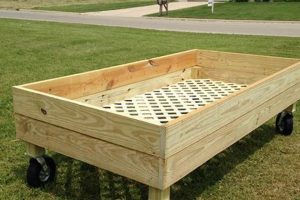
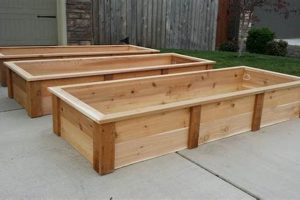
A structure combining the accessibility of elevated planting beds with the climate control of a greenhouse provides an optimized environment for cultivating plants. This design offers benefits such as improved soil drainage, reduced back strain, and protection from pests and harsh weather. An example includes a wooden frame elevated to waist height, enclosed with translucent panels to trap solar heat and regulate temperature.
The advantages of this horticultural setup are multifaceted. The elevated structure facilitates easier access for planting, weeding, and harvesting, thereby improving user experience. Furthermore, the enclosed environment extends the growing season, allowing for the cultivation of temperature-sensitive plants in colder climates. Historically, similar controlled environments have been employed to nurture delicate species and promote food security.
The subsequent sections will delve into the specific construction techniques, material selection considerations, and management strategies pertinent to successfully utilizing this horticultural system. Emphasis will be placed on optimizing factors such as ventilation, irrigation, and pest control to maximize plant yield and overall efficiency.
Essential Guidance for Optimal Utilization
The following recommendations aim to maximize the effectiveness and longevity of the specified horticultural structure, ensuring a productive and sustainable growing environment.
Tip 1: Site Selection is Paramount: Prioritize a location that receives at least six hours of direct sunlight daily. Southern exposure is generally preferred. Ensure the area is relatively level and protected from strong winds.
Tip 2: Foundation Stability: A solid and level base is critical to prevent structural instability and potential collapse. Consider using concrete blocks, gravel, or a treated lumber frame to create a firm foundation. Verify proper drainage to avoid water accumulation.
Tip 3: Optimize Ventilation: Adequate airflow is essential for temperature regulation and humidity control, preventing disease and promoting healthy plant growth. Incorporate adjustable vents or automated ventilation systems to maintain optimal environmental conditions.
Tip 4: Soil Composition Matters: Utilize a well-draining, nutrient-rich soil mix specifically formulated for container gardening. Avoid using garden soil, as it can compact and impede drainage. Amend with compost or other organic matter to improve fertility.
Tip 5: Integrated Pest Management: Implement a proactive pest control strategy that prioritizes non-chemical methods. Regularly inspect plants for signs of infestation and introduce beneficial insects or use horticultural oils as needed. Remove diseased or infested plant material promptly.
Tip 6: Efficient Irrigation Techniques: Consistent and appropriate watering is crucial for plant health. Drip irrigation or soaker hoses deliver water directly to the root zone, minimizing water waste and reducing the risk of fungal diseases. Monitor soil moisture levels regularly.
Tip 7: Structural Integrity and Maintenance: Regularly inspect the structure for signs of wear and tear, such as cracks, loose panels, or rotting wood. Promptly repair any damage to maintain its integrity and prevent further deterioration. Treat wooden components with a protective sealant to extend their lifespan.
Adhering to these guidelines will contribute significantly to the success of any cultivation efforts within this specialized growing environment, leading to improved plant health, increased yields, and a more sustainable gardening practice.
The subsequent section will address advanced techniques and innovative approaches to further enhance the capabilities and optimize the performance of this horticultural system.
1. Structure elevation

Structure elevation is a core design element inherent to the concept of a raised garden greenhouse, directly impacting both its functionality and the user’s interaction with the growing environment. The intentional lifting of the planting area above ground level introduces a cascade of benefits that distinguish it from traditional in-ground gardening.
- Enhanced Accessibility and Ergonomics
Elevation minimizes bending and stooping, reducing physical strain on gardeners. This is particularly beneficial for individuals with limited mobility or back problems. The elevated surface brings the plants closer to the user, facilitating easier planting, weeding, and harvesting. For instance, a raised bed at waist height allows for comfortable standing posture during extended gardening sessions.
- Improved Soil Conditions and Drainage
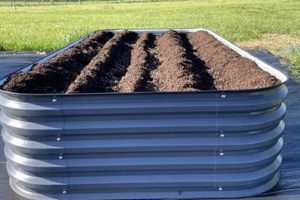
Structure elevation enables the creation of a custom soil profile tailored to specific plant needs. This is achieved by using a prepared soil mix within the raised structure. Elevation also promotes superior drainage, preventing waterlogging and associated root rot. An example includes using a mix of compost, peat moss, and perlite to create a well-draining and nutrient-rich growing medium.
- Pest and Weed Management
Elevating the growing area creates a barrier against ground-dwelling pests such as slugs and snails. It also reduces weed encroachment from surrounding areas. The controlled environment within the raised bed allows for more targeted pest and weed control measures. An example would be the application of diatomaceous earth around the base of the structure to deter crawling insects.
- Temperature Regulation and Growing Season Extension
The enclosed nature of a greenhouse, combined with the thermal mass of the elevated soil, creates a microclimate that extends the growing season. Elevated structures also warm up faster in the spring compared to in-ground gardens. This allows for earlier planting and later harvesting of crops. For example, a cold frame erected over a raised bed provides additional protection from frost, enabling the cultivation of cool-season vegetables well into the fall.
In summary, the incorporation of structure elevation in the design of a raised garden greenhouse results in a significantly enhanced and more manageable growing environment. The benefits range from improved accessibility and ergonomics to superior soil conditions and extended growing seasons. The elevated design offers a tangible advantage over traditional gardening practices, making it a preferred choice for many gardeners.
2. Climate control

Climate control constitutes an essential element within the operational framework of a raised garden greenhouse. The structure’s design aims to manipulate the internal environment, optimizing conditions for plant growth beyond what is naturally available. This is achieved through various mechanisms that regulate temperature, humidity, and light exposure, leading to extended growing seasons and the cultivation of species not typically suited to the local climate. For example, the greenhouse effect, achieved by trapping solar radiation within the enclosed space, raises the internal temperature, enabling the cultivation of warm-season crops in cooler climates. Similarly, ventilation systems prevent overheating and excessive humidity, mitigating the risk of fungal diseases and promoting healthy plant development.
Effective climate control within this horticultural system requires a multifaceted approach. The choice of glazing material, such as polycarbonate or glass, influences light transmission and heat retention. Ventilation systems, ranging from manual vents to automated fans and louvers, regulate airflow and temperature. Shading mechanisms, such as shade cloths or whitewashing, mitigate excessive heat and light intensity during peak summer months. Moreover, supplemental heating systems may be necessary to maintain optimal temperatures during colder periods. The integration of these components ensures a stable and predictable growing environment, maximizing plant productivity and quality. For instance, an automated climate control system can monitor temperature and humidity levels, adjusting ventilation and heating as needed to maintain a consistent optimal range.
In summary, climate control is integral to the function and success of a raised garden greenhouse. By manipulating environmental factors, this system enables the cultivation of a wider range of plants and extends the growing season beyond natural limitations. The effective implementation of climate control strategies, encompassing glazing selection, ventilation, shading, and heating, is crucial for optimizing plant growth and yield. Challenges in climate control include managing energy consumption and adapting to fluctuating external weather conditions. The understanding of these principles is essential for gardeners seeking to maximize the potential of this specialized growing environment.
3. Soil drainage

Adequate soil drainage is a critical factor within a raised garden greenhouse. The design of a raised structure inherently allows for greater control over soil composition and, consequently, drainage characteristics. This is in contrast to in-ground gardening where drainage is determined by the native soil conditions. Poor drainage in any growing environment can lead to waterlogged soil, creating anaerobic conditions that suffocate plant roots and foster the development of root rot diseases. In a raised garden greenhouse, this risk is mitigated through the selection of appropriate soil mixes and the structural elevation itself. For instance, a mix of peat moss, perlite, and vermiculite provides excellent drainage while retaining sufficient moisture for plant uptake. Without this control over drainage, even the benefits of climate control within the greenhouse would be undermined.
The consequences of inadequate soil drainage in a raised garden greenhouse extend beyond root health. Waterlogged soil can also hinder nutrient uptake, as roots are unable to efficiently absorb essential elements in the absence of sufficient oxygen. This can manifest as stunted growth, yellowing leaves, and reduced yields. Furthermore, excessive moisture promotes the growth of fungal pathogens that thrive in damp conditions. The raised bed itself also aids drainage. A real-world example could involve comparing two identical tomato plants in a raised greenhouse setting; one in properly draining soil, and one where drainage is poor. The plant in properly draining soil would exhibit vigorous growth and higher yields compared to the stunted and potentially diseased plant in the poorly drained soil.
In conclusion, the link between soil drainage and a raised garden greenhouse is fundamental to successful plant cultivation. The capacity to manage soil composition and drainage characteristics is a distinct advantage of this gardening method. By prioritizing well-draining soil, gardeners can ensure optimal root health, nutrient uptake, and overall plant productivity. Failure to address soil drainage challenges will negate many of the benefits offered by the controlled environment of a raised garden greenhouse. Consequently, careful attention to soil composition and drainage is paramount for realizing the full potential of this horticultural system.
4. Pest protection
Pest protection is an integral benefit derived from utilizing a raised garden greenhouse. The enclosed, elevated environment inherently reduces the likelihood of pest infestation and damage, offering a significant advantage over traditional in-ground gardening practices. The degree of protection is multifaceted, encompassing physical barriers, environmental control, and targeted intervention strategies.
- Physical Barrier Against Ground-Dwelling Pests
The elevated structure creates a physical obstacle for many ground-dwelling pests such as slugs, snails, and certain soil-borne insects, effectively limiting their access to plants. For instance, a raised bed with smooth sides prevents slugs from easily crawling upwards. This barrier effect reduces the reliance on chemical pesticides, promoting a more sustainable and environmentally friendly growing environment.
- Controlled Environment Reduces Pest Pressure
The enclosed nature of the greenhouse allows for greater control over environmental conditions, which can be manipulated to discourage pest proliferation. Regulating humidity levels, for example, can inhibit the growth of fungal diseases that often accompany pest infestations. Proper ventilation minimizes moisture buildup, further reducing the susceptibility of plants to pests and diseases. An example includes maintaining consistent airflow to prevent whiteflies from establishing a strong presence.
- Targeted Pest Management Strategies
The contained environment of a raised garden greenhouse facilitates the implementation of targeted pest management strategies with minimal impact on beneficial organisms. For example, introducing beneficial insects such as ladybugs or lacewings to control aphids is more effective in a confined space. Similarly, applying horticultural oils or insecticidal soaps directly to affected plants minimizes off-target effects on the surrounding ecosystem.
- Exclusion of Larger Pests
A well-constructed greenhouse can prevent larger pests such as rabbits, squirrels, and birds from accessing and damaging plants. Properly sealed openings and sturdy construction deter these animals, protecting vulnerable crops. For example, covering vents with fine mesh netting prevents birds from entering the greenhouse and feeding on seedlings or ripening fruit. This reduces crop losses and minimizes the need for protective measures such as fencing or netting around individual plants.
The combination of these factors physical barriers, environmental control, and targeted management contributes to effective pest protection within a raised garden greenhouse. This enhanced level of protection reduces the need for broad-spectrum pesticides, promoting a healthier ecosystem and minimizing potential harm to beneficial insects and other wildlife. The result is a more sustainable and productive gardening system, allowing for the cultivation of high-quality crops with reduced pest-related losses.
5. Extended season
The capacity to extend the growing season is a primary advantage derived from integrating the principles of raised-bed gardening with greenhouse technology. This union creates a controlled microclimate that circumvents the limitations imposed by ambient seasonal fluctuations, providing opportunities for cultivation beyond conventional planting windows.
- Early Spring Starts
The greenhouse environment allows for earlier planting of seedlings and transplants compared to open-air gardens. Soil temperatures within the raised bed warm more rapidly, fostering quicker germination and root development. For example, tomatoes, peppers, and other warm-season crops can be started several weeks earlier, providing a head start on the growing season and resulting in earlier harvests.
- Protection from Late Frosts
The enclosed structure safeguards plants from unexpected late-spring frosts, which can devastate tender seedlings and newly emerged growth. The greenhouse traps heat, maintaining a more stable temperature environment that protects plants from damaging cold snaps. This is particularly crucial in regions with unpredictable weather patterns where late frosts are common.
- Late Season Harvesting
The greenhouse environment also extends the harvest season into the late fall and early winter. The structure provides insulation, protecting plants from early frosts and allowing them to continue producing crops for a longer period. Cool-season vegetables such as lettuce, spinach, and kale can thrive well into the colder months. In milder climates, even warm-season crops can continue to produce for an extended period.
- Year-Round Cultivation Potential
In some climates, a heated raised garden greenhouse can facilitate year-round cultivation. Supplemental heating, combined with efficient insulation, maintains optimal growing temperatures throughout the winter months. This allows for the continuous production of crops such as herbs, leafy greens, and certain vegetables, providing a consistent source of fresh produce regardless of the season.
The synergistic effect of combining raised-bed gardening with greenhouse technology creates a microclimate that markedly extends the growing season. This expansion allows for earlier planting, protection from frost, late-season harvesting, and even year-round cultivation in suitable environments. The result is a more productive and sustainable gardening system capable of providing fresh produce for a greater portion of the year.
6. Accessibility

The design and implementation of a raised garden greenhouse are significantly influenced by the principle of accessibility. Accessibility, in this context, refers to the ease with which individuals can interact with and maintain the growing environment. A primary benefit of integrating accessibility into the planning of such a structure is the reduction of physical strain associated with gardening tasks. Elevated planting surfaces minimize bending, stooping, and kneeling, thereby mitigating discomfort and potential injuries, particularly for individuals with mobility limitations or pre-existing musculoskeletal conditions. A raised structure, for example, can be built to a height that allows individuals in wheelchairs or those who find it difficult to bend to comfortably tend to plants.
Beyond physical comfort, accessibility also encompasses the ease of managing the environmental controls within the greenhouse. Placement of ventilation mechanisms, irrigation systems, and shading devices should be considered with user accessibility in mind. Automated systems, while potentially more expensive, can further enhance accessibility by reducing the need for manual adjustments. For instance, automated watering systems remove the need to physically haul watering cans. Lighting and pathway design within the structure should also prioritize safety and ease of movement. Wide pathways and adequate lighting reduce the risk of slips, trips, and falls, creating a safer and more user-friendly environment. These aspects of greenhouse construction become all the more important for greenhouse operations targeting clients with mobility or other health conditions.
In summary, accessibility is not merely an added feature but a fundamental design consideration for raised garden greenhouses. Prioritizing accessibility enhances the user experience, promotes inclusivity, and extends the benefits of gardening to a wider range of individuals. Neglecting accessibility can create barriers that limit participation and diminish the long-term viability of the gardening structure. Therefore, integrating accessibility principles from the initial planning stages is crucial for maximizing the potential of a raised garden greenhouse. Understanding accessibility and associated universal design strategies is useful in greenhouse design.
Frequently Asked Questions
The following questions address common inquiries and misconceptions regarding the implementation and operation of raised garden greenhouse structures, providing concise and informative answers.
Question 1: What are the primary advantages of a raised garden greenhouse compared to traditional in-ground gardening?
A raised garden greenhouse offers improved accessibility, enhanced soil drainage, extended growing seasons, and increased protection from pests and harsh weather conditions.
Question 2: Is it necessary to have prior gardening experience to successfully operate a raised garden greenhouse?
While prior experience is beneficial, it is not essential. Success with a raised garden greenhouse primarily requires a basic understanding of plant care principles and a commitment to consistent monitoring and maintenance.
Question 3: What materials are suitable for constructing the frame of a raised garden greenhouse?
Suitable materials include treated lumber, metal, or composite materials designed for outdoor use. The selection should prioritize durability, weather resistance, and structural integrity.
Question 4: How does one effectively manage ventilation within a raised garden greenhouse?
Ventilation can be managed through manual vents, automated ventilation systems, or a combination of both. The goal is to maintain optimal temperature and humidity levels while preventing excessive heat buildup or moisture accumulation.
Question 5: What are the key considerations for selecting the appropriate soil mix for a raised garden greenhouse?
The soil mix should be well-draining, nutrient-rich, and suitable for container gardening. Amendment with compost or other organic matter is recommended to enhance fertility and water retention.
Question 6: How does one prevent pest infestations in a raised garden greenhouse without relying on harmful chemicals?
Implement integrated pest management strategies that prioritize non-chemical methods such as beneficial insects, horticultural oils, and physical barriers. Regular inspection and prompt removal of infested plant material are also crucial.
In summary, a raised garden greenhouse offers several advantages for plant cultivation. However, successful operation requires careful planning, consistent maintenance, and a commitment to sustainable gardening practices.
The subsequent section will explore advanced techniques for optimizing the performance of a raised garden greenhouse.
Conclusion
The preceding exploration of the raised garden greenhouse has illuminated the multifaceted nature of this horticultural structure. The combination of elevated planting beds and controlled climate environments presents distinct advantages for plant cultivation. Key points include enhanced accessibility, improved soil management, extended growing seasons, and increased protection from environmental stressors and pests. The efficacy of this system relies upon diligent management and a comprehensive understanding of its operational principles.
As urbanization and environmental concerns escalate, the importance of efficient and sustainable food production methods becomes increasingly pronounced. The raised garden greenhouse represents a viable solution for maximizing resource utilization and enhancing local food security. Continued research and innovation in this area are essential to optimize its design, improve its energy efficiency, and expand its applicability to diverse climates and contexts. Further development of the raised garden greenhouse is necessary to achieve sustainable agriculture objectives.