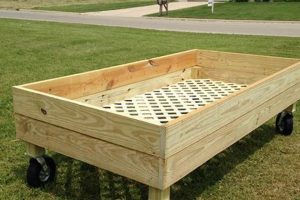
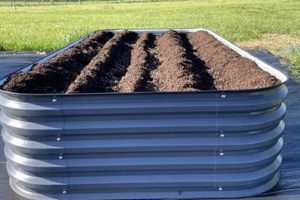
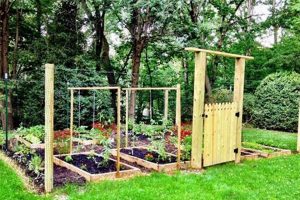
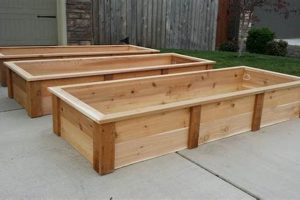
These structures are elevated garden containers, typically constructed from durable materials like galvanized steel, designed to provide an optimal environment for plant growth. Their key characteristic is the containment of soil above ground level, offering an alternative to traditional in-ground gardening. An example involves using pre-fabricated metal panels that interlock to form a rectangular or square enclosure, which is then filled with soil and used for cultivating vegetables, flowers, or herbs.
The advantage of utilizing elevated gardening structures includes improved soil drainage, reduced back strain during planting and harvesting, and protection from soil-borne pests and diseases. Historically, these systems have allowed gardening in areas with poor soil quality or limited space. They enable better control over soil composition and temperature, leading to potentially higher yields and healthier plants. Furthermore, the contained nature of the design can extend the growing season in cooler climates.
The subsequent sections will explore the specific construction methods, material choices, and gardening techniques relevant to maximizing the productivity and longevity of these garden structures. Further discussion will cover optimal soil mixtures, irrigation strategies, and pest management practices suited for this method of cultivation. Finally, the long-term benefits and maintenance considerations associated with their use will be analyzed.
Optimizing Elevated Garden Bed Performance
The following recommendations aim to enhance the functionality and longevity of elevated gardening systems, ensuring optimal plant growth and efficient resource utilization.
Tip 1: Material Selection: Prioritize galvanized steel or other rust-resistant materials for construction. This minimizes corrosion and extends the lifespan of the structure, especially in environments with high humidity or rainfall. Example: Using 16-gauge galvanized steel provides greater structural integrity compared to thinner gauges.
Tip 2: Soil Composition: Employ a well-draining soil mixture to prevent waterlogging and root rot. A combination of topsoil, compost, and peat moss or coco coir provides the necessary nutrients and aeration. Example: A blend of 1/3 topsoil, 1/3 compost, and 1/3 peat moss offers a balanced growing medium.
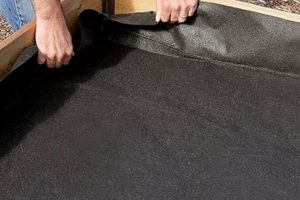
Tip 3: Drainage Implementation: Ensure adequate drainage by incorporating gravel or drainage fabric at the bottom of the bed. This prevents water accumulation and promotes healthy root development. Example: A 2-3 inch layer of gravel covered with landscape fabric facilitates proper water runoff.
Tip 4: Pest Control Measures: Utilize physical barriers, such as netting or fencing, to protect plants from pests. Companion planting and organic pest control methods can further minimize damage. Example: Surrounding the structure with marigolds can deter certain insect pests.
Tip 5: Irrigation Strategies: Implement an efficient irrigation system, such as drip irrigation or soaker hoses, to deliver water directly to the roots. This minimizes water waste and reduces the risk of fungal diseases. Example: A drip irrigation system with adjustable emitters allows for precise water distribution.
Tip 6: Structural Support: Reinforce the structure with internal bracing or external supports, particularly for larger beds. This prevents bowing or collapse due to soil pressure. Example: Installing metal cross braces across the interior of the bed provides added stability.
Tip 7: Sun Exposure Optimization: Position the structure in an area that receives adequate sunlight, typically at least six hours per day. Adjust the location as needed based on the specific light requirements of the plants being grown. Example: Orienting the bed along a north-south axis maximizes sunlight exposure throughout the day.
Adherence to these tips will contribute to the sustained productivity and aesthetic appeal of the elevated gardening system. The improved soil quality, efficient resource management, and reduced maintenance requirements will ultimately result in healthier plants and increased yields.
The subsequent section will delve into specific plant selection strategies and maintenance protocols to further optimize the utilization of this gardening method.
1. Steel Construction

Steel construction is fundamentally linked to the durability and longevity of elevated garden beds. The material’s inherent strength provides structural integrity, preventing bowing, warping, or collapse under the weight of soil and plants. Furthermore, steel’s resistance to weathering, particularly when galvanized or coated, safeguards against corrosion, a common cause of failure in outdoor structures. For instance, garden beds constructed from untreated wood may deteriorate within a few years, while steel-framed models can withstand decades of exposure to moisture and temperature fluctuations.
The specific type and gauge of steel employed directly influence the structural performance of the garden bed. Thicker steel, measured by lower gauge numbers, provides greater resistance to deformation and impact. Moreover, the method of joining steel components, whether through welding, bolting, or interlocking mechanisms, impacts overall stability. Welded joints, for example, typically offer a stronger and more permanent connection compared to bolted assemblies. The selection of appropriate steel and assembly techniques is critical for ensuring the long-term functionality of the raised garden bed.
In summary, the utilization of steel in the construction of elevated garden beds is not merely a design choice, but rather a crucial factor determining their durability, stability, and resistance to environmental degradation. Proper selection of steel type, gauge, and assembly methods is essential for realizing the full potential of this gardening system. Failure to adequately address these considerations can result in premature failure, undermining the long-term investment in the gardening structure.
2. Modular Assembly

Modular assembly constitutes a fundamental design principle influencing the adaptability, ease of installation, and customization options available in elevated gardening systems. Its implementation directly impacts the end-user experience and the ability to tailor the garden structure to specific spatial and horticultural needs.
- Adaptability to Site Constraints
Modular systems, by their nature, allow for adaptation to irregular or constrained spaces. Individual units can be combined or reconfigured to fit specific dimensions, overcoming the limitations imposed by pre-fabricated, fixed-size structures. For example, modular raised beds can be arranged around existing landscaping features or configured to maximize sunlight exposure in narrow areas.
- Ease of Transportation and Handling
Modular components are typically smaller and lighter than fully assembled structures, facilitating transportation and handling. This reduces logistical challenges and allows for easier assembly by individuals with limited physical strength or experience. Consider a scenario where multiple smaller panels are manageable compared to a single, large, unwieldy piece.
- Scalability and Expandability
The modular design enables scalability, allowing gardeners to expand or modify their garden space as needed. Additional units can be added to increase the growing area, or existing configurations can be altered to accommodate different plant varieties or landscaping designs. An initial small garden can be readily enlarged as gardening skills and interests develop.
- Simplified Repair and Maintenance
In the event of damage to a single component, modular systems facilitate easier repair or replacement. Individual sections can be replaced without requiring the dismantling or disposal of the entire structure, minimizing downtime and reducing overall maintenance costs. For instance, if one panel is damaged, only that panel needs replacement, preserving the integrity of the rest of the structure.
The inherent flexibility afforded by modular assembly directly contributes to the practicality and widespread adoption of elevated gardening systems. By addressing common challenges associated with space limitations, ease of handling, scalability, and maintenance, this design approach enhances the overall gardening experience and promotes sustainable horticultural practices.
3. Pest Resistance

Pest resistance, in the context of elevated gardening systems, represents a critical factor influencing plant health, yield, and the overall success of horticultural endeavors. These systems, when properly designed and maintained, inherently offer a degree of protection against various pests, reducing reliance on chemical interventions and promoting sustainable gardening practices. The following details elucidate key aspects of pest resistance in relation to this gardening method.
- Physical Barrier Protection
The elevated nature of the bed creates a physical barrier that impedes access for many ground-dwelling pests, such as slugs, snails, and certain soil-borne insects. This elevation reduces the likelihood of these pests reaching and damaging plants, particularly seedlings and low-lying foliage. For example, a border of copper tape around the perimeter can further deter slugs and snails from climbing onto the structure.
- Improved Soil Control
The contained soil environment allows for better control over soil composition and the elimination of soil-borne pests and diseases. By using sterilized soil mixes or amending existing soil with beneficial microbes, gardeners can create an environment that is less hospitable to harmful organisms. This contrasts with in-ground gardening where controlling soil-borne pests can be more challenging due to their widespread presence.
- Enhanced Drainage and Aeration
Proper drainage and aeration within the bed inhibit the growth of fungal pathogens and other moisture-loving pests. Elevated beds typically provide superior drainage compared to in-ground gardens, preventing waterlogging and reducing the risk of root rot and related diseases. For example, amending the soil with perlite or vermiculite improves drainage and aeration, creating a less favorable environment for fungal growth.
- Easier Pest Monitoring and Removal
The compact size and accessibility of elevated beds facilitate easier monitoring for pest infestations. Gardeners can readily inspect plants for signs of damage and manually remove pests, such as aphids or caterpillars, before they cause significant harm. This early detection and intervention can prevent widespread infestations and minimize the need for chemical treatments.
These aspects of pest resistance collectively contribute to a healthier and more productive gardening environment. By leveraging the inherent advantages of elevated gardening systems, gardeners can significantly reduce their reliance on pesticides and promote sustainable, environmentally friendly horticultural practices. The integrated approach, combining physical barriers, soil management, drainage control, and diligent monitoring, provides a comprehensive strategy for minimizing pest damage and maximizing plant health.
4. Soil Management

Soil management is a critical determinant of success when utilizing elevated garden beds. The contained environment necessitates careful consideration of soil composition, nutrient availability, and water retention characteristics. Unlike in-ground gardening where plants can access nutrients and water from a wider soil profile, elevated beds rely entirely on the soil mixture provided within the structure. The type of soil directly impacts plant growth, root development, and overall productivity. For instance, a soil mixture lacking adequate drainage can lead to root rot, while a nutrient-deficient soil will result in stunted growth and reduced yields.
Effective soil management in elevated garden beds involves selecting appropriate soil components and implementing strategies to maintain soil health. A common practice is to create a soil blend consisting of topsoil, compost, and a drainage amendment such as perlite or vermiculite. Compost provides essential nutrients and improves soil structure, while perlite enhances drainage and aeration. Regular soil testing is recommended to monitor nutrient levels and pH, allowing for targeted amendments to correct any imbalances. For example, if soil tests indicate a nitrogen deficiency, adding blood meal or composted manure can replenish this essential nutrient. Over time, soil within elevated beds may become compacted or depleted of nutrients, requiring periodic replacement or rejuvenation.
In conclusion, soil management is integral to maximizing the benefits of elevated garden beds. By carefully selecting soil components, monitoring nutrient levels, and implementing appropriate amendments, gardeners can create a thriving environment for plant growth. Neglecting soil management can lead to poor plant health, reduced yields, and increased susceptibility to pests and diseases. The proactive approach to soil management ensures the sustained productivity and aesthetic appeal of elevated gardening systems.
5. Ergonomic Design

Ergonomic design principles are fundamentally relevant to the practical application and user experience associated with elevated gardening systems. Incorporating ergonomic considerations into the design and construction of these structures directly impacts accessibility, physical strain reduction, and overall user comfort during gardening activities. The following details outline key facets of ergonomic design in relation to elevated beds.
- Optimized Working Height
A primary ergonomic benefit is the adjustable working height, minimizing the need for bending, stooping, or kneeling. This reduces strain on the back, knees, and hips, making gardening more accessible to individuals with mobility limitations or age-related physical challenges. Elevated beds typically range from 24 to 36 inches in height, providing a comfortable working surface for a majority of users. For example, individuals with back pain often find elevated beds allow them to continue gardening without exacerbating their condition.
- Reduced Reach Distance
Ergonomic design minimizes the distance required to reach plants and soil within the bed. A shallower bed depth reduces the need to stretch or strain to access the center, enhancing comfort and reducing the risk of muscle fatigue. For instance, beds with a width of no more than 4 feet allow most individuals to easily reach all areas without overextending themselves.
- Accessible Design Considerations
Ergonomic design may incorporate features that specifically cater to individuals with disabilities. This can include providing ample space around the bed for wheelchair maneuverability, using lightweight materials for easy assembly and modification, and incorporating tactile cues to aid visually impaired gardeners. For example, raised beds with ramp access and textured surfaces promote inclusivity and accessibility for all users.
- Tool Accessibility and Storage
The design can facilitate easy access to gardening tools and supplies. Incorporating storage shelves or tool hangers within or adjacent to the bed allows gardeners to keep essential items readily available, reducing the need to bend or walk long distances to retrieve them. For example, a built-in shelf beneath the bed can store watering cans, hand tools, and other gardening necessities, minimizing clutter and enhancing efficiency.
These ergonomic design considerations collectively contribute to a more comfortable, accessible, and enjoyable gardening experience. By minimizing physical strain and optimizing usability, these features promote sustainable gardening practices and enhance the benefits of elevated beds for a wide range of individuals. The investment in ergonomic design translates to improved user satisfaction, reduced risk of injury, and increased long-term engagement with gardening activities.
Frequently Asked Questions About Elevated Steel Garden Beds
This section addresses common inquiries regarding the selection, use, and maintenance of elevated steel garden beds, providing factual and objective information to assist prospective and current users.
Question 1: What are the primary advantages of using steel in the construction of raised garden beds?
Steel offers superior durability and resistance to weathering compared to alternative materials like wood or plastic. Galvanized steel, in particular, provides protection against corrosion, extending the lifespan of the garden bed and minimizing the need for replacement.
Question 2: Is assembly of a steel raised garden bed a complex process?
Many steel raised garden beds feature a modular design, facilitating straightforward assembly. Typically, the process involves connecting pre-cut panels using bolts or screws, following instructions provided by the manufacturer. Specialized tools are generally not required.
Question 3: Are there any concerns regarding the potential for soil contamination from the steel used in these garden beds?
Reputable manufacturers utilize food-grade or powder-coated steel, minimizing the risk of harmful substances leaching into the soil. Galvanized steel is generally considered safe for gardening, as the zinc coating provides a barrier between the steel and the soil.
Question 4: How does an elevated steel garden bed contribute to pest control?
The elevated design acts as a physical barrier, deterring many ground-dwelling pests, such as slugs and snails. Furthermore, the contained soil environment allows for better control over soil composition, reducing the risk of soil-borne pests and diseases.
Question 5: What type of soil is best suited for use in a steel raised garden bed?
A well-draining soil mix is recommended, typically consisting of topsoil, compost, and a drainage amendment such as perlite or vermiculite. The specific proportions may vary depending on the types of plants being grown and the local climate.
Question 6: How does one maintain a steel raised garden bed to ensure its longevity?
Regular inspection for signs of rust or damage is recommended. Cleaning the surface with a mild detergent and water can help prevent the accumulation of dirt and debris. Applying a protective coating, such as a sealant, can further extend the lifespan of the garden bed.
The appropriate selection, assembly, and maintenance of steel raised garden beds contribute significantly to their effectiveness and longevity. Understanding these key considerations promotes successful gardening outcomes.
The subsequent section will delve into the environmental considerations associated with the use of steel raised garden beds.
Conclusion
The preceding analysis has explored various facets of elevated steel garden beds, highlighting key aspects related to material selection, construction techniques, pest resistance, soil management, and ergonomic design. These structures, exemplified by the “birdie raised garden bed,” offer distinct advantages in controlled cultivation environments, promoting increased yields and reduced maintenance demands. Steel construction ensures durability and longevity, while modular assembly provides adaptability to diverse spatial requirements. Appropriate soil management and pest control strategies are crucial for maximizing plant health and minimizing reliance on chemical interventions. Ergonomic considerations enhance user accessibility and reduce physical strain during gardening activities.
Ultimately, the informed selection and diligent maintenance of elevated steel garden beds contribute to sustainable gardening practices and promote enhanced horticultural outcomes. Continued research and innovation in materials science and design will further optimize the performance and longevity of these systems, solidifying their role in both residential and commercial agricultural applications. The successful implementation of these techniques relies on a commitment to best practices and a thorough understanding of the specific environmental and horticultural requirements of the intended planting area. The integration of these considerations will ensure the continued relevance of these structures in promoting efficient and sustainable food production.