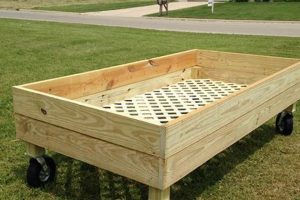
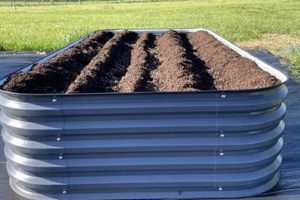
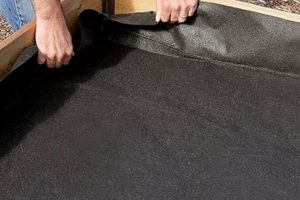
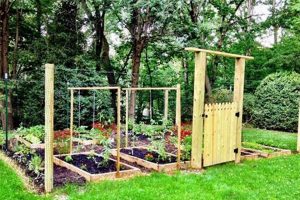
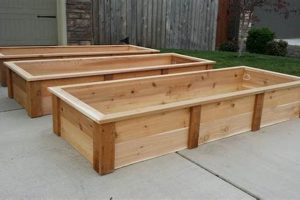
Employing a barrier material inside a constructed soil container serves to separate the soil from the frame. An example includes placing a sheet of polyethylene plastic against the inner walls of a wooden structure intended for growing plants.
This practice extends the lifespan of the structural components, particularly when using wood, by preventing prolonged direct contact with moist soil. It can also assist in regulating soil moisture levels and prevent the leaching of soil nutrients into the surrounding environment. Historically, diverse materials have been used for this purpose, ranging from natural substances like clay to modern synthetics.
The subsequent discussion will address suitable materials, installation techniques, and the potential advantages and disadvantages of this common gardening practice.
Tips for Interior Barrier Installation in Elevated Garden Structures
Optimal implementation of an internal barrier within a soil containment structure necessitates careful consideration of material selection and installation methodology. The following guidelines promote longevity and functionality.
Tip 1: Select Durable Materials: Employ materials resistant to degradation from moisture and soil contact. Polyethylene sheeting, specifically designed for garden applications, offers a cost-effective and readily available option. Avoid thin, flimsy plastics prone to tearing.
Tip 2: Ensure Proper Drainage: While creating a barrier, maintain adequate drainage. Perforate the material at the base to allow excess water to escape, preventing waterlogging and potential root rot.
Tip 3: Secure the Material: Affix the chosen material firmly to the inner walls of the structure. Staples, tacks, or construction adhesives can be utilized to prevent shifting or displacement during soil placement and subsequent plant growth.
Tip 4: Overlap Seams Adequately: When joining sections of material, ensure a sufficient overlap to prevent soil intrusion between the seams. A minimum overlap of six inches is recommended.
Tip 5: Consider the Soil Type: The selection of material should align with the intended soil composition. Highly acidic soils may necessitate more robust, chemically resistant barrier options.
Tip 6: Inspect Regularly: Periodically inspect the barrier for signs of damage or degradation. Promptly repair any breaches to maintain its integrity and effectiveness.
Tip 7: Account for Expansion and Contraction: During installation, allow for slight expansion and contraction of the material due to temperature fluctuations. This prevents undue stress and potential tearing.
Adhering to these recommendations will contribute to the extended lifespan of the garden structure and promote a healthy growing environment.
The subsequent section will delve into the long-term maintenance and replacement considerations for internal barrier systems.
1. Material Durability

The longevity and efficacy of an interior barrier system within a raised garden bed are intrinsically linked to the inherent durability of the material employed. Premature degradation of the barrier compromises its intended functions, leading to potential structural damage and soil contamination.
- Resistance to Moisture Degradation
The primary function of the barrier is to isolate the frame of the raised bed from constant moisture exposure. Materials susceptible to rot, mildew, or hydrolysis will fail prematurely, negating the protective benefit. High-density polyethylene (HDPE) and similar synthetics exhibit superior moisture resistance compared to natural materials like untreated wood or fabric.
- Resistance to Chemical Breakdown
Soil contains a variety of organic acids and compounds that can degrade certain materials over time. The barrier material should demonstrate resilience to these chemical assaults. Some plastics are particularly susceptible to breakdown from specific fertilizers or soil amendments, leading to the release of potentially harmful chemicals into the soil.
- Puncture and Tear Resistance
The barrier must withstand the physical stresses imposed by soil compaction, root growth, and gardening activities. Thin or brittle materials are prone to puncture or tearing, compromising their integrity. Reinforced materials, such as those with interwoven fibers, offer increased resistance to physical damage.
- UV Radiation Stability
Raised garden beds are often exposed to direct sunlight, which can degrade many materials over time. UV radiation causes embrittlement and cracking, reducing the barrier’s effectiveness. UV-resistant materials, or those treated with UV inhibitors, are essential for prolonged outdoor use.
The selection of a durable material is paramount to maximizing the lifespan and minimizing the maintenance requirements of a raised garden bed. Failure to prioritize material durability can result in costly repairs or premature failure of the entire structure, negating the initial investment in the system.
2. Drainage Requirements

The proper functioning of a raised garden bed is directly dependent on its drainage capabilities, which are intrinsically linked to the practice of internal lining. A lining material, while serving to protect the structure of the bed, can impede water flow if not properly managed. This creates a potential for waterlogged soil, detrimental to plant health due to oxygen deprivation at the root zone. Excess moisture also fosters conditions conducive to fungal diseases and root rot, ultimately reducing plant productivity or causing complete crop failure. The material utilized, and its method of installation, must therefore accommodate the necessary movement of water through the soil profile.
Examples illustrating the importance of drainage include instances where impermeable liners, such as solid plastic sheeting without perforations, have been installed improperly. In such cases, rainwater and irrigation water accumulate within the bed, creating an anaerobic environment. Conversely, the use of geotextiles or fabrics designed to allow water permeation, coupled with strategically placed drainage holes in the liner, promotes healthy soil conditions. Furthermore, the composition of the soil itself is a critical factor; a heavy clay soil will require more extensive drainage provisions than a sandy loam.
In summary, while internal linings offer significant benefits in terms of structural preservation and soil containment, their implementation must be carefully considered in the context of drainage requirements. Failure to adequately address drainage can negate the advantages of a raised bed system and lead to significant horticultural challenges. The selection of appropriate lining materials, coupled with meticulous installation practices that facilitate water flow, are crucial for ensuring a thriving and sustainable raised garden environment.
3. Structural Protection

The application of a barrier material within a raised garden bed directly contributes to the long-term structural integrity of the container. The primary cause of degradation in raised beds constructed from wood or metal is prolonged exposure to moisture and soil contact. The presence of damp soil against the interior surfaces fosters conditions conducive to rot, corrosion, and eventual structural failure. The implementation of a suitable internal barrier mitigates these effects by physically separating the soil from the structural components. This separation reduces direct contact with moisture and the chemical constituents present in the soil, thereby extending the lifespan of the bed. Real-world examples abound, where untreated wooden raised beds, lacking a protective lining, exhibit significant decay within a few growing seasons, necessitating costly repairs or complete replacement. The practical significance of understanding this connection lies in proactively safeguarding the investment in the raised garden bed structure.
Consider the scenario of a raised bed constructed from cedar, a naturally rot-resistant wood. While cedar possesses inherent durability, constant contact with moist soil still accelerates its decomposition. A polyethylene liner, properly installed, prevents this direct contact, preserving the cedar and significantly prolonging the bed’s useful life. Similarly, metal raised beds are susceptible to corrosion when exposed to soil and water. A liner acts as a barrier, preventing the electrochemical reactions that lead to rust and eventual structural weakening. Furthermore, certain soil amendments, such as those containing high levels of sulfur, can exacerbate corrosion. The internal barrier provides an additional layer of protection against these potentially damaging compounds.
In conclusion, the incorporation of an appropriate internal lining constitutes a crucial element in ensuring the structural longevity of a raised garden bed. The proactive measure of separating the soil from the frame minimizes moisture exposure and chemical interactions, thereby mitigating the primary causes of material degradation. While material selection, drainage considerations, and proper installation are essential components, the fundamental principle of structural protection underscores the importance of adopting this practice to maximize the lifespan and economic value of the raised bed system.
4. Root Containment

Internal barriers within elevated gardening structures directly impact root management, influencing plant health and preventing unwanted spread. The implementation of a lining system affects root development patterns and restricts encroachment into surrounding soil.
- Prevention of Invasive Species Spread
The use of an internal layer within a raised garden bed effectively contains the root systems of plants known for aggressive spreading habits. Without such containment, rhizomes and other root structures can extend beyond the confines of the bed, potentially disrupting adjacent garden areas or even damaging infrastructure. Mint, bamboo, and certain types of grasses exemplify species that benefit from restricted root zones.
- Optimized Nutrient Availability
Confining root systems to a defined volume of soil allows for more efficient nutrient management. Fertilizers and soil amendments are concentrated within the root zone, minimizing waste and maximizing uptake by the desired plants. This is particularly beneficial in situations where soil quality is poor or where specific nutrient requirements must be met. The barrier prevents nutrients from leaching into the surrounding native soil, ensuring that they remain accessible to the cultivated plants.
- Control of Soilborne Diseases
Internal barriers can assist in controlling the spread of soilborne diseases. By creating a physical separation between the soil within the raised bed and the surrounding native soil, the risk of disease transmission is reduced. This is particularly relevant in areas with a history of soilborne pathogens or where susceptible plant varieties are being cultivated. Furthermore, if disease does occur within the bed, the barrier helps to prevent its spread to other parts of the garden.
- Facilitation of Specialized Soil Requirements
Certain plant species require specific soil conditions, such as a particular pH level or drainage characteristic. A lined raised garden bed allows for the creation of a localized environment tailored to the needs of these plants, irrespective of the surrounding soil composition. For example, acid-loving plants, such as blueberries or azaleas, can be grown in a bed lined to prevent alkaline soil from influencing the root zone. This localized control enables the cultivation of a wider range of species than would otherwise be possible.
Therefore, internal root containment serves as a crucial element in optimizing growing conditions and maintaining garden organization. The careful selection of barrier materials and their proper installation ensures effective control over root systems, contributing to the overall health and productivity of the garden.
5. Weed suppression

The strategic implementation of a barrier material within a raised garden bed significantly impedes weed proliferation. Weed seeds, ubiquitous in the environment, are readily dispersed by wind, water, and animal vectors. When these seeds land on the soil surface within a raised bed, they germinate and compete with cultivated plants for essential resources such as light, water, and nutrients. The introduction of a physical barrier, strategically positioned between the soil and the base or sides of the bed, effectively minimizes weed encroachment from underlying or adjacent soil sources. This is particularly critical in situations where the raised bed is situated atop weed-infested ground or adjacent to unmanaged areas prone to weed growth. The effectiveness of this strategy relies on the selection of an appropriate material that is both impermeable to weed seeds and durable enough to withstand the rigors of the growing environment.
The practical benefits of weed suppression within raised garden beds extend beyond mere aesthetic considerations. Reduced weed competition directly translates to improved growth and yield of desired crops. Weeds, if left unchecked, can quickly dominate a planting area, outcompeting cultivated plants for resources, ultimately leading to stunted growth, reduced flowering, and diminished fruit production. Furthermore, manual weed removal is a labor-intensive and time-consuming task. By minimizing weed growth through the strategic use of a barrier material, gardeners can significantly reduce the amount of time and effort required for garden maintenance. This allows for greater focus on other essential gardening practices, such as watering, fertilizing, and pest control. Real-world examples demonstrate the efficacy of this approach, with gardeners reporting substantial reductions in weed pressure and corresponding improvements in crop performance following the installation of an appropriate barrier material. For instance, raised beds lined with landscape fabric or heavy-duty plastic sheeting exhibit significantly fewer weeds compared to unlined beds, resulting in healthier plants and higher yields.
In summary, the deliberate integration of weed suppression measures into the construction and maintenance of raised garden beds is a crucial aspect of successful gardening. The strategic use of barrier materials, such as landscape fabric or plastic sheeting, effectively minimizes weed encroachment, reduces competition for resources, and lessens the labor required for garden maintenance. While the selection of appropriate materials and installation techniques is paramount, the fundamental principle of weed suppression underscores the importance of proactively addressing this common gardening challenge to ensure optimal plant health and productivity. The integration of the interior barriers gives a solid foundation for minimizing weed growth and maintaining healthy plants.
6. Soil stabilization
The utilization of an internal barrier within a raised garden bed contributes directly to soil stabilization. Without such a barrier, several factors can lead to soil erosion and loss of structural integrity, negatively impacting plant health and requiring frequent replenishment. Water runoff, both from rainfall and irrigation, can carry away fine soil particles, leading to compaction and reduced aeration. This process is exacerbated in raised beds due to their elevated position and exposed soil surface. The presence of a liner, particularly one that extends above the soil line, physically prevents the direct washing away of soil during precipitation events or watering. It also helps to maintain a more consistent moisture level within the soil, reducing the cycle of expansion and contraction that can destabilize the soil structure. Examples of this effect are evident in unlined raised beds, where the soil level often diminishes significantly over time, particularly along the edges, necessitating the addition of more soil to maintain optimal growing conditions.
Moreover, the barrier’s role extends beyond simply preventing physical erosion. It also influences the biological activity within the soil. By maintaining a more stable moisture and temperature environment, the liner promotes a healthier population of beneficial microorganisms. These microorganisms, in turn, contribute to soil structure by binding soil particles together and improving aeration. Furthermore, the liner can help to prevent the intrusion of undesirable elements, such as weed seeds or soilborne pathogens, from the surrounding native soil, further contributing to a stable and healthy soil environment. A practical application of this understanding is in the construction of raised beds on slopes or in areas prone to flooding. In such situations, the use of a robust liner is essential to prevent soil loss and maintain the structural integrity of the bed. The liner should be carefully installed to ensure proper drainage and prevent the accumulation of water, which can also destabilize the soil.
In summary, the link between internal barriers in raised garden beds and soil stabilization is multifaceted and significant. The liner acts as a physical barrier against erosion, promotes a more stable soil environment, and supports beneficial microbial activity. Addressing the issue of soil stabilization proactively leads to healthier plant growth, reduced maintenance requirements, and a longer lifespan for the raised garden bed structure. The proactive utilization of internal barriers is an effective method for maintaining the integrity of the soil within, and ensuring the long-term success of the garden.
Frequently Asked Questions
The following elucidates common inquiries regarding the implementation of internal barriers within raised garden beds, offering guidance on best practices and clarifying potential misconceptions.
Question 1: Is an interior layer always necessary for elevated soil containers?
The necessity of an interior layer depends primarily on the construction material of the bed and the intended lifespan. Wooden structures, particularly those not constructed from naturally rot-resistant species, benefit significantly from the added protection. Metal structures may also benefit to prevent corrosion. The need is less critical for inherently durable materials like concrete or certain plastics, though a barrier may still be desirable for weed suppression or root containment.
Question 2: What materials are suitable for use as an internal barrier?
Several materials can function effectively. High-density polyethylene (HDPE) sheeting is a common and cost-effective choice. Landscape fabric provides a more breathable option, allowing for better drainage. For longer-term applications, consider thicker, more durable materials like pond liner or specialized geotextiles. Avoid thin, flimsy plastics that are prone to tearing.
Question 3: Does an internal layer impede drainage?
An improperly installed barrier can indeed impede drainage. It is crucial to incorporate drainage holes into the material, particularly at the base of the bed, to allow excess water to escape. The number and size of the holes will depend on the soil type and the expected rainfall. Consider using a permeable material like landscape fabric to promote better overall drainage.
Question 4: How is an internal barrier properly installed?
Installation typically involves securing the chosen material to the interior walls of the raised bed using staples, tacks, or construction adhesive. Ensure the material fits snugly against the walls and extends slightly above the soil line. Overlap seams generously to prevent soil intrusion. Remember to create drainage holes before securing the material in place.
Question 5: Can recycled materials be used as an internal barrier?
While repurposing materials is generally encouraged, caution is advised when using recycled materials as internal barriers. Ensure the material is free of harmful chemicals or contaminants that could leach into the soil. Avoid using materials that are likely to degrade rapidly or that may not provide adequate protection. Select materials specifically designed for gardening applications whenever possible.
Question 6: How often should an internal barrier be replaced?
The lifespan of an internal barrier varies depending on the material used and the environmental conditions. Inspect the barrier periodically for signs of damage or degradation, such as tears, punctures, or significant discoloration. A compromised barrier should be replaced promptly to maintain its effectiveness. High-quality materials, properly installed, can last for several years.
The correct selection and installation of an internal barrier can markedly improve the performance and longevity of raised garden beds. Careful consideration of material properties and drainage requirements is essential.
The next section will address maintenance and long-term care considerations.
Conclusion
The preceding analysis has elucidated the multifaceted benefits and critical considerations associated with employing an interior barrier to line a raised garden bed. Effective implementation extends the lifespan of the structural components, regulates soil moisture, optimizes nutrient retention, facilitates root containment, suppresses weed proliferation, and stabilizes the soil profile. Selection of appropriate materials, coupled with meticulous installation techniques that prioritize drainage, are paramount to realizing these advantages. Failure to address these factors can negate the intended benefits, leading to structural degradation, compromised plant health, and increased maintenance demands.
Therefore, the informed application of an internal barrier represents a crucial element in the design and maintenance of a sustainable and productive raised garden bed system. Continued research and refinement of barrier materials and installation methodologies will further enhance the efficacy and longevity of this essential gardening practice, contributing to more resilient and rewarding horticultural endeavors.