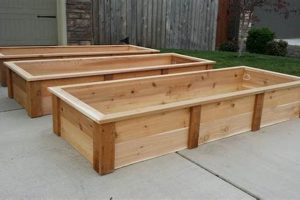
![Secure Raised Beds: Corner Brace Solutions [DIY Guide]](data:image/svg+xml;base64,PHN2ZyB4bWxucz0iaHR0cDovL3d3dy53My5vcmcvMjAwMC9zdmciIHdpZHRoPSI0NzQiIGhlaWdodD0iMTAwIiB2aWV3Qm94PSIwIDAgNDc0IDEwMCI+PHJlY3Qgd2lkdGg9IjEwMCUiIGhlaWdodD0iMTAwJSIgc3R5bGU9ImZpbGw6I2NmZDRkYjtmaWxsLW9wYWNpdHk6IDAuMTsiLz48L3N2Zz4= "Secure Raised Beds: Corner Brace Solutions [DIY Guide] The Ultimate Gardening Guide: Grow a Thriving Garden Year-Round")
A structural component utilized to reinforce the junctions of elevated planting containers, typically constructed from wood or composite materials. These components provide added stability and prevent deformation of the structure over time. For example, a metal bracket affixed to the interior corners of a wooden planter provides resistance against outward pressure from soil and plant matter.
The incorporation of such reinforcement elements offers several advantages. The longevity of the raised bed is extended, mitigating the risk of collapse due to weathering, soil pressure, or physical impact. Historically, gardeners have employed various methods to bolster the corners of these structures, ranging from simple wooden stakes to more elaborate metalwork. Modern solutions offer enhanced durability and ease of installation.
The subsequent discussion will delve into the different types available, materials used in their construction, installation techniques, and considerations for selecting the most appropriate option based on specific needs and environmental factors.
Enhancement Strategies for Elevated Planting Containers
The following provides essential strategies to optimize the structural integrity of raised garden beds.
Tip 1: Material Compatibility: Select reinforcement elements whose composition is compatible with the primary construction material of the planter. Galvanized steel is a suitable choice for treated lumber, while stainless steel offers enhanced corrosion resistance for cedar or redwood.
Tip 2: Proper Sizing: Determine appropriate dimensions of the reinforcement based on the size and depth of the planting container. Larger, deeper beds necessitate more substantial reinforcement.
Tip 3: Secure Attachment: Employ fasteners appropriate for the materials involved. Screws offer superior holding power compared to nails, particularly in wood construction. Pre-drilling pilot holes can prevent splitting.
Tip 4: Internal vs. External Placement: Consider the aesthetic implications of external placement versus the potential space reduction of internal placement. Internal placement may be preferable in smaller beds.
Tip 5: Soil Contact Considerations: If the reinforcement will be in direct contact with soil, ensure it is treated or constructed from a material resistant to corrosion and degradation.
Tip 6: Weight Distribution: Arrange the reinforcement elements to distribute the weight of the soil evenly across the structure. This minimizes stress on any single point.
Tip 7: Regular Inspection: Periodically examine the reinforcement for signs of corrosion, loosening, or structural failure. Address any issues promptly to prevent further damage.
Implementing these strategies ensures the prolonged stability and functionality of the planting container.
The subsequent section will explore common issues related to the structural integrity of raised garden beds and their corresponding solutions.
1. Material Durability

Material durability represents a critical factor in determining the lifespan and performance of reinforcement elements used in elevated planters. The selection of appropriate materials directly impacts the structure’s ability to withstand environmental stressors and maintain its integrity over time. Considerations extend beyond initial cost, encompassing long-term maintenance and replacement expenses.
- Corrosion Resistance
Corrosion is a primary cause of failure in metal reinforcement elements. Materials such as galvanized steel, stainless steel, and powder-coated metals offer varying degrees of resistance to rust and degradation caused by moisture, soil acidity, and fertilizers. For instance, a mild steel bracket will corrode rapidly in contact with damp soil, compromising its structural integrity, whereas a stainless steel alternative will exhibit significantly greater longevity.
- Weathering Properties
Materials exposed to the elements must withstand fluctuations in temperature, humidity, and ultraviolet radiation. Certain plastics and composites are susceptible to UV degradation, leading to brittleness and cracking. Similarly, untreated wood is vulnerable to rot and insect infestation. Selecting materials with inherent weathering resistance is crucial for long-term performance. An example includes using pressure-treated lumber or naturally rot-resistant species like cedar for wooden reinforcements.
- Load-Bearing Capacity Over Time
The chosen material must maintain its load-bearing capacity under sustained stress. Fatigue can occur in materials subjected to repeated loading and unloading, weakening the structure over time. Finite Element Analysis (FEA) can predict the long-term performance of different materials under expected load conditions. For example, an undersized or poorly designed plastic component might deform or fracture under the weight of soil and plants, necessitating replacement.
- Chemical Inertness
Interaction with soil amendments, fertilizers, and pesticides can affect the durability of certain materials. Some chemicals can accelerate corrosion or cause degradation in plastics. Selecting materials that are chemically inert or resistant to the specific substances used in the garden is essential. For example, using certain copper-based fungicides in conjunction with aluminum reinforcement could lead to galvanic corrosion.
The long-term cost-effectiveness of reinforcement elements for raised planters hinges significantly on the materials’ ability to resist degradation and maintain structural integrity. Neglecting material durability considerations can result in premature failure and costly repairs, underscoring the importance of informed material selection based on environmental conditions and intended use.
2. Structural Support

Structural support, provided by reinforcement elements, is paramount to the stability and longevity of raised garden beds. These elements counteract the outward forces exerted by soil and plant matter, preventing deformation and potential collapse. Proper structural design and material selection are integral to the functionality and extended use of these garden structures.
- Load Distribution
Effective load distribution ensures that the weight of the soil and plants is evenly dispersed across the entire structure. Without proper load distribution, stress concentrations can occur at specific points, leading to premature failure. Reinforcement elements, correctly positioned, mitigate these stress concentrations. An example is the use of multiple brackets along each corner to distribute the load along the entire length of the joint, rather than a single point.
- Resistance to Deformation
Deformation, such as bowing or bulging of the planter walls, can compromise the structural integrity and aesthetic appeal. Reinforcement elements provide resistance against these deformations. For example, strategically placed internal or external brackets prevent the outward pressure of the soil from causing the planter walls to bow. The selection of rigid materials, such as steel, further enhances this resistance.
- Joint Stabilization
Joints, where the individual components of the planter are connected, represent vulnerable points susceptible to failure. Reinforcement elements serve to stabilize these joints, maintaining their integrity under stress. This is particularly relevant in wooden planters where screws or nails may loosen over time. An illustration is the use of metal brackets to reinforce the corners of a wooden planter, preventing separation of the wood panels.
- Prevention of Soil Loss
Structural failures, such as collapsing walls or separating joints, can lead to soil loss. This not only impacts the aesthetic appearance of the garden but also compromises the growing environment for plants. Robust reinforcement elements prevent these failures, ensuring that the soil remains contained within the planter. An example involves reinforcing the base of the planter to prevent the bottom panels from detaching and spilling soil.
These facets of structural support highlight the importance of proper reinforcement in maintaining the integrity and functionality of raised garden beds. The selection and installation of these elements must consider the specific needs of the garden and the materials used in the planter’s construction to ensure long-term stability and prevent costly repairs.
3. Installation Method

The methodology employed to affix reinforcement elements to elevated planting containers directly influences their effectiveness and longevity. A properly executed installation ensures secure attachment, optimal load distribution, and resistance to environmental factors, thereby maximizing the structural integrity of the raised garden bed.
- Fastener Selection
The type of fastener utilized screws, bolts, or nails significantly impacts the strength and durability of the connection. Screws, particularly those designed for exterior use, offer superior holding power compared to nails, especially in wooden structures. Bolts, combined with washers, provide enhanced clamping force and are appropriate for heavier loads. The selection should consider the materials being joined and the anticipated stress on the connection. An example is using stainless steel screws when attaching metal reinforcement to treated lumber to prevent corrosion and subsequent loosening of the joint.
- Pre-Drilling and Pilot Holes
Pre-drilling pilot holes, particularly in wood, prevents splitting and ensures a cleaner, more secure connection. This practice is essential when using screws or bolts, as it reduces the stress on the wood fibers during insertion. A pilot hole slightly smaller than the fastener’s core diameter allows for a tight fit without compromising the wood’s structural integrity. Neglecting this step can lead to weakened joints and premature failure of the reinforcement.
- Alignment and Positioning
Correct alignment and positioning of the reinforcement are crucial for optimal load distribution. Misaligned elements can create stress concentrations and reduce the overall effectiveness of the support system. Careful measurement and marking are necessary to ensure that the reinforcement is placed symmetrically and in accordance with the structural design. For example, ensuring that reinforcement brackets are positioned at equal distances from the corner of the bed, and aligned vertically, guarantees even distribution of force.
- Sealing and Weatherproofing
To protect the reinforcement and the surrounding materials from moisture damage, sealing and weatherproofing are critical. Applying a sealant to the joints and around the fasteners prevents water intrusion, which can lead to corrosion and rot. The selection of an appropriate sealant should consider the materials involved and the environmental conditions. An example includes using a waterproof sealant around screws attaching metal reinforcement to wood, to prevent moisture from penetrating the wood and causing decay.
The successful integration of reinforcement elements relies not only on the inherent properties of the materials but also on the meticulous execution of the installation process. Adhering to best practices, such as selecting appropriate fasteners, pre-drilling pilot holes, ensuring correct alignment, and providing adequate sealing, is essential for maximizing the structural support and extending the lifespan of elevated planting containers.
4. Load Distribution

The efficacy of structural reinforcement in elevated planting containers is intrinsically linked to the principles of load distribution. Reinforcement elements, such as those designed for corners, serve to redistribute the forces exerted by the soil and its contents. Without adequate distribution, these forces concentrate at specific points, typically the corners, potentially leading to deformation or structural failure. The incorporation of appropriately sized and positioned elements mitigates these risks by transferring loads across a wider surface area. For instance, a bracket affixed to the interior corner of a wooden bed diffuses the outward pressure, preventing the separation of the side panels. The direct consequence of inadequate load distribution is a reduction in the lifespan and structural integrity of the planting container.
Effective load distribution also extends to the choice of materials and the method of attachment. A rigid reinforcement element, such as a steel bracket, provides greater resistance to bending and deformation compared to a more flexible material. Similarly, the use of multiple fasteners, strategically placed, ensures that the load is evenly distributed across the connection. Consider a scenario where a single, undersized screw is used to secure a bracket: the force concentrates at this single point, increasing the risk of failure. Conversely, multiple screws, arranged in a pattern, distribute the force across a larger area, enhancing the stability of the connection. The placement of reinforcement elements should consider the specific dimensions and weight-bearing capacity of the planter.
In summation, the successful application of reinforcement strategies for elevated planting containers hinges on a comprehensive understanding of load distribution. The careful selection of materials, coupled with proper installation techniques, ensures that the forces exerted by the soil and plants are effectively managed. This approach extends the lifespan of the planter, reduces the risk of structural failure, and ultimately contributes to a more sustainable and aesthetically pleasing gardening environment. The challenge lies in accurately assessing the expected loads and selecting reinforcement elements that provide sufficient support and distribution, tailored to the specific characteristics of the planter and its contents.
5. Longevity Extension

The use of reinforcement elements in the construction of elevated planting containers is directly correlated with the extension of their operational lifespan. These elements, typically affixed to the corners, counteract the stresses induced by soil pressure, moisture fluctuations, and seasonal temperature variations. The absence of such reinforcement accelerates deterioration, leading to structural instability and eventual collapse. Therefore, the incorporation of corner braces represents a proactive measure to enhance the durability and long-term performance of raised garden beds. For instance, a wooden bed lacking corner reinforcement may exhibit bowing or separation at the joints within a single growing season, whereas a braced structure can withstand several years of use without significant degradation.
The selection of appropriate materials for reinforcement further influences the degree of longevity extension achieved. Galvanized steel, stainless steel, or powder-coated metals offer superior resistance to corrosion compared to untreated steel or wood. Similarly, the installation method plays a critical role; securely fastened braces, properly aligned, effectively distribute the load and prevent stress concentrations. A real-world example involves comparing two identical wooden beds, one with galvanized steel corner braces installed using screws and the other without any reinforcement. Over a five-year period, the braced bed exhibits minimal structural changes, while the unbraced bed shows significant bowing and joint separation, requiring extensive repairs or replacement. The practical significance lies in the reduced need for frequent repairs or replacements, thereby minimizing long-term costs and environmental impact.
In summary, the integration of corner braces into the design of elevated planting containers is fundamental to achieving extended operational life. These elements mitigate structural stresses, prevent deformation, and enhance overall durability. While the initial investment in reinforcement may represent an added expense, the long-term benefits, including reduced maintenance, fewer replacements, and a more stable growing environment, outweigh the initial costs. The challenge lies in selecting the appropriate materials and installation methods to maximize the effectiveness of the reinforcement, ensuring that the planting container can withstand the rigors of its intended use for an extended period.
Frequently Asked Questions
The following addresses common inquiries concerning the application and selection of reinforcement elements for raised garden beds. Accurate information ensures informed decisions and optimal performance.
Question 1: What constitutes the primary function of a Corner Brace for Raised Garden Beds?
The primary function is to provide structural stability to the corners of elevated planting containers, resisting outward forces from soil and plant matter. This prevents deformation and extends the lifespan of the structure.
Question 2: What material properties should be considered when selecting a Corner Brace for Raised Garden Beds?
Key material properties include corrosion resistance, strength, and compatibility with the planter construction materials. Galvanized or stainless steel is generally recommended for outdoor use.
Question 3: How does the size and depth of a raised garden bed influence the selection of a Corner Brace for Raised Garden Beds?
Larger and deeper beds require more substantial braces to effectively counteract the increased soil pressure. The dimensions of the brace should be proportional to the size of the container.
Question 4: What are the recommended installation techniques for a Corner Brace for Raised Garden Beds?
Secure attachment using appropriate fasteners is essential. Pre-drilling pilot holes in wood prevents splitting. Proper alignment ensures even load distribution. Sealants can be applied to prevent moisture intrusion.
Question 5: How does the placement of a Corner Brace for Raised Garden Beds, whether internal or external, affect its performance?
Internal placement can reduce usable planting space but provides a cleaner aesthetic. External placement is generally easier to install and inspect, but may be less visually appealing. Both options offer comparable structural support when properly implemented.
Question 6: What are the consequences of neglecting the use of Corner Braces for Raised Garden Beds?
Neglecting reinforcement can lead to bowing, joint separation, and eventual structural collapse of the planter. This results in soil loss, plant damage, and the need for costly repairs or replacements.
The correct utilization of reinforcement is vital for maintaining the integrity and extending the usability of elevated planters. Informed decisions regarding material selection and installation techniques are crucial for achieving optimal results.
The subsequent section will detail case studies illustrating the application of different reinforcement strategies in various gardening contexts.
Corner Brace for Raised Garden Beds
This exposition has detailed the fundamental importance of corner brace for raised garden beds in preserving the structural integrity and extending the operational lifespan of these gardening structures. Key points addressed include material selection, proper installation techniques, and the critical role of load distribution in preventing deformation and failure. A thorough understanding of these principles is essential for any individual or organization involved in the design, construction, or maintenance of elevated planting containers.
Given the significant investment often associated with establishing and maintaining raised garden beds, a proactive approach to reinforcement is a prudent measure. Prioritizing the correct application of corner brace for raised garden beds not only protects this investment but also ensures a safe and productive gardening environment for years to come. Further research and diligent implementation of these guidelines will contribute to the sustained success of both individual and community gardening initiatives.