![Best Raised Bed Garden Protection Tips [Guide]](data:image/svg+xml;base64,PHN2ZyB4bWxucz0iaHR0cDovL3d3dy53My5vcmcvMjAwMC9zdmciIHdpZHRoPSI0NzQiIGhlaWdodD0iNjUiIHZpZXdCb3g9IjAgMCA0NzQgNjUiPjxyZWN0IHdpZHRoPSIxMDAlIiBoZWlnaHQ9IjEwMCUiIHN0eWxlPSJmaWxsOiNjZmQ0ZGI7ZmlsbC1vcGFjaXR5OiAwLjE7Ii8+PC9zdmc+ "Best Raised Bed Garden Protection Tips [Guide] The Ultimate Gardening Guide: Grow a Thriving Garden Year-Round")
Safeguarding elevated planting structures involves employing strategies to mitigate threats from various environmental elements and pests. For example, covering the beds with netting or installing physical barriers can prevent damage from birds, insects, and other wildlife. Using row covers or mini-hoops are also common methods for shielding plants from frost or intense sunlight.
Preservation of these gardens is essential for ensuring healthy crop yields, extending growing seasons, and optimizing resource utilization. Historically, protecting crops has been a primary concern for agricultural practices, evolving from simple scarecrows to sophisticated climate control systems. The benefits include reduced reliance on pesticides, improved plant health, and increased food production efficiency.
The subsequent sections will delve into specific methodologies for ensuring the well-being of plants within elevated planting setups, covering topics such as pest management, weatherproofing strategies, and material selection for prolonged structural integrity, all of which contribute to a thriving and sustainable gardening environment.
Essential Strategies for Elevated Garden Preservation
This section provides practical advice on implementing effective strategies to secure and maintain elevated planting environments, ensuring optimal growth and longevity.
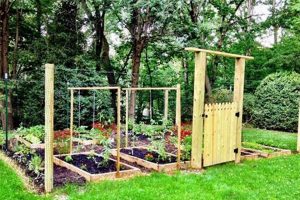
Tip 1: Implement Physical Barriers. The installation of fencing or netting around the perimeter of the raised bed prevents access by larger pests such as rabbits and deer. Selecting materials resistant to weathering ensures long-term effectiveness.
Tip 2: Utilize Row Covers. Lightweight row covers, supported by hoops, create a microclimate that shields plants from frost, excessive heat, and insect infestations. This method allows for extended growing seasons in various climates.
Tip 3: Employ Companion Planting. Strategically planting specific herbs and flowers alongside vegetables can deter pests naturally. Marigolds, for instance, repel nematodes and certain insects, reducing the need for chemical interventions.
Tip 4: Ensure Adequate Drainage. Proper drainage prevents waterlogging, which can lead to root rot and fungal diseases. Incorporating drainage layers, such as gravel or coarse sand, at the base of the raised bed is crucial.
Tip 5: Practice Crop Rotation. Rotating crops annually minimizes the build-up of soilborne diseases and pests specific to certain plant families. This practice promotes soil health and reduces the risk of infestations.
Tip 6: Regularly Inspect Plants. Routine inspection for signs of pests or diseases allows for early detection and intervention. Removing infested leaves or applying appropriate treatments promptly prevents widespread damage.
Tip 7: Apply Organic Mulch. Organic mulch, such as straw or wood chips, conserves soil moisture, suppresses weed growth, and moderates soil temperature. As it decomposes, it also enriches the soil with nutrients.
Implementing these strategies safeguards elevated planting environments, fostering healthy plant growth and maximizing yields while minimizing environmental impact.
The subsequent sections will explore advanced techniques and considerations for optimizing elevated planting structures, further enhancing their productivity and sustainability.
1. Pest Exclusion

Pest exclusion represents a foundational element in the comprehensive approach to safeguarding elevated planting systems. Preventing unwanted organisms from accessing cultivated areas is paramount to minimizing crop damage and reducing reliance on chemical interventions.
- Physical Barriers
The implementation of physical barriers, such as netting or fencing, effectively impedes the entry of insects, birds, and larger animals. Fine mesh netting, for example, prevents aphids and cabbage moths from reaching vulnerable plants. A sturdy fence can deter rabbits and deer, thus preserving foliage and produce. These barriers create a tangible boundary against external threats.
- Protective Covers
Utilizing row covers or horticultural fleece creates a microclimate while simultaneously preventing pests from reaching plants. These covers, typically made of lightweight spun-bonded fabric, shield seedlings and mature plants from insects like flea beetles and squash bugs. This approach offers a non-chemical method of pest management, contributing to organic gardening practices.
- Strategic Planting
Companion planting, a strategy that involves interspersing specific plant species, can naturally deter pests. For instance, planting marigolds alongside tomatoes repels nematodes, while basil deters aphids and whiteflies. This symbiotic relationship leverages natural defenses to create an unfavorable environment for destructive organisms.
- Soil Management
Maintaining healthy soil reduces plant susceptibility to pest infestations. Well-drained soil prevents root rot and fungal diseases that weaken plants, making them more vulnerable to insect attacks. Incorporating beneficial nematodes into the soil can control soilborne pests, such as grubs, further enhancing the garden’s natural defenses.
These facets underscore the significance of a multifaceted approach to pest exclusion within elevated planting structures. Employing these methods not only minimizes pest-related damage but also promotes a sustainable and ecologically balanced gardening environment, ultimately contributing to the long-term success and productivity of the raised bed.
2. Weather Shielding

Weather shielding constitutes a critical component in the overall strategy for elevated planting preservation. Protecting plants from adverse weather conditions ensures optimal growth, prolongs the growing season, and minimizes potential damage. The implementation of effective weather shielding directly influences the health and productivity of a raised bed garden.
- Frost Protection
The sudden onset of frost can severely damage or kill sensitive plants. Row covers, cloches, and cold frames provide insulation, trapping heat and preventing freezing. For example, covering a raised bed with a double layer of horticultural fleece can raise the internal temperature by several degrees, safeguarding plants from overnight frost events. This mitigation is especially important during early spring and late autumn.
- Excessive Heat Mitigation
Prolonged exposure to intense sunlight and high temperatures can lead to heat stress, wilting, and reduced yields. Shade cloth or strategically positioned trellises provide shade, reducing the intensity of solar radiation. As an illustration, a 30% shade cloth can significantly lower the temperature within a raised bed during peak summer months, preventing plants from overheating and maintaining optimal photosynthetic rates.
- Windbreak Implementation
Strong winds can desiccate plants, damage stems, and dislodge seedlings. The establishment of windbreaks, such as strategically planted shrubs or temporary screens, reduces wind velocity and protects the raised bed. A well-placed windbreak can minimize wind erosion of the soil and prevent the physical damage caused by gale-force winds, particularly in exposed locations.
- Rain and Hail Defense
Heavy rainfall can saturate the soil, leading to root rot, while hail can cause physical damage to leaves and stems. Constructing a simple hoop house or utilizing a solid cover during intense rain or hail events provides protection. Properly sloped covers ensure water runoff, preventing waterlogging and minimizing the risk of soilborne diseases. This defense mechanism is vital in regions prone to severe weather.
The effective deployment of weather shielding strategies, tailored to specific regional climates and seasonal variations, is essential for maximizing the benefits of elevated planting systems. These measures not only protect plants from immediate harm but also contribute to their long-term health and productivity, ensuring a more reliable and bountiful harvest.
3. Structural Integrity

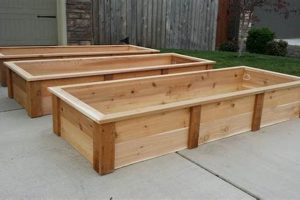
The structural integrity of a raised bed garden directly correlates with its capacity to provide effective plant safeguarding. A compromised structure, weakened by decay, impact, or improper construction, inherently undermines protective measures. For example, if the walls of a raised bed collapse or develop significant gaps, soil erosion accelerates, root systems become exposed, and pest access becomes unrestricted. This failure reduces the overall effectiveness of intended protections, such as fencing or netting, as they can no longer function optimally when the frame is destabilized.
Maintaining structural robustness is essential for long-term garden health. The choice of materials significantly impacts durability. Untreated lumber, subject to moisture and soil contact, will degrade much faster than rot-resistant wood species like cedar or redwood, or alternative materials such as composite lumber or concrete blocks. Proper construction techniques, including reinforced corners and stable foundations, are also critical. Failure to use appropriate joinery methods, for instance, can lead to premature structural failure, necessitating costly repairs or complete replacement of the raised bed, thus disrupting the gardening cycle and potentially exposing plants to harm during the repair period.
In summary, a durable and well-constructed raised bed forms the foundational basis for comprehensive plant safeguarding. While pest control, weather shielding, and soil health are individually important, their effectiveness is contingent upon the structural integrity of the raised bed. Investing in durable materials and sound construction practices ensures long-term protection, reduces maintenance costs, and sustains a stable growing environment for the cultivated plants.
4. Soil Health

The cultivation of healthy soil within raised bed structures forms a fundamental layer of plant defense. Soil teeming with beneficial microorganisms, optimal nutrient levels, and adequate drainage supports robust plant growth. Vigorous plants exhibit greater resilience to pest infestations and diseases, minimizing the need for external interventions. For example, soil rich in organic matter enhances water retention, preventing drought stress that can weaken plants and make them susceptible to insect attacks. Moreover, a balanced soil ecosystem promotes stronger root development, enabling plants to access essential nutrients more efficiently, further bolstering their defenses. A tangible illustration of this is observed when comparing plants grown in compost-amended soil to those in nutrient-deficient soil; the former consistently demonstrate enhanced resistance to common fungal diseases and insect predation.
Maintaining soil health in a raised bed environment requires proactive management. Regular soil testing provides valuable insights into nutrient deficiencies or imbalances, allowing for targeted amendments. Incorporating compost, aged manure, or other organic matter improves soil structure, drainage, and nutrient availability. Practicing crop rotation helps to prevent the buildup of soilborne pathogens and pests specific to certain plant families. Furthermore, avoiding the use of synthetic fertilizers and pesticides preserves the beneficial soil microbiome, fostering a sustainable ecosystem that supports long-term plant health. Consider the difference between a raised bed treated with broad-spectrum pesticides, which disrupt the soil ecosystem, and one managed using integrated pest management strategies, such as introducing beneficial insects; the latter sustains a healthier soil environment and strengthens plant defenses.
In conclusion, the connection between soil health and plant defense in raised bed structures is undeniable. Healthy soil is not merely a growing medium but an active participant in plant safeguarding. By prioritizing soil health through regular testing, organic amendments, crop rotation, and the avoidance of harmful chemicals, gardeners can create a resilient ecosystem that promotes robust plant growth and reduces the need for external protective measures. This holistic approach fosters sustainable and productive raised bed gardens, ensuring long-term plant health and minimizing environmental impact.
5. Water Management

Effective water management is intrinsically linked to the overall preservation of raised bed gardens. Suboptimal hydration practices compromise plant health, thereby diminishing their inherent resistance to pests and diseases, and ultimately reducing the efficacy of protective measures implemented. Proper water management, conversely, fosters robust plant growth and resilience, enhancing the garden’s capacity to withstand external threats.
- Optimizing Irrigation Techniques
The method of water delivery significantly impacts plant health and vulnerability. Overhead watering can lead to fungal diseases due to prolonged leaf wetness. Drip irrigation or soaker hoses, delivering water directly to the root zone, minimize foliar moisture and reduce the risk of fungal infections. For instance, a tomato plant subjected to frequent overhead watering is more prone to blight than one irrigated via a drip system. Furthermore, efficient irrigation reduces water waste and minimizes the proliferation of weeds, which can serve as hosts for pests.
- Ensuring Adequate Drainage
Poor drainage results in waterlogged soil, depriving roots of oxygen and creating an anaerobic environment conducive to root rot. Raised beds must incorporate adequate drainage mechanisms, such as gravel layers or well-draining soil mixes. The presence of Phytophthora root rot, a common ailment in poorly drained soils, renders plants susceptible to other pathogens and pests, necessitating aggressive interventions. Proper drainage, therefore, acts as a preventative measure, bolstering plant defenses.
- Water Quality Considerations
The quality of irrigation water influences plant health and soil composition. Water with high salinity or excessive alkalinity can damage roots, disrupt nutrient uptake, and alter soil pH, making plants more vulnerable to diseases and nutrient deficiencies. Regular water testing and appropriate treatment, such as filtration or pH adjustment, are crucial for maintaining a healthy growing environment. For example, irrigating with water containing high levels of sodium can lead to sodium toxicity in plants, hindering growth and increasing susceptibility to pests like spider mites.
- Water Conservation Strategies
Efficient water use reduces environmental impact and conserves a valuable resource. Mulching the soil surface with organic materials, such as straw or wood chips, minimizes evaporation, maintains soil moisture, and suppresses weed growth. Strategic plant spacing, avoiding overcrowding, improves air circulation and reduces humidity, further minimizing the risk of fungal diseases. Xeriscaping principles, selecting drought-tolerant plant varieties, reduce water requirements and enhance the garden’s resilience to water stress.
The multifaceted nature of water management underscores its critical role in safeguarding raised bed gardens. Employing judicious irrigation techniques, ensuring adequate drainage, monitoring water quality, and implementing water conservation strategies collectively contribute to a thriving ecosystem that enhances plant health and resilience. By prioritizing these practices, gardeners create an environment where plants are better equipped to withstand external threats, minimizing the need for reactive interventions and fostering a sustainable gardening approach.
6. Weed Control

Effective weed control is an integral component of maintaining the integrity and productivity of raised bed gardens. Uncontrolled weed proliferation directly undermines the health and vigor of desired plants, ultimately diminishing the benefits derived from protective measures implemented within these elevated growing environments.
- Resource Competition
Weeds compete with cultivated plants for essential resources, including water, nutrients, and sunlight. The presence of weeds reduces the availability of these resources to the intended crops, leading to stunted growth, reduced yields, and increased susceptibility to pests and diseases. For instance, a raised bed infested with bindweed experiences a significant reduction in the photosynthetic potential of vegetable plants due to shading, thereby decreasing overall productivity. Consequently, the implementation of protective strategies, such as fertilization or pest control, becomes less effective when plants are already compromised by resource scarcity.
- Harboring Pests and Diseases
Certain weed species serve as alternative hosts for pests and diseases that can subsequently infest cultivated plants. These weeds provide a refuge for pests, allowing them to persist even when the main crops are temporarily absent. For example, chickweed can harbor aphids and whiteflies, which can then migrate to vegetable plants, causing significant damage. Similarly, certain weeds can act as reservoirs for fungal or viral diseases, spreading pathogens to susceptible crops. The presence of these weed hosts negates the effectiveness of pest control measures targeting only the cultivated plants, requiring a more comprehensive approach to weed management.
- Impeding Airflow and Increasing Humidity
Dense weed growth reduces airflow within the raised bed, creating a humid microclimate that favors the development of fungal diseases. Reduced air circulation inhibits the evaporation of moisture from plant leaves, increasing the risk of fungal infections such as powdery mildew or botrytis blight. This elevated humidity undermines the protective benefits of fungicides or other disease control measures, as the conducive environment persists despite treatment. Effective weed control, therefore, contributes to improved air circulation and reduced humidity, creating a less favorable environment for disease development.
- Introducing Allelopathic Effects
Some weed species release allelochemicals into the soil, inhibiting the growth and development of neighboring plants. These allelochemicals can interfere with seed germination, root elongation, and nutrient uptake, reducing the vigor of cultivated crops. For instance, black walnut trees release juglone, a potent allelochemical that can inhibit the growth of many vegetable plants. The presence of allelopathic weeds negates the potential benefits of soil amendments or fertilization, as the inhibitory compounds directly interfere with plant physiology. Effective weed control removes these allelopathic influences, allowing cultivated plants to thrive unimpeded.
The multifaceted connections between weed control and raised bed garden preservation highlight the importance of a proactive and integrated weed management strategy. Effective weed control not only reduces resource competition and harborage for pests and diseases but also improves airflow, reduces humidity, and eliminates allelopathic effects, thereby creating a healthier and more productive growing environment. A well-maintained raised bed, free from weed infestations, maximizes the benefits of all other protective measures implemented, ensuring the long-term health and success of the cultivated crops.
7. Temperature Regulation

Temperature regulation within elevated planting systems constitutes a crucial aspect of safeguarding plant health and optimizing productivity. Maintaining stable temperature ranges mitigates environmental stressors, thereby reducing plant susceptibility to pests, diseases, and physiological disorders. This, in turn, enhances the efficacy of other protective measures implemented within the raised bed environment.
- Moderating Soil Temperature
Soil temperature directly impacts root function, nutrient uptake, and microbial activity. Excessive soil temperatures can damage root systems, inhibit nutrient absorption, and suppress beneficial soil microorganisms. Conversely, low soil temperatures can slow root growth and reduce water uptake. Mulching the soil surface with organic materials, such as straw or wood chips, moderates soil temperature fluctuations, insulating the soil from extreme heat or cold. For example, mulching a raised bed during the summer months reduces soil temperatures by several degrees, preventing heat stress and promoting optimal root function. This, in turn, improves plant health and resistance to soilborne pathogens. Conversely, mulch provides insulation from freezing temperatures in colder months, preventing root damage from frost heave.
- Controlling Air Temperature
Air temperature significantly influences plant transpiration, photosynthesis, and overall growth rate. Extreme air temperatures, both high and low, can disrupt these physiological processes, leading to reduced yields and increased vulnerability to pests and diseases. Utilizing row covers, cloches, or mini-hoop houses creates a microclimate that buffers plants from temperature extremes. For instance, a row cover can trap heat during cold nights, preventing frost damage, and can also provide shade during hot days, reducing heat stress. The ability to control air temperature directly influences plant health and productivity within the raised bed environment.
- Employing Thermal Mass
Thermal mass materials, such as rocks or water-filled containers, can absorb and store heat during the day, releasing it slowly at night, thereby moderating temperature fluctuations. Incorporating thermal mass elements into the raised bed design helps to stabilize the growing environment, reducing the impact of diurnal temperature swings. For example, placing dark-colored rocks around plants can absorb solar radiation during the day, warming the surrounding air and soil. At night, the rocks release the stored heat, preventing temperatures from dropping too low. This strategy is particularly beneficial in regions with significant temperature variations between day and night.
- Utilizing Ventilation Strategies
Adequate ventilation is essential for preventing overheating and maintaining optimal humidity levels within enclosed raised bed structures, such as hoop houses or greenhouses. Insufficient ventilation can lead to excessively high temperatures and humidity, creating a conducive environment for fungal diseases and pest infestations. Implementing ventilation strategies, such as opening vents or using fans, allows for the exchange of air, reducing temperature and humidity levels. For example, opening vents in a hoop house during the hottest part of the day allows for the release of accumulated heat, preventing plants from overheating and reducing the risk of fungal diseases. Proper ventilation, therefore, contributes to a healthier and more productive growing environment.
The interconnectedness of these facets highlights the significance of temperature regulation in maximizing the benefits of raised bed garden protection. By actively managing soil and air temperatures through various techniques, gardeners can create a more stable and favorable growing environment, thereby enhancing plant health, increasing yields, and reducing the reliance on external protective measures. This comprehensive approach to temperature regulation fosters a more resilient and sustainable elevated planting system.
Frequently Asked Questions
The following addresses common inquiries regarding the safeguarding of elevated planting environments, providing concise and informative responses.
Question 1: What constitutes the primary benefit of securing a raised bed garden?
Securing an elevated planting area primarily maximizes crop yield by mitigating threats from pests, adverse weather, and compromised soil conditions, thus fostering healthier plant development.
Question 2: How frequently should elevated planting protection measures be assessed and adjusted?
Protective strategies require regular evaluation and adaptation, ideally on a weekly basis, to address evolving environmental conditions, pest pressures, and plant growth stages. This ensures continued effectiveness of the safeguarding protocols.
Question 3: What are some sustainable options for shielding elevated planting structures?
Sustainable options include the utilization of organic mulches for weed suppression and moisture retention, companion planting to deter pests, and the integration of beneficial insects for natural pest control. These practices minimize environmental impact.
Question 4: Is it crucial to consider local climate patterns when applying protective methods to elevated gardens?
Absolutely. The selection and implementation of protective strategies must align with local climate conditions, including temperature extremes, rainfall patterns, and wind exposure, to ensure optimal effectiveness and prevent unintended harm to the plants.
Question 5: What role does drainage play in maintaining elevated planting security?
Adequate drainage is essential to prevent waterlogging, which can lead to root rot and increased susceptibility to soilborne diseases. Proper drainage ensures a healthy root environment, bolstering plant defenses against pathogens.
Question 6: How does structural stability influence the overall effectiveness of elevated garden safeguarding?
A structurally sound elevated planting frame provides a stable foundation for all protective measures, preventing soil erosion, pest intrusion, and damage from wind or physical impact. Compromised structural integrity undermines the effectiveness of other safeguarding efforts.
The implementation of proactive and informed strategies remains pivotal in securing elevated planting environments, promoting sustainable gardening practices, and maximizing crop productivity.
The subsequent section explores advanced techniques for optimizing elevated planting structure design, further enhancing their productivity and sustainability.
Raised Bed Garden Protection
This exposition has illuminated the multifaceted nature of raised bed garden protection, emphasizing the interconnectedness of pest exclusion, weather shielding, structural integrity, soil health, water management, weed control, and temperature regulation. Each element contributes to the overall resilience and productivity of the elevated planting structure, and their synergistic effect maximizes crop yields and minimizes environmental impact.
The long-term success of elevated gardening endeavors hinges upon a comprehensive and proactive approach to plant safeguarding. Prioritizing these protective measures ensures sustainable and bountiful harvests, contributing to food security and environmental stewardship. Continued vigilance and adaptation to evolving challenges will remain crucial in realizing the full potential of this valuable gardening technique.