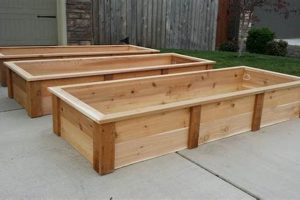
A planting structure composed of durable, permeable textile material, often polypropylene or felt, designed to contain soil above ground level for horticultural purposes. These containers offer an alternative to traditional in-ground gardening or rigid-frame raised beds, providing a flexible and often portable growing environment. As an example, vegetables, herbs, or flowers can be cultivated in this type of setup on patios, balconies, or areas with poor soil conditions.
The implementation of these textile-based growing spaces offers multiple advantages. Improved drainage and aeration promote healthier root systems, leading to enhanced plant growth. The elevated structure reduces bending and kneeling, offering ergonomic benefits for gardeners. Their lightweight nature and collapsibility when empty facilitates relocation or storage. Historically, such textile containers have emerged as a practical solution for urban gardening and areas where soil contamination or limited space presents challenges.
The following sections will delve into specific aspects such as material selection, appropriate soil mixes, watering techniques, and considerations for selecting the optimal size and shape for diverse gardening needs.
Fabric Raised Bed Garden Cultivation
Optimal utilization of fabric raised beds requires attention to several key factors to maximize plant health and yield.
Tip 1: Material Selection: Opt for thicker, UV-resistant fabrics, such as polypropylene or felt, to prolong the lifespan of the bed and minimize degradation from sunlight exposure. Thicker materials also provide improved insulation for roots.
Tip 2: Soil Composition: Utilize a well-draining soil mix consisting of compost, peat moss (or coco coir as an alternative), and perlite or vermiculite. This ensures adequate aeration and prevents waterlogging, vital for root health in a container environment.
Tip 3: Watering Practices: Monitor soil moisture levels regularly, as fabric containers tend to dry out faster than traditional beds. Implement drip irrigation or soaker hoses to ensure consistent and efficient water delivery directly to the root zone.
Tip 4: Fertilization Strategies: Due to the frequent watering, nutrients can leach out of the soil relatively quickly. Supplement with slow-release fertilizers or regular applications of liquid fertilizer throughout the growing season, adhering to recommended dosages.
Tip 5: Pest and Disease Management: Inspect plants frequently for signs of pests or diseases. Implement preventative measures such as introducing beneficial insects or applying organic pesticides or fungicides as needed. Proper air circulation within and around the bed can also mitigate disease risk.
Tip 6: Bed Placement: Consider the sun exposure requirements of the plants to be grown. Position the bed in an area that receives adequate sunlight, typically a minimum of six hours per day for most vegetables.
Tip 7: Root Bound Prevention: Some plants may become root-bound in the confines of the bed. Choosing an appropriate size for the anticipated mature size of your plants, as well as occasionally lightly disrupting the root system when transplanting, can help.
By carefully considering these tips, gardeners can optimize the performance and longevity of textile-based cultivation systems, fostering a thriving and productive growing environment.
The concluding section will offer a summary and future considerations for advanced users.
1. Material durability

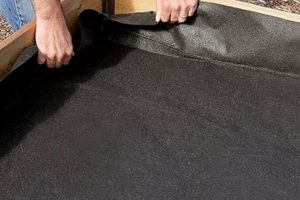
Material durability is a critical factor influencing the lifespan and performance of textile-based planting structures. The fabric’s resistance to degradation from environmental factors such as ultraviolet (UV) radiation, moisture, and temperature fluctuations directly impacts the longevity and structural integrity of the container. Degradation can lead to weakening of the fabric, tearing, and ultimately, failure of the structure, resulting in soil spillage and root exposure. For example, a non-UV-resistant fabric may disintegrate within a single growing season in a sunny climate, necessitating costly and disruptive replacement. Therefore, selecting a robust and durable material is paramount.
The choice of fabric influences various practical aspects of gardening. Stronger materials can withstand the weight of saturated soil without bulging or distorting, maintaining the desired shape and volume of the growing space. Enhanced durability also reduces the likelihood of punctures or tears from tools or pests. Furthermore, the permeability of the fabric, while crucial for drainage, should not compromise its structural integrity. Materials that decompose prematurely can leach unwanted chemicals into the soil, potentially affecting plant health. Investing in high-quality, durable fabrics mitigates these risks and provides a more reliable and sustainable growing environment. Example, felt-lined beds in direct sunlight can suffer from material degradation if not properly maintained.
In summary, material durability directly correlates with the overall effectiveness and longevity of such planting solutions. Selecting high-quality, UV-resistant, and tear-resistant fabrics is essential for minimizing maintenance, preventing structural failures, and ensuring a stable and productive growing environment. This understanding is practically significant for gardeners seeking a long-term and sustainable approach to container gardening. Ignoring this aspect results in a short-term growing solution, requiring more frequent replacement and additional maintenance.
2. Drainage optimization

Drainage optimization is paramount in textile-based planting structures. The unique properties of fabric containers necessitate a careful balance between water retention and drainage to ensure optimal root health and plant growth. Inadequate drainage leads to waterlogged soil, fostering anaerobic conditions and root rot, while excessive drainage results in nutrient leaching and dehydration. Therefore, understanding and managing drainage dynamics is essential for successful cultivation.
- Fabric Permeability and Drainage Rate
The inherent porosity of the textile material directly influences drainage rate. Different fabrics exhibit varying degrees of permeability, affecting how quickly water drains from the container. For example, tightly woven fabrics retain more moisture, while looser weaves allow for faster drainage. Selecting a fabric with appropriate permeability is crucial for matching drainage characteristics to the specific water requirements of the plants being grown. Inappropriate fabric selection can lead to either waterlogged conditions or excessively dry soil, both detrimental to plant health.
- Soil Composition and Drainage Capacity
The physical properties of the soil mix significantly impact drainage within a fabric container. A well-draining soil composition, incorporating components such as perlite, vermiculite, or coarse sand, promotes aeration and prevents water accumulation. Conversely, heavy clay soils impede drainage, creating anaerobic conditions. The composition should be tailored to the specific needs of the plants, considering their tolerance to varying moisture levels. A suboptimal soil mix can negate the benefits of a permeable fabric, leading to drainage issues regardless of the container material.
- Container Placement and Slope
The physical placement of the container affects drainage patterns. Setting a fabric raised bed on a level surface ensures uniform drainage throughout the soil volume. Placing the bed on an incline can lead to uneven moisture distribution, with the lower end becoming excessively wet and the upper end drying out more quickly. Careful consideration of the ground surface and making appropriate adjustments are essential for maintaining consistent drainage.
- Watering Practices and Drainage Control
Watering techniques directly impact drainage dynamics. Excessive watering overwhelms the drainage capacity of the system, leading to waterlogged soil. Conversely, insufficient watering results in dry pockets within the container. Implementing controlled watering practices, such as monitoring soil moisture levels and adjusting watering frequency, is critical for maintaining optimal drainage. Furthermore, using drip irrigation or soaker hoses can ensure even water distribution, minimizing the risk of localized drainage issues.
These interconnected aspects of drainage underscore the importance of a holistic approach to managing moisture within “fabric raised bed garden” systems. The selection of appropriate fabric, soil composition, container placement, and watering techniques must be carefully coordinated to ensure optimal drainage, fostering a healthy root environment and maximizing plant growth. The lack of attention to any of these aspects leads to a degradation in the overall growing environment, thus compromising plant health and productivity.
3. Soil composition

Soil composition exerts a profound influence on the success of cultivation within a textile-based planting structure. The physical and chemical characteristics of the soil directly impact root development, nutrient availability, water retention, and overall plant health. Utilizing an inappropriate soil mix can negate the benefits of the elevated structure and permeable fabric, leading to stunted growth, nutrient deficiencies, and increased susceptibility to diseases.
Specifically, in a “fabric raised bed garden,” the soil’s drainage capacity is paramount. The fabric’s inherent permeability allows for enhanced drainage compared to traditional containers, but this also necessitates a soil mix that retains sufficient moisture to support plant growth. A mix comprised primarily of sand will drain too quickly, leading to dehydration and nutrient leaching. Conversely, a soil mix high in clay content will retain excessive moisture, potentially causing root rot. The ideal composition typically includes a balance of organic matter, such as compost or peat moss (or coco coir), and inorganic materials, such as perlite or vermiculite. For example, a blend of equal parts compost, peat moss, and perlite provides adequate drainage and aeration while retaining sufficient moisture for most vegetable crops. This composition also enhances nutrient retention, minimizing the need for frequent fertilization.
The selection of soil composition is not static but should be adapted to the specific needs of the plants being cultivated. Acid-loving plants, such as blueberries, require a soil mix with a lower pH, achieved through the addition of sulfur or acidic organic matter. Heavy feeders, such as tomatoes, benefit from a soil mix enriched with composted manure or other slow-release fertilizers. The choice of soil composition, therefore, represents a critical decision that directly influences plant performance in a “fabric raised bed garden,” demonstrating the interconnectedness between container design and cultivation practices.
4. Watering regime

The watering regime exerts a direct and substantial influence on the health and productivity of plants grown within a fabric raised bed. The permeable nature of the fabric container necessitates a watering strategy that differs significantly from conventional in-ground or plastic container gardening. Because textile materials allow for increased aeration and drainage, the rate of water loss from the soil is accelerated. Consequently, plants cultivated in this environment are inherently more susceptible to drought stress if irrigation practices are not carefully managed. A deficit in soil moisture can lead to stunted growth, reduced fruit or flower production, and increased vulnerability to pests and diseases. For example, tomatoes grown in a textile-based system, without a consistent watering schedule, are prone to blossom-end rot due to calcium deficiencies caused by irregular water uptake. This direct correlation underscores the criticality of a well-defined and consistently implemented watering regime.
Implementing an effective watering regime in a “fabric raised bed garden” requires careful consideration of several factors. Soil composition, plant type, and environmental conditions all influence water requirements. For example, a sandy soil mix will necessitate more frequent watering than a mix rich in organic matter. Similarly, drought-tolerant plants, such as succulents or herbs like rosemary, require less frequent irrigation than water-intensive crops like lettuce or spinach. Weather patterns also play a crucial role. During periods of high temperatures or strong winds, evaporation rates increase, necessitating more frequent watering. The use of moisture meters or simple soil testing techniques can provide valuable data for determining the optimal watering schedule. Furthermore, the implementation of drip irrigation systems or soaker hoses offers a more efficient and targeted approach to water delivery, minimizing water waste and ensuring consistent soil moisture throughout the container. However, these methods must still be monitored to ensure adequate water distribution and prevent localized dry spots.
In summary, the watering regime is an indispensable element of successful cultivation in a “fabric raised bed garden.” The enhanced drainage characteristics of textile containers demand a proactive and informed approach to irrigation. Consistent monitoring of soil moisture, careful consideration of plant-specific needs and environmental conditions, and the strategic implementation of efficient watering techniques are essential for maintaining plant health and maximizing yields. The challenge for gardeners lies in striking the right balance between providing adequate moisture and avoiding overwatering, a skill that requires careful observation and adaptive management practices. Understanding and addressing this intricate relationship between container design and irrigation strategy is key to unlocking the full potential of fabric raised bed gardening systems.
5. Nutrient availability

Nutrient availability is a critical determinant of plant health and productivity within fabric raised bed cultivation. The confined soil volume and enhanced drainage characteristics of these systems necessitate careful management of nutrient levels to support optimal growth. Depletion or imbalance of essential nutrients can lead to stunted growth, reduced yields, and increased susceptibility to pests and diseases. Therefore, a comprehensive understanding of nutrient dynamics is essential for successful utilization of this gardening method.
- Leaching and Nutrient Loss
The permeable nature of the fabric allows for enhanced drainage, but also accelerates the leaching of soluble nutrients from the soil. Frequent watering, while necessary to maintain adequate moisture levels, can deplete essential elements such as nitrogen, phosphorus, and potassium. This is particularly pronounced in systems utilizing highly porous soil mixes. Therefore, regular fertilization is necessary to replenish lost nutrients and maintain optimal levels. Failure to address leaching can result in nutrient deficiencies, leading to stunted growth and reduced yields.
- Organic Matter Decomposition
Organic matter within the soil serves as a reservoir of essential nutrients. As organic materials decompose, they release nutrients in a form accessible to plants. However, the rate of decomposition is influenced by factors such as temperature, moisture, and microbial activity. Fabric raised beds, with their enhanced aeration, can promote faster decomposition rates, leading to a more rapid release of nutrients. While this can be beneficial initially, it also necessitates more frequent replenishment of organic matter to maintain long-term nutrient availability. Neglecting organic matter replenishment leads to soil depletion and reduced fertility over time.
- pH Levels and Nutrient Uptake
Soil pH significantly impacts the availability of nutrients to plants. Extreme pH levels, either too acidic or too alkaline, can hinder the uptake of essential elements, even if those elements are present in the soil. Fabric raised beds, like any container gardening system, are susceptible to pH fluctuations due to the use of specific soil amendments and the effects of irrigation water. Regular monitoring of soil pH and adjustment with appropriate amendments, such as lime or sulfur, is crucial for maintaining optimal nutrient availability. Ignoring pH imbalances can result in nutrient lock-out, preventing plants from accessing necessary elements and leading to deficiency symptoms.
- Fertilizer Selection and Application
The selection of appropriate fertilizers and their proper application are essential for maintaining adequate nutrient levels in a “fabric raised bed garden.” Slow-release fertilizers provide a gradual and sustained release of nutrients, minimizing the risk of nutrient leaching and reducing the frequency of application. Alternatively, liquid fertilizers offer a more immediate supply of nutrients, allowing for precise adjustments based on plant needs. However, frequent application of liquid fertilizers is often necessary to compensate for nutrient leaching. The choice between slow-release and liquid fertilizers depends on plant type, soil composition, and watering practices. Inappropriate fertilizer selection or application can lead to nutrient imbalances, either deficiencies or toxicities, both of which can negatively impact plant health.
The intricate interplay between these elements underscores the importance of a holistic approach to nutrient management in fabric raised bed cultivation. Careful monitoring of soil nutrient levels, pH, and organic matter content, coupled with the judicious selection and application of fertilizers, is crucial for ensuring optimal plant health and maximizing yields. A failure to account for the unique characteristics of the system can result in nutrient deficiencies, imbalances, and ultimately, reduced gardening success. This requires proactive management and an understanding of the specific needs of the plants being cultivated within the fabric environment.
6. Pest control

Effective pest control is crucial within a fabric raised bed gardening system. The controlled environment and specific soil composition of these beds, while offering benefits, can also create conditions conducive to certain pests. Understanding the interactions between the growing environment and potential infestations is essential for maintaining plant health and maximizing yields.
- Reduced Soilborne Pest Pressure
Fabric raised beds, by their nature, elevate the growing medium above native soil, thus reducing the risk of soilborne pests such as nematodes, wireworms, and certain fungal diseases. This isolation from contaminated ground is a significant advantage. However, introducing infested soil or compost can negate this benefit, reintroducing these pests into the contained environment. For example, using compost not properly heated to kill nematode eggs will negate the intended reduction in pests.
- Increased Vulnerability to Above-Ground Pests
While mitigating soilborne pest pressure, fabric raised beds can increase the vulnerability to above-ground pests such as aphids, whiteflies, and caterpillars. The concentrated plant population within a confined space can create favorable conditions for rapid pest proliferation. Furthermore, the elevated structure can make plants more accessible to certain pests. Consistent monitoring and preventative measures are required to manage these infestations effectively.
- Importance of Organic and Integrated Pest Management (IPM)
The confined nature of fabric raised beds often makes organic and IPM strategies particularly effective. Introducing beneficial insects, such as ladybugs or lacewings, can control aphid populations. The use of insect netting can prevent access by larger pests like cabbage moths. Regularly inspecting plants and removing infested leaves or insects manually can also prevent infestations from escalating. IPM emphasizes preventative measures and targeted interventions, minimizing the need for broad-spectrum pesticides that can disrupt the beneficial insect population. Example, neem oil is frequently used as part of IPM.
- Impact of Fabric Material on Pest Habitat
The fabric material itself can influence pest habitat. Certain fabrics, particularly those with rough surfaces, can provide refuge for pests such as spider mites. Cleaning and maintaining the fabric exterior can reduce these harborage sites. Furthermore, selecting fabrics that are less attractive to pests can minimize infestations. Proper sanitation, including removing plant debris and weeds from around the beds, also helps to eliminate potential pest breeding grounds.
The successful application of pest control measures in a “fabric raised bed garden” requires a proactive and integrated approach. By understanding the specific vulnerabilities and advantages of this growing system, gardeners can implement effective strategies to minimize pest damage and maintain healthy, productive plants. Failure to proactively manage pests will result in reduced yields, potential plant losses, and an overall less successful gardening experience. Recognizing the specific characteristics of the fabric environment is paramount to achieving optimal results.
7. Portability Considerations
The intrinsic portability of fabric raised bed gardens constitutes a significant advantage over traditional in-ground gardens or rigid-frame raised beds. This attribute enables gardeners to adapt to changing environmental conditions, space constraints, or lifestyle adjustments with relative ease. The ability to relocate a growing space becomes particularly relevant in scenarios such as seasonal sun tracking, relocation of residences, or optimizing plant protection from extreme weather events. For instance, during late spring frosts, sensitive plants can be readily moved to a sheltered location, minimizing the risk of damage. Similarly, gardeners renting properties benefit from the capacity to transfer their entire garden upon moving, thereby ensuring continuity and avoiding the loss of established plants.
Practical considerations regarding portability extend beyond mere relocation. The weight of the saturated soil within the bed, the size of the bed itself, and the presence of mature, established plants all influence the feasibility and method of transport. Smaller beds can often be manually lifted and carried, while larger beds may require the assistance of a dolly or other moving equipment. Emptying a portion of the soil can significantly reduce the weight, albeit at the expense of temporarily disrupting the root system. Additionally, the chosen fabric material influences the structural integrity during movement; stronger, more tear-resistant fabrics are better suited for frequent relocation. As an example, a large felt bed filled with wet soil can become unwieldy and prone to tearing if dragged across rough surfaces, necessitating careful handling and potentially requiring reinforcement or a supporting frame during transport.
In summary, portability represents a defining characteristic of fabric raised bed gardens, offering flexibility and adaptability not readily available with other gardening methods. However, realizing the full benefits of this portability requires careful planning and execution. Considering factors such as bed size, soil weight, fabric durability, and plant maturity allows for safe and efficient relocation, ensuring minimal disruption to the growing environment. The potential for easy movement transforms the “fabric raised bed garden” from a static plot to a dynamic component of the landscape. Overlooking these factors results in difficulty and potential damage to the bed and plants.
Frequently Asked Questions
The following section addresses common inquiries regarding the implementation and maintenance of textile-based planting systems. The information is intended to provide clarity and guidance for both novice and experienced gardeners.
Question 1: What fabric types are most suitable for constructing a raised bed?
Polypropylene and geotextile fabrics, typically non-woven, are considered optimal due to their durability, permeability, and resistance to degradation from ultraviolet radiation. The fabric’s thickness, measured in ounces per square yard, influences its strength and longevity; thicker fabrics are generally preferred.
Question 2: How does one prevent a fabric raised bed from collapsing under the weight of saturated soil?
Employing a robust fabric material, reinforced stitching, and strategically placed support structures can mitigate the risk of collapse. Overfilling the bed with excessively heavy soil, particularly when saturated with water, should be avoided. Regular monitoring of the bed’s structural integrity is recommended.
Question 3: What is the recommended soil mix for a fabric raised bed garden?
A well-draining mix comprised of equal parts compost, peat moss (or coco coir as an alternative), and perlite or vermiculite is generally advised. This combination ensures adequate aeration, moisture retention, and nutrient availability. The specific needs of the intended plants should also be considered when selecting a soil mix.
Question 4: How frequently should a fabric raised bed be watered compared to a traditional garden?
Fabric raised beds typically require more frequent watering due to the enhanced drainage provided by the permeable fabric. Soil moisture levels should be monitored regularly, and watering should be adjusted accordingly. Environmental factors such as temperature, humidity, and wind influence evaporation rates and, consequently, watering frequency.
Question 5: How does one manage pests and diseases in a fabric raised bed?
Employing integrated pest management (IPM) strategies, including regular monitoring, the introduction of beneficial insects, and the use of organic pesticides or fungicides when necessary, is recommended. Good sanitation practices, such as removing plant debris and maintaining adequate air circulation, can also help to prevent pest and disease outbreaks.
Question 6: What is the expected lifespan of a fabric raised bed?
The lifespan of a fabric raised bed depends on the quality of the fabric, environmental conditions, and maintenance practices. High-quality fabrics, properly maintained, can last for several years. Exposure to harsh sunlight and extreme weather conditions can accelerate degradation. Regular inspection and timely repairs can extend the bed’s lifespan.
In summary, successful cultivation within textile-based planting systems relies on careful attention to fabric selection, soil composition, watering practices, and pest management. Understanding these core principles enables gardeners to maximize the benefits and minimize the challenges associated with this gardening method.
The following section presents concluding remarks and outlines future trends in fabric raised bed gardening.
Conclusion
This exploration of “fabric raised bed garden” systems has illuminated key aspects, including material durability, drainage optimization, soil composition, watering regimes, nutrient availability, pest control, and portability. The interrelationship of these factors determines the overall success and sustainability of this cultivation method. Careful planning, informed decision-making, and consistent maintenance are crucial for optimizing plant health and productivity within this unique environment.
The ongoing evolution of materials and cultivation techniques promises continued advancements in the field. Gardeners are encouraged to remain abreast of emerging research and adapt their practices accordingly, thereby harnessing the full potential of “fabric raised bed garden” systems for sustainable and efficient food production. The future success of this approach lies in its ability to integrate innovative technologies with time-tested horticultural principles.