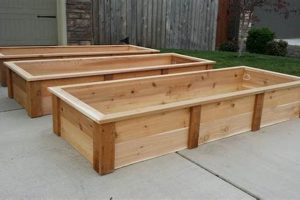
Materials placed atop or around elevated planting structures to protect soil and plants constitute a significant element in horticultural practices. Examples include plastic sheeting, woven fabrics, and organic mulches, each serving distinct purposes in modifying the growing environment. These additions are not merely aesthetic; they play a critical role in plant health and productivity.
Employing protective layers on these garden structures yields several advantages. They can suppress weed growth, conserve moisture by reducing evaporation, and regulate soil temperature, buffering against extreme heat or cold. Historically, rudimentary forms of these protective measures have been employed in agriculture for centuries to extend growing seasons and improve yields, showcasing a long-standing understanding of their value.
The subsequent sections will delve into the specific types of these materials, their respective applications, and the factors to consider when selecting the optimal solution for various gardening needs. From understanding the impact of different materials on soil temperature to evaluating their durability and cost-effectiveness, a comprehensive overview will equip gardeners with the knowledge to make informed decisions.
Optimizing Your Raised Garden with Protective Measures
Selecting and utilizing the appropriate protective additions for elevated planting structures is critical for maximizing plant health and yield. These practices can significantly impact the growing environment and overall success of the garden.
Tip 1: Material Selection Based on Climate: Consider the prevailing climate conditions when choosing materials. In colder regions, opt for heavier, insulating materials, while in warmer climates, prioritize breathable options to prevent overheating.
Tip 2: Weed Suppression Efficiency: Implement weed-suppressing materials, such as landscape fabric or thick layers of organic mulch, to minimize competition for resources and reduce the need for manual weeding.
Tip 3: Moisture Retention Strategies: Utilize moisture-retaining additions like straw or shredded bark to reduce evaporation and maintain consistent soil moisture levels, particularly during dry periods.
Tip 4: Pest Control Integration: Certain additions, like insect netting, can act as a physical barrier against common garden pests, reducing the reliance on chemical pesticides.
Tip 5: Seasonal Adaptation: Adjust protective layers seasonally to optimize growing conditions. Consider using row covers in early spring or late fall to extend the growing season.
Tip 6: Consider Soil Temperature: Dark-colored materials absorb more heat, which can benefit early-season crops but may be detrimental during hot summer months. Reflective mulches can help keep soil cooler.
Tip 7: Ensuring Proper Drainage: When using impermeable materials like plastic sheeting, ensure proper drainage to prevent waterlogging and root rot. Adequate drainage holes are essential.
By implementing these practical tips, gardeners can create a more favorable growing environment, reduce maintenance efforts, and improve the overall health and productivity of their elevated plantings.
The following sections will address the long-term maintenance and considerations for these structural garden enhancements.
1. Material Permeability

The characteristic of a material to allow liquids or gases to pass through it, known as permeability, is a crucial factor when selecting additions for elevated planting structures. The choice of material profoundly affects moisture levels, air circulation, and temperature regulation within the soil environment. Impermeable materials, like plastic sheeting, restrict water and air exchange, potentially leading to anaerobic conditions and root rot if drainage is inadequate. Conversely, highly permeable options, such as burlap or loosely woven fabrics, may allow excessive evaporation, necessitating more frequent watering.
An example of the impact of permeability is evident in the use of landscape fabric versus plastic mulch. Landscape fabric, being semi-permeable, allows water and air to reach the soil while suppressing weed growth. This fosters a healthier root environment compared to plastic mulch, which, while effective at weed control, can create overly moist or dry conditions beneath it, depending on the surrounding climate and watering practices. The proper selection, therefore, hinges on balancing water retention with adequate aeration, tailored to the specific needs of the plants being cultivated and the prevailing environmental conditions.
In summary, understanding the permeability of potential materials is paramount to maintaining a balanced and thriving environment within elevated planting structures. Failure to consider this property can lead to detrimental consequences for plant health, underscoring the need for informed decision-making based on plant requirements and environmental factors. Proper permeability contributes to nutrient delivery, root health, and overall plant vitality, directly impacting gardening success.
2. Thermal Regulation

Thermal regulation, the management of temperature within a defined space, constitutes a critical function of additions to elevated planting structures. These structures, by their very nature, are more susceptible to temperature fluctuations than in-ground gardens. The selection of appropriate materials exerts a direct influence on soil temperature, impacting seed germination, root development, and overall plant health. Dark-colored materials, for example, absorb solar radiation, leading to increased soil warmth, a beneficial effect in early spring but potentially detrimental during summer months. Conversely, reflective materials can mitigate heat stress by reducing solar absorption.
The practical application of this understanding manifests in various ways. Gardeners in cooler climates may employ black plastic mulch to warm the soil, extending the growing season. In contrast, those in warmer regions might utilize straw mulch or shade cloth to reduce soil temperature and prevent heat damage to sensitive plants. Row covers, made of lightweight fabric, can provide both insulation and shade, offering protection against frost and excessive sunlight. The effectiveness of any selected solution is dependent on the specific climate, the type of plants being grown, and the overall goals of the gardener.
Ultimately, the ability to effectively regulate temperature within these gardening structures is essential for successful cultivation. Failure to manage thermal conditions can result in delayed growth, reduced yields, or even plant death. A thorough understanding of material properties and their impact on soil temperature, combined with careful observation and adaptive management practices, is crucial for optimizing plant health and maximizing the benefits of elevated planting.
3. Weed Suppression

Effective weed management is paramount in maintaining the productivity and aesthetic appeal of elevated planting structures. The implementation of barriers designed for weed suppression is a fundamental aspect of optimizing plant growth within these controlled environments. These structures are particularly susceptible to weed encroachment, necessitating proactive strategies for prevention and control.
- Physical Barriers: Landscape Fabric and Plastic Mulch
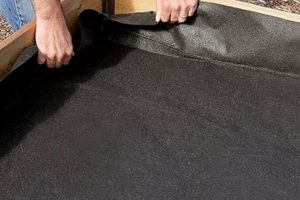
Landscape fabric and plastic mulch function as physical impediments to weed emergence. These materials, when properly installed, prevent sunlight from reaching the soil surface, inhibiting weed seed germination. Landscape fabric allows water and air penetration, promoting soil health, while plastic mulch, although impermeable, provides effective weed control. The choice between these materials depends on specific crop requirements and environmental considerations.
- Organic Mulches: Wood Chips and Straw
Organic mulches, such as wood chips, straw, and shredded bark, suppress weed growth through a combination of mechanisms. These materials create a physical barrier, reduce light penetration, and may release allelopathic compounds that inhibit weed seed germination. Additionally, as organic mulches decompose, they enrich the soil with nutrients, benefiting desired plants while suppressing weed growth. The selection of specific organic mulch should align with soil type and plant needs.
- Solarization: Utilizing Solar Energy for Weed Control
Solarization involves covering the soil with clear plastic sheeting during periods of intense sunlight to raise soil temperatures to lethal levels for weed seeds and pathogens. This method is effective for controlling a wide range of weed species but requires sufficient sunlight and time. Solarization is typically implemented during the fallow period, preparing the soil for subsequent planting. The effectiveness of solarization is dependent on factors such as soil moisture, plastic thickness, and duration of treatment.
- Pre-Emergent Herbicides: Chemical Weed Control
Pre-emergent herbicides are chemicals applied to the soil surface to prevent weed seed germination. These herbicides create a chemical barrier that inhibits cell division in emerging weed seedlings. While effective, the use of pre-emergent herbicides requires careful consideration of potential environmental impacts and compatibility with desired crops. Selection of appropriate herbicide and application rate must adhere to label instructions and regulatory guidelines.
The effective integration of weed suppression strategies is essential for maximizing the productivity and longevity of elevated planting structures. Selection of appropriate barrier materials, whether physical, organic, or chemical, should be informed by crop requirements, environmental considerations, and long-term management goals. Continuous monitoring and adaptive management are necessary to maintain weed-free conditions and ensure the overall success of the elevated planting system.
4. Pest Deterrence

The effective management of pests is a critical aspect of maintaining healthy and productive elevated planting structures. Coverings employed on raised garden beds play a significant role in deterring a wide array of pests, ranging from insects and small animals to birds. The selection and implementation of appropriate materials can create a physical barrier, disrupt pest life cycles, and minimize the need for chemical interventions. This approach aligns with integrated pest management (IPM) principles, emphasizing preventative measures and environmentally sound practices. An example is the use of fine mesh netting to exclude cabbage moths from brassica crops, thereby preventing damage from imported cabbage worms. This physical barrier directly mitigates the pest issue without introducing pesticides into the ecosystem. Similarly, the strategic use of row covers can protect young seedlings from flea beetle infestations, allowing plants to establish themselves before becoming vulnerable to significant damage. These examples demonstrate how the choice of barrier directly impacts pest populations and plant health.
Further applications include the use of reflective mulches, which can disorient aphids and other flying insects, reducing their ability to locate host plants. The practice of surrounding beds with copper tape creates an electrical barrier that deters slugs and snails. The effectiveness of these methods depends on the specific pest pressures present in the garden environment, the properties of the barrier material, and the diligence of the gardener in maintaining the integrity of the protective layer. For instance, ensuring that netting is properly secured to prevent access points for pests is crucial. Regularly inspecting coverings for tears or breaches and promptly repairing them is necessary to maintain their protective function. The design of the structure and the integration of other pest management strategies, such as companion planting and crop rotation, contribute to the overall effectiveness of pest deterrence efforts.
In conclusion, the strategic use of coverings on raised garden beds is an essential component of effective pest management. These structures serve as physical and behavioral barriers, disrupting pest life cycles and minimizing plant damage. While these techniques offer significant benefits, their success hinges on careful material selection, proper installation, and consistent maintenance. Addressing challenges like tear and wear can ensure the longevity and usefulness of these barriers. The integration of these practices into a comprehensive IPM strategy promotes sustainable and environmentally responsible gardening practices.
5. Moisture Retention

The capacity to maintain adequate moisture levels within the soil matrix of elevated planting structures represents a critical determinant of plant health and productivity. Elevated gardens, due to their limited soil volume and increased exposure to environmental factors, are particularly susceptible to moisture loss through evaporation and drainage. The utilization of appropriate materials atop or around these structures directly influences the rate of moisture depletion and, consequently, the frequency of irrigation required. The selection and application of these materials can either exacerbate or mitigate the inherent challenges associated with water management in elevated gardening systems. For example, permeable additions like loosely woven fabrics offer minimal resistance to evaporation, potentially leading to rapid soil drying, especially during periods of high temperature or wind. In contrast, impermeable barriers, such as polyethylene sheeting, effectively reduce evaporation but can impede air exchange and create conditions conducive to anaerobic soil processes if drainage is not adequately managed.
The practical significance of understanding the interplay between materials and moisture retention is evident in various horticultural practices. The implementation of organic mulches, such as straw or wood chips, demonstrates a balanced approach to moisture management. These materials not only reduce evaporation but also improve soil structure and provide a slow release of nutrients as they decompose. These improve soil properties and reduce costs of water. The thickness and composition of the mulch layer significantly influence its effectiveness; a thicker layer provides greater insulation and moisture retention. Gardeners in arid climates frequently employ techniques such as drip irrigation in conjunction with mulches to optimize water use and minimize water loss. This comprehensive approach to water management, coupled with careful monitoring of soil moisture levels, is essential for ensuring the health and vigor of plants grown in elevated settings.
Effective moisture management remains a central challenge in elevated gardening. The selection and application of appropriate materials represent a pivotal step in mitigating water loss and promoting optimal plant growth. The considerations must include careful assessment of the specific environmental conditions, the water requirements of the plants being cultivated, and the properties of the materials being considered. A holistic approach to water management, integrating appropriate water retaining and soil health practices to ensure long-term success and sustainability.
6. Ultraviolet Protection
Ultraviolet (UV) radiation poses a significant threat to both plants and the structural integrity of materials used in elevated planting systems. The intensity of UV exposure can damage plant tissues, inhibit photosynthetic processes, and accelerate the degradation of certain covering materials. Therefore, the incorporation of UV protection into coverings for raised garden beds is a crucial consideration for ensuring plant health and extending the lifespan of the materials themselves. For example, prolonged exposure to UV radiation can cause plastic sheeting to become brittle and crack, diminishing its effectiveness as a weed barrier and moisture retainer. Similarly, unprotected plants may exhibit symptoms of sunscald, characterized by bleached or discolored leaves, stunted growth, and reduced yields.
The mechanisms for providing UV protection vary depending on the material used. UV-resistant plastics incorporate additives that absorb or reflect UV radiation, preventing it from reaching the plants or degrading the material. Shade cloths, typically constructed from woven synthetic fibers, provide physical shading that reduces overall light intensity, including UV radiation. The degree of UV protection offered by shade cloths is typically expressed as a percentage, with higher percentages indicating greater UV blockage. In selecting covering materials, gardeners should consider the specific UV sensitivity of the plants being grown, the intensity of sunlight in their geographic location, and the desired lifespan of the material.
In conclusion, the inclusion of UV protection in coverings for raised garden beds represents a critical investment in plant health and material durability. Neglecting this aspect can lead to reduced yields, increased plant stress, and premature failure of the covering materials. Informed selection of UV-resistant materials and appropriate shading strategies is essential for optimizing the performance and longevity of elevated planting systems. The longevity and integrity of the planting system is preserved through this proactive approach.
Frequently Asked Questions
This section addresses common inquiries regarding the selection, application, and maintenance of protective measures for elevated planting structures.
Question 1: What constitutes an appropriate material for safeguarding against weed proliferation?
Landscape fabric or thick layers of organic mulch effectively suppress weed growth by limiting sunlight exposure to the soil surface. Plastic mulch provides an alternative, but its impermeability necessitates careful water management.
Question 2: How does material selection impact soil temperature within a raised garden bed?
Dark-colored materials absorb solar radiation, increasing soil temperature, beneficial in cooler climates. Reflective materials mitigate heat buildup, advantageous in warmer regions.
Question 3: What measures are necessary to ensure adequate drainage when employing impermeable materials?
Impermeable materials, such as plastic sheeting, require the implementation of drainage holes to prevent waterlogging and subsequent root rot.
Question 4: How can coverings contribute to pest management within a raised garden?
Physical barriers, including insect netting, deter pests, reducing reliance on chemical interventions. Reflective mulches disorient certain insects, further minimizing infestation risks.
Question 5: What is the recommended maintenance protocol for extending the lifespan of coverings?
Regular inspection for tears or breaches is essential. Prompt repairs prevent compromised protection and prolonged material longevity.
Question 6: How should material selection adapt to seasonal variations?
Heavier, insulating materials are appropriate for colder seasons. Breathable materials are preferable during warmer periods to prevent overheating.
The careful consideration of material properties and environmental factors is crucial for maximizing the effectiveness of coverings on elevated planting structures.
The following content will provide information on relevant products for the topic.
Coverings for Raised Garden Beds
The preceding discussion has presented a comprehensive overview of coverings for raised garden beds, delineating their critical role in optimizing plant health, managing environmental factors, and mitigating pest pressures. Strategic material selection, informed by an understanding of permeability, thermal regulation, weed suppression, pest deterrence, moisture retention, and ultraviolet protection, remains paramount. The efficacy of these protective measures is contingent upon proper installation, consistent maintenance, and adaptive management practices tailored to specific plant needs and environmental conditions.
The informed implementation of coverings for raised garden beds represents a significant investment in horticultural success. Continued research and innovation in material science will undoubtedly yield further advancements in protective technologies. Gardeners are encouraged to remain abreast of these developments and to embrace evidence-based practices that promote sustainable and productive elevated gardening systems.