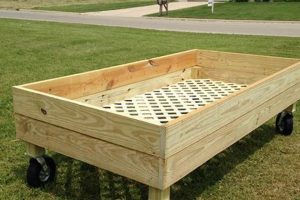
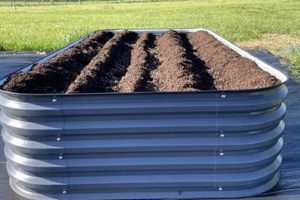
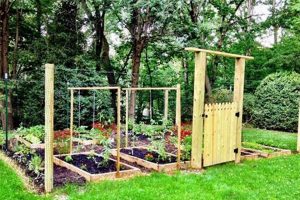
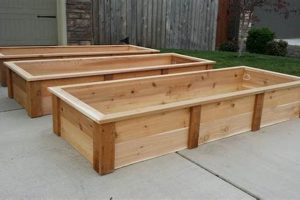
A protective structure designed for elevated planting beds. These enclosures shield vegetation from various environmental elements, pests, and temperature fluctuations. Examples include frameworks covered with mesh, plastic sheeting, or other materials, offering a regulated environment for plant growth.
The use of such structures offers several advantages. They extend the growing season, protect against frost and excessive heat, and deter animal intrusion. Historically, these methods have been employed to enhance agricultural productivity in challenging climates and protect valuable crops.
The subsequent sections will delve into the diverse types of materials employed, the construction methods utilized, and the specific advantages afforded to different types of plants through the utilization of protective enclosures for elevated garden beds.
Practical Considerations for Elevated Planting Bed Protection
Effective utilization requires careful planning and execution. The following guidelines provide a framework for optimizing plant health and yield through strategic implementation.
Tip 1: Material Selection: Prioritize durable, weather-resistant materials appropriate for the regional climate. Polycarbonate panels offer superior insulation and light transmission compared to standard polyethylene sheeting, but require a larger initial investment.
Tip 2: Structural Integrity: Ensure the supporting framework is robust enough to withstand wind loads and snow accumulation. Metal or treated lumber frames provide greater stability than lightweight PVC structures.
Tip 3: Ventilation Management: Implement adjustable vents to regulate temperature and humidity levels. Inadequate airflow can lead to fungal diseases and reduced pollination.
Tip 4: Pest Control Integration: Utilize fine mesh netting to exclude insects without relying on chemical pesticides. Secure the netting tightly to the frame to prevent entry.
Tip 5: Accessibility Planning: Design the structure to allow easy access for planting, watering, and harvesting. Hinged panels or removable sections can facilitate maintenance.
Tip 6: Height Considerations: Determine the appropriate height based on the mature size of the plants being cultivated. Insufficient headroom can restrict growth and airflow.
Tip 7: Anchoring Systems: Secure the entire structure to the ground to prevent displacement during severe weather events. Ground anchors or concrete footings provide enhanced stability.
Effective implementation safeguards plants from adverse conditions, promoting healthier growth and extended harvests. Careful attention to material selection, structural design, and environmental control mechanisms is paramount.
The subsequent section will address advanced techniques for optimizing plant growth within protected elevated beds, including soil management and nutrient delivery strategies.
1. Protection

The primary function associated with enclosed elevated planting beds is providing a protective barrier against detrimental external elements, significantly enhancing plant viability and overall yield. This safeguard encompasses a range of threats, both biotic and abiotic, each necessitating specific design and material considerations.
- Environmental Shielding
These structures mitigate the impact of adverse weather conditions, including excessive rainfall, intense sunlight, and strong winds. Solid covers deflect precipitation, reducing soil erosion and waterlogging. Shade cloth or similar materials filter sunlight, preventing leaf scorch and optimizing photosynthetic efficiency in sensitive plant species. Windbreaks incorporated into the design minimize physical damage from storms.
- Pest and Animal Deterrence
Enclosures impede access to cultivated plants by various pests and foraging animals. Fine mesh netting effectively excludes insects, minimizing the need for chemical pesticides. Sturdy frames and secure bases prevent intrusion by rodents, rabbits, and larger animals, safeguarding crops from consumption or physical disruption. The degree of protection is contingent on the mesh size and structural integrity of the barrier.
- Temperature Regulation
Protective structures facilitate temperature control within the planting environment, enabling growers to extend the growing season and cultivate temperature-sensitive crops. Transparent or translucent covers trap solar radiation, raising ambient temperatures during cooler periods. Ventilation systems allow for heat dissipation during warmer periods, preventing overheating and maintaining optimal growing conditions. The effectiveness of temperature regulation depends on the cover material’s insulation properties and the efficiency of the ventilation system.
- Disease Mitigation
Controlled environments reduce the risk of certain plant diseases by minimizing exposure to pathogens and regulating humidity levels. Physical barriers prevent the entry of airborne spores and insect vectors that transmit diseases. Proper ventilation reduces humidity, inhibiting the growth of fungal pathogens. Maintaining a clean and sanitized growing environment further minimizes the risk of disease outbreaks.
The effectiveness of elevated planting bed protection relies on a holistic approach that addresses multiple environmental and biological stressors. Strategic material selection, robust structural design, and meticulous maintenance are essential for maximizing the benefits of protected cultivation. Furthermore, the specific protective measures should be tailored to the crops being grown and the prevailing environmental conditions in the region.
2. Season Extension

The utilization of elevated planting beds in conjunction with protective enclosures directly impacts the duration of the productive growing period. Season extension, in this context, refers to the capability of initiating planting earlier in the spring and prolonging harvests later into the autumn than would be feasible under open-field conditions. This extension is achieved through the moderation of temperature fluctuations and the provision of a barrier against frost and other adverse weather events. As a component, the capacity for season extension is integral to the value proposition of employing protected elevated planting beds.
For example, in regions with short growing seasons or unpredictable weather patterns, crops such as tomatoes, peppers, and basil, which are sensitive to cold temperatures, can be started weeks or even months earlier inside the protected environment. Conversely, late-season greens like spinach and kale can be shielded from early frosts, allowing for continued harvesting well into the colder months. The practical significance of this extended growing season lies in increased yields, improved crop quality, and the potential for year-round production in certain climates or with supplemental heating.
However, challenges exist. Ventilation management is crucial to prevent overheating during warmer periods, and proper insulation is necessary to maintain adequate temperatures during colder periods. The selection of appropriate cover materials, coupled with diligent monitoring and management, is essential to realizing the full potential of season extension using protected elevated planting beds. The capacity to modify internal conditions will have a direct influence on the scope and duration of seasonal advantages.
3. Pest Deterrence

Elevated planting beds, when integrated with a covering system, exhibit enhanced capabilities in pest management. Pest deterrence, in this context, involves the physical exclusion of various insects, animals, and other organisms that can negatively impact plant health and productivity. The protective barrier afforded by the cover acts as a primary line of defense, mitigating the need for chemical interventions and promoting sustainable gardening practices. The effectiveness of this method relies on the selection of appropriate materials and the construction of a secure, well-sealed enclosure. Examples include using fine mesh netting to prevent insect infestation or constructing a frame with solid panels to deter larger animals such as rabbits and rodents. Consequently, plant damage is reduced, and crop yields are optimized.
The specific design of the covering system significantly influences its efficacy in pest deterrence. For instance, a fully enclosed structure with sealed seams offers superior protection compared to a simple netting drape. Furthermore, the integration of features such as raised edges or buried barriers can further enhance the system’s ability to prevent pest entry. Regular inspection and maintenance are crucial to identify and address any breaches in the protective barrier. Practical applications extend to various crops, ranging from vegetables and herbs to fruits and flowers, providing a reliable means of safeguarding plants from common pests such as aphids, caterpillars, and slugs. The capacity to establish and maintain a physical barrier leads to healthier plants with less reliance on chemical pesticides.
In summary, pest deterrence is an integral benefit of elevated planting beds equipped with covering systems. By creating a physical barrier against pests, these structures contribute to sustainable gardening practices, reduce the need for chemical interventions, and promote healthier plant growth. The effectiveness of this method depends on careful design, material selection, and ongoing maintenance. Challenges may include the cost of materials, the time required for construction, and the potential for pest adaptation. However, the long-term benefits of reduced pest damage and improved crop yields generally outweigh these drawbacks, solidifying the value of pest deterrence in the context of protected elevated planting beds.
4. Temperature Regulation

Temperature regulation within elevated planting beds, facilitated by protective enclosures, is a critical factor influencing plant growth, development, and overall yield. The capacity to control and maintain optimal temperature ranges creates a conducive environment for various plant species, particularly in regions with fluctuating climates or extreme weather conditions.
- Passive Solar Heating
Transparent or translucent cover materials allow solar radiation to penetrate the planting bed, raising the ambient temperature. This passive heating effect is particularly beneficial during cooler periods, extending the growing season and protecting plants from frost damage. The effectiveness of passive solar heating depends on the cover material’s transparency, insulation properties, and the orientation of the planting bed relative to the sun.
- Ventilation Management
Controlling airflow within the enclosed space is essential for preventing overheating and maintaining optimal temperature ranges. Ventilation systems, such as adjustable vents or automated fans, allow for the release of excess heat and humidity, preventing conditions that promote disease development. The design and operation of the ventilation system should be tailored to the specific climate and plant requirements.
- Insulation Properties
The insulation properties of the cover material play a significant role in regulating temperature fluctuations. Materials with high insulation values, such as polycarbonate panels or insulated blankets, help to retain heat during cold periods and reduce heat gain during warm periods. The choice of insulation material depends on the desired level of temperature control and the cost-effectiveness of the solution.
- Thermal Mass
Incorporating thermal mass elements, such as water-filled containers or dark-colored stones, can help to stabilize temperature fluctuations. These elements absorb heat during the day and release it slowly at night, reducing temperature swings and creating a more consistent growing environment. The effectiveness of thermal mass depends on the material’s heat capacity and its placement within the enclosed space.
The integration of these temperature regulation strategies within elevated planting bed systems allows for greater control over the growing environment, resulting in improved plant health, increased yields, and extended growing seasons. Careful consideration of the climate, plant requirements, and available resources is essential for optimizing the effectiveness of these strategies and maximizing the benefits of protected cultivation.
5. Material Durability
The longevity and consistent performance of a raised garden cover are inextricably linked to the durability of the materials employed in its construction. The selection of appropriate materials directly dictates the structure’s ability to withstand environmental stressors and maintain its protective function over extended periods. Material degradation leads to compromised structural integrity, reduced effectiveness in protecting plants, and increased maintenance or replacement costs.
- Frame Resilience
The structural framework supporting the cover necessitates inherent strength and resistance to degradation. Wood, if employed, must be treated to resist rot and insect infestation. Metals require coatings to prevent corrosion. Polymer-based frames should exhibit UV stability to prevent embrittlement and cracking. The choice of framing material determines the overall lifespan and load-bearing capacity of the structure, influencing its ability to withstand wind, snow, and physical impacts.
- Covering Material Integrity
The covering, whether plastic sheeting, mesh netting, or rigid panels, is directly exposed to environmental elements. Polyethylene films should be UV-stabilized to prevent photodegradation and maintain transparency. Mesh netting requires sufficient tensile strength to resist tearing and stretching from wind and animal contact. Rigid panels, such as polycarbonate, must possess impact resistance and thermal stability to withstand temperature fluctuations without warping or cracking. The covering material’s durability dictates its ability to provide consistent protection against pests, weather, and temperature extremes.
- Fastener and Connector Reliability
The components used to join and secure the frame and covering materials are critical for structural integrity. Screws, bolts, clips, and other fasteners must resist corrosion and maintain their holding strength over time. Incompatible material pairings can lead to galvanic corrosion, weakening connections. The failure of fasteners compromises the structural stability of the raised garden cover, potentially leading to collapse or reduced performance.
- Foundation Stability
The means by which the raised garden cover is anchored to the ground contributes significantly to its overall durability. Anchoring systems must resist uplift from wind forces and prevent shifting due to ground movement or soil erosion. Concrete footings, ground anchors, or buried posts provide stability. Inadequate anchoring compromises the structure’s ability to withstand environmental forces, increasing the risk of damage or displacement.
The selection of durable materials is a fundamental consideration in the design and construction of raised garden covers. Careful attention to the long-term performance characteristics of each component is essential for ensuring the structure’s effectiveness, longevity, and resistance to environmental degradation. The initial investment in high-quality materials translates to reduced maintenance, extended lifespan, and consistent protection for cultivated plants.
6. Accessibility
The concept of accessibility, in the context of elevated planting bed protection, directly influences the ease with which individuals can interact with and maintain the plants within the enclosed environment. Thoughtful design considerations that prioritize accessibility are essential for maximizing the benefits of these structures, particularly for individuals with physical limitations or mobility challenges.
- Height and Reach Considerations
The vertical dimension of the enclosure should be carefully determined to allow for comfortable planting, weeding, and harvesting without excessive bending or stretching. Raising the bed to an appropriate height reduces strain on the back and knees. Similarly, the depth of the bed should be shallow enough to allow for easy reach to all plants without requiring excessive leaning or reaching. Practical examples include varying the height based on the gardener’s stature or incorporating tiered designs to bring plants closer to the user. Implications include increased user comfort, reduced risk of injury, and greater accessibility for individuals with disabilities.
- Entry and Maneuverability
The design should incorporate adequate entry points that facilitate easy access for both the gardener and any necessary equipment, such as watering cans or small tools. Wide openings and clear pathways within the enclosure minimize obstructions and allow for unrestricted movement. Consider incorporating features such as hinged panels, removable sections, or roll-up doors to provide flexible access options. Examples include incorporating a wheelchair-accessible ramp or providing ample space for maneuvering garden carts. This translates to ease of use, and a broader range of individuals being able to actively participate in gardening activities.
- Tool Storage and Organization
Integrated storage solutions enhance accessibility by providing convenient access to necessary tools and supplies. Designated areas for storing hand tools, watering devices, and fertilizers minimize clutter and prevent tripping hazards. Consider incorporating shelves, hooks, or built-in compartments within the enclosure to optimize storage space and promote organization. Examples include installing a small shelf for holding seed packets or attaching hooks for hanging gardening gloves and trowels. Improved organization streamlines gardening tasks and reduces the time and effort required for maintenance.
- Visibility and Lighting
Adequate visibility within the enclosure is essential for monitoring plant health and identifying potential problems. Transparent or translucent cover materials allow for ample natural light penetration. Supplemental lighting may be necessary in shaded areas or during periods of low light intensity. Consider incorporating strategically placed lighting fixtures to illuminate the planting area and enhance visibility during evening hours. Examples include using LED strip lights to provide uniform illumination or installing a magnifying glass for closer inspection of plant leaves. Improved visibility promotes early detection of pests or diseases and facilitates timely intervention.
The integration of these accessibility considerations into the design and construction of elevated planting bed protection systems ensures that gardening remains an enjoyable and inclusive activity for individuals of all abilities. By prioritizing user comfort, convenience, and safety, these structures promote greater engagement and foster a deeper connection with nature.
Frequently Asked Questions
The following addresses common inquiries regarding the selection, implementation, and maintenance of protective structures for elevated planting beds.
Question 1: What constitutes an appropriate material for a raised garden cover in a region experiencing high winds?
Material selection necessitates consideration of wind resistance. Polycarbonate panels or reinforced polyethylene sheeting affixed to a robust frame, constructed from metal or treated lumber, provides enhanced stability compared to lighter materials. Securing the structure to the ground with anchors is also crucial.
Question 2: How can adequate ventilation be achieved within a covered elevated garden bed during periods of high humidity?
Ventilation is critical for preventing fungal diseases. Adjustable vents positioned strategically along the sides and top of the structure facilitate airflow. Automated ventilation systems, incorporating sensors and fans, provide more precise control over temperature and humidity levels.
Question 3: What measures can be implemented to prevent animal intrusion into a covered raised garden bed?
Deterring animals requires a multi-faceted approach. Securely fastening fine mesh netting to the frame prevents insect access. Burying wire mesh around the base of the bed deters burrowing animals. Employing a sturdy frame constructed from durable materials, such as treated lumber or metal, resists damage from larger animals.
Question 4: What is the recommended method for cleaning a raised garden cover to maintain optimal light transmission?
Regular cleaning is essential for maximizing light penetration. Use a mild detergent and water solution, applied with a soft brush or cloth. Avoid abrasive cleaners, which can damage the cover material. Rinse thoroughly to remove any soap residue.
Question 5: How frequently should a raised garden cover be inspected for damage or wear?
Routine inspections are crucial for identifying and addressing potential problems. Examine the cover, frame, and fasteners at least monthly. Pay particular attention to areas prone to stress, such as corners and seams. Promptly repair any damage to prevent further deterioration.
Question 6: What are the implications of using an opaque material for a raised garden cover?
Opaque covers impede light transmission, limiting photosynthetic activity and potentially reducing plant growth. These materials are suitable only for specific applications, such as providing temporary shade during periods of intense sunlight or protecting plants from frost at night. The duration of opaque cover usage should be minimized to avoid negative impacts on plant health.
In summation, effective utilization of protective structures for elevated planting beds requires diligent planning, consistent maintenance, and informed decision-making regarding materials and environmental control strategies.
The subsequent section will explore advanced techniques for optimizing plant health within protected elevated beds, including soil management and nutrient delivery strategies.
Conclusion
This exploration has detailed the multifaceted benefits and considerations associated with elevated planting bed protection. Material selection, structural integrity, environmental control, and accessibility are paramount for realizing the full potential of these systems. The capacity to extend growing seasons, deter pests, and regulate temperature contributes significantly to enhanced plant health and optimized yields.
The strategic implementation of elevated planting bed protection represents a tangible investment in sustainable gardening practices and resource efficiency. Continued research and development in materials science and design will undoubtedly further refine these systems, expanding their applicability across diverse climates and agricultural contexts. The responsible utilization of these technologies holds the potential to contribute to food security and promote environmental stewardship.