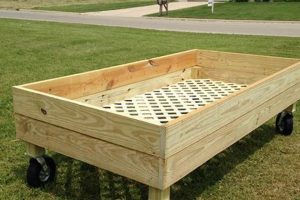
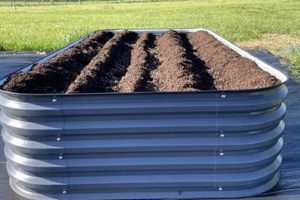
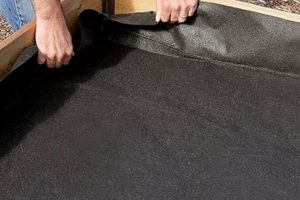
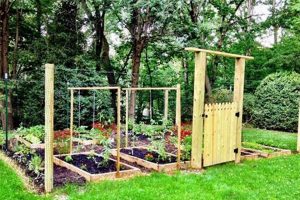
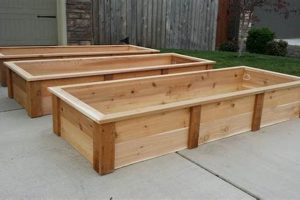
These protective structures, typically crafted from fabric or plastic, are designed to shield cultivated plants within elevated planting areas. They create a microclimate that promotes growth and offers defense against various environmental stressors. An example includes using a lightweight, spun-bonded polypropylene material to protect young vegetable seedlings from frost and insect pests within a designated area.
The implementation of these protective barriers provides several key advantages. They offer temperature regulation, safeguarding against extremes of heat and cold, which extends the growing season. Furthermore, they act as a physical barrier against insects, birds, and other potential pests, reducing the need for chemical intervention. Historically, similar techniques have been used in agriculture for centuries to improve crop yields and protect vulnerable plants.
Further discussion will delve into the selection criteria, installation methods, and maintenance practices associated with these plant safeguarding methods. Attention will also be given to the different material options available and their respective benefits for varied growing conditions and plant types within the garden. The goal is to provide information necessary to effectively use these protective elements in your gardening endeavors.
Tips for Effective Protective Structures in Elevated Planting Areas
Optimizing the effectiveness of protective coverings requires careful consideration of several factors. The following tips provide guidance on selecting, installing, and maintaining these structures to maximize their benefits.
Tip 1: Material Selection: Choose material based on the primary need. Lightweight fabrics provide insect protection and slight frost protection. Heavier plastics offer more substantial warmth and wind resistance, but ventilation must be addressed.
Tip 2: Proper Sizing: Accurate measurements are crucial. The covering should adequately enclose the entire planting area without excessive sagging, which can accumulate water or snow and damage plants.
Tip 3: Secure Anchoring: Reliable anchoring prevents wind damage. Use sandbags, bricks, or specialized clips to firmly secure the edges of the covering to the frame or ground.
Tip 4: Adequate Ventilation: Air circulation is essential to prevent overheating and fungal diseases. Implement ventilation openings or remove the covering during warmer periods.
Tip 5: Regular Inspection: Regularly inspect the covering for tears, holes, or other damage. Prompt repairs maintain its protective integrity and prevent pest entry.
Tip 6: Pest Monitoring: Periodically check plants under the covering for signs of pests or diseases. Early detection allows for targeted treatment while minimizing overall impact.
Tip 7: Crop Rotation Considerations: Implement crop rotation practices, considering the use of coverings for different plant families to manage soil health and pest populations.
Implementing these tips enhances the functionality and longevity of protective coverings, resulting in healthier plants and increased yields. Careful planning and consistent maintenance are vital for successful utilization.
The next section will address common challenges encountered when using these protective measures and provide troubleshooting strategies.
1. Pest Protection

Pest protection is a primary function and a significant benefit of employing protective coverings in elevated planting spaces. These structures create a physical barrier, impeding access to vulnerable plants by various insect pests, thereby minimizing damage and reducing the need for chemical interventions.
- Exclusion of Flying Insects
Lightweight fabrics, such as spun-bonded polypropylene, effectively prevent flying insects, including aphids, cabbage moths, and flea beetles, from reaching crops. This direct physical barrier disrupts insect life cycles and prevents egg-laying on host plants, leading to reduced pest populations within the covered area. For example, covering brassica crops with fine mesh fabric during the peak cabbage white butterfly season virtually eliminates caterpillar damage.
- Prevention of Soil-Borne Pest Emergence
In addition to excluding flying insects, certain coverings can hinder the emergence of soil-borne pests. By creating a barrier at the soil surface, the covering prevents newly hatched insects from reaching the plants above. This is particularly effective against pests that overwinter in the soil, such as certain types of weevils and root maggots. Careful sealing of the edges of the covering is essential to maximize this effect.
- Reduction of Virus Transmission
Many plant viruses are transmitted by insect vectors. By preventing insect access to crops, protective coverings indirectly reduce the incidence of virus transmission. This is especially important for crops susceptible to viral diseases spread by aphids or whiteflies. Using insect netting with a fine mesh size is crucial for preventing these small vectors from penetrating the barrier.
- Creation of a Modified Microclimate Unfavorable to Pests
Protective coverings alter the microclimate around plants, which can indirectly impact pest populations. The increased temperature and humidity under the covering can create conditions less favorable to certain pests while potentially favoring others. Careful monitoring and adjustment of the covering, such as providing adequate ventilation, is essential to prevent unintended consequences, like increased fungal diseases or the proliferation of specific pests adapted to the warmer environment.
The effectiveness of pest protection strategies using coverings is enhanced through diligent monitoring, appropriate material selection, and consistent maintenance. Careful consideration of the pest spectrum, the specific needs of the crop, and the local climate conditions are vital for maximizing the benefits of this method. These covers contribute significantly to sustainable gardening practices by reducing reliance on chemical pesticides.
2. Temperature Regulation

The use of protective coverings within elevated planting areas significantly influences temperature regulation, creating a modified microclimate that directly affects plant growth and development. The covering acts as a thermal buffer, mitigating temperature extremes and creating a more stable environment. In cooler climates, it traps solar radiation, increasing air and soil temperatures, thereby extending the growing season and protecting plants from frost damage. Conversely, in hotter climates, certain materials can reduce excessive heat buildup, preventing stress and sunscald.
The effectiveness of temperature regulation depends on the material type, its thickness, and the degree of ventilation provided. Lightweight fabrics offer minimal temperature modification but provide frost protection. Heavier plastics or specialized greenhouse films retain more heat but require careful monitoring to prevent overheating. Ventilation, achieved through adjustable openings or periodic removal, allows excess heat to dissipate, maintaining optimal growing conditions. An example is the use of a low tunnel structure with polyethylene film, which can raise the internal temperature by several degrees during the day, promoting early seedling growth. However, this structure must be vented on warm days to prevent heat stress. Plants like tomatoes and peppers benefit from the warm soil and air temperatures created by these covers early in the season.
Temperature regulation is a critical component in optimizing plant health and productivity within elevated planting beds. Understanding the interaction between the covering material, ventilation strategies, and ambient conditions is essential for achieving desired outcomes. Challenges include balancing heat retention with the risk of overheating and managing condensation, which can foster fungal diseases. Proper installation and diligent monitoring ensure the protective covering contributes effectively to temperature management, enhancing plant vigor and maximizing yields.
3. Material Durability

The effectiveness of plant protection strategies employing coverings is inextricably linked to material durability. The lifespan and protective capacity of a covering are directly determined by its resistance to degradation from environmental factors. Solar radiation, wind stress, precipitation, and temperature fluctuations exert constant pressure on the structural integrity of these materials. Failure to select durable options leads to premature degradation, compromised plant protection, and increased replacement costs. For example, a lightweight polyethylene film may provide adequate initial protection, but its rapid deterioration under intense sunlight renders it ineffective within a single growing season. Conversely, a more robust, UV-stabilized polypropylene fabric withstands prolonged exposure, delivering consistent protection over multiple seasons.
Material durability impacts several key aspects of plant health and productivity. A robust covering maintains consistent light transmission, temperature regulation, and pest exclusion capabilities. Degraded materials exhibit reduced light transmission, hindering photosynthetic activity and plant growth. Tears or punctures compromise the barrier against pests and environmental stressors. Selecting materials resistant to tearing, abrasion, and UV degradation is crucial for ensuring consistent and reliable plant protection. Furthermore, the method of construction affects overall material integrity. Reinforced seams and edges, for instance, enhance resistance to tearing under wind stress. Using appropriate anchoring systems also contributes to durability by preventing excessive flapping and abrasion.
Ultimately, the selection of durable materials for plant coverings represents a long-term investment in sustainable gardening practices. While initial costs may be higher for durable options, the extended lifespan and consistent performance result in reduced replacement frequency, lower overall expenses, and minimized environmental impact. Evaluating the specific environmental conditions, plant needs, and anticipated lifespan is essential for selecting the most cost-effective and durable materials. Prioritizing material durability ensures the coverings remain a viable and effective strategy for plant protection, contributing significantly to successful cultivation.
4. Installation Ease
Installation ease is a primary consideration when utilizing protective coverings in elevated planting beds, influencing adoption rates and the practicality of implementation. The complexity of installation impacts the time and labor required, potentially deterring gardeners from employing these beneficial structures. Simplicity in setup directly translates to increased accessibility and more widespread use.
- Frame Design and Assembly
The design of the support structure significantly affects installation ease. Pre-fabricated frames with simple, interlocking components streamline the assembly process. For example, hoops made from flexible PVC or metal that slide into designated slots require minimal tools and expertise. In contrast, custom-built frames necessitating precise cutting and fastening introduce complexity and increase the potential for errors during installation.
- Cover Attachment Mechanisms
Attachment mechanisms used to secure the covering material to the frame impact installation time and the stability of the structure. Simple clip systems or integrated drawstring closures facilitate quick and secure attachment. Conversely, methods requiring manual sewing or complex knot-tying increase installation difficulty and may compromise the integrity of the covering. Clamps that can be easily adjusted are considered an important component for easy adjust the covering to frame.
- Portability and Adjustability
Systems that allow for easy relocation or adjustment of the covering contribute to installation ease. Lightweight components and modular designs enable quick repositioning of the structure as needed. Designs that allow height adjustment may further give convenience for ease installation. Furthermore, systems that can be easily disassembled and stored when not in use simplify installation and removal processes across multiple seasons.
- Instruction Clarity and Documentation
Clear, concise instructions and comprehensive documentation significantly influence installation ease. Detailed diagrams, step-by-step instructions, and instructional videos guide users through the process, minimizing errors and frustration. Poorly written instructions or inadequate documentation can lead to incorrect assembly, compromising the effectiveness and longevity of the covering.
The aspects of installation are interconnected to make row covers for raised garden beds successful. Prioritizing user-friendly designs, simple attachment methods, and comprehensive documentation enhances the accessibility and appeal of these protective structures. Easy installation promotes wider adoption, resulting in improved plant health, increased yields, and more sustainable gardening practices.
5. Ventilation Needs

Adequate ventilation is a critical factor determining the effectiveness and overall benefits derived from protective coverings in elevated planting areas. Insufficient airflow can lead to a range of problems, negatively impacting plant health, while proper ventilation promotes a favorable microclimate conducive to vigorous growth. The provision of appropriate airflow must be carefully considered during the design, installation, and ongoing management of these structures.
- Temperature Regulation
Ventilation plays a crucial role in managing temperature within covered areas. During periods of intense sunlight, enclosed spaces can rapidly overheat, leading to plant stress, reduced photosynthesis, and even tissue damage. Ventilation allows excess heat to escape, maintaining optimal temperatures for plant growth. For instance, on a sunny summer day, a polyethylene-covered structure can reach temperatures exceeding 120F without ventilation, whereas proper airflow can maintain the temperature within a more manageable range of 80-90F. This is particularly crucial for heat-sensitive crops such as lettuce and spinach.
- Humidity Control
Elevated humidity levels within covered areas create conditions favorable for fungal diseases. Poorly ventilated environments trap moisture transpired by plants and evaporated from the soil, leading to saturation and the proliferation of pathogens such as powdery mildew and botrytis. Ventilation reduces humidity by promoting air exchange, preventing the buildup of moisture and creating a less hospitable environment for fungal growth. Regular venting of covers, especially in humid climates, can significantly reduce the incidence of these diseases.
- Carbon Dioxide Replenishment
Photosynthesis, the process by which plants convert light energy into chemical energy, requires carbon dioxide (CO2). In tightly sealed environments, CO2 levels can become depleted as plants actively photosynthesize, limiting their growth potential. Ventilation replenishes CO2 by introducing fresh air from outside the covered area. This is particularly important in enclosed structures where plant density is high, and CO2 uptake is rapid. While the impact of CO2 depletion may not be immediately apparent, over the long term, it can significantly reduce overall plant productivity.
- Pollination Facilitation
For certain crops that require insect pollination, adequate ventilation facilitates access for pollinators. While some coverings are designed to exclude insects, others allow controlled access, depending on the mesh size and design. Ventilation, in this context, ensures that pollinators can freely move within the covered area, accessing flowers and facilitating pollination. Without sufficient airflow, pollinators may be reluctant to enter the structure, leading to reduced fruit set and lower yields. This is particularly relevant for crops such as strawberries, blueberries, and certain vegetable varieties.
These interconnected elements illustrate the importance of incorporating appropriate ventilation strategies into the use of coverings in elevated planting areas. Careful consideration of the specific crop requirements, local climate conditions, and covering material properties is essential for optimizing ventilation and maximizing plant health and productivity. Proper ventilation strategies, whether through adjustable openings, removable sections, or the use of breathable materials, are indispensable for successful implementation.
6. Water Penetration

Water penetration represents a critical factor influencing the efficacy of protective coverings in raised garden bed systems. It determines the availability of essential hydration for plants, impacting growth, nutrient uptake, and overall health. The manner in which water permeates or is excluded by the covering material necessitates careful consideration for optimal plant performance.
- Material Permeability
The intrinsic permeability of the covering material dictates the degree to which water can directly reach the soil. Fabrics such as spun-bonded polypropylene allow water to pass through, enabling irrigation or rainfall to hydrate plants without removing the covering. Impermeable materials like polyethylene necessitate manual watering or irrigation systems beneath the cover, requiring periodic removal for precipitation to reach the soil. The selection of material permeability hinges on climate conditions, plant water requirements, and irrigation strategies.
- Condensation Formation
Condensation can form on the inner surface of coverings, particularly in humid conditions or during temperature fluctuations. This condensation can drip onto plants, providing a localized source of water. While beneficial in arid environments, excessive condensation can elevate humidity levels, fostering fungal diseases. Managing condensation involves proper ventilation to reduce moisture buildup and selecting materials that minimize condensation formation.
- Runoff Management
Coverings can alter the distribution of water, potentially leading to runoff along the edges. This runoff can cause soil erosion and uneven hydration, impacting plant growth. Proper installation, ensuring a tight seal around the perimeter, minimizes runoff. Furthermore, incorporating water-retentive soil amendments can enhance water absorption and reduce the impact of runoff.
- Irrigation System Compatibility
The compatibility of the covering with irrigation systems is a significant consideration. Drip irrigation systems, positioned beneath the covering, deliver water directly to the root zone, minimizing water loss through evaporation. Overhead irrigation, while effective with permeable coverings, may increase humidity levels and disease risk. Selecting an irrigation system that complements the covering material and plant water requirements is essential for efficient water use and plant health.
The interplay between material properties, environmental conditions, and irrigation practices dictates the success of water management within raised garden beds utilizing protective coverings. Careful selection of materials and irrigation strategies optimizes water penetration, ensuring adequate hydration, minimizing disease risks, and maximizing plant productivity.
7. Frame Compatibility

Frame compatibility is a fundamental determinant of the structural integrity and functional effectiveness of protective coverings employed in elevated planting bed systems. The successful integration of covering materials with supporting frames ensures stability, optimizes plant protection, and enhances the overall lifespan of the setup. Mismatched components compromise the system, reducing its ability to withstand environmental stressors and diminishing its intended benefits.
- Material Compatibility
The physical properties of the frame material must be compatible with the covering material. For instance, a rigid metal frame may not be suitable for use with a delicate spun-bonded fabric, as sharp edges can cause tearing. Conversely, a flexible PVC frame may lack the structural strength to support a heavy-duty plastic film in windy conditions. Matching the materials based on strength, flexibility, and potential for abrasion is crucial for long-term durability.
- Dimensional Accuracy
Precise dimensional alignment between the frame and the covering is essential for a secure fit. Oversized coverings are prone to sagging, which accumulates water or snow, increasing stress on the frame. Undersized coverings create tension, potentially leading to tearing or detachment. Accurate measurements and tailored construction ensure a snug fit, maximizing wind resistance and minimizing stress points.
- Attachment Mechanisms
The design of attachment mechanisms directly impacts the ease of installation and the security of the connection. Clips, clamps, or grommets must be compatible with both the frame and covering materials, providing a firm grip without causing damage. Incompatible attachment methods lead to slippage, tearing, or complete detachment, compromising the protective function of the covering.
- Load-Bearing Capacity
The frame’s load-bearing capacity must be sufficient to support the covering under various environmental conditions. Wind, rain, and snow exert significant force on the structure, and the frame must be robust enough to withstand these loads without buckling or collapsing. Inadequate load-bearing capacity can result in structural failure, exposing plants to the elements and necessitating costly repairs or replacements.
The interconnected nature of these facets underscores the importance of a holistic approach to frame compatibility within elevated planting systems. Selecting appropriate materials, ensuring dimensional accuracy, utilizing compatible attachment methods, and verifying adequate load-bearing capacity are essential steps in maximizing the effectiveness and longevity of protective coverings. Careful consideration of these factors contributes significantly to sustainable gardening practices and enhances overall plant health and productivity.
Frequently Asked Questions
The following section addresses common inquiries regarding the implementation and maintenance of protective coverings within elevated planting systems, providing clarity on best practices and potential challenges.
Question 1: What is the expected lifespan of materials used for protective coverings?
The lifespan of protective coverings varies significantly depending on the material composition, environmental exposure, and maintenance practices. Lightweight fabrics, such as spun-bonded polypropylene, may last one to two seasons under moderate conditions. Heavier plastics and specialized greenhouse films, with UV stabilization, can endure for several years with proper care. Regular inspection and timely repairs extend the functional lifespan of all materials.
Question 2: How frequently should protective coverings be ventilated?
Ventilation frequency depends on ambient temperature, humidity levels, and plant requirements. During periods of intense sunlight, daily ventilation is often necessary to prevent overheating. In humid climates, ventilation should occur regularly to minimize moisture buildup and reduce the risk of fungal diseases. Observing plant conditions and monitoring internal temperatures provides the best guide for determining appropriate ventilation schedules.
Question 3: Can protective coverings be used year-round?
The suitability of year-round use depends on the climate and the specific goals of the gardener. In milder climates, coverings can provide continuous protection against pests and temperature fluctuations. In regions with harsh winters, coverings may be removed during dormant periods to prevent snow accumulation and potential structural damage. Careful consideration of seasonal conditions and plant needs informs the optimal use of coverings throughout the year.
Question 4: Are all covering materials suitable for organic gardening practices?
Not all covering materials are certified for organic use. Gardeners adhering to organic practices should select materials that are free from prohibited substances and meet the standards of relevant certification bodies. Spun-bonded polypropylene and certain types of polyethylene are commonly approved for organic gardening; however, verifying certification status before purchase is recommended.
Question 5: How can condensation buildup under coverings be minimized?
Condensation buildup can be minimized through adequate ventilation, proper plant spacing, and the use of moisture-absorbing soil amendments. Ventilation promotes air circulation, reducing humidity levels and preventing condensation from forming. Sufficient plant spacing allows for better airflow around foliage, minimizing moisture entrapment. Incorporating organic matter into the soil enhances drainage and reduces the amount of water available for evaporation.
Question 6: What are the best methods for anchoring protective coverings to withstand wind?
Effective anchoring methods include the use of sandbags, bricks, or specialized clips designed for securing coverings to frames or the ground. Distributing anchors evenly around the perimeter of the covering ensures uniform tension and minimizes the risk of wind uplift. Burying the edges of the covering in the soil provides additional stability. Selecting durable materials resistant to tearing further enhances wind resistance.
These frequently asked questions highlight the nuances of employing protective measures. A comprehensive understanding supports successful utilization and optimal plant health.
The concluding segment offers summary and conclusions.
Conclusion
This exploration has illuminated the multifaceted considerations involved in the effective utilization of plant safeguarding methods in elevated planting areas. From material selection and installation techniques to ventilation strategies and water management, each element contributes to the overall success of these protective systems. A comprehensive understanding of these factors, including frame compatibility and material durability, is essential for maximizing plant health and productivity.
The implementation of these structures, therefore, necessitates diligent planning and consistent maintenance. Continued research and innovation in materials and design will likely further enhance their effectiveness and accessibility. Future horticultural practices should prioritize the integration of these safeguarding methods as a cornerstone of sustainable and productive cultivation.