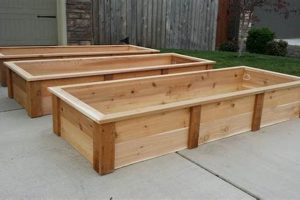
Winter preparation for elevated planting structures involves several key steps to protect the soil, the structure itself, and any remaining plants from harsh winter conditions. This process typically includes removing dead or diseased plant material, amending the soil, and providing a protective covering. Failure to adequately prepare can lead to soil erosion, damage to the bed’s construction, and a less productive growing season in the spring.
Proper preparation offers multiple advantages. It minimizes nutrient loss from the soil due to leaching and erosion, thus setting the stage for robust plant growth when warmer weather returns. Furthermore, protecting the raised bed structure from frost heave and extreme temperature fluctuations prolongs its lifespan, reducing maintenance costs. Historically, gardeners have employed various techniques, such as layering organic matter, to insulate and enrich soil during the dormant season, ensuring a fertile start for subsequent plantings.
The following sections will outline practical approaches for readying these planting areas for winter’s impact, focusing on soil management, structural preservation, and strategies to encourage beneficial microbial activity throughout the colder months. The intention is to equip gardeners with the knowledge needed to ensure the continued health and productivity of their raised beds.
Winter Preparation Guidance
The following recommendations detail methods for preparing elevated planting structures for the winter season, focusing on soil protection, structural integrity, and fostering a beneficial soil environment.
Tip 1: Remove Plant Debris. Clear all dead or diseased plant matter from the beds. This eliminates potential overwintering sites for pests and diseases, preventing their spread in the spring.
Tip 2: Amend the Soil. Incorporate organic matter such as compost, aged manure, or leaf mold into the soil. This enriches the soil with nutrients, improves drainage, and enhances soil structure for the next growing season.
Tip 3: Consider a Cover Crop. Plant a winter cover crop, such as rye or winter wheat, to prevent soil erosion and nutrient loss. These crops can be tilled into the soil in the spring, providing additional organic matter.
Tip 4: Apply a Layer of Mulch. Spread a thick layer of mulch, such as straw, shredded leaves, or wood chips, over the soil surface. This insulates the soil, protects against temperature fluctuations, and suppresses weed growth.
Tip 5: Protect the Structure. If the raised bed is constructed from wood, consider applying a sealant or preservative to protect it from moisture and decay. This extends the lifespan of the structure.
Tip 6: Check Drainage. Ensure that the raised bed has adequate drainage to prevent waterlogging, which can damage plant roots and the structure during freezing temperatures.
Tip 7: Monitor for Pests. Even during winter, monitor the beds for signs of pest activity. Address any infestations promptly to prevent them from becoming a larger problem in the spring.
By following these guidelines, individuals can safeguard the health and longevity of their raised planting areas, ensuring they are primed for a successful growing season when spring arrives. These steps contribute to a more sustainable and productive gardening practice.
The next section will explore considerations related to specific regional climates and their impact on winter preparation strategies.
1. Soil Enrichment

Soil enrichment constitutes a foundational element of successful preparation for the winter season. The act of amending soil during winterization directly addresses nutrient depletion experienced throughout the active growing months. Without replenishment, the soil’s capacity to support vigorous plant growth in the subsequent spring is compromised. For example, the repeated cultivation of tomatoes and peppers, heavy feeders, can significantly reduce the availability of essential elements like nitrogen and phosphorus. Winterization provides an opportunity to incorporate composted materials, aged manure, or cover crops, which slowly release these nutrients back into the soil matrix.
The benefits of soil enrichment extend beyond simple nutrient replacement. The addition of organic matter improves soil structure, enhancing drainage and aeration. This is particularly crucial in climates with heavy winter precipitation. Improved soil structure mitigates the risk of waterlogging and compaction, safeguarding root systems from anaerobic conditions. Furthermore, the decomposition of organic matter encourages beneficial microbial activity, which plays a vital role in nutrient cycling and disease suppression. A practical example involves adding shredded leaves to the soil in the fall; as these leaves break down over the winter, they provide a valuable source of carbon and support a healthy soil food web.
In conclusion, soil enrichment during winterization is not merely a cosmetic practice but a critical intervention that profoundly impacts long-term soil health and productivity. Neglecting this aspect can lead to stunted plant growth, increased susceptibility to disease, and ultimately, diminished yields. By focusing on soil enrichment, individuals ensure the continued viability of their elevated planting structures and contribute to a more sustainable and resilient gardening system.
2. Structural Protection

Structural protection, when considering elevated planting beds, directly correlates with the methods deployed to ready them for winter. The primary objective is to mitigate potential damage caused by freezing and thawing cycles, snow accumulation, and prolonged exposure to moisture. These factors can compromise the integrity of the bed’s materials, leading to warping, cracking, or even complete failure of the structure. For example, wooden beds, without protective sealant, absorb moisture, which then expands upon freezing, causing the wood to split. Similarly, metal beds are susceptible to corrosion if not properly coated or maintained. Structural safeguarding, therefore, forms an integral component of adequate winterization.
Implementing appropriate protective measures extends the lifespan of the raised bed and prevents costly repairs. Common practices include applying a water-resistant sealant to wooden structures, ensuring proper drainage to prevent water accumulation around the base, and removing heavy snow loads to minimize stress on the walls. In regions with severe winters, some gardeners employ insulated covers or wraps to further protect the structure from extreme temperature fluctuations. Concrete or stone beds, while more durable, still benefit from inspection for cracks or weaknesses that could be exacerbated by winter conditions. Neglecting structural integrity during winterization can lead to significant deterioration, necessitating premature replacement or extensive repair work in the spring.
In conclusion, structural protection is not a peripheral aspect of winterizing elevated planting structures but a vital measure for ensuring their longevity and continued functionality. Diligent attention to material-specific vulnerabilities, combined with the application of appropriate protective strategies, constitutes a proactive approach to garden maintenance. These efforts minimize the risk of structural damage, preserving the investment and guaranteeing the bed’s readiness for subsequent growing seasons.
3. Pest Prevention

Effective pest prevention during the winterization process is crucial for mitigating potential infestations that could compromise future plant health and productivity. The dormant season offers a unique opportunity to disrupt pest life cycles and reduce populations before the next growing season commences. Neglecting pest control measures during this period can lead to significant challenges in managing outbreaks when plants become vulnerable again.
- Removal of Plant Debris
Plant debris, such as fallen leaves and decaying stems, provides overwintering habitat for many common garden pests, including insect larvae and fungal pathogens. Removing this material eliminates potential breeding grounds and reduces the likelihood of infestation in the spring. This practice can be as simple as raking up loose material or trimming back affected foliage.
- Soil Solarization
In warmer climates, soil solarization can be an effective method for reducing pest populations in raised beds. This technique involves covering the soil with clear plastic sheeting during periods of intense sunlight. The trapped heat sterilizes the top layers of soil, killing weed seeds, nematodes, and other soilborne pests. Solarization is particularly useful for addressing persistent pest problems that are difficult to manage through other means.
- Application of Dormant Oil
Dormant oil is a horticultural oil that is applied to dormant trees and shrubs to smother overwintering insects and their eggs. While primarily used for woody plants, dormant oil can also be used judiciously on raised beds to control certain pests. For instance, it can be effective against scale insects and mites that may be sheltering in crevices or on plant remnants.
- Beneficial Insect Habitat
While removing pest habitats is important, it’s equally crucial to encourage beneficial insects that prey on pests. Consider leaving some undisturbed areas near the raised beds to provide refuge for these beneficial organisms during the winter. Adding features like insect hotels or leaving standing dead stems can support populations of ladybugs, lacewings, and other predatory insects that help control pest outbreaks naturally.
These preventative strategies, when integrated into the winterization routine, contribute to a healthier garden ecosystem and reduce the need for chemical interventions during the active growing season. Focusing on pest prevention in autumn establishes a solid foundation for a more productive and less problematic gardening experience the following spring.
4. Moisture Control

Moisture control is a critical component of winter preparation for elevated planting structures. Improper management of soil moisture can lead to several adverse effects, including waterlogging, soil compaction, and root damage due to freezing temperatures. Saturated soil expands when frozen, potentially damaging plant roots and exacerbating structural weaknesses in the raised bed itself. Conversely, excessively dry soil is prone to wind erosion and can reduce beneficial microbial activity. Therefore, regulating moisture levels is essential for preserving both the integrity of the raised bed and the viability of its soil.
Effective moisture control strategies include ensuring adequate drainage within the raised bed by using well-draining soil mixes and incorporating drainage layers at the base. Amending the soil with organic matter, such as compost or aged manure, improves its water-holding capacity while simultaneously promoting drainage, preventing both waterlogging and excessive drying. Applying a layer of mulch to the soil surface helps to insulate the soil, reduce evaporation, and moderate moisture fluctuations. For example, a thick layer of straw mulch can prevent soil from becoming waterlogged during periods of heavy rain and can also help to retain moisture during drier periods. In regions with heavy snowfall, directing snowmelt away from the base of the raised bed minimizes the risk of structural damage and soil saturation.
In conclusion, proper moisture control during winter preparation is not merely a supplementary consideration but a fundamental requirement for maintaining the health and longevity of raised beds. By implementing appropriate drainage and soil amendment techniques, individuals can mitigate the negative impacts of winter weather, ensuring the continued productivity of their elevated planting areas. Careful attention to moisture management promotes a stable soil environment, minimizing stress on both the plants and the raised bed structure itself.
5. Temperature Regulation

Temperature regulation is a crucial aspect of preparing elevated planting structures for winter. Maintaining a consistent soil temperature, even during periods of extreme cold, is essential for protecting plant roots, preserving beneficial microbial activity, and preventing damage to the physical structure of the bed itself. This regulation minimizes the detrimental effects of fluctuating temperatures and ensures a more favorable environment for the subsequent growing season.
- Mulch Application
Mulch serves as a thermal insulator, buffering the soil against rapid temperature changes. A thick layer of organic mulch, such as straw or shredded leaves, reduces the impact of freezing temperatures on plant roots and helps retain warmth during brief periods of sunshine. For instance, a 4-6 inch layer of straw can moderate soil temperature fluctuations by several degrees, preventing root damage from frost heave and minimizing stress on overwintering plants.
- Snow Cover Management
While often perceived as a nuisance, snow can act as a natural insulator for raised beds. A consistent snow cover provides a layer of protection against extreme cold, preventing the soil from freezing solid. However, excessive snow accumulation can also exert pressure on the bed structure, potentially causing damage. Therefore, judicious management of snow cover involves allowing a moderate layer to remain for insulation while removing excessive accumulations to prevent structural stress.
- Cold Frames and Covers
For regions experiencing particularly harsh winters, employing cold frames or protective covers can provide an additional layer of temperature regulation. Cold frames trap solar radiation, creating a warmer microclimate within the raised bed. Similarly, row covers made of fabric or plastic can protect plants from frost and wind, further moderating temperature fluctuations. These methods are especially beneficial for overwintering sensitive plants or starting seeds early in the spring.
- Soil Warming Cables
In extreme cases, soil warming cables can be used to provide supplemental heat to raised beds during the winter. These cables are buried beneath the soil surface and gently warm the soil, preventing it from freezing. While effective, the use of soil warming cables requires careful monitoring to avoid overheating and can be energy-intensive. They are best suited for situations where temperature regulation is critical, such as protecting valuable or sensitive plants.
Each facet of temperature regulation, from simple mulching to more complex techniques involving cold frames or soil warming cables, contributes to the overall success of winter preparation for elevated planting structures. Implementing these strategies safeguards the health of plant roots, maintains soil fertility, and preserves the physical integrity of the raised bed, setting the stage for a more productive growing season to come. The selection of specific methods should be tailored to regional climate conditions and the specific needs of the plants being overwintered.
Frequently Asked Questions
The following section addresses common inquiries regarding the proper methods for preparing raised garden beds for the winter season. The intention is to provide concise and informative answers to ensure successful overwintering and optimal conditions for future growing seasons.
Question 1: Is it truly necessary to prepare raised beds for winter?
Yes, winter preparation is essential. Neglecting to do so can lead to soil erosion, nutrient depletion, damage to the bed’s structure, and increased pest and disease problems in the spring.
Question 2: What type of mulch is most suitable for winterizing raised beds?
Organic mulches, such as straw, shredded leaves, wood chips, or pine needles, are generally recommended. These materials provide insulation, retain moisture, suppress weeds, and decompose over time, enriching the soil.
Question 3: Should cover crops be removed in the spring, or can they be tilled into the soil?
Cover crops can be tilled into the soil in the spring, acting as a green manure. This adds organic matter and nutrients to the soil, improving its structure and fertility. Ensure the cover crop is tilled in before it sets seed to prevent it from becoming a weed.
Question 4: How does one protect wooden raised beds from winter damage?
Applying a water-resistant sealant or preservative to the wood can help protect it from moisture and decay. Additionally, ensuring proper drainage and preventing snow accumulation around the base of the bed can minimize structural stress.
Question 5: Is it possible to over-winter vegetables in raised beds?
Yes, certain cold-hardy vegetables, such as kale, spinach, and garlic, can be overwintered in raised beds with proper protection. This typically involves using cold frames, row covers, or other insulating materials to shield the plants from freezing temperatures.
Question 6: How often should the soil in raised beds be amended?
Amending the soil annually during winter preparation is generally recommended. This replenishes nutrients, improves soil structure, and supports healthy plant growth in the subsequent growing season. The specific amendments needed will depend on the soil type and the plants being grown.
In summary, winter preparation for elevated planting structures is a multi-faceted process involving soil enrichment, structural protection, and pest prevention. Adhering to recommended practices contributes to a healthier garden ecosystem and ensures optimal conditions for future plant growth.
The subsequent section will offer guidance on assessing and addressing potential problems encountered during the winter preparation process.
Conclusion
The preceding discussion has detailed essential steps for preparing elevated planting structures for the winter season. The key elements involve removing plant debris, amending the soil, applying mulch, providing structural protection, and implementing appropriate pest and moisture control measures. Each of these practices contributes to the long-term health and productivity of the raised bed, minimizing the potential for damage and maximizing the potential for a successful growing season in the spring. A comprehensive approach, tailored to specific regional climates and the needs of individual plants, is vital for effective winterization.
The diligent execution of these winterizing strategies represents a proactive investment in the future of the garden. By prioritizing the health and integrity of elevated planting structures during the dormant season, gardeners ensure that their efforts will yield abundant rewards in the months to come. Ongoing assessment and adaptation of winter preparation techniques will further refine the process, contributing to a more sustainable and productive gardening practice for years into the future.