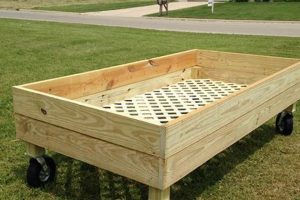
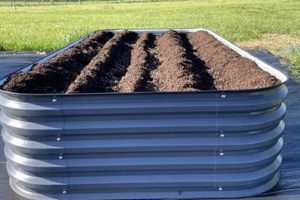
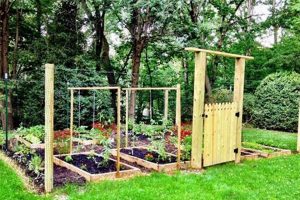
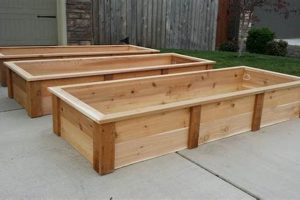
Cultivating the fruit in an elevated bed offers a structured approach to horticulture, specifically tailored to optimize growth. This method involves constructing a contained planting area above the ground level, often utilizing materials like wood, stone, or composite lumber. For example, a gardener might build a four-foot by eight-foot enclosure filled with a specially formulated soil blend designed to provide optimal drainage and nutrient availability.
This technique presents several advantages. Improved soil conditions, enhanced drainage, and easier accessibility contribute to healthier plants and increased yields. Historically, elevated planting areas have been used in regions with poor soil quality or limited space. The practice facilitates better control over the growing environment, mitigating the impact of pests, weeds, and soilborne diseases. Moreover, it reduces the physical strain associated with traditional gardening methods.
The subsequent sections will delve into the key considerations for successful implementation, encompassing construction techniques, soil selection, variety selection, and ongoing maintenance strategies. Understanding these elements is crucial for maximizing the potential of this gardening approach and achieving a bountiful harvest.
Cultivation Strategies for Elevated Tomato Beds
The following recommendations aim to optimize the productivity and health of tomato plants grown in raised garden environments. Adherence to these guidelines will enhance the overall success of the cultivation effort.
Tip 1: Soil Composition is Paramount. Utilize a well-draining soil mix specifically formulated for vegetable production. Amend the soil with compost or aged manure to improve fertility and water retention. Avoid heavy clay soils, as they can impede root development.
Tip 2: Strategic Variety Selection is Crucial. Choose tomato varieties that are well-suited to the local climate and growing conditions. Determinate varieties, which exhibit a bushier growth habit, are often preferred for raised beds due to their compact size.
Tip 3: Adequate Spacing Prevents Overcrowding. Plant tomato seedlings with sufficient spacing to allow for proper air circulation and sunlight penetration. Overcrowding can increase the risk of disease and reduce fruit yield. Consult specific variety recommendations for optimal spacing distances.
Tip 4: Consistent Watering Promotes Healthy Growth. Maintain consistent soil moisture throughout the growing season. Water deeply and infrequently, rather than shallowly and frequently, to encourage deep root development. Avoid overhead watering, as it can contribute to fungal diseases.
Tip 5: Regular Fertilization Sustains Plant Vigor. Apply a balanced fertilizer formulated for tomatoes according to package directions. Side-dressing with fertilizer throughout the growing season can provide additional nutrients as needed. Monitor plants for signs of nutrient deficiencies and adjust fertilization accordingly.
Tip 6: Staking or Caging Supports Plant Structure. Provide support for tomato plants using stakes, cages, or trellises. This will prevent the plants from sprawling on the ground, reducing the risk of fruit rot and improving air circulation.
Tip 7: Pruning Enhances Fruit Production. Prune tomato plants regularly to remove suckers, which are small shoots that grow from the point where a branch meets the main stem. Pruning improves air circulation and directs the plant’s energy towards fruit production.
By prioritizing appropriate soil composition, strategic variety selection, adequate spacing, consistent watering, regular fertilization, structural support, and consistent pruning, optimal health of the tomato plants is achieved.
The subsequent section will address common challenges encountered in such elevated plantings and strategies for their effective management.
1. Soil Drainage

Adequate soil drainage is paramount in elevated plantings for tomatoes. The contained nature of these structures necessitates a soil composition that allows excess water to readily drain, preventing waterlogged conditions that can lead to root rot and other fungal diseases. For instance, heavy clay soils, if used without modification, retain excessive moisture, creating an anaerobic environment detrimental to root health. Conversely, a well-draining mix, amended with materials like perlite or coarse sand, promotes the necessary aeration and facilitates the removal of surplus water. This directly impacts the plant’s ability to absorb nutrients and oxygen, both critical for growth and fruit production.
Failure to ensure proper drainage manifests in various ways. Stunted growth, yellowing leaves, and increased susceptibility to diseases such as early blight are common indicators. In practical terms, one might observe that tomato plants in a poorly drained elevated bed exhibit significantly lower yields compared to those in a bed with adequate drainage, even when other factors such as sunlight and fertilization are consistent. Regular monitoring of soil moisture levels and amending the soil as needed are essential to maintain optimal drainage conditions. The use of geotextile fabric at the bottom of the planting area can prevent soil erosion while allowing drainage, further contributing to a healthy root environment.
In summary, the direct correlation between soil drainage and the overall health and productivity of tomato plants in elevated gardens underscores the importance of this factor. Proactive management of drainage through appropriate soil selection, amendment, and monitoring is essential for mitigating potential challenges and maximizing the benefits of this gardening technique. Neglecting drainage can lead to plant loss, reduced yields, and increased disease pressure, ultimately undermining the success of the cultivation effort.
2. Sunlight Exposure

Adequate sunlight is a non-negotiable requirement for successful tomato cultivation within an elevated garden. Tomato plants are highly light-dependent; insufficient exposure directly impairs photosynthesis, the process by which they convert light energy into the sugars necessary for growth, flowering, and fruit production. An elevated planting location does not negate this fundamental biological need; rather, it often necessitates a more conscious assessment of sunlight availability due to potential shading from buildings, trees, or other structures. For example, a tomato bed situated on a north-facing patio may receive significantly less direct sunlight than one on a south-facing patio, resulting in stunted growth and reduced yields. Without sufficient sunlight, plants may exhibit leggy growth as they stretch toward available light, further compromising their structural integrity and fruit-bearing capacity.
Optimal exposure typically entails a minimum of six to eight hours of direct sunlight per day. This requirement can be met by strategically positioning the elevated bed in the sunniest area of the garden. Additionally, reflective materials, such as white paint or aluminum foil, can be employed to redirect sunlight onto the plants, especially in locations where direct sunlight is limited. Careful consideration of plant spacing is also crucial, ensuring that individual plants do not overshadow each other and impede light penetration. A gardener might observe that plants at the edges of a dense planting receive more sunlight and consequently produce more fruit than those situated in the center. Correcting this imbalance through selective pruning and thinning can improve overall light distribution.
In conclusion, the relationship between sunlight exposure and tomato production in elevated gardens is direct and profound. Ensuring adequate sunlight necessitates careful site selection, strategic plant arrangement, and the potential use of supplemental light-enhancing techniques. Understanding this essential connection allows cultivators to optimize growing conditions, mitigate potential limitations, and achieve the robust growth and abundant harvests that are characteristic of successful tomato gardening. Failure to address sunlight deficiencies will inevitably lead to suboptimal results, regardless of other horticultural efforts.
3. Vertical Support
Vertical support systems are integral to the successful cultivation of tomatoes within a raised garden environment. These systems mitigate plant sprawl, improve air circulation, and enhance overall fruit production.
- Structural Integrity and Plant Health
Tomato plants, particularly indeterminate varieties, exhibit vigorous growth and substantial fruit development, leading to considerable weight and potential stem breakage. Vertical supports, such as stakes, cages, or trellises, provide the necessary structural reinforcement to prevent collapse. This, in turn, reduces the risk of soilborne diseases by keeping foliage and fruit off the ground. Improved air circulation facilitated by vertical support minimizes humidity around the plants, further deterring fungal pathogens.
- Optimized Sunlight Exposure
Vertical support maximizes sunlight capture, a critical factor for photosynthesis and fruit ripening. By training plants upwards, the foliage is evenly distributed, ensuring that all parts of the plant receive adequate light exposure. This is particularly beneficial in raised garden settings where space may be limited, and competition for sunlight among plants can be intense. A properly supported plant, with its leaves and fruit exposed to ample sunlight, will exhibit enhanced growth and higher yields compared to unsupported plants.
- Enhanced Space Utilization and Garden Aesthetics
Employing vertical support significantly increases space efficiency within the garden. By training tomatoes upwards, more plants can be accommodated within a given area. This is particularly advantageous in compact raised garden beds where surface area is limited. Furthermore, vertical support enhances the aesthetic appeal of the garden. Well-trained tomato plants on trellises or within cages create an organized and visually pleasing environment, contributing to the overall enjoyment of the gardening experience.
- Improved Pest and Disease Management
Vertical support simplifies pest and disease management practices. By elevating the plants off the ground, access for crawling pests is reduced. Furthermore, improved air circulation diminishes the risk of fungal diseases. The increased visibility provided by vertical support allows for easier detection of pests and diseases, facilitating timely intervention. For instance, aphids or early blight can be more readily identified and treated on plants that are supported vertically, minimizing their impact on the overall health and productivity of the tomato crop.
The implementation of vertical support within a raised garden is not merely an aesthetic choice but a fundamental component of successful tomato cultivation. These support systems contribute directly to plant health, optimized sunlight exposure, efficient space utilization, and improved pest and disease management, resulting in increased yields and a more rewarding gardening experience.
4. Pest Control
Elevated tomato cultivation offers certain advantages in pest management compared to traditional in-ground gardening, though it does not eliminate the need for vigilance and proactive measures. The physical barrier created by the raised bed can deter some soil-dwelling pests, such as cutworms, from readily accessing the plants. Furthermore, the controlled soil environment allows for the use of sterilized or pest-free soil mixes, minimizing the risk of introducing soilborne pests and diseases. However, airborne pests, such as aphids, whiteflies, and tomato hornworms, can still infest elevated tomato plants, requiring integrated pest management strategies. For example, the tomato hornworm, a voracious foliage feeder, can quickly defoliate a plant if not detected and removed promptly. Early detection and manual removal remain effective control methods.
Integrated pest management in this context involves a multi-faceted approach. Companion planting, such as intercropping tomatoes with basil or marigolds, can repel certain pests. The strong scent of these plants disrupts the pests’ ability to locate tomato plants. Furthermore, the strategic use of insect netting or row covers provides a physical barrier against many common pests, preventing them from reaching the plants. Biological control methods, such as introducing beneficial insects like ladybugs or lacewings, can effectively control aphid populations. Regular inspection of plants for signs of infestation is crucial for early intervention. The presence of sticky traps can also aid in monitoring pest populations and capturing flying insects. The selection of disease-resistant tomato varieties minimizes the risk of disease outbreaks, further reducing the need for chemical interventions.
Effective pest control is a critical component of successful tomato cultivation in elevated gardens. While the elevated structure offers some inherent advantages, a proactive and integrated approach is essential for preventing pest infestations and minimizing their impact on plant health and fruit production. Neglecting pest management can lead to significant crop losses and frustration for the gardener. The implementation of preventive measures, coupled with regular monitoring and timely intervention, ensures a healthy and productive tomato harvest. Challenges may arise from increased pest pressure in certain geographic areas or the development of pest resistance to specific control methods, necessitating ongoing adaptation of pest management strategies.
5. Water Management

Efficient water management is paramount for successful tomato cultivation in elevated gardens. The controlled environment of a raised bed necessitates a deliberate approach to irrigation, considering both the benefits and potential pitfalls of this cultivation method.
- Optimized Water Delivery
Elevated plantings facilitate precise water delivery directly to the root zone, minimizing water loss through evaporation and runoff. Drip irrigation systems or soaker hoses are particularly effective in this context, delivering water slowly and steadily. This targeted approach ensures that the plants receive adequate moisture while reducing the risk of overwatering, which can lead to root rot and other fungal diseases. For instance, a timed drip irrigation system, calibrated to deliver a specific volume of water daily, can maintain consistent soil moisture levels in an elevated tomato bed, even during periods of drought.
- Drainage Control
Proper drainage is intrinsically linked to water management in raised gardens. The elevated structure must allow for the efficient removal of excess water to prevent waterlogging. A well-draining soil mix, amended with materials like perlite or vermiculite, is essential. Furthermore, the base of the raised bed should be designed to allow for drainage, preventing water from accumulating at the bottom. The absence of adequate drainage can create an anaerobic environment in the root zone, inhibiting nutrient uptake and promoting the development of root-borne diseases.
- Water Conservation
Elevated gardens offer opportunities for water conservation. The reduced surface area compared to in-ground gardens minimizes evaporative losses. Mulching with organic materials, such as straw or wood chips, further reduces evaporation and helps retain soil moisture. Collecting rainwater in a rain barrel provides a sustainable source of irrigation water. Careful monitoring of soil moisture levels, using a soil moisture meter or by manual assessment, allows for precise irrigation scheduling, preventing overwatering and conserving water resources.
- Nutrient Availability
Water management directly impacts nutrient availability to tomato plants. Water serves as the medium for nutrient transport from the soil to the plant roots. Inadequate watering can limit nutrient uptake, leading to nutrient deficiencies. Conversely, excessive watering can leach nutrients from the soil, reducing their availability to the plants. Maintaining consistent soil moisture levels, through appropriate irrigation practices, ensures that nutrients are readily available to the plants, promoting healthy growth and fruit production. The addition of water-soluble fertilizers during irrigation, a practice known as fertigation, can further enhance nutrient availability.
The effective integration of these water management facets is crucial for realizing the full potential of elevated tomato gardens. By optimizing water delivery, controlling drainage, conserving water resources, and maintaining nutrient availability, cultivators can create an ideal environment for tomato growth, resulting in abundant and high-quality harvests. Neglecting these considerations can lead to plant stress, reduced yields, and increased susceptibility to pests and diseases.
6. Nutrient Availability

In elevated plantings, nutrient availability represents a critical factor dictating the health, productivity, and overall success of tomato cultivation. Unlike in-ground gardening, the contained soil volume of raised beds necessitates careful management of nutrient levels to sustain robust plant growth and abundant fruit production. This constraint demands a proactive approach to soil amendment, fertilization, and monitoring to ensure that plants receive the essential elements required for optimal development.
- Soil Composition and Initial Nutrient Levels
The initial composition of the soil used in a raised bed directly influences the availability of nutrients to tomato plants. Pre-packaged raised bed mixes often provide a baseline level of essential nutrients, but these may not be sufficient to sustain vigorous growth throughout the entire growing season. Supplementation with compost, aged manure, or other organic amendments is often necessary to enrich the soil and provide a slow-release source of nutrients. For example, incorporating composted poultry manure into the soil can significantly increase the levels of nitrogen, phosphorus, and potassium, crucial elements for tomato plant development. However, excessive levels of certain nutrients can also be detrimental. For instance, high nitrogen levels can promote excessive vegetative growth at the expense of fruit production.
- Fertilization Strategies and Nutrient Delivery
Strategic fertilization is essential for maintaining adequate nutrient availability throughout the growing season. Tomato plants are heavy feeders, requiring a consistent supply of nitrogen, phosphorus, potassium, and micronutrients. Fertilizers can be applied in various forms, including granular slow-release fertilizers, water-soluble fertilizers, and liquid foliar feeds. The choice of fertilizer and application method depends on the specific nutrient needs of the plants and the desired rate of nutrient release. For example, side-dressing with a balanced granular fertilizer every few weeks can provide a steady supply of nutrients. Alternatively, water-soluble fertilizers can be applied through drip irrigation systems (fertigation), ensuring efficient and targeted nutrient delivery to the root zone. Regular monitoring of plant growth and leaf color can provide valuable insights into nutrient deficiencies or excesses, allowing for adjustments to the fertilization regime.
- pH Levels and Nutrient Uptake
Soil pH plays a critical role in nutrient availability and uptake by tomato plants. Tomatoes thrive in slightly acidic soil, with an optimal pH range of 6.0 to 6.8. At pH levels outside this range, certain nutrients may become less soluble and therefore less available to plants. For example, iron deficiency, often manifested as interveinal chlorosis (yellowing between leaf veins), can occur in soils with high pH. Soil testing is essential for determining pH levels and identifying any necessary amendments. Lime can be added to raise the pH of acidic soils, while sulfur or acidifying fertilizers can be used to lower the pH of alkaline soils. Maintaining the optimal pH range ensures that nutrients remain soluble and accessible to plant roots.
- Micronutrient Availability
In addition to macronutrients (nitrogen, phosphorus, potassium), micronutrients such as iron, manganese, zinc, copper, boron, and molybdenum are essential for various plant processes. Deficiencies in micronutrients can manifest as specific symptoms, such as stunted growth, leaf discoloration, or blossom-end rot. While micronutrients are required in smaller quantities than macronutrients, their absence can significantly impact plant health and fruit production. Incorporating compost or other organic matter into the soil can provide a slow-release source of micronutrients. Alternatively, micronutrient supplements can be applied as foliar sprays or soil drenches. Regular monitoring of plant health and soil testing can help identify micronutrient deficiencies and guide appropriate corrective measures.
The interconnectedness of soil composition, fertilization strategies, pH levels, and micronutrient availability underscores the importance of a holistic approach to nutrient management in elevated tomato beds. A failure to address any of these factors can compromise plant health and reduce fruit yields. While elevated gardens offer a controlled environment for cultivation, optimizing nutrient availability requires proactive planning, regular monitoring, and timely intervention to ensure that tomato plants receive the essential elements needed for vigorous growth and abundant harvests. The principles of sound nutrient management are essential for realizing the full potential of tomato plants in raised beds.
Frequently Asked Questions
This section addresses common inquiries regarding the cultivation of tomatoes within elevated garden structures, providing clarity on essential practices and addressing potential misconceptions.
Question 1: What are the primary advantages of utilizing a raised garden for cultivating tomatoes as opposed to traditional in-ground methods?
Elevated plantings offer several advantages, including improved soil drainage, enhanced control over soil composition, reduced risk of soilborne diseases, and easier accessibility for maintenance tasks. The elevated structure can also deter some soil-dwelling pests.
Question 2: What soil composition is most suitable for tomato plants grown in such elevated beds?
A well-draining soil mix, rich in organic matter, is optimal. A blend of topsoil, compost, and perlite or vermiculite provides the necessary drainage and nutrient retention. Avoid heavy clay soils, as they impede root development.
Question 3: How much sunlight is required for tomatoes cultivated in elevated beds to thrive?
Tomato plants require a minimum of six to eight hours of direct sunlight daily for optimal growth and fruit production. Strategic placement of the elevated bed is crucial to ensure adequate sunlight exposure.
Question 4: What type of support structures are recommended for plants in elevated tomato installations, and why?
Stakes, cages, or trellises are recommended to provide support for tomato plants, particularly indeterminate varieties. These structures prevent plant sprawl, improve air circulation, maximize sunlight exposure, and facilitate pest and disease management.
Question 5: What are the most effective strategies for pest control in raised tomato environments?
Integrated pest management strategies are essential, including companion planting, the use of insect netting, biological control methods (e.g., introducing beneficial insects), and regular monitoring for pests. Early detection and intervention are crucial for minimizing pest damage.
Question 6: How should watering practices be adapted for elevated tomato cultivations to ensure optimal plant health and yields?
Consistent and deep watering is recommended, avoiding overwatering. Drip irrigation or soaker hoses deliver water directly to the root zone, minimizing water loss. Monitor soil moisture levels regularly and adjust watering frequency as needed.
The insights shared underscore the importance of careful planning, execution, and consistent monitoring when cultivating tomatoes in a raised garden. The proactive implementation of well-researched strategies proves to be a pivotal factor in achieving both bountiful harvests and the enduring vitality of the plants.
The following section will address common challenges encountered in the elevated plantings and strategies for their effective management.
Conclusion
The cultivation of tomatoes within a raised garden presents a refined approach to horticulture, offering a controlled environment conducive to optimized growth. Key considerations encompass soil composition, sunlight exposure, structural support, pest control, water management, and nutrient availability. Mastery of these elements is critical for maximizing yields and mitigating potential challenges. The careful implementation of integrated strategies, including precise irrigation, appropriate fertilization, and proactive pest management, dictates the success of this method.
Ultimately, the informed application of these principles transforms the elevated planting space into a productive and sustainable platform for tomato cultivation. Ongoing observation, adaptation to local conditions, and adherence to established best practices will ensure continued success, solidifying the viability of the tomato raised garden as a valuable horticultural technique.