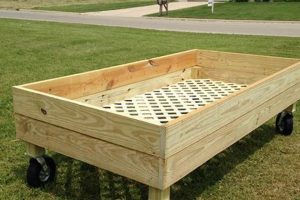
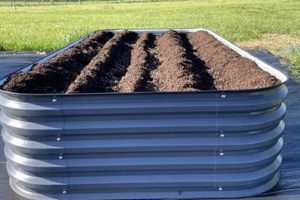
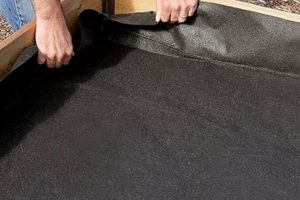
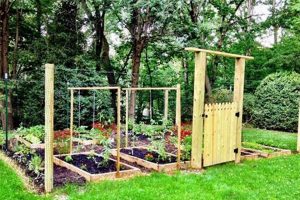
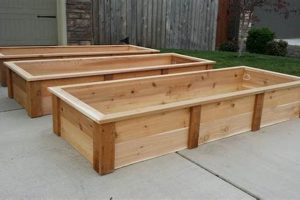
A structure designed to elevate soil above ground level, often constructed from recycled plastic lumber, provides a contained area for cultivating plants. These units offer an alternative to traditional in-ground gardening, allowing for improved soil control, drainage, and accessibility. The material resists decay, insects, and moisture, making it a durable option for outdoor use.
The advantages of utilizing this type of elevated planter are numerous. It promotes better posture for gardeners, reducing strain on the back and knees. The contained environment allows for precise management of soil composition and nutrient levels, leading to healthier plant growth. Furthermore, the durability of the recycled plastic lumber ensures a long lifespan, minimizing the need for frequent replacements and contributing to sustainable gardening practices. The use of recycled materials also reduces landfill waste and dependence on virgin resources.
The subsequent sections will delve into specific aspects such as the assembly process, the ideal plant selection for this gardening method, maintenance procedures, and cost considerations. This exploration will provide a comprehensive understanding of utilizing this gardening solution for both novice and experienced gardeners.
Tips for Utilizing Elevated Recycled Plastic Lumber Planters
Effective utilization of these planters requires careful consideration of several factors to maximize plant health and longevity of the structure.
Tip 1: Soil Selection: Use a well-draining soil mix formulated specifically for raised garden beds. Avoid using garden soil directly, as it can compact and impede drainage. A blend of compost, peat moss, and perlite offers optimal aeration and nutrient retention.
Tip 2: Proper Assembly: Adhere strictly to the manufacturer’s assembly instructions. Ensure all connections are secure to maintain the structural integrity of the planter, particularly when filled with soil and water.
Tip 3: Sunlight Exposure: Position the planter in an area that receives at least six hours of direct sunlight daily, particularly for vegetables and flowering plants. Insufficient sunlight can lead to stunted growth and reduced yields.
Tip 4: Watering Practices: Monitor soil moisture levels regularly. Water deeply and less frequently, allowing the soil to dry slightly between waterings. Overwatering can lead to root rot, while underwatering can cause wilting and stress.
Tip 5: Pest Management: Inspect plants regularly for signs of pests or diseases. Implement preventative measures such as introducing beneficial insects or using organic pest control solutions. Addressing infestations early can prevent widespread damage.
Tip 6: Fertilization: Supplement the soil with a balanced fertilizer according to the specific needs of the plants being grown. Follow the fertilizer manufacturer’s instructions carefully to avoid over-fertilization, which can harm plants.
Tip 7: Crop Rotation: Rotate crops annually to prevent soil depletion and reduce the risk of pest and disease buildup. Different plant families have varying nutrient requirements, so rotating crops can help maintain soil health.
Adhering to these tips will facilitate successful cultivation within these planters, promoting healthy plant growth and extending the lifespan of the structure.
The following sections will address specific maintenance procedures and long-term care for elevated recycled plastic lumber planters.
1. Material Durability

Material durability is a foundational attribute determining the lifespan and overall value of a recycled plastic lumber elevated planter. The inherent resistance of this material to common degrading factors directly influences its suitability for outdoor use and its ability to withstand the constant exposure to moisture, soil, and temperature fluctuations characteristic of gardening environments. Failure to address material durability effectively compromises the structure’s integrity and necessitates premature replacement, negating the long-term cost benefits often associated with this type of gardening solution. For instance, untreated wood structures will decay over time, whereas the plastic lumber variety maintains structural integrity even in continuously damp conditions.
The practical application of durable materials in these planters translates directly to reduced maintenance requirements. Unlike wood, recycled plastic lumber does not require painting, staining, or sealing to prevent rot or insect infestation. This significantly lowers the total cost of ownership and minimizes the time and effort required to maintain the structure. Moreover, the resistance to UV degradation ensures that the material retains its color and structural properties over extended periods, contributing to the aesthetic appeal of the garden. An example is the visual comparison between a five-year-old polywood bed and a pressure-treated wood bed of the same age. The polywood material is almost intact whereas the pressure-treated wood shows signs of rotting.
In summary, the material durability of a plastic lumber elevated planter is an essential consideration impacting its longevity, maintenance requirements, and overall cost-effectiveness. This fundamental characteristic contributes directly to its value proposition as a sustainable and long-lasting solution for elevated gardening, offering a reliable alternative to traditional materials susceptible to rapid degradation. This focus on durability addresses concerns related to environmental impact and ensures a robust and reliable structure for gardening purposes.
2. Assembly Integrity

Assembly integrity constitutes a critical factor in determining the structural stability and longevity of any recycled plastic lumber elevated planter. The method of construction and the security of connections directly influence the capacity of the structure to withstand the weight of soil, water, and plants, as well as external environmental forces. Compromised assembly can lead to premature failure, rendering the unit unusable and potentially causing damage to surrounding areas.
- Joint Stability
Joint stability refers to the robustness of the connections between individual plastic lumber components. This is typically achieved through the use of screws, bolts, or interlocking systems. Inadequate tightening or the use of inappropriate fasteners can result in weakened joints that are susceptible to separation under load. For example, if screws are not properly countersunk, they may strip the plastic, leading to a loose connection. This deficiency ultimately compromises the entire structure’s ability to contain the soil and support plant life, leading to potential collapse.
- Frame Alignment
Frame alignment dictates the geometric precision of the assembled planter. Misaligned components introduce stress points that can concentrate weight unevenly. Warping or bowing may result, which, in turn, diminishes the planter’s aesthetic appeal and structural soundness. Accurate alignment, often facilitated by pre-drilled holes and precise component dimensions, is essential to ensure uniform load distribution and prevent localized stress concentrations. The absence of proper alignment increases the likelihood of failure under the heavy load of wet soil.
- Base Support
Base support is the foundation upon which the entire structure rests. An uneven or unstable base will transmit stress unevenly throughout the assembly, increasing the risk of warping, cracking, or complete collapse. Ensuring a level and stable base, possibly through the use of leveling feet or a prepared foundation, is crucial. If the base is not adequate, the bed will lose its shape and the joints will be under constant strain. This can happen with placement on soft soils, where settling is common.
- Material Compatibility
Material compatibility extends beyond the recycled plastic lumber itself to include fasteners and any other components used in the assembly process. Using incompatible materials can lead to galvanic corrosion or other forms of degradation, weakening the joints over time. For instance, using steel screws in direct contact with certain types of treated lumber (if wood is used in conjunction with the plastic) can accelerate corrosion. Ensuring all components are compatible with the recycled plastic lumber is important for long-term structural integrity.
These facets of assembly integrity demonstrate that constructing a plastic lumber elevated planter requires careful attention to detail. Proper joint stability, precise frame alignment, a stable base support, and material compatibility are all essential to guarantee the structure’s ability to withstand the stresses inherent in a gardening environment. Failing to address these aspects adequately compromises the long-term viability of the planter, negating the advantages afforded by the durable nature of the recycled plastic lumber itself. By prioritizing robust assembly techniques and compatible components, the structural integrity and longevity can be improved.
3. Drainage Efficiency

Drainage efficiency is a critical determinant of success when utilizing a recycled plastic lumber elevated planter. The enclosed nature of these structures necessitates careful management of water flow to prevent root rot and maintain optimal soil conditions. Inadequate drainage within the planter leads to waterlogged soil, depriving plant roots of oxygen and creating an environment conducive to fungal diseases. Conversely, excessive drainage results in rapid soil drying, potentially stressing plants and hindering nutrient uptake. The interplay between the material of the planter and the soil composition is critical in establishing optimal water movement, which is influenced significantly by the base of the bed.
Proper drainage can be facilitated through several design and operational considerations. A gravel layer at the bottom of the planter promotes water percolation and prevents soil from clogging drainage holes. The use of a well-draining soil mix, incorporating materials such as perlite or vermiculite, further enhances drainage capabilities. Strategic placement of drainage holes along the sides or bottom of the planter allows for controlled water release. For example, if drainage is not included and a period of heavy rain occurs, the soil within the raised bed may be waterlogged and root rot can kill the plants. The materials of the bed must be water-resistant or the bed may be damaged.
In summary, the effectiveness of drainage mechanisms directly impacts the health and productivity of plants cultivated within the recycled plastic lumber elevated planter. By understanding the principles of soil moisture management and implementing appropriate drainage solutions, gardeners can optimize growing conditions and mitigate the risks associated with waterlogged or excessively dry soil. The durability of the plastic lumber construction, when paired with effective drainage, provides a long-lasting and productive gardening system. Therefore, drainage efficiency is not merely a technical detail but a fundamental requirement for successful elevated gardening in such a structure.
4. Soil Compatibility
Soil compatibility is a pivotal aspect of successfully utilizing a recycled plastic lumber elevated planter. The inert nature of the plastic lumber necessitates careful consideration of soil composition and its interaction with the planter environment to ensure optimal plant growth and nutrient availability. Understanding the nuances of soil properties and their influence within a contained environment is crucial for maximizing the benefits of this type of gardening system.
- pH Balance and Nutrient Availability
The pH level of the soil directly influences the availability of essential nutrients to plants. Extreme pH values, whether acidic or alkaline, can render certain nutrients insoluble and inaccessible to plant roots. In the context of a recycled plastic lumber elevated planter, the soil’s pH must be carefully monitored and adjusted to suit the specific needs of the plants being cultivated. For instance, blueberries thrive in acidic soils, while many vegetables prefer a neutral pH. Failing to maintain the appropriate pH balance can lead to nutrient deficiencies and stunted growth. The inert nature of the plastic structure means it will not alter the pH but soil mix selection is very important.
- Drainage and Aeration Properties
The physical properties of the soil, specifically its drainage and aeration characteristics, are critical for root health. Compacted or poorly draining soils impede root growth and increase the risk of root rot, while excessively well-draining soils may dry out too quickly and limit nutrient uptake. The confined environment of a recycled plastic lumber elevated planter requires a soil mix that strikes a balance between water retention and drainage. Amending the soil with organic matter, such as compost or peat moss, can improve both drainage and aeration, promoting healthy root development. The durability of plastic lumber ensures good drainage due to its inert composition and water resistance.
- Organic Matter Content and Microbial Activity
Organic matter is a vital component of healthy soil, providing essential nutrients, improving soil structure, and supporting beneficial microbial activity. Microorganisms play a crucial role in nutrient cycling, breaking down organic matter and making nutrients available to plants. A soil mix rich in organic matter fosters a thriving microbial ecosystem, enhancing overall plant health. In a recycled plastic lumber elevated planter, supplementing the soil with compost, aged manure, or other organic amendments is essential to maintain soil fertility and support vigorous plant growth. Using compost is very easy in this structure.
- Soil Density and Compaction
The density and compaction of the soil impact root penetration and overall plant growth. Heavily compacted soils restrict root development, limiting access to water and nutrients. Maintaining a loose and friable soil structure is essential for optimal root function. In a recycled plastic lumber elevated planter, avoid using heavy clay soils that are prone to compaction. Instead, select a well-draining soil mix and avoid excessive tilling or compaction. Over time, the soil’s compaction can be measured and ameliorated with appropriate amendments.
These facets of soil compatibility underscore the need for careful soil selection and management within recycled plastic lumber elevated planters. The inert nature of the plastic lumber does not contribute to soil fertility or composition, necessitating proactive soil management practices to ensure optimal plant growth. The control over soil composition and properties afforded by these planters provides a distinct advantage for gardeners seeking to cultivate specific plants or optimize growing conditions, making soil compatibility a critical consideration for successful elevated gardening. This provides a controlled environment where the gardener can manipulate soil contents and improve growing results.
5. Pest Resistance

Pest resistance, in the context of a polywood raised garden bed, refers to the material’s inherent ability to deter or withstand infestation by common garden pests. This attribute is crucial for maintaining plant health and prolonging the lifespan of the structure itself. The material composition plays a pivotal role in defining the level of resistance offered, impacting the long-term maintenance and productivity of the garden bed.
- Inherent Material Repellency
Polywood, composed of recycled plastics, lacks the organic cellulose that attracts many wood-boring insects and decay-causing organisms. This absence of a food source renders the material inherently less appealing to pests such as termites, carpenter ants, and wood-boring beetles. Unlike wooden garden beds that require chemical treatments to prevent infestation, polywood offers a built-in level of protection. Therefore, it is free from decay by pests, minimizing the need for chemical treatments.
- Resistance to Moisture-Related Pests
Excess moisture creates conducive environments for pests like slugs, snails, and certain types of fungus that can harm plants. Polywood’s non-porous nature prevents water absorption, reducing humidity levels around the base of the bed and discouraging the proliferation of these moisture-loving pests. This resistance to moisture-related issues contributes to a healthier growing environment and reduces the incidence of pest-related plant damage. Furthermore, polywood doesn’t rot or decay in wet conditions.
- Reduced Harboring Sites
The smooth, consistent surface of polywood minimizes cracks and crevices that can serve as hiding places for pests. Unlike rough-hewn wood, which provides ample nooks for insects and slugs to take refuge, polywood offers fewer opportunities for pests to establish themselves. This reduction in harboring sites simplifies pest control efforts and minimizes the risk of hidden infestations. It also allows gardeners to spot pest activity on the surface easily.
- Chemical Inertness and Reduced Pesticide Need
The inert nature of polywood minimizes the leaching of chemicals into the soil, which can be a concern with treated wood. This attribute allows gardeners to adopt a more organic approach to pest control, as they are less reliant on harsh chemical pesticides to protect their plants. The reduced need for pesticides benefits both the environment and the health of the plants being grown. This can also reduce exposure to chemicals from the environment.
These factors collectively contribute to the pest resistance of a polywood raised garden bed. While not impervious to all pests, the inherent properties of the material significantly reduce the risk of infestation and minimize the need for chemical intervention. This results in a more sustainable and environmentally friendly gardening solution compared to traditional wooden beds, promoting healthier plant growth and easier maintenance.
6. Sunlight Exposure

Sunlight exposure is a critical environmental factor influencing plant growth and development within a polywood raised garden bed. The amount and intensity of sunlight directly affect photosynthesis, the process by which plants convert light energy into chemical energy for sustenance. An inadequate amount of sunlight results in stunted growth, reduced flowering, and diminished yields. Conversely, excessive sunlight, particularly in warmer climates, can cause leaf scorch and stress. The positioning and orientation of the structure, therefore, become crucial considerations for optimizing light capture.
The materials used in a polywood raised garden bed do not inherently affect sunlight exposure. However, the structure’s design and placement can either enhance or impede light availability. For example, a raised bed positioned near a tall building or dense tree line may experience significant shading during certain times of the day. This shading effect necessitates careful monitoring and potential relocation of the bed to ensure plants receive adequate sunlight. Additionally, the reflective properties of surrounding surfaces, such as light-colored walls or paving, can augment sunlight exposure, potentially benefiting plants requiring high light levels. Consider the example of a tomato plant. These plants require 6-8 hours of direct sunlight to yield effectively. A polywood raised garden bed placed in a shaded area will limit the plant’s development.
In conclusion, the relationship between sunlight exposure and a polywood raised garden bed is mediated primarily by the structure’s placement and surrounding environmental factors, and not the inherent characteristics of the polywood itself. Understanding the light requirements of specific plants and strategically positioning the bed to maximize sunlight capture are essential for achieving successful cultivation. While challenges related to shading or excessive sunlight can arise, careful planning and proactive management can mitigate these issues and optimize growing conditions within the polywood raised garden bed.
Frequently Asked Questions About Polywood Raised Garden Beds
This section addresses common inquiries regarding the utilization and characteristics of recycled plastic lumber raised garden beds, providing concise and factual answers to assist potential users in making informed decisions.
Question 1: What is the typical lifespan of a polywood raised garden bed?
A properly maintained polywood raised garden bed can last for several decades. The recycled plastic lumber material is resistant to rot, insect infestation, and moisture damage, significantly extending its lifespan compared to traditional wooden structures.
Question 2: Does polywood leach chemicals into the soil?
Reputable polywood manufacturers utilize inert materials that do not leach harmful chemicals into the soil. However, it is advisable to verify the material composition and certification of the specific polywood product being considered to ensure it meets environmental safety standards.
Question 3: Can a polywood raised garden bed support heavy loads?
Yes, a properly constructed polywood raised garden bed is capable of supporting significant weight from soil, water, and plants. The structural integrity depends on the thickness of the polywood material, the quality of the assembly, and the presence of adequate internal support structures. Thicker materials will sustain heavier loads.
Question 4: Is a polywood raised garden bed suitable for organic gardening?
Yes, polywood raised garden beds are well-suited for organic gardening. The inert nature of the material prevents contamination of the soil with harmful chemicals, allowing for the cultivation of plants using organic methods.
Question 5: What is the optimal soil depth for a polywood raised garden bed?
The optimal soil depth varies depending on the types of plants being grown. For most vegetables and herbs, a depth of at least 12 inches is recommended to provide sufficient root space and nutrient availability. Deeper beds may be required for plants with extensive root systems.
Question 6: How does the cost of a polywood raised garden bed compare to that of a wooden bed?
The initial cost of a polywood raised garden bed may be higher than that of a wooden bed. However, the extended lifespan and reduced maintenance requirements of polywood often result in lower long-term costs. Wooden beds may require frequent repairs or replacements due to rot and insect damage.
In summary, polywood raised garden beds offer a durable, low-maintenance, and environmentally friendly option for elevated gardening. Careful consideration of material sourcing, assembly practices, and soil management techniques will ensure optimal performance and longevity.
The following section will address the environmental impact and sustainable practices associated with polywood raised garden beds.
Polywood Raised Garden Beds
This exploration has detailed various aspects of polywood raised garden beds, emphasizing their durability, assembly requirements, drainage considerations, soil compatibility, and resistance to pests. The analysis reveals that the inherent properties of recycled plastic lumber offer distinct advantages over traditional materials, contributing to extended lifespans and reduced maintenance needs. Careful attention to assembly techniques, soil management, and environmental factors is paramount for maximizing the performance and longevity of these structures.
Considering the increasing emphasis on sustainable practices and responsible resource utilization, the adoption of polywood raised garden beds presents a viable solution for both novice and experienced gardeners. Further research into innovative designs and material advancements will likely enhance the functionality and environmental benefits of these structures in the future. The long-term value proposition of these garden beds warrants serious consideration for those seeking a durable, sustainable, and productive gardening option.