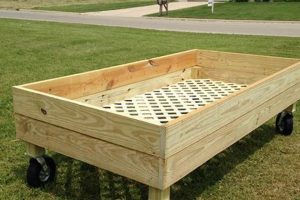
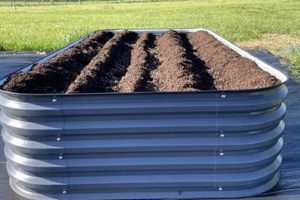
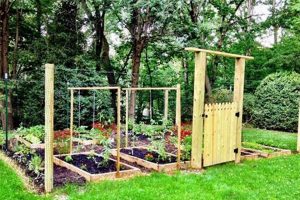
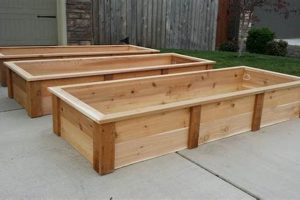
A material used to cover the interior of an elevated planting structure is designed to isolate the soil from the frame itself. This barrier is often employed in wooden or metal constructions to extend the lifespan of the bed and prevent leaching of potentially harmful substances from the construction materials into the soil. Examples include plastic sheeting, landscape fabric, or specialized products designed for this purpose.
Employing this protective measure offers several advantages. Primarily, it safeguards the integrity of the bed’s structure against moisture damage, which can lead to rot in wooden frames or corrosion in metal ones. Furthermore, it can prevent the migration of soil and nutrients into the surrounding environment. Historically, the use of these barriers reflects an understanding of material science and a desire to create sustainable and long-lasting gardening systems.
The subsequent sections will explore the various materials available for this application, outlining their respective pros and cons, installation techniques, and considerations for selecting the most appropriate option based on individual gardening needs and environmental factors.
Essential Guidance on Utilizing Barriers in Elevated Planting Structures
The effective use of a containment layer within a raised planting environment requires careful consideration. These points offer valuable insight.
Tip 1: Material Selection is Crucial: Prioritize durable, non-toxic materials such as food-grade polyethylene or specialized landscape fabrics. Avoid using treated lumber directly in contact with soil to minimize potential contamination.
Tip 2: Precise Measurement and Cutting: Accurately measure the interior dimensions of the raised bed before cutting the selected material. Allow for adequate overlap at the edges to facilitate secure attachment.
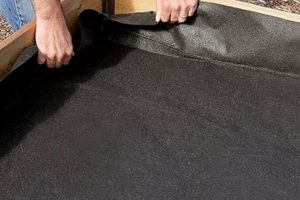
Tip 3: Secure Attachment is Necessary: Affix the containment layer to the frame using staples, tacks, or adhesive specifically designed for outdoor use. Ensure a tight, wrinkle-free fit to prevent soil from escaping.
Tip 4: Drainage Considerations are Paramount: If using an impermeable material, ensure adequate drainage by puncturing the bottom in several locations. This prevents waterlogging and root rot.
Tip 5: Regular Inspection is Advised: Periodically inspect the containment layer for signs of wear, tear, or degradation. Promptly repair any damage to maintain its integrity and effectiveness.
Tip 6: Consider Soil Compatibility: Some materials may react with specific soil types or amendments. Research the compatibility of the selected material with the intended soil mix to prevent unforeseen issues.
Tip 7: Extend the Liner Above the Soil Line: Extend the containment layer a few inches above the soil line to prevent soil splashing and further protect the bed’s structure from moisture.
Implementing these precautions extends the lifespan of the raised bed and helps to ensure a healthy growing environment. Proper implementation is beneficial for long-term soil health and plant development.
The following section concludes this guide, offering final thoughts on successful implementation.
1. Material Durability

Material durability stands as a cornerstone in the efficacy of a containment layer within elevated planting structures. The service life and functional effectiveness of the entire system are directly contingent upon the material’s capacity to withstand environmental stressors and maintain its integrity over time.
- Resistance to Degradation
The selected material must exhibit resilience against degradation caused by ultraviolet radiation, moisture, temperature fluctuations, and microbial activity. Degradation leads to material weakening, tearing, and eventual failure, compromising the soil containment and potentially releasing harmful substances into the soil. For instance, low-grade plastics may become brittle and crack under prolonged sun exposure, whereas a heavy-duty polyethylene liner is less susceptible to such damage.
- Tear and Puncture Resistance
The capacity of the material to resist tearing and puncture is critical, particularly when handling soil, tools, or plant roots within the raised bed. A liner that easily tears or punctures will lose its effectiveness and require replacement. Reinforced landscape fabric, for example, offers greater tear resistance compared to thin plastic sheeting, making it suitable for applications where sharp objects or aggressive root growth are anticipated.
- Chemical Inertness
The material should ideally be chemically inert to prevent reactions with soil components, fertilizers, or other amendments. Chemical reactions can degrade the material or release harmful substances into the soil, negatively impacting plant health. Food-grade polyethylene, for example, is commonly used due to its chemical stability and lack of reactivity with soil.
- Long-Term Performance
Ultimately, the durability of the chosen material translates directly into its long-term performance and the overall lifespan of the raised bed. Investing in a durable liner reduces the frequency of replacement, minimizing maintenance costs and resource consumption. A properly selected and installed liner can extend the life of a raised bed by several years, providing a significant return on investment.
In summary, the selection of a durable material is paramount for ensuring the long-term effectiveness and sustainability of a containment layer in a raised garden bed. Factors such as resistance to degradation, tear resistance, chemical inertness, and expected lifespan must be carefully considered to maximize the benefits of the system and minimize its environmental impact.
2. Soil Isolation

Soil isolation, in the context of elevated planting structures, is a critical function achieved through the implementation of a containment layer. This layer serves as a physical barrier, preventing direct contact between the soil and the materials used to construct the raised bed. The following points elaborate on the significance of this separation.
- Prevention of Leaching
Soil isolation mitigates the leaching of chemicals from construction materials, such as treated lumber, into the soil. Preservatives used in wood treatment, while designed to protect the wood, can introduce potentially harmful substances into the growing medium, which may subsequently be absorbed by plants. A physical barrier prevents this transfer, ensuring a safer environment for plant growth. For example, chromated copper arsenate (CCA), formerly used in treated lumber, is known to leach arsenic into the surrounding soil. Containment barriers effectively eliminate this risk.
- Protection of Bed Structure
Isolation also protects the structural integrity of the raised bed. Soil, particularly when moist, can accelerate the degradation of wood or corrode metal components. A barrier prevents direct contact between the soil and the bed’s framework, reducing the rate of decay or corrosion and extending the overall lifespan of the structure. For instance, untreated wood in direct contact with moist soil will rot significantly faster than if it is separated by a protective layer.
- Nutrient Retention
The barrier assists in nutrient retention within the planting area. It prevents the loss of valuable nutrients into the surrounding soil, especially in areas with poor native soil quality. This results in more efficient nutrient utilization by plants, leading to improved growth and reduced fertilizer requirements. Consider a scenario where nutrient-rich compost is used in the raised bed; the containment layer helps retain those nutrients within the bed, maximizing their availability to the plants.
- Control of Soilborne Pathogens
In some cases, soil isolation can help control the spread of soilborne pathogens from the native soil into the raised bed. While not a complete barrier, it can reduce the risk of contamination, particularly if the surrounding soil is known to harbor harmful organisms. This is especially relevant in areas with a history of soilborne diseases, where creating a separate, healthy growing environment is crucial for successful cultivation.
In conclusion, the effective isolation of soil within a raised garden bed, facilitated by the presence of a containment layer, contributes significantly to plant health, structural preservation, and overall sustainability of the gardening system. By preventing leaching, protecting the bed’s framework, aiding in nutrient retention, and controlling soilborne pathogens, the use of a containment barrier is a fundamental practice in responsible raised bed gardening.
3. Moisture Barrier

The primary function of a containment layer within an elevated planting structure is to act as a moisture barrier. This aspect is intrinsically linked to the long-term integrity and performance of the bed. Excess moisture, in direct contact with the bed’s framework, accelerates material degradation, particularly in wooden structures where rot and decay become significant concerns. Similarly, metal structures are susceptible to corrosion. The presence of a barrier significantly reduces this risk by preventing prolonged exposure to damp soil.
Consider the scenario of a wooden raised bed constructed without a protective layer. Over time, the wood in direct contact with the moist soil will absorb water, creating an environment conducive to fungal growth and decomposition. This process weakens the wood, reducing its structural integrity and ultimately shortening the lifespan of the bed. Conversely, a properly installed liner acts as a physical barrier, preventing moisture from reaching the wood and significantly slowing the decay process. The choice of material for the barrier is also significant; impermeable materials like polyethylene offer greater moisture protection compared to more porous options like landscape fabric, although the latter provides better drainage.
In summary, the moisture barrier aspect of a containment layer is a fundamental consideration for any elevated planting structure. It directly impacts the durability and lifespan of the bed by mitigating the damaging effects of prolonged moisture exposure. The selection of an appropriate material and the correct installation techniques are essential to maximizing the effectiveness of the moisture barrier and ensuring the long-term success of the raised garden bed. Challenges include choosing the right material to balance moisture protection with drainage needs. Understanding this connection is crucial for creating sustainable and productive gardening systems.
4. Frame Protection

Frame protection is a central consideration in the implementation of containment barriers within elevated planting structures. The direct isolation of the structural components from potentially damaging elements contributes significantly to the longevity and stability of the entire system.
- Mitigation of Wood Rot
Wood, a commonly used material in raised bed construction, is inherently susceptible to rot when exposed to constant moisture. A containment barrier prevents direct contact between the damp soil and the wood, inhibiting fungal growth and the subsequent decomposition process. For instance, untreated lumber in direct soil contact may begin to show signs of rot within a year, whereas the presence of a liner can extend its lifespan by several years.
- Prevention of Metal Corrosion
Metal frames, while offering structural rigidity, are prone to corrosion when exposed to soil and moisture. The presence of a containment barrier reduces the corrosive effects of soil acids and moisture, prolonging the structural integrity of the metal frame. Consider a galvanized steel bed; without a liner, the galvanization can degrade over time, leading to rust. A protective liner significantly slows this process.
- Reduced Chemical Leaching from Treated Lumber
While less common now, treated lumber, designed to resist decay, often contains chemicals that can leach into the soil. A containment barrier acts as a physical impediment, preventing these chemicals from contaminating the growing medium. This is especially relevant when using older treated lumber, which may contain substances now recognized as harmful.
- Minimizing Physical Degradation
Beyond chemical and biological degradation, the liner also provides a degree of physical protection. It reduces the abrasive effects of soil particles against the frame, particularly during planting and cultivation activities. This is especially important for softer materials like certain types of wood or plastic frames.
In summary, the implementation of a containment barrier directly addresses the potential for frame degradation in raised garden beds. By mitigating wood rot, preventing metal corrosion, reducing chemical leaching, and minimizing physical abrasion, the liner extends the lifespan of the structure, resulting in a more sustainable and cost-effective gardening solution. The long-term benefits of frame protection underscore the importance of incorporating this practice into raised bed construction and maintenance.
5. Lifespan Extension

The strategic integration of a containment barrier directly influences the longevity of elevated planting structures. This is a critical consideration for maximizing the investment and minimizing the long-term maintenance associated with raised garden beds. The barrier acts as a protective shield, mitigating factors that contribute to structural degradation, thereby extending the useful life of the bed. Without this protective element, the materials composing the bed are exposed to accelerated wear and tear, resulting in premature failure. Real-world examples demonstrate the significant impact: a wooden raised bed without a liner might last only a few years before requiring extensive repairs or replacement due to rot, while the same bed, equipped with a suitable liner, could easily last a decade or more. This enhanced durability translates to substantial cost savings and a reduced environmental footprint by minimizing the need for frequent material replacement.
Practical applications of this understanding are evident in the selection of appropriate liner materials. Heavy-duty polyethylene, for instance, offers superior resistance to moisture and soil acidity compared to thinner, less robust options. Similarly, using a liner in conjunction with naturally rot-resistant woods, like cedar or redwood, provides an added layer of protection, further extending the bed’s lifespan. Installation techniques also play a crucial role: properly securing the liner and ensuring adequate drainage are essential to prevent water accumulation and material breakdown. Failure to address these factors can negate the benefits of even the highest-quality liner, resulting in premature deterioration of the bed structure.
In conclusion, the deliberate use of a containment barrier is integral to maximizing the lifespan of raised garden beds. This practice directly addresses the primary causes of structural degradation, contributing to a more sustainable and cost-effective gardening solution. While challenges remain in selecting the most appropriate material and installation method for specific environments and construction materials, the fundamental principle remains clear: a well-chosen and properly installed liner is a critical investment in the long-term viability and performance of elevated planting structures. Furthermore, considering other factors such as soil type and climate conditions can improve the liner’s efficacy and ultimately prolong the life of the raised bed.
6. Non-Toxic Properties

The selection of a containment layer for elevated planting structures necessitates careful consideration of material composition to ensure non-toxic properties. Direct contact between the barrier and the soil creates a potential pathway for chemical migration, impacting plant health and the safety of any harvested produce. Therefore, evaluating materials for their inertness and absence of harmful substances is paramount.
- Material Composition Assessment
The chemical makeup of the barrier material must be scrutinized to ascertain the absence of volatile organic compounds (VOCs), heavy metals, and plasticizers. VOCs can off-gas into the soil and surrounding air, while heavy metals and plasticizers can leach into the soil, potentially accumulating in plants. Materials certified as food-grade polyethylene or polypropylene are generally considered safe, as they are manufactured without these harmful additives. For example, certain recycled plastics may contain unknown contaminants and should be avoided in favor of virgin materials with verified safety data.
- Leachability Testing
Even materials deemed generally safe can exhibit leaching under specific environmental conditions, such as prolonged exposure to sunlight or acidic soils. Leachability testing simulates these conditions to assess the potential for chemical migration from the barrier into the soil. Standards such as NSF/ANSI 61 provide guidelines for testing the leachability of materials used in drinking water systems, and while not directly applicable to gardening, they offer a benchmark for evaluating material safety. Materials that pass rigorous leachability testing are less likely to contaminate the soil with harmful substances.
- Impact on Soil Microbes
The barrier material should not negatively impact the beneficial microbial community within the soil. Certain chemicals can inhibit microbial activity, disrupting nutrient cycling and plant health. Research on the effects of different materials on soil microbes is ongoing, but preliminary findings suggest that natural materials, such as untreated wood or natural fibers, tend to have a less detrimental impact compared to synthetic plastics. For instance, some plastics can release antimicrobial compounds that disrupt the soil’s delicate ecological balance.
- Biodegradability Considerations
While non-toxicity is paramount, the eventual fate of the barrier material should also be considered. Biodegradable options, such as natural fiber mats, offer a more sustainable alternative to synthetic plastics, as they decompose over time, reducing waste accumulation. However, it is essential to ensure that the degradation products are also non-toxic and do not release harmful substances into the soil. For example, some biodegradable plastics can break down into microplastics, which can persist in the environment and potentially accumulate in plants.
The integration of these considerations is fundamental to ensuring that the containment layer not only protects the raised bed structure but also safeguards the health of the plants and the overall integrity of the gardening ecosystem. Opting for materials with verified non-toxic properties is an essential step in responsible raised bed gardening, contributing to a safer and more sustainable food production system. Further consideration should be given to aligning the selection of material with long-term sustainability and potential environmental impact.
7. Drainage Provision

Drainage provision constitutes a critical element in the successful implementation of containment barriers within raised garden beds. While the barrier itself serves to isolate the soil and protect the bed’s structure, its impermeability can lead to waterlogging if adequate drainage is not incorporated. Waterlogging inhibits root respiration, promotes anaerobic conditions, and can foster the development of root rot diseases. The absence of effective drainage, therefore, negates many of the benefits offered by the barrier and can ultimately lead to plant failure. For instance, a raised bed lined with heavy-duty plastic but lacking drainage holes will quickly accumulate excess water after rainfall, creating a hostile environment for most plants.
Several strategies can be employed to ensure proper drainage within a lined raised bed. Perforating the barrier with drainage holes at regular intervals allows excess water to escape. The size and spacing of these holes should be determined based on the expected rainfall and the soil’s drainage characteristics. In areas with heavy rainfall, additional drainage can be provided by adding a layer of gravel or coarse sand at the bottom of the bed before adding soil. Furthermore, selecting a more permeable barrier material, such as landscape fabric, allows for better drainage compared to impermeable plastics, although this comes at the cost of reduced moisture retention. The choice of drainage solution must be tailored to the specific needs of the plants being cultivated and the prevailing environmental conditions. Consider the cultivation of drought-tolerant plants versus those that require consistently moist soil; the drainage requirements will differ significantly.
Effective drainage is not merely an afterthought but an integral design consideration when using a containment barrier in a raised garden bed. It directly influences the health and productivity of the plants and contributes to the long-term sustainability of the gardening system. Addressing drainage requirements proactively, through appropriate material selection and installation techniques, is essential for realizing the full benefits of both the barrier and the raised bed itself. Without adequate drainage, the advantages of using a lining for raised bed gardens become greatly diminished, potentially leading to more harm than good.
Frequently Asked Questions
This section addresses common inquiries regarding the use of barriers in raised garden beds, providing clarification on best practices and considerations for optimal implementation.
Question 1: What is the primary purpose of a containment barrier in a raised garden bed?
The primary purpose is to isolate the soil from the bed’s structural materials, preventing leaching of chemicals from the frame into the soil and protecting the frame from moisture damage.
Question 2: What materials are suitable for use as containment barriers?
Suitable materials include food-grade polyethylene, polypropylene, and specialized landscape fabrics. Avoid materials containing harmful chemicals or those prone to rapid degradation.
Question 3: Is drainage necessary when using a containment barrier?
Yes, adequate drainage is crucial to prevent waterlogging. Perforate the barrier with drainage holes or incorporate a layer of gravel at the bottom of the bed to facilitate water runoff.
Question 4: How should the barrier be secured to the raised bed frame?
The barrier should be securely attached using staples, tacks, or adhesive specifically designed for outdoor use. Ensure a tight, wrinkle-free fit to prevent soil from escaping.
Question 5: How often should the containment barrier be inspected and replaced?
The barrier should be inspected periodically for signs of wear, tear, or degradation. Replacement frequency depends on the material’s durability and environmental conditions, but typically ranges from several years to over a decade.
Question 6: Does a containment barrier affect soil temperature within the raised bed?
Yes, some materials can influence soil temperature. Dark-colored plastics can absorb heat, increasing soil temperature, while lighter-colored materials may reflect sunlight, keeping the soil cooler. Consider this factor when selecting a material.
In summary, the appropriate selection, installation, and maintenance of containment barriers are essential for maximizing the lifespan and productivity of raised garden beds.
The subsequent section will provide a conclusive summary of the key principles discussed in this guide.
Concluding Remarks
The preceding exploration has elucidated the multifaceted role of a liner for raised bed garden structures. The appropriate selection and implementation of such a barrier are critical for safeguarding the structural integrity of the bed, promoting optimal plant health through soil isolation and drainage management, and extending the overall lifespan of the gardening system. The importance of non-toxic materials and proper installation techniques has been underscored.
Adherence to these principles will contribute to more sustainable and productive gardening practices. Prioritizing informed decision-making in liner selection and application will yield significant long-term benefits, enhancing the longevity and viability of raised bed gardening endeavors. The long-term effectiveness of the system depends on this step.