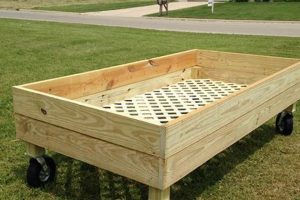
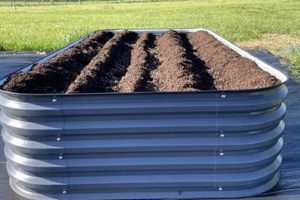
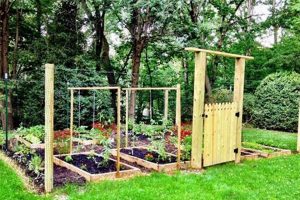
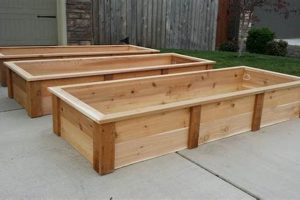
A rectangular gardening structure, measuring four feet by eight feet, designed to elevate the growing surface above ground level for cultivating edible plants. This setup often employs a specific organization or arrangement of plant species within the defined space to maximize yield and optimize resource allocation.
The utilization of such a structure provides enhanced soil control, improved drainage, and reduced back strain during planting and maintenance. Furthermore, it offers protection against certain soilborne pests and diseases, contributing to healthier plant growth and increased productivity. Historically, elevated planting areas have been employed to overcome challenges presented by poor soil quality or limited space.
The subsequent sections will explore various organizational strategies applicable to this garden form, including companion planting, succession planting, and spatial arrangements designed to promote optimal plant health and efficient resource utilization.
Optimizing a Rectangular Elevated Planting Area
The following guidelines offer practical advice for maximizing the efficiency and productivity of a four-foot by eight-foot elevated planting space intended for edible plant cultivation.
Tip 1: Plan Before Planting: Prior to introducing any plants, develop a detailed layout. Consider the mature size of each plant variety and its sunlight requirements. A well-defined planting plan minimizes overcrowding and ensures each plant receives adequate light.
Tip 2: Soil Composition is Critical: Employ a high-quality soil mixture specifically formulated for raised beds. This typically includes a blend of topsoil, compost, and other organic amendments to provide optimal drainage and nutrient retention.
Tip 3: Implement Vertical Gardening Techniques: Maximize spatial efficiency by incorporating vertical supports such as trellises or cages for vining plants like tomatoes, cucumbers, or beans. This allows for increased plant density within the limited footprint.
Tip 4: Companion Planting Strategies: Strategically pair plants that offer mutual benefits. For example, planting basil near tomatoes can deter pests, while carrots and onions can repel each other’s common insect adversaries.
Tip 5: Consistent Watering Practices: Implement a consistent watering schedule, ensuring adequate moisture levels without oversaturation. Consider utilizing drip irrigation to deliver water directly to the plant roots, minimizing water waste and reducing the risk of fungal diseases.
Tip 6: Succession Planting for Continuous Harvest: Implement a strategy where crops are planted in succession. As one crop matures and is harvested, another is planted in its place, extending the harvest season and maximizing yield throughout the growing period.
Tip 7: Pest and Disease Monitoring: Regularly inspect plants for signs of pests or diseases. Early detection and intervention are crucial to prevent widespread infestations or infections. Employ organic pest control methods whenever possible.
Adhering to these recommendations will contribute to a more productive and sustainable growing environment within the defined area, resulting in a greater yield and healthier plants.
The next section will delve into specific plant pairings and their suitability within the described garden type, further refining the potential for success.
1. Spatial Efficiency

Spatial efficiency, in the context of a rectangular elevated planting area, refers to the maximization of usable growing space within the constrained dimensions. Optimizing plant placement and utilizing vertical structures are essential to yield substantial harvests from the defined area.
- Vertical Gardening
The incorporation of vertical structures, such as trellises, cages, or stackable planters, allows for the cultivation of climbing or sprawling plants in an upward direction. This technique reduces the horizontal footprint required for these plants, freeing up ground space for other varieties. For instance, vining tomatoes or cucumbers can be trained to grow vertically, utilizing otherwise unused airspace.
- Intercropping and Companion Planting
Strategic interplanting of complementary species maximizes space utilization and resources. Companion planting involves pairing plants that benefit each other through nutrient provision, pest deterrence, or shading. For example, fast-growing radishes can be sown between rows of slower-maturing carrots, utilizing the space before the carrots require it. Similarly, basil planted near tomatoes can deter pests while not significantly competing for space.
- Succession Planting
This technique involves planting crops in a staggered sequence, ensuring a continuous harvest throughout the growing season. As one crop matures and is harvested, another is immediately planted in its place. This method prevents periods of unused space and maximizes the overall yield from the defined area.
- Plant Spacing Optimization
Careful consideration of plant spacing based on the mature size of each variety is critical. Overcrowding restricts growth and reduces yield, while excessive spacing wastes valuable area. Following recommended spacing guidelines for each plant species ensures optimal resource allocation and maximized production.
The successful implementation of spatial efficiency strategies is crucial for achieving high yields and diverse harvests within a four-foot by eight-foot elevated planting area. Through careful planning and strategic application of these techniques, the limited space can be transformed into a highly productive and sustainable food source.
2. Sunlight optimization

Sunlight optimization is a crucial determinant of yield and plant health within the constraints of a rectangular elevated planting area. The fixed dimensions and orientation necessitate strategic planning to ensure adequate light exposure for all cultivated plants.
- Plant Height and Placement
Taller plants, if improperly positioned, can cast shadows on shorter, light-demanding species. Placement should prioritize the orientation of the bed, typically positioning taller varieties on the northern side to minimize shading of smaller plants located to the south. Careful consideration of mature plant height is essential during the planning phase.
- Row Orientation
The direction in which rows are oriented significantly impacts sunlight interception. An east-west orientation typically provides more consistent sunlight exposure throughout the day, as plants receive direct sunlight during both the morning and afternoon. However, this may necessitate shading during peak midday hours in regions with intense sunlight. North-south rows receive more direct sunlight at midday but less during the early morning and late afternoon.
- Reflective Surfaces
The use of reflective materials, such as white-painted boards or aluminum foil, can redirect sunlight onto shaded areas of the planting area. This technique is particularly useful for maximizing light exposure for plants located on the lower levels of vertical structures or those shaded by taller varieties. However, caution must be exercised to avoid excessive heat buildup, which can damage plants.
- Seasonal Adjustments
The angle of the sun varies throughout the year, necessitating adjustments to plant placement or shading strategies. During the summer months, the sun is higher in the sky, resulting in more direct sunlight exposure. In contrast, the lower angle of the winter sun requires careful positioning to ensure adequate light reaches all plants. Seasonal rotations of plants may be necessary to optimize sunlight interception.
Effective implementation of sunlight optimization techniques is essential for maximizing plant health and productivity within the defined boundaries. The strategic positioning of plants, row orientation, use of reflective surfaces, and seasonal adjustments contribute significantly to the success of this gardening method.
3. Soil composition

The nature of soil within a four-foot by eight-foot elevated planting area directly influences plant growth, nutrient uptake, and overall yield. Unlike in-ground gardens, the controlled environment of a raised bed allows for the creation of an optimized soil blend, mitigating the limitations imposed by native soil conditions. The selection of appropriate soil components is therefore a critical determinant of success. For example, using heavy clay soil in a raised bed will impede drainage, potentially leading to root rot and stunted growth. Conversely, a soil mix that is too sandy will drain too quickly, depriving plants of essential moisture and nutrients.
An ideal soil composition typically incorporates a combination of topsoil, compost, and other organic amendments, such as peat moss or coconut coir. Topsoil provides the foundational structure, while compost contributes essential nutrients and improves water retention. Organic amendments further enhance drainage and aeration, creating a favorable environment for root development. Specific plant needs also dictate adjustments to the soil mix. For example, acid-loving plants like blueberries benefit from the addition of peat moss to lower the soil pH. Conversely, heavy feeders like tomatoes thrive in a soil rich in organic matter and slow-release fertilizers.
In conclusion, the careful selection and blending of soil components is paramount for maximizing the potential of a rectangular elevated planting structure. The deliberate creation of a soil environment tailored to the specific needs of the intended plant varieties offers a significant advantage over traditional in-ground gardening. Overlooking this element can negate the benefits of the elevated structure itself, resulting in diminished yields and compromised plant health.
4. Water management

Effective water management is a critical factor influencing the productivity and health of plants cultivated within a four-foot by eight-foot elevated planting area. The confined space and elevated nature of this structure necessitate careful consideration of irrigation techniques and water retention strategies.
- Drainage Control
The raised nature of the bed facilitates improved drainage compared to in-ground gardens; however, excessive drainage can lead to rapid water loss and nutrient depletion. Proper drainage control involves selecting a soil mix with adequate water retention capacity and incorporating drainage layers to prevent waterlogging. This is especially important in regions with heavy rainfall or for plant species susceptible to root rot.
- Irrigation Methods
The choice of irrigation method significantly impacts water usage and plant health. Drip irrigation delivers water directly to the root zone, minimizing water loss through evaporation and reducing the risk of foliar diseases. Soaker hoses offer a similar benefit but may be less precise in water delivery. Overhead watering, while convenient, can lead to increased water loss and promote fungal growth on plant foliage. Selecting the appropriate method based on plant needs and environmental conditions is crucial.
- Water Conservation Techniques
Conserving water is essential for sustainable gardening practices. Mulching the soil surface with organic materials, such as straw or wood chips, reduces evaporation and suppresses weed growth. Collecting rainwater for irrigation provides a cost-effective and environmentally friendly water source. Implementing water-wise gardening principles, such as grouping plants with similar water requirements, further enhances water conservation efforts.
- Monitoring Soil Moisture
Regularly monitoring soil moisture levels is essential for preventing both under-watering and over-watering. Soil moisture meters provide a quantitative assessment of soil water content, while visual inspection and the feel test can offer qualitative insights. Adjusting irrigation schedules based on soil moisture levels and weather conditions ensures optimal plant hydration and prevents water stress.
Optimal water management within a four-foot by eight-foot elevated planting structure requires a holistic approach that considers drainage control, irrigation methods, water conservation techniques, and diligent monitoring of soil moisture levels. Neglecting any of these factors can compromise plant health and diminish overall yield.
5. Pest mitigation

Effective pest mitigation is crucial for ensuring the health and productivity of a vegetable garden, especially within the controlled environment of a four-foot by eight-foot elevated planting area. The limited space intensifies the impact of pest infestations, necessitating proactive and targeted strategies to protect vulnerable crops.
- Physical Barriers
The raised structure inherently provides a degree of physical barrier against certain ground-dwelling pests, such as slugs and snails. Further enhancing this protection involves installing fine mesh netting or row covers to exclude flying insects like cabbage moths or aphids. These barriers prevent pests from accessing plants, significantly reducing the need for chemical interventions. For example, surrounding the bed with copper tape can deter slugs, while row covers protect brassicas from cabbage white butterflies laying eggs.
- Companion Planting for Pest Deterrence
Strategic plant pairings can naturally deter pests. Certain plants emit compounds that repel specific insects, while others attract beneficial predators. Planting basil near tomatoes repels tomato hornworms, while marigolds deter nematodes. This technique minimizes pest pressure without resorting to synthetic pesticides, creating a more sustainable and ecologically balanced garden ecosystem. It’s important to research effective companion pairings for the specific pests prevalent in the local area.
- Crop Rotation and Soil Health
Rotating crop families within the bed each season disrupts pest life cycles and prevents the buildup of soilborne pathogens. Maintaining healthy soil through the addition of compost and organic matter strengthens plants’ natural defenses against pests and diseases. For instance, alternating between brassicas (cabbage, broccoli) and legumes (beans, peas) can reduce the incidence of clubroot and other soilborne diseases. Healthy plants are inherently more resistant to pest infestations.
- Early Detection and Intervention
Regularly inspecting plants for signs of pest damage is crucial for early detection and timely intervention. Identifying and addressing pest problems when they are small prevents them from escalating into larger infestations that are more difficult to control. Handpicking insects, removing infested leaves, or using insecticidal soap are effective strategies for managing localized pest outbreaks. Prompt action minimizes the impact of pests on overall crop yield.
The implementation of these pest mitigation strategies is integral to maximizing the success of a vegetable garden within the confines of a four-foot by eight-foot elevated planting structure. By combining physical barriers, companion planting, crop rotation, and vigilant monitoring, gardeners can create a thriving and productive growing environment with minimal reliance on chemical pesticides.
Frequently Asked Questions
The following addresses common inquiries regarding the planning and management of a rectangular elevated planting area for vegetable cultivation.
Question 1: What is the optimal soil depth for a rectangular elevated vegetable bed?
An adequate soil depth of at least 12 inches is generally recommended. This allows sufficient space for root development and provides adequate moisture retention for most common vegetable varieties. Shallower beds may limit root growth and necessitate more frequent watering.
Question 2: How should the structure be oriented to maximize sunlight exposure?
In the Northern Hemisphere, a north-south orientation typically maximizes sunlight exposure throughout the day. This allows both sides of the structure to receive direct sunlight during different periods. However, local microclimates and the presence of shading structures may necessitate adjustments to this guideline. In the Southern Hemisphere the inverse applies.
Question 3: What are some recommended companion plant pairings for a rectangular elevated planting area?
Basil planted near tomatoes can deter pests and improve tomato flavor. Marigolds planted around the perimeter can repel nematodes and other soilborne pests. Carrots and onions planted together can deter each other’s respective insect adversaries. Careful research is advised to ensure compatibility between chosen species.
Question 4: How frequently should a rectangular elevated vegetable bed be watered?
Watering frequency depends on factors such as climate, soil type, and plant species. A general guideline is to water deeply and infrequently, allowing the soil to dry slightly between waterings. Monitoring soil moisture levels is crucial to avoid both over-watering and under-watering. Consider implementing drip irrigation for targeted water delivery.
Question 5: What are some effective methods for controlling weeds in a rectangular elevated vegetable bed?
Mulching with organic materials, such as straw or wood chips, suppresses weed growth by blocking sunlight and preventing weed seed germination. Hand-pulling weeds promptly before they set seed is also effective. Avoiding the use of herbicides is generally recommended to maintain soil health and prevent contamination of edible plants.
Question 6: How can crop rotation be implemented effectively within a rectangular elevated planting area?
Crop rotation involves planting different vegetable families in the same area each season to disrupt pest and disease cycles. A simple approach is to divide the area into sections and rotate between legumes, brassicas, and other vegetable families. Detailed records of planting locations are essential for successful crop rotation.
Careful attention to these inquiries will enable a more successful gardening experience.
The next section will address common mistakes.
Conclusion
The preceding exploration of a 4×8 raised bed vegetable garden layout has illuminated key considerations for maximizing productivity within a defined space. Careful planning, strategic resource allocation, and consistent monitoring are essential for achieving a successful and sustainable growing environment. Optimal soil composition, efficient water management, and proactive pest mitigation are all critical components.
Implementing these strategies, while requiring diligence and attention to detail, contributes significantly to enhanced yields and healthier plants. The knowledge imparted serves as a foundational resource for those seeking to optimize their cultivation endeavors, fostering a deeper understanding of the principles governing this specific gardening method. Further research and continued experimentation will undoubtedly refine these techniques, leading to even greater advancements in food production and sustainable gardening practices.