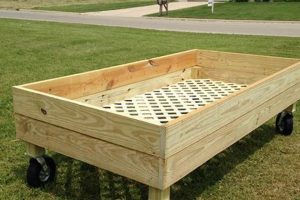
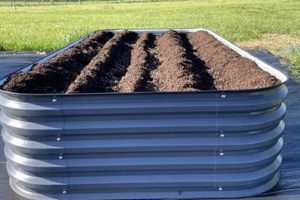
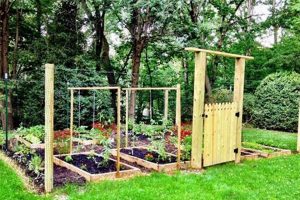
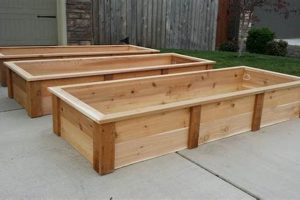
Elevated planting structures constructed on sloping terrain offer a practical solution for horticulture where level ground is limited. These structures, typically built from wood, stone, or composite materials, create defined planting areas by containing soil above the natural grade of the hillside. An example would be tiered wooden boxes built into a south-facing slope to maximize sunlight exposure.
The implementation of such a system provides numerous advantages. Improved drainage is a key benefit, preventing root rot and fostering healthier plant growth in areas prone to waterlogging. Soil erosion control on inclines is also significantly enhanced. Furthermore, these installations can increase accessibility for gardeners with mobility limitations and improve the overall aesthetics of the landscape. Historically, terraced farming has employed similar principles on a larger scale to cultivate crops on steep hillsides.
The following sections will delve into specific considerations for design and construction, optimal soil composition, plant selection, and effective irrigation strategies for these specialized garden environments. Addressing these factors will ensure a thriving and sustainable horticultural outcome.
Construction and Cultivation Guidance for Sloping Terrains
The following recommendations provide guidance for establishing productive and aesthetically pleasing gardens on uneven landscapes, optimizing for plant health and longevity.
Tip 1: Site Assessment is Critical: Prior to construction, thoroughly evaluate the slope’s angle, sun exposure, and existing drainage patterns. This assessment will inform the structure’s design and plant selection.
Tip 2: Terracing for Stability: Consider terracing the area to create a series of level platforms. This reduces erosion risk and simplifies access for maintenance.
Tip 3: Durable Material Selection: Choose rot-resistant materials such as cedar, redwood, or treated lumber for the structure’s frame. Stone or concrete blocks offer increased durability but require more extensive site preparation.
Tip 4: Proper Drainage Installation: Incorporate a drainage layer of gravel or crushed stone at the base to prevent water accumulation and root rot. Ensure that excess water can effectively drain away from the structure.
Tip 5: Soil Composition Matters: Use a well-draining soil mix specifically formulated for raised beds. Amend the soil with compost or other organic matter to improve fertility and water retention.
Tip 6: Plant Selection for Slope Stability: Select plants with extensive root systems to help stabilize the soil on the slope. Groundcovers, shrubs, and deep-rooted perennials are suitable choices.
Tip 7: Efficient Irrigation Strategies: Implement a drip irrigation system or soaker hoses to deliver water directly to the plant roots, minimizing water waste and runoff on the slope.
Optimizing these aspects ensures the longevity and productivity of the garden structure. Careful planning and execution will result in a thriving landscape feature.
In conclusion, considering the specific needs of the plants and the unique conditions of the slope will result in a flourishing garden.
1. Slope Stabilization

The construction of elevated planting structures on sloping terrain directly impacts slope stability. The natural inclination of a hill presents inherent challenges related to soil erosion and mass wasting. The addition of weight from soil, building materials, and plant life can exacerbate these issues if not properly addressed. Furthermore, the disruption of existing vegetation during construction can weaken the soil structure, increasing the risk of landslides or soil creep. Therefore, incorporating robust slope stabilization measures is not merely an aesthetic consideration but a fundamental requirement for the long-term viability of any garden structure built on a hill. For example, in areas with high rainfall, failing to stabilize a slope can lead to the collapse of the planting structure, causing property damage and environmental harm.
Several techniques can be employed to mitigate these risks. Terracing, a common practice in hillside agriculture, involves creating a series of level platforms that reduce the overall slope angle and minimize soil erosion. Retaining walls, constructed from stone, concrete, or timber, provide structural support and prevent soil from sliding downhill. Ground covers and deep-rooted plants can further stabilize the soil by binding it together with their root systems. The careful selection of construction materials and the implementation of appropriate drainage systems are also crucial for maintaining slope stability and preventing water from accumulating behind retaining walls. A successful example is found in the hillside vineyards of the Douro Valley in Portugal, where extensive terracing has enabled centuries of sustainable viticulture on steep slopes.
In conclusion, slope stabilization is an inextricable component of building elevated planting structures on hillsides. Neglecting this aspect can lead to structural failure, environmental damage, and the loss of valuable garden space. By implementing proven stabilization techniques and carefully considering the unique challenges of the site, it is possible to create aesthetically pleasing and ecologically sound gardens that coexist harmoniously with the natural landscape. Prioritizing slope stabilization ensures that the planting structure remains a sustainable and beneficial addition to the hillside environment for years to come.
2. Water Management

Water management is a critical consideration in the successful implementation of elevated planting structures on sloping terrain. The inherent challenges of hillside gardening, such as increased runoff and uneven moisture distribution, necessitate a carefully planned and executed water management strategy. Inadequate drainage can lead to waterlogging, causing root rot and inhibiting plant growth, while insufficient irrigation results in drought stress, particularly on exposed slopes with high evapotranspiration rates. Therefore, effective water management is not merely a supplementary concern but an integral component of establishing and maintaining a thriving garden on a hill. For instance, consider a tiered garden on a steep slope; gravity causes water to accumulate at the base, potentially drowning lower-level plants if drainage is not properly addressed.
Practical applications of appropriate water management strategies are diverse and site-specific. Terracing helps to slow runoff and allows water to infiltrate the soil more evenly. The installation of drainage systems, such as perforated pipes or gravel layers, prevents water accumulation and directs excess moisture away from the planting beds. Drip irrigation and soaker hoses deliver water directly to the plant roots, minimizing water loss through evaporation and runoff, and ensuring efficient water utilization. Soil amendments, such as compost and organic matter, improve water retention and drainage, creating a more balanced soil environment for plant growth. Furthermore, mulch application conserves soil moisture and regulates soil temperature, reducing the need for frequent watering. The Eden Project in Cornwall, UK, demonstrates advanced water management, capturing rainwater and utilizing it efficiently for its diverse collection of plants in challenging terrain.
In summary, the connection between water management and elevated planting structures on slopes is undeniable. Challenges related to drainage, runoff, and moisture distribution must be addressed through a comprehensive approach that integrates site assessment, appropriate construction techniques, and efficient irrigation practices. By prioritizing water management, it is possible to create sustainable and productive garden environments that overcome the limitations of sloping terrain. The absence of proper water management leads to predictable failures; its thoughtful implementation leads to successful and thriving gardens that leverage the unique attributes of the hillside environment.
3. Material Durability

The longevity and structural integrity of elevated planting structures on sloping terrain are intrinsically linked to the durability of the materials used in their construction. Hillsides are dynamic environments, subject to variations in weather patterns, soil composition, and gravitational forces. Consequently, garden structures on these sites experience constant stress from moisture, temperature fluctuations, and soil pressure. The selection of materials capable of withstanding these conditions is paramount to prevent premature degradation, structural failure, and the associated costs of repair or replacement. For example, untreated lumber, while initially cost-effective, will rapidly decay in contact with moist soil, rendering the planting bed unusable within a few seasons. Conversely, a stone retaining wall, properly constructed, can endure for decades, providing stable support and resisting the effects of weathering.
Various materials offer different levels of durability and suitability for hillside applications. Pressure-treated lumber, while containing chemical preservatives, provides increased resistance to rot and insect infestation compared to untreated wood. Naturally rot-resistant woods, such as cedar or redwood, offer a more environmentally friendly alternative, although they may be more expensive. Stone, concrete, or recycled plastic lumber represent longer-lasting options, providing superior resistance to moisture and physical damage. However, the selection process must also consider factors such as material weight, ease of construction, and aesthetic compatibility with the surrounding landscape. A well-chosen material not only ensures structural stability but also contributes to the overall visual appeal of the garden, blending seamlessly with the natural environment. The Butchart Gardens in British Columbia, Canada, showcase the effective use of durable materials such as stone and concrete in retaining walls and planting beds that have withstood decades of exposure to the elements.
In conclusion, the durability of materials is a critical determinant of the lifespan and functionality of elevated planting structures on a hill. Selecting appropriate materials requires careful consideration of the specific environmental conditions of the site, the desired aesthetic outcome, and the long-term maintenance requirements. Prioritizing material durability is an investment in the sustainability and resilience of the garden, ensuring that it remains a productive and visually appealing feature of the landscape for years to come. The compromise of structural materials risks the integrity of the whole garden feature.
4. Sunlight Exposure

Sunlight exposure is a critical factor influencing the productivity and health of plants grown in elevated planting structures on sloping terrain. The amount and duration of sunlight received directly affect photosynthesis, the process by which plants convert light energy into chemical energy for growth. On a hillside, the angle of the slope and its orientation relative to the sun significantly impact the distribution of sunlight. South-facing slopes in the Northern Hemisphere, for instance, typically receive the most direct sunlight, while north-facing slopes receive the least. Consequently, the placement of planting beds and the selection of plant species must be carefully considered to optimize sunlight exposure. Failure to account for these factors can result in stunted growth, reduced yields, and increased susceptibility to pests and diseases. The success of hillside vineyards, for example, depends heavily on maximizing sunlight exposure to ripen grapes fully, often achieved through strategic row orientation and canopy management.
The practical application of this understanding involves several key strategies. First, a thorough site assessment is essential to determine the amount and duration of sunlight each area of the slope receives throughout the day and year. This information guides the placement of planting beds and the selection of plant species suitable for those conditions. For example, shade-tolerant plants should be grown on north-facing slopes or in areas shaded by trees or buildings, while sun-loving plants should be placed on south-facing slopes. Secondly, the design of the planting beds can be optimized to maximize sunlight capture. Terracing can create level surfaces that expose plants to more direct sunlight, while raised beds can elevate plants above shaded areas. Furthermore, reflective surfaces, such as white-painted walls or reflective mulch, can be used to increase the amount of light reaching plants in shady areas. In mountainous regions, gardeners will often strategically prune trees or use light-colored rocks near the beds to augment reflected light towards the plants.
In conclusion, sunlight exposure is an essential component of successful hillside gardening. Its careful management through site assessment, strategic bed placement, and plant selection is crucial for maximizing plant growth and productivity. While challenges related to slope orientation and shading may exist, they can be effectively addressed through informed planning and innovative techniques. Understanding and optimizing sunlight exposure not only ensures the health and vitality of plants but also contributes to the overall aesthetic appeal and sustainability of elevated planting structures on sloping terrain. In this, sunlight exposure needs to be considered as a non-negotiable component to the whole system.
5. Accessibility Planning
The implementation of elevated planting structures on sloping terrain presents unique challenges regarding accessibility. The very nature of a hill inherently restricts movement and can impede access for individuals with mobility limitations, such as those using wheelchairs, walkers, or those with joint pain. Consequently, thoughtful accessibility planning is not merely an optional consideration but an essential component of designing and constructing such gardens. Failing to prioritize accessibility can exclude a significant portion of the population from enjoying the benefits of gardening, thereby diminishing the overall value of the project. For instance, a steep, unpaved path leading to elevated planting structures renders the garden inaccessible to anyone with mobility challenges, negating its potential as a therapeutic or recreational space for this group.
Practical applications of accessibility planning in this context encompass a range of design strategies. Gradual, gently sloping pathways constructed with firm, non-slip surfaces ensure safe and easy navigation. Level platforms or terraces provide stable and comfortable work areas for gardeners with limited mobility. The height of the raised beds must be carefully considered to allow for easy reach from a seated or standing position. Incorporating features such as built-in benches or seating areas encourages rest and allows gardeners to work comfortably for extended periods. Furthermore, the strategic placement of tools and water sources minimizes the need for excessive reaching or bending. The VanDusen Botanical Garden in Vancouver, Canada, offers an excellent example of accessible garden design, featuring wide, paved pathways, raised planting beds of varying heights, and accessible restrooms.
In summary, accessibility planning is an indispensable element of designing elevated planting structures on hillsides. Addressing mobility challenges through thoughtful design choices ensures that the garden is inclusive and accessible to individuals of all abilities. While implementing accessibility features may require additional planning and investment, the benefits of creating a welcoming and inclusive space far outweigh the costs. Prioritizing accessibility not only enhances the usability and enjoyment of the garden but also promotes social inclusion and improves the quality of life for individuals with mobility limitations. Ignoring it creates a barrier and an exclusion that undermines the purpose of the garden as a welcoming, inclusive and healthy space.
6. Soil Retention
The implementation of elevated planting structures on sloping terrain is inextricably linked to soil retention. The gravitational forces acting upon soil on a hill inherently promote downslope movement, leading to erosion and the loss of valuable growing medium. Without effective soil retention strategies, the contents of a planting bed will gradually diminish, reducing its functionality and compromising plant health. Therefore, soil retention is not merely a desirable feature but a fundamental requirement for the long-term viability of any elevated garden on a hillside. Consider, for example, a raised bed constructed without proper backfilling or retaining walls; heavy rainfall will quickly wash away the soil, leaving roots exposed and plants vulnerable.
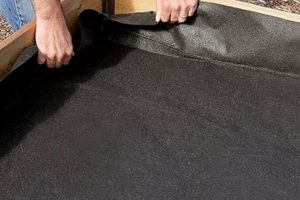
Various methods contribute to effective soil retention in hillside gardens. Physical barriers, such as retaining walls constructed from stone, timber, or concrete, provide direct support and prevent soil slippage. The use of geotextiles or landscape fabrics behind retaining walls further enhances stability by filtering soil particles and preventing them from eroding through the wall. Terracing, by creating a series of level platforms, reduces the overall slope angle and minimizes the force of gravity acting on the soil. Deep-rooted plants, selected for their ability to bind soil particles together, offer a natural form of soil retention. Furthermore, incorporating organic matter into the soil improves its structure and cohesion, making it more resistant to erosion. Hillside vineyards frequently employ a combination of terracing, retaining walls, and groundcover to maintain soil integrity on steep slopes.
In summary, soil retention is an indispensable element in the design and construction of elevated planting structures on hills. Failing to address this critical aspect inevitably leads to soil loss, reduced plant health, and the eventual degradation of the garden. By implementing a combination of physical barriers, appropriate planting strategies, and soil amendments, it is possible to create stable and productive gardens that withstand the forces of erosion. Prioritizing soil retention is an investment in the sustainability of the planting structure, ensuring its longevity and contribution to the landscape for years to come.
Frequently Asked Questions
The following addresses common inquiries regarding the construction, maintenance, and suitability of elevated planting structures on hillsides. The information presented is intended to provide clarity and guidance for those considering this gardening approach.
Question 1: What is the primary advantage of utilizing elevated planting structures on a hillside versus traditional ground-level gardening?
The primary advantage lies in enhanced soil management and erosion control. Hillsides are prone to soil erosion due to gravity and water runoff. Elevated structures contain the soil, preventing its loss and allowing for the creation of optimal growing conditions regardless of the native soil composition. Furthermore, these structures often improve drainage, mitigating waterlogging risks common on slopes.
Question 2: Are specific structural materials better suited for the construction of such planting structures on a hillside?
Yes. Materials exhibiting high resistance to moisture and decay are preferred. Pressure-treated lumber, naturally rot-resistant woods such as cedar or redwood, and durable materials like stone or concrete are commonly employed. The selection should consider the severity of the slope, potential moisture exposure, and aesthetic preferences.
Question 3: How should drainage be addressed to prevent water damage to elevated planting structures on a sloping terrain?
Effective drainage is paramount. A gravel or crushed stone layer at the base of the structure promotes water percolation. Drainage pipes may be necessary to divert excess water away from the planting beds. Furthermore, incorporating well-draining soil mixes and avoiding over-compaction are crucial.
Question 4: What is the optimal orientation for elevated planting structures on a hillside to maximize sunlight exposure?
In the Northern Hemisphere, a south-facing slope generally receives the most sunlight. Orienting the planting beds to face south maximizes solar exposure. However, site-specific conditions such as tree cover or adjacent buildings must be considered. If a south-facing orientation is not feasible, select plant species that tolerate partial shade.
Question 5: What are the crucial considerations for ensuring slope stability when constructing elevated planting structures?
Slope stability is paramount to prevent structural failure and soil erosion. Terracing, which creates a series of level platforms, is a common technique. Retaining walls, properly engineered and constructed, provide essential support. Deep-rooted plants also contribute to slope stabilization by binding the soil.
Question 6: How can access be improved for gardeners with limited mobility when working with elevated planting structures on a hillside?
Accessibility should be integrated into the design. Gently sloping pathways, constructed with firm, non-slip surfaces, facilitate safe navigation. Raised beds should be elevated to a comfortable working height, reducing the need for bending or stooping. Built-in benches or seating areas provide rest opportunities.
In summary, the successful implementation of elevated planting structures on hillsides requires careful planning, appropriate material selection, and attention to drainage, sunlight exposure, slope stability, and accessibility. Adhering to these guidelines will contribute to a thriving and sustainable garden.
The next section will explore case studies showcasing successful applications of this technique in diverse environments.
Conclusion
The preceding examination of raised garden beds on a hill has illuminated the multifaceted considerations inherent in their successful implementation. From slope stabilization and water management to material durability, sunlight exposure, accessibility planning, and soil retention, each element contributes significantly to the structure’s longevity and productivity. The integration of these principles is crucial for transforming challenging terrain into a flourishing horticultural space.
The strategic deployment of elevated planting structures on sloping landscapes offers a sustainable approach to gardening, fostering both environmental stewardship and enhanced food production. Further research and innovation in materials science and engineering could unlock even greater potential for these systems. The careful application of the concepts discussed herein provides a pathway towards resilient and aesthetically pleasing gardens that thrive in harmony with the natural contours of the land.