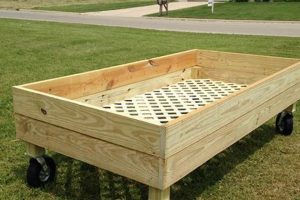
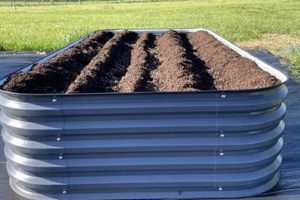
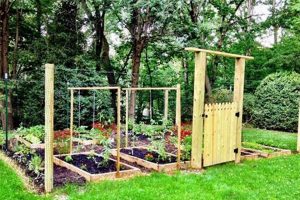
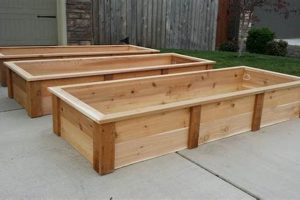
A galvanized steel container, originally designed for livestock watering, repurposed to elevate a planting space above ground level. This method involves using the tank as a large, durable planter, filled with soil or other growing media to cultivate various plants. For instance, vegetables, herbs, flowers, and even small shrubs can thrive within this contained environment.
Employing these modified containers offers several advantages, including improved drainage, easier access for planting and harvesting, and reduced risk of soilborne pests and diseases. Its increased height can alleviate strain on the back and knees, making gardening more accessible. Historically, utilizing readily available agricultural materials for diverse purposes has demonstrated resourcefulness and adaptability in gardening practices, particularly in areas with poor soil quality or limited space.
The subsequent sections will delve into the practical aspects of constructing and maintaining this type of elevated garden, exploring the most suitable plants, addressing potential challenges, and providing comprehensive guidance for successful implementation. Details on preparation, planting, and sustainable gardening in these modified containers will also be included.
Stock Tank Raised Garden
Optimizing a stock tank raised garden requires careful consideration of several factors to ensure plant health and long-term success. The following guidelines provide essential information for establishing and maintaining this type of garden.
Tip 1: Drainage is Paramount: Ensure adequate drainage by drilling holes in the bottom of the stock tank. Insufficient drainage leads to waterlogged soil, which promotes root rot and hinders plant growth. A layer of gravel or landscape fabric at the bottom can further improve drainage.
Tip 2: Select Appropriate Soil: Avoid using garden soil directly from the ground. Instead, opt for a well-draining potting mix specifically formulated for raised beds or containers. This provides the necessary aeration and nutrient retention for optimal plant development.
Tip 3: Consider Tank Material and Liner: Galvanized steel tanks can leach zinc into the soil, potentially affecting plant health. Applying a food-grade epoxy liner to the inside of the tank mitigates this risk, particularly for vegetables and herbs intended for consumption.
Tip 4: Strategic Plant Placement: Arrange plants according to their sunlight and water requirements. Taller plants should be positioned to avoid shading smaller ones, and plants with high water needs should be grouped together to simplify irrigation.
Tip 5: Consistent Watering Practices: Monitor soil moisture levels regularly and water deeply when the top inch of soil feels dry. Avoid overwatering, as this can lead to root problems. Consider using a soaker hose or drip irrigation system for efficient water delivery.
Tip 6: Regular Fertilization: Plants in a stock tank raised garden rely on supplemental nutrients. Apply a slow-release fertilizer or amend the soil with compost regularly to ensure adequate nutrient availability throughout the growing season.
Tip 7: Pest and Disease Management: Inspect plants regularly for signs of pests or diseases. Implement preventative measures, such as using organic insecticides or fungicides, to address issues early and minimize damage. Crop rotation can also help prevent soilborne diseases.
Following these guidelines contributes significantly to the long-term productivity and aesthetic appeal of the specified garden, yielding healthy plants and a bountiful harvest.
The subsequent section will address specific plant selections that thrive in this container gardening environment and explore advanced techniques for maximizing yields and sustainability.
1. Drainage Considerations
Adequate drainage is paramount to the success of a stock tank raised garden. Unlike in-ground planting, water has no natural path to escape from the contained environment. Improper drainage leads to waterlogged soil, which inhibits root function, promotes disease, and ultimately compromises plant health.
- Drilling Drainage Holes
The most fundamental drainage solution involves drilling holes in the bottom of the stock tank. The number and size of these holes depend on the tank’s dimensions and the anticipated rainfall in the region. Insufficient holes will restrict water outflow, while excessively large holes may allow soil erosion. A balanced approach is essential for effective water management.
- Gravel or Aggregate Layer
Creating a drainage layer at the bottom of the stock tank using gravel, crushed rock, or similar aggregate materials enhances water flow away from the soil. This layer provides a space for excess water to collect before slowly draining through the holes, preventing soil saturation and promoting aeration around the roots. The thickness of the layer varies based on the expected drainage needs.
- Soil Composition and Drainage
The type of soil used in the stock tank raised garden directly impacts drainage efficiency. Heavy clay soils retain water and impede drainage, while sandy soils drain too rapidly and may not retain sufficient moisture. A well-draining potting mix, often composed of peat moss, perlite, and vermiculite, provides the ideal balance of water retention and drainage capacity for optimal plant growth.
- Liner Considerations
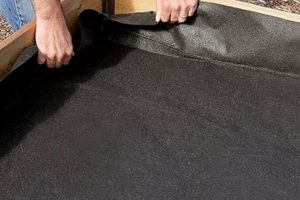
When using a liner to prevent leaching from the metal tank, it is crucial to ensure the liner does not obstruct the drainage holes. Perforated liners or careful cutting around the holes are necessary to maintain proper water flow. Liners can also impact soil temperature and moisture retention, requiring adjustments to watering practices.
Proper drainage is a non-negotiable aspect of stock tank raised gardening. Ignoring this critical element will inevitably lead to plant failure. Through careful planning, appropriate material selection, and vigilant monitoring, the contained environment can be transformed into a thriving and productive garden.
2. Soil Composition
The composition of soil within a stock tank raised garden directly dictates the availability of essential nutrients, water retention capabilities, and overall root health, influencing plant vitality and productivity. The enclosed nature of the tank environment removes the natural buffering and replenishment processes present in traditional in-ground gardens, making the initial soil selection and subsequent maintenance critical. For instance, heavy clay soils, while potentially rich in nutrients, can become waterlogged within the tank, leading to root rot and the suffocation of plants. Conversely, excessively sandy soils, though providing excellent drainage, may fail to retain adequate moisture and nutrients, resulting in stunted growth. Therefore, a balanced soil composition is paramount for optimal performance.
The selection of soil for a stock tank raised garden must consider the specific requirements of the plants being cultivated. A mixture of peat moss, perlite, and vermiculite, commonly known as a soilless potting mix, offers excellent drainage and aeration while retaining sufficient moisture. Amending this base with compost or other organic matter introduces essential nutrients and promotes beneficial microbial activity, further enhancing soil health. Regular soil testing is recommended to monitor nutrient levels and pH balance, allowing for targeted fertilization and amendments. Real-world examples demonstrate that utilizing a poorly balanced soil composition results in diminished yields, increased susceptibility to pests and diseases, and ultimately, the failure of the stock tank raised garden to meet its intended purpose.
In summary, soil composition stands as a foundational element in the success of any stock tank raised garden. The confined environment necessitates a proactive approach to soil selection and management, prioritizing drainage, nutrient availability, and pH balance. Overlooking the importance of soil composition can lead to various challenges, including poor plant growth, increased susceptibility to disease, and reduced yields. By understanding and addressing these considerations, practitioners can harness the full potential of this raised garden method, fostering healthy and productive plant growth.
3. Tank Material

The material composition of the tank significantly impacts the functionality, longevity, and suitability of a stock tank raised garden. Understanding the characteristics of various materials is crucial for making informed decisions that optimize plant health and environmental safety.
- Galvanized Steel: Zinc Leaching
Galvanized steel, a common material for stock tanks, is coated with zinc to prevent corrosion. However, zinc can leach into the soil over time, potentially affecting plant health, particularly for edible crops. Liners or careful soil management are often necessary to mitigate this risk. Examples show that certain plants are more sensitive to zinc toxicity than others, necessitating thoughtful plant selection.
- Plastic: Durability and Chemical Composition
Plastic stock tanks offer an alternative to steel, often providing greater resistance to corrosion and lighter weight. However, the type of plastic used is critical. Food-grade, BPA-free plastics are essential to avoid the leaching of harmful chemicals into the soil. Non-food-grade plastics may degrade over time, releasing potentially toxic compounds that can contaminate the growing environment.
- Wood: Decomposition and Treatment
Wooden stock tanks provide a natural aesthetic but are susceptible to decomposition when in constant contact with moisture. Pressure-treated wood contains chemicals that can leach into the soil, making it unsuitable for edible gardens. Untreated wood, while safer, will require regular maintenance and replacement. Selecting naturally rot-resistant wood species can extend the lifespan, but careful consideration must still be given to potential decomposition.
- Concrete: Alkalinity and Weight
Concrete stock tanks offer extreme durability but are significantly heavier than other options. Concrete can also leach lime into the soil, raising the pH and potentially impacting plant growth. Soil amendments may be necessary to counteract the alkalinity. The weight of concrete tanks requires careful planning regarding placement and foundation support.
The selection of tank material in this type of garden represents a complex trade-off between durability, cost, and potential environmental impact. Each material presents distinct advantages and disadvantages, requiring a thorough assessment of specific gardening goals and environmental considerations to ensure a successful and sustainable planting system.
4. Plant Selection

The success of a stock tank raised garden hinges significantly on informed plant selection. The limited space and altered environmental conditions within the tank environment necessitate a careful consideration of plant characteristics. Plant selection serves as a foundational element, directly influencing the overall yield, health, and aesthetic appeal of the garden. For example, planting sprawling vine crops like watermelons in a small tank will lead to overcrowding, reduced air circulation, and increased susceptibility to pests and diseases. Conversely, selecting compact, determinate varieties of tomatoes or bush beans optimizes space utilization and maximizes productivity within the constrained area. The cause-and-effect relationship between plant selection and garden performance is undeniable; inappropriate choices yield suboptimal results, while thoughtful selections enhance the likelihood of a thriving garden.
The practical significance of understanding this connection extends beyond simply choosing “pretty” plants. It requires assessing factors such as mature plant size, sunlight requirements, water needs, and susceptibility to common pests and diseases. For instance, selecting drought-tolerant herbs like rosemary and thyme alongside water-intensive vegetables like lettuce can lead to either underwatering the lettuce or overwatering the herbs. Furthermore, considering plant compatibility, known as companion planting, can enhance growth. Planting basil near tomatoes, for example, can deter pests and improve tomato flavor. These considerations highlight the nuanced understanding required to effectively utilize the tank’s limited resources and create a balanced, self-sustaining ecosystem. Real-life examples from experienced gardeners often showcase the dramatic difference between a haphazardly planted tank and one thoughtfully designed with plant selection as a central consideration.
In conclusion, plant selection is not a mere afterthought in the construction of a stock tank raised garden; it is a critical determinant of its success. The confined environment demands a precise understanding of plant characteristics and their interaction with the tank’s unique conditions. Challenges, such as limited space and altered microclimates, necessitate thoughtful planning and informed choices. By prioritizing plant selection as a core component, practitioners can overcome these challenges and unlock the full potential of the stock tank raised garden, establishing a productive and sustainable growing space.
5. Water Management

Water management within a stock tank raised garden presents unique challenges and demands meticulous attention due to the confined environment. Unlike in-ground gardening, where water can disperse naturally through the surrounding soil, a stock tank restricts water movement, increasing the risk of both overwatering and underwatering. The effectiveness of water management significantly impacts plant health, nutrient availability, and the overall success of the gardening endeavor. For instance, excessive watering can lead to root rot and fungal diseases, while insufficient watering results in wilting, stunted growth, and reduced yields. The tank’s physical constraints necessitate proactive strategies to maintain optimal soil moisture levels.
The implementation of effective water management practices involves several key considerations. First, the composition of the soil directly influences water retention and drainage. A well-draining potting mix, amended with organic matter, is essential to prevent waterlogging. Second, the selection of appropriate irrigation methods is crucial. Drip irrigation systems and soaker hoses provide targeted water delivery directly to the roots, minimizing water loss through evaporation and reducing the risk of fungal diseases. Third, regular monitoring of soil moisture levels is necessary to adjust watering schedules based on environmental conditions and plant needs. Real-world examples demonstrate that neglecting these considerations leads to significant plant losses and reduced productivity, while diligent water management fosters healthy, thriving plants.
In summary, water management is a critical component of a successful stock tank raised garden. The confined environment necessitates a proactive and informed approach to irrigation, soil selection, and moisture monitoring. The challenges inherent in this system are offset by the potential for increased efficiency and control over water resources. By prioritizing effective water management practices, gardeners can optimize plant health, maximize yields, and create a sustainable and productive growing space.
6. Pest Control
Pest control within a stock tank raised garden presents a unique set of challenges and opportunities compared to traditional in-ground gardening. The elevated and contained environment alters pest access and population dynamics, requiring tailored strategies for prevention and management.
- Reduced Ground Pest Access
The elevated nature of stock tank raised gardens inherently limits access for ground-dwelling pests such as slugs, snails, and certain soilborne insects. This reduced accessibility minimizes the need for extensive soil treatments and protective barriers often required in conventional gardens. However, it does not eliminate the risk entirely, as pests can still access the tanks via nearby vegetation or other structures. Regular inspection remains crucial.
- Increased Airborne Pest Vulnerability
While ground pests may be less prevalent, stock tank raised gardens can be more vulnerable to airborne pests such as aphids, whiteflies, and certain caterpillars. The open environment provides easy access for these pests, and the concentrated plant density within the tank can facilitate rapid infestations. Monitoring for airborne pests and implementing preventative measures like netting or insecticidal soap sprays becomes particularly important.
- Beneficial Insect Attraction
The controlled environment of a stock tank raised garden offers an opportunity to attract beneficial insects that prey on common garden pests. Planting specific flowers and herbs that attract pollinators and predatory insects can create a natural pest control system, reducing the reliance on chemical interventions. Encouraging a diverse ecosystem within and around the tank promotes a balanced and sustainable approach to pest management.
- Soilborne Disease Prevention
The use of fresh, high-quality potting mix in stock tank raised gardens significantly reduces the risk of soilborne diseases compared to using native garden soil. These diseases often harbor pests or damage root systems. This proactive approach to soil management minimizes the need for chemical treatments and promotes healthier plant growth. However, vigilance is still necessary to prevent the introduction of diseases through contaminated tools or infected plants.
Ultimately, effective pest control in stock tank raised gardens hinges on a holistic approach that combines preventative measures, beneficial insect attraction, and targeted interventions when necessary. Understanding the specific pest dynamics within this unique environment allows for the implementation of sustainable and effective strategies that protect plant health and maximize yields.
Frequently Asked Questions
The following section addresses common inquiries regarding the implementation and maintenance of a gardening setup utilizing repurposed stock tanks.
Question 1: How does the material of the stock tank influence plant health?
The tank material can significantly impact plant health. Galvanized steel tanks may leach zinc into the soil, potentially affecting sensitive plants. Food-grade plastic tanks offer a safer alternative, while wooden tanks require treatment to prevent rot. Concrete tanks can alter soil pH. Careful material selection is essential.
Question 2: What soil composition is most suitable for a stock tank raised garden?
A well-draining potting mix, rather than garden soil, is typically recommended. Garden soil tends to compact in containers, impeding drainage and aeration. The potting mix should be amended with compost or other organic matter to provide essential nutrients. Regular soil testing helps maintain optimal nutrient levels.
Question 3: How can drainage be effectively managed in a stock tank raised garden?
Adequate drainage is crucial to prevent waterlogging. Drilling drainage holes in the bottom of the tank is essential. A layer of gravel or landscape fabric at the bottom can further enhance drainage. Careful monitoring of soil moisture levels and adjusting watering practices are also important.
Question 4: What plant types are best suited for a stock tank raised garden?
Compact, determinate varieties of vegetables and herbs are often preferred due to space constraints. Plants with similar water and sunlight requirements should be grouped together. Consider vertical gardening techniques to maximize space utilization. Avoid overly aggressive or sprawling plants that may outgrow the tank.
Question 5: How can pest and disease problems be effectively managed in this type of garden?
Regular inspection for signs of pests or diseases is essential. Handpicking pests, using organic insecticides, and practicing crop rotation can help control infestations. Providing adequate air circulation and avoiding overcrowding can also reduce the risk of disease. Select disease-resistant plant varieties whenever possible.
Question 6: What are the long-term maintenance requirements for a stock tank raised garden?
Long-term maintenance involves regular watering, fertilization, weeding, and pest control. Soil may need to be amended or replaced periodically to replenish nutrients. The tank itself should be inspected for signs of rust or damage and repaired as needed. Consistent care ensures the garden remains productive and aesthetically pleasing.
In conclusion, a successful gardening experience in a container depends on understanding the influence of material selection, soil composition, drainage management, plant selection, pest control and maintanence.
The subsequent section will explore creative design ideas and aesthetic considerations for enhancing the visual appeal of this unique type of garden.
Conclusion
This exploration of the stock tank raised garden method has addressed crucial aspects, from material selection and soil composition to water management and pest control. The analysis underscores the importance of informed decision-making in establishing and maintaining a thriving, sustainable planting environment. Careful attention to drainage, nutrient availability, and plant selection optimizes the yield and longevity of the garden, mitigating common challenges associated with container gardening.
The stock tank raised garden presents a practical and adaptable solution for various gardening contexts, offering accessibility, space efficiency, and pest management advantages. Its continued adoption hinges on a commitment to best practices and ongoing refinement. Further research and innovation in sustainable materials and cultivation techniques will further enhance the effectiveness and environmental benefits of this gardening approach.