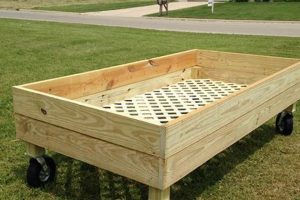
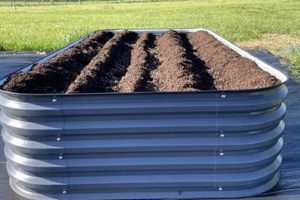
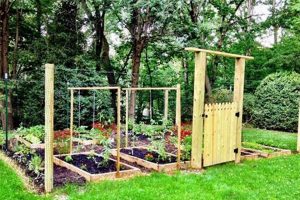
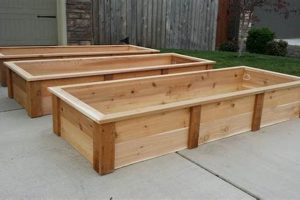
A material used to line the interior of a structure designed to elevate a planting area. This barrier separates the soil within the elevated garden from the construction materials of the bed itself. For example, a sheet of durable plastic affixed to the inner walls of a wooden frame prevents direct contact between the soil and the wood.
Its installation provides several advantages, including extending the lifespan of the raised bed structure by minimizing moisture-related decay, particularly in wooden constructions. Furthermore, it prevents potentially harmful chemicals from leaching from the construction materials into the soil, which could negatively impact plant health and the edibility of produce. Historically, various materials have been employed for this purpose, ranging from natural options like clay to modern synthetic polymers.
The subsequent sections will delve into a comparative analysis of various materials used for this purpose, explore installation techniques, and consider factors influencing material selection to optimize garden health and longevity.
Selection and Installation Tips
Proper material choice and installation are crucial for maximizing the benefits of the selected product, promoting plant health, and extending the lifespan of the raised garden bed.
Tip 1: Prioritize Food-Grade Materials: When cultivating edible plants, ensure the liner material is certified as food-grade or explicitly stated to be safe for contact with consumable produce. This mitigates the risk of harmful chemicals leaching into the soil and subsequently, into the plants.
Tip 2: Evaluate Drainage Requirements: Depending on the intended plants and local climate, assess the need for drainage holes. Impermeable materials may require strategically placed perforations to prevent waterlogging and root rot.
Tip 3: Consider Material Durability: Select a material resistant to tearing, puncturing, and degradation from UV exposure. Thicker gauge plastics or reinforced fabrics generally offer greater longevity.
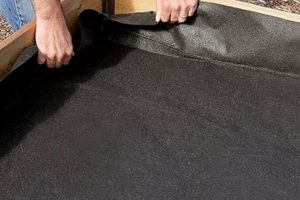
Tip 4: Ensure Proper Bed Adhesion: Secure the material firmly to the raised bed frame using staples, nails, or appropriate adhesives. This prevents shifting or sagging, maintaining a consistent barrier between the soil and the bed structure.
Tip 5: Extend Material Above Soil Line: Extend the product a few inches above the intended soil level. This minimizes the risk of soil spilling over the sides and further protects the bed’s structural components.
Tip 6: Inspect Regularly for Wear: Routinely examine the material for signs of damage, such as tears or punctures. Prompt repair or replacement will prevent further deterioration and maintain its protective function.
Proper selection and installation methods help ensure optimal performance, protecting both the raised garden bed itself and the plants it houses.
The following sections will address common challenges encountered during installation and explore best practices for long-term maintenance.
1. Material

The selection of material is a foundational aspect of a raised garden bed liner, directly impacting its performance and lifespan. The liner functions as a barrier, separating the soil from the frame of the raised bed. The material’s characteristics determine its ability to prevent soil erosion, deter root penetration from surrounding areas, and mitigate the leaching of chemicals from the frame into the soil. For example, untreated wood, when in constant contact with moist soil, decomposes. A polyethylene liner significantly slows this process. Similarly, certain treated lumber contains chemicals potentially harmful to plants; a suitable liner prevents these chemicals from contaminating the growing medium.
Beyond protection, the chosen material also influences water retention and drainage within the bed. Impermeable materials, such as thick plastic sheeting, can lead to waterlogging if drainage holes are not implemented. Conversely, porous materials like landscape fabric allow for drainage but might also permit the leaching of nutrients. Geotextiles represent a compromise, offering drainage while limiting soil loss. Furthermore, the durability of the material affects its long-term cost-effectiveness. A cheaper, thinner plastic might require frequent replacement, whereas a more robust material, though initially more expensive, could provide years of service.
In summary, the appropriate material selection for a raised garden bed liner is critical for structural integrity, soil health, and overall garden sustainability. Failing to adequately consider material properties can lead to premature bed failure, soil contamination, or suboptimal plant growth. Therefore, a thorough understanding of the properties of different materials is essential for making an informed decision that aligns with the gardener’s specific needs and environmental context.
2. Durability

The durability of a raised garden bed liner is a critical factor influencing the longevity and overall performance of a raised garden bed. The liner is subject to constant exposure to moisture, soil, and potentially corrosive elements, requiring it to withstand degradation over time. The inherent material properties directly determine its ability to resist these factors. For instance, a thin, non-UV resistant plastic liner will likely become brittle and tear within a single growing season, rendering it ineffective. Conversely, a thicker, UV-stabilized polyethylene or a robust geotextile fabric can endure multiple seasons, maintaining its integrity and protective function.
The degradation of a liner directly impacts the structural integrity of the raised bed. If the liner fails, soil can come into direct contact with the bed’s frame, accelerating decay in wooden structures or corrosion in metal frames. Moreover, a compromised liner can allow soil to leach out of the bed, leading to nutrient loss and potential contamination of the surrounding environment. Consider a scenario where a wooden raised bed is lined with a low-quality plastic. Within a year, the plastic deteriorates, exposing the wood to constant moisture. This accelerates wood rot, requiring costly repairs or complete replacement of the raised bed within a short timeframe. A more durable liner, on the other hand, would have prevented this scenario, extending the bed’s lifespan.
In summary, durability is paramount to the effective function of a raised garden bed liner. Selecting a durable material minimizes the risk of premature failure, protects the bed structure from damage, and ensures the long-term viability of the gardening system. While initial cost may be a consideration, the long-term benefits of a durable liner, including reduced maintenance and replacement costs, often outweigh the upfront investment.
3. Safety

Safety is a primary consideration in the selection and application of a raised garden bed liner. The materials used must not introduce harmful substances into the soil, potentially impacting plant health and, more critically, the safety of any produce grown for consumption. This necessitates careful evaluation of the composition and potential leaching characteristics of liner materials.
- Material Composition and Leaching
The liner’s constituent materials must be inert and non-toxic, preventing the release of chemicals into the soil. Certain plastics, particularly those not designed for food contact, may leach phthalates or bisphenol A (BPA), which are known endocrine disruptors. Similarly, recycled materials, while environmentally conscious, must be verified to be free from contaminants that could be absorbed by plants. The implications of using inappropriate materials extend beyond plant health to potentially serious health risks for consumers.
- Prevention of Physical Hazards
The liner should be installed to minimize physical risks, such as sharp edges or protruding fasteners that could cause injury. Overlapping sections of liner material should be securely fastened to prevent tripping hazards. Furthermore, the liner’s integrity must be maintained to prevent the growth of mold or mildew in areas where moisture can accumulate. These physical hazards can pose risks to gardeners, particularly children or elderly individuals.
- Soil Contamination Prevention
A properly installed liner acts as a barrier, preventing soil contamination from external sources. It can prevent runoff containing pollutants from entering the raised bed and also block the migration of soil-borne pathogens from the surrounding ground. This is particularly important in urban environments or areas with a history of industrial activity, where soil contamination is a concern. Maintaining a barrier against external contaminants ensures the integrity and safety of the growing environment.
- Protection from Treated Wood
If the raised bed is constructed from treated lumber, a liner is crucial to prevent chemicals such as chromated copper arsenate (CCA) from leaching into the soil. Although CCA-treated wood is less common now, older structures may still pose a risk. The liner acts as a physical barrier, preventing direct contact between the treated wood and the soil, thereby safeguarding the plants from potential arsenic contamination. This is a critical safety measure for raised beds constructed from treated lumber.
These safety considerations highlight the importance of selecting appropriate materials and employing proper installation techniques when using a raised garden bed liner. A comprehensive approach to safety ensures the well-being of both the plants and the individuals who consume them, contributing to a sustainable and healthy gardening practice.
4. Drainage

Adequate drainage is a critical consideration in the design and implementation of raised garden beds, and the choice of liner material significantly influences its management. A balance must be struck to prevent waterlogging while retaining sufficient moisture for plant growth.
- Impermeable Liners and Water Accumulation
Liners made of impermeable materials, such as plastic sheeting, can impede drainage if not properly managed. Without drainage holes, excess water accumulates, leading to waterlogged soil conditions detrimental to many plant species. Root rot, fungal diseases, and nutrient deficiencies are common consequences. For example, a raised bed lined entirely with plastic, lacking any drainage provisions, will likely experience water saturation after heavy rainfall, negatively impacting root health.
- Permeable Liners and Moisture Loss
Conversely, highly permeable liners, such as landscape fabric or burlap, while facilitating drainage, may lead to excessive moisture loss, particularly in arid climates or during prolonged dry periods. This necessitates more frequent watering to maintain optimal soil moisture levels. Consider a raised bed lined with a permeable fabric in a hot, windy environment; the soil will dry out rapidly, requiring daily watering to prevent plant stress.
- Drainage Holes and Soil Retention
The strategic placement of drainage holes in impermeable liners is a common practice to mitigate waterlogging. However, the size and spacing of these holes must be carefully considered to prevent excessive soil erosion. Large or numerous holes can lead to soil loss over time, particularly with loose or sandy soils. The implementation of a layer of gravel or landscape fabric at the bottom of the bed can help retain soil while allowing drainage.
- Geotextiles and Balanced Drainage
Geotextiles offer a compromise between permeability and soil retention. These materials allow for adequate drainage while preventing significant soil loss. Their construction provides sufficient porosity to facilitate water movement without compromising the integrity of the soil structure. A raised bed lined with geotextile fabric will generally exhibit better drainage characteristics compared to plastic while minimizing soil erosion, providing a more stable and favorable environment for plant growth.
In conclusion, the selection of a liner material directly impacts the drainage characteristics of a raised garden bed. Proper management strategies, such as the strategic placement of drainage holes or the use of geotextiles, are essential to optimize soil moisture levels and promote healthy plant growth. These considerations are paramount for ensuring the long-term success of a raised garden bed system.
5. Installation
The correct installation of a raised garden bed liner is paramount to achieving its intended benefits and maximizing the lifespan of both the liner and the raised bed structure itself. Improper installation can negate the protective qualities of the liner, leading to premature degradation, soil contamination, and structural damage. The process begins with accurate measurement of the internal dimensions of the raised bed, ensuring the liner material can be cut to size with sufficient overlap for secure attachment. Failure to properly measure results in gaps or insufficient coverage, compromising the barrier function. For example, if the liner is too short, soil will contact the bed frame, accelerating decay in wooden structures.
The chosen method of securing the liner to the raised bed frame directly affects its long-term performance. Common methods include stapling, nailing, or the use of adhesives. When using staples or nails, it is imperative to choose corrosion-resistant materials to prevent rust and subsequent degradation. The spacing of fasteners should be sufficient to prevent sagging or billowing of the liner, particularly in windy conditions. Adhesives, if used, must be compatible with both the liner material and the bed frame, and applied according to the manufacturer’s instructions. Inadequate adhesion leads to separation and allows soil and moisture to penetrate behind the liner, undermining its purpose. A critical aspect is ensuring the liner extends above the soil line to prevent spillage and further protect the frame. Proper folds at the corners and secure fastening are crucial to prevent tearing or detachment, especially when the bed is filled with soil. Consider a scenario where a liner is loosely stapled to a wooden frame; over time, the staples rust, and the liner detaches, exposing the wood to moisture and leading to rot.
In conclusion, the installation phase is not merely a perfunctory step but an integral determinant of the overall success of a raised garden bed liner. Correct measurement, appropriate fastening techniques, and careful attention to detail are essential to ensuring the liner effectively protects the raised bed structure and maintains a healthy growing environment. Challenges often arise from using incorrect tools or materials, or neglecting to properly prepare the surface prior to installation. By prioritizing proper installation practices, gardeners can realize the full potential of their raised garden beds and extend their useful lifespan.
6. Longevity
The relationship between the two lies in the protective function the liner provides. A garden bed constructed without one is susceptible to decay, corrosion, and soil contamination. For example, untreated wood, directly exposed to moist soil, decomposes rapidly. Similarly, metal beds can corrode. The liner serves as a barrier, mitigating these destructive processes and thereby extending the useful life of the entire structure. High-quality liner materials, resistant to UV degradation and puncture, contribute more effectively to this preservation.
Several factors illustrate this connection. A poorly chosen liner material, such as thin plastic, can tear easily and fail within a single growing season. This necessitates replacement, an added expense, and continued exposure of the bed frame to potentially damaging elements. Conversely, a durable, properly installed liner made of a robust material like geotextile fabric can protect the bed for many years. In addition, it provides protection from treated woods, which leach toxic chemicals into the soil, which may hurt the plants. This is why food-grade liners are important if growing plants for consumption.
Ultimately, understanding the significance of longevity in relation to raised garden bed liners informs more sustainable gardening practices. Selecting appropriate materials and employing proper installation techniques are crucial investments. While the initial cost of a high-quality liner may be greater, the reduced need for repairs and replacements and the overall extended lifespan of the raised bed offer significant long-term economic and environmental benefits.
7. Soil Health

Soil health is a critical determinant of the success and sustainability of any gardening endeavor, including those utilizing raised garden beds. The integration of a raised garden bed liner directly impacts the soil environment, influencing factors such as nutrient retention, drainage, and protection from contamination. Maintaining optimal soil conditions within the raised bed is essential for promoting healthy plant growth and maximizing yields.
- Nutrient Retention and Leaching
A liner’s permeability dictates the rate at which nutrients are leached from the soil. Highly permeable liners may allow essential nutrients to drain away with irrigation or rainfall, necessitating more frequent fertilization. Conversely, impermeable liners can prevent nutrient loss but may also lead to the accumulation of salts and imbalances. Selecting a liner material that balances drainage with nutrient retention is crucial for maintaining optimal soil fertility. For instance, a geotextile liner allows for drainage while minimizing the loss of fine soil particles and associated nutrients, promoting a healthier soil ecosystem.
- pH Balance and Liner Material
The composition of the liner material can subtly influence the pH of the soil within the raised bed. Certain materials, particularly those derived from recycled sources, may contain alkaline or acidic compounds that can alter soil pH over time. Monitoring soil pH regularly and adjusting it as needed is essential, especially when using non-inert liner materials. An example would be using limestone gravel which can change the pH of your soil towards being more alkaline.
- Contamination Prevention and Barrier Function
The primary role of a liner is to prevent contamination of the soil from external sources. This is particularly important in urban environments or areas with a history of soil contamination. The liner acts as a barrier, preventing the migration of pollutants from the surrounding soil into the raised bed. A properly installed liner can significantly reduce the risk of heavy metals or other contaminants entering the soil, ensuring the safety of the plants grown within. This barrier effect is essential when the surrounding earth has a lot of clay.
- Drainage and Aeration
The liner material’s impact on drainage also influences soil aeration. Waterlogged soils lack sufficient oxygen, inhibiting root growth and nutrient uptake. Liners that impede drainage can create anaerobic conditions, favoring the growth of harmful bacteria and fungi. Ensuring proper drainage through the selection of appropriate liner materials or the incorporation of drainage holes is crucial for maintaining well-aerated soil, essential for healthy root development and overall plant vigor. An example is that root rot occurs much faster and more often in waterlogged soil, which can be avoided with drainage.
These factors underscore the interconnectedness of soil health and the selection and management of raised garden bed liners. A comprehensive understanding of these relationships is essential for creating a sustainable and productive gardening system. Choosing the right liner material not only protects the structure of the raised bed but also contributes significantly to maintaining a healthy soil environment conducive to optimal plant growth and yields.
Frequently Asked Questions
The following addresses common inquiries regarding the selection, application, and maintenance of raised garden bed liners. These answers aim to provide clarity and inform best practices.
Question 1: What is the primary function?
The primary function is to separate the soil within the raised bed from the material comprising the bed’s structure. This separation mitigates decay, corrosion, and potential leaching of harmful chemicals into the soil.
Question 2: Are all materials safe for vegetable gardens?
No. Certain materials may contain chemicals that can leach into the soil and be absorbed by plants. For edible gardens, only food-grade or explicitly labeled “safe for vegetable gardening” materials should be used.
Question 3: Does a product always require drainage holes?
Not necessarily. The need for drainage holes depends on the liner’s permeability, the soil type, the plants being grown, and the local climate. Impermeable liners typically require drainage holes to prevent waterlogging.
Question 4: How does it affect soil pH?
Some materials can influence soil pH. Recycled or non-inert materials may release alkaline or acidic compounds, altering the soil pH over time. Regular monitoring of pH levels is recommended.
Question 5: What is the best method for securing it?
The optimal method depends on the material and the bed’s construction. Staples, nails, and adhesives are commonly used, ensuring corrosion resistance for fasteners and compatibility for adhesives. Proper spacing and secure attachment are crucial.
Question 6: How often should a liner be replaced?
The replacement frequency varies based on the material’s durability and environmental conditions. Regular inspection for tears, punctures, or degradation is recommended. Prompt repair or replacement extends the lifespan of both the liner and the raised bed.
In summary, careful material selection, proper installation, and routine maintenance are essential for maximizing the benefits of a raised garden bed liner. These practices promote healthy soil, protect the bed structure, and contribute to a sustainable gardening system.
The following section will explore case studies demonstrating the practical application of these principles in diverse gardening scenarios.
Conclusion
This exploration has highlighted the multifaceted role of a raised garden bed liner in establishing and maintaining successful elevated gardening systems. The choice of material, installation technique, and ongoing maintenance significantly impact the structure’s longevity, soil health, and overall productivity. Considerations surrounding drainage, safety, and material durability are paramount when selecting a product.
Therefore, a thorough understanding of these factors is crucial for informed decision-making. Prioritizing durable, safe, and appropriate materials for the specific gardening context is an investment in the long-term viability of the raised garden bed and the health of the plants it supports. Thoughtful implementation ensures a productive and sustainable gardening experience.