![Grow Like Vegeta! Best Raised Garden Bed [Guide]](data:image/svg+xml;base64,PHN2ZyB4bWxucz0iaHR0cDovL3d3dy53My5vcmcvMjAwMC9zdmciIHdpZHRoPSI0NzQiIGhlaWdodD0iMTAwIiB2aWV3Qm94PSIwIDAgNDc0IDEwMCI+PHJlY3Qgd2lkdGg9IjEwMCUiIGhlaWdodD0iMTAwJSIgc3R5bGU9ImZpbGw6I2NmZDRkYjtmaWxsLW9wYWNpdHk6IDAuMTsiLz48L3N2Zz4= "Grow Like Vegeta! Best Raised Garden Bed [Guide] The Ultimate Gardening Guide: Grow a Thriving Garden Year-Round")
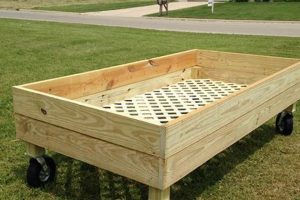
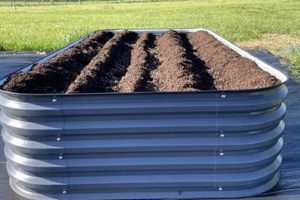
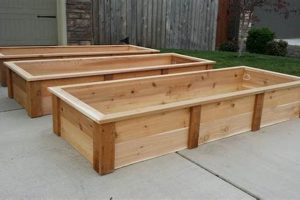
A structure elevating soil above ground level and enclosed by walls is a popular method for cultivating plants. These enclosed beds offer gardeners enhanced control over soil composition, drainage, and temperature, facilitating optimized growing conditions for various plant species. Examples include wooden frames, concrete blocks, or even repurposed materials formed into a contained planting area.
Employing such a planting strategy yields multiple advantages. It mitigates the need for extensive bending or kneeling, improving accessibility for individuals with mobility limitations. Furthermore, the controlled environment reduces the likelihood of soil compaction, erosion, and weed intrusion. Historically, these structures have been utilized in diverse agricultural settings, from small domestic gardens to large-scale commercial operations, demonstrating their adaptability and effectiveness in promoting plant growth.
The following sections will delve deeper into specific construction techniques, material considerations, suitable plant selections, and maintenance practices associated with this gardening method, providing a comprehensive guide for successful implementation.
Practical Guidance for Elevated Soil Cultivation
The following guidelines aim to improve the efficacy of elevated soil structures in gardening, ensuring optimized conditions for plant development and prolonged structural integrity.
Tip 1: Soil Composition Optimization: Prioritize a well-draining soil mixture. Combining equal parts topsoil, compost, and peat moss provides a balanced blend of nutrients, aeration, and moisture retention. Avoid heavy clay soils, which impede drainage and root development.
Tip 2: Structural Material Selection: Employ rot-resistant materials such as cedar, redwood, or treated lumber for constructing the enclosure. Untreated lumber degrades rapidly, compromising structural stability and necessitating frequent replacement.
Tip 3: Drainage Enhancement: Integrate a layer of gravel or coarse sand at the base of the structure to facilitate drainage and prevent waterlogging. This is especially crucial in areas with poor soil drainage.
Tip 4: Pest Management: Implement preventative measures against common garden pests. Install mesh barriers to deter burrowing animals and utilize organic pesticides judiciously to control insect infestations. Regular inspection and early intervention are critical.
Tip 5: Proper Watering Techniques: Water deeply and infrequently, allowing the soil to dry slightly between waterings. Avoid overhead watering, which promotes fungal diseases. Drip irrigation systems offer a water-efficient and targeted watering solution.
Tip 6: Crop Rotation Implementation: Rotate crops annually to prevent nutrient depletion and reduce the buildup of soilborne diseases. Avoid planting the same crop family in the same location consecutively.
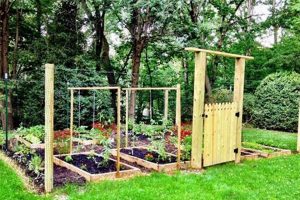
Tip 7: Vertical Growing Integration: Maximize space utilization by incorporating vertical growing structures such as trellises or cages. This is particularly beneficial for vining plants such as tomatoes, cucumbers, and beans.
Adherence to these principles fosters a productive and sustainable gardening environment, minimizing common issues and maximizing plant health and yield.
The subsequent section will discuss advanced techniques for extending the growing season and optimizing resource utilization within this controlled gardening environment.
1. Dimensions and Size

The physical dimensions of an elevated planting structure are fundamental determinants of its overall functionality and the types of plants it can effectively support. Careful consideration of these measurements is essential for optimizing plant growth and facilitating efficient gardening practices.
- Depth and Root Development
The depth of the structure directly impacts the root development of the plants it houses. Deeper beds, generally exceeding 12 inches, accommodate root vegetables such as carrots, potatoes, and beets, as well as larger plants with extensive root systems. Insufficient depth restricts root growth, potentially stunting plant development and reducing yields. For shallow-rooted plants like lettuce or herbs, a shallower bed may suffice, conserving soil resources and reducing construction costs.
- Width and Accessibility
The width of the structure influences accessibility for planting, weeding, and harvesting. An excessively wide bed necessitates reaching across the soil, potentially leading to soil compaction and plant damage. A width of approximately 4 feet is generally considered optimal, allowing easy access from both sides. Narrower beds may be appropriate for limited spaces or specialized planting arrangements.
- Length and Spatial Organization
The length of the structure is primarily dictated by available space and desired planting capacity. Longer beds allow for efficient row planting and streamlined cultivation practices. However, excessively long beds may pose challenges for watering and pest control. Strategic placement of pathways and access points can mitigate these issues.
- Height and Ergonomics
The height of the structure significantly impacts the physical strain on the gardener. A height of 24-36 inches is often recommended, minimizing the need for excessive bending or kneeling, particularly beneficial for individuals with mobility limitations. Taller structures may require additional support and reinforcement to ensure stability.
In conclusion, the dimensions of enclosed elevated planting structures are critical design considerations, directly affecting plant health, gardener comfort, and overall efficiency. Optimizing these parameters based on plant selection, available space, and individual needs is essential for maximizing the benefits of this gardening method.
2. Construction Materials

The structural integrity and longevity of any elevated soil enclosure are fundamentally determined by the construction materials employed. The selection of appropriate materials directly affects the bed’s resistance to environmental stressors, its ability to retain soil, and its potential impact on plant health. Degradation of construction materials can lead to structural failure, soil erosion, and the introduction of undesirable substances into the growing environment. Examples of suitable materials include naturally decay-resistant wood species such as cedar or redwood, pressure-treated lumber specifically designed for ground contact, durable plastics, or concrete blocks. The choice often depends on budget, aesthetic preferences, and environmental considerations.
Improper material selection can have significant consequences. Untreated lumber, for instance, will succumb to rot and decay within a relatively short timeframe, necessitating costly repairs or complete replacement. Furthermore, the use of certain treated lumber types containing chemicals deemed unsafe for food crops can contaminate the soil and potentially harm plant life. Conversely, using durable and appropriate materials ensures long-term stability and minimizes the risk of chemical leaching. Consider a comparison: a bed constructed from untreated pine might last only 2-3 seasons, whereas one built with cedar could endure for a decade or more, making the initial investment in higher-quality materials a more economically sound decision in the long run.
In summary, the judicious selection of construction materials is paramount for the successful implementation and sustained functionality of a planting structure. Factors such as durability, resistance to decay, chemical safety, and cost-effectiveness must be carefully evaluated to ensure optimal performance and minimize potential risks. Neglecting these considerations can compromise the structural integrity of the bed, negatively impact plant health, and lead to increased maintenance requirements or premature failure.
3. Soil Composition
Soil composition is a critical determinant of plant health and productivity within an elevated planting structure. Unlike in-ground gardens where plants can access native soil nutrients, this method relies entirely on the soil mix provided within the enclosure. Therefore, understanding the components and properties of an ideal soil composition is paramount for successful cultivation.
- Nutrient Availability
The presence and balance of essential nutrients, such as nitrogen, phosphorus, and potassium, are fundamental for plant growth. A soil mix deficient in these elements will result in stunted growth, yellowing leaves, and reduced yields. Conversely, an excess of certain nutrients can be equally detrimental, leading to nutrient toxicity. Incorporating compost or well-rotted manure into the soil mix provides a slow-release source of essential nutrients. The specific needs of the intended plants should guide nutrient supplementation strategies.
- Drainage and Aeration
Proper drainage and aeration are crucial for preventing root rot and promoting healthy root development. Compacted soil restricts oxygen flow to the roots, leading to anaerobic conditions and the proliferation of harmful pathogens. A well-draining soil mix, typically achieved by incorporating coarse sand or perlite, allows excess water to drain freely while maintaining adequate air pockets. The ideal balance between water retention and drainage varies depending on the plant species; drought-tolerant plants require a more well-draining mix than those that prefer consistently moist conditions.
- Water Retention
The capacity of the soil to retain moisture is essential for plant survival, particularly during periods of drought. Soil particles, such as clay and organic matter, play a significant role in water retention. However, excessive water retention can lead to waterlogging and root rot. A balanced soil mix that combines good drainage with adequate water retention is optimal. Amendment with organic matter, such as peat moss or coconut coir, enhances the soil’s water-holding capacity without compromising drainage.
- pH Level
The pH level of the soil affects the availability of nutrients to plants. Most plants thrive in a slightly acidic to neutral pH range (6.0 to 7.0). Extreme pH levels can render certain nutrients unavailable, even if they are present in the soil. Soil pH can be adjusted through the addition of lime (to raise pH) or sulfur (to lower pH). Regular soil testing is recommended to monitor pH levels and ensure optimal nutrient uptake.
The interconnectedness of these facets highlights the complexity of soil composition. Optimizing each component contributes to a thriving environment within the gardening structure, maximizing the potential for healthy growth and abundant yields. Careful attention to the soil mix not only provides a strong foundation for plant life but also reduces the need for chemical interventions, fostering a more sustainable and ecologically sound gardening practice.
4. Drainage Systems
Effective drainage is paramount to the health and productivity of plants within an elevated soil enclosure. The enclosed nature of these structures necessitates careful management of water accumulation. Without adequate drainage, excess moisture can saturate the soil, leading to anaerobic conditions and root rot. This, in turn, inhibits nutrient uptake and can ultimately result in plant death. The type of drainage system employed is a critical design consideration, impacting both the short-term performance and long-term sustainability of the enclosed planting area.
Various methods facilitate drainage within these systems. A common approach involves incorporating a layer of gravel or coarse sand at the base of the structure to promote water percolation. Drainage holes strategically placed along the base or sides of the bed allow excess water to escape. The size and spacing of these holes must be carefully calculated to prevent soil erosion while ensuring sufficient water outflow. Furthermore, the selection of a well-draining soil mix, composed of materials such as perlite, vermiculite, and compost, complements the physical drainage system, preventing waterlogging and promoting optimal root aeration. For example, in regions with high rainfall, incorporating a more extensive drainage layer is crucial to prevent water accumulation during prolonged wet periods.
In summary, drainage systems are integral components of successful elevated soil cultivation. By mitigating the risks associated with excess moisture, they create a favorable environment for root development, nutrient absorption, and overall plant health. Neglecting this aspect of design can lead to a cascade of problems, ultimately undermining the investment in materials, labor, and plant stock. Proper drainage is not merely an optional feature; it is a fundamental requirement for realizing the full potential of this method.
5. Plant Selection

The success of any elevated planting structure is inextricably linked to informed plant selection. The controlled environment offers advantages, but the limited soil volume and specific environmental conditions necessitate choosing species suited to the confined space. A mismatch between plant requirements and the environment within the structure can lead to stunted growth, reduced yields, or even plant failure. For instance, planting large, sprawling vine species in a small bed will quickly overwhelm the available space, depriving neighboring plants of sunlight and nutrients. Conversely, selecting compact, determinate varieties maximizes space utilization and minimizes competition. Proper selection therefore serves as a critical determinant of the overall yield and aesthetic appeal of the structure.
Practical considerations further underscore the importance of careful plant selection. Soil depth, available sunlight, and drainage characteristics all influence plant suitability. Deep-rooted vegetables, such as carrots and parsnips, require a substantial soil depth that shallower beds may not provide. Similarly, sun-loving plants will not thrive in shaded locations. Drainage limitations can lead to root rot in plants sensitive to overwatering. Therefore, a comprehensive understanding of each species’ needs is essential. For example, planting drought-tolerant herbs, such as rosemary and thyme, in well-draining soil is more likely to result in success than attempting to cultivate moisture-loving species in the same conditions. Companion planting, which involves strategically pairing compatible species, can also enhance growth and deter pests. Marigolds planted alongside tomatoes, for example, repel nematodes, promoting healthier tomato plants.
Ultimately, thoughtful plant selection is a cornerstone of effective elevated soil cultivation. It allows gardeners to optimize resource utilization, maximize yields, and create visually appealing and productive garden spaces. Addressing the specific needs of each species ensures its successful adaptation to the enclosed environment, reducing the risk of failure and fostering a sustainable and rewarding gardening experience. The careful consideration of these factors transforms the simple act of planting into a strategic exercise with tangible benefits.
Frequently Asked Questions About Enclosed Elevated Planting Structures
This section addresses common inquiries regarding the design, construction, and maintenance of enclosed elevated planting structures, providing clear and concise answers based on established horticultural practices.
Question 1: What is the optimal height for the structure to minimize back strain?
A height between 24 and 36 inches is generally recommended to reduce the need for excessive bending, thus alleviating strain on the back and knees. This height range accommodates most individuals while maintaining accessibility for planting and harvesting.
Question 2: Which materials are most suitable for constructing a durable and long-lasting enclosure?
Rot-resistant wood species such as cedar, redwood, or treated lumber designed for ground contact are the preferred materials. These options offer superior resistance to decay and weathering, ensuring structural integrity over an extended period.
Question 3: How can adequate drainage be ensured to prevent waterlogging and root rot?
Incorporating a layer of gravel or coarse sand at the base, coupled with strategically placed drainage holes, facilitates proper water drainage. The soil mix itself should also be well-draining, containing materials such as perlite or vermiculite.
Question 4: What type of soil composition is best for maximizing plant growth within the enclosure?
A balanced soil mix consisting of equal parts topsoil, compost, and peat moss (or coconut coir) provides optimal nutrient availability, drainage, and water retention. The specific needs of the plants being cultivated should guide any further amendments.
Question 5: How can the risk of pest infestations be minimized within this controlled environment?
Implementing preventative measures, such as installing mesh barriers to deter burrowing animals and utilizing organic pest control methods, is crucial. Regular inspection of plants for signs of infestation is essential for early intervention.
Question 6: Is crop rotation necessary, even within a confined planting area?
Crop rotation remains beneficial, even in elevated structures, as it helps to prevent nutrient depletion and reduce the buildup of soilborne diseases. Avoid planting the same crop family in the same location year after year.
In summary, careful attention to structural design, material selection, soil composition, and pest management practices is essential for creating and maintaining a successful and productive elevated planting structure.
The following section will explore advanced techniques for optimizing plant growth and maximizing yields within these specialized gardening systems.
Conclusion
The preceding discourse has comprehensively explored the intricacies of the “vegeta raised garden bed,” elucidating its design principles, material considerations, and management practices. Key aspects discussed include soil composition optimization, drainage system implementation, and strategic plant selection. The presented information underscores the importance of meticulous planning and execution in achieving optimal plant health and maximizing yields within these controlled environments.
Effective implementation of these strategies ensures long-term sustainability and productivity. Further research into advanced techniques, such as vertical gardening integration and climate control adaptations, will undoubtedly expand the potential of this method. Continued innovation and adaptation are crucial for addressing evolving environmental challenges and ensuring food security in the future.