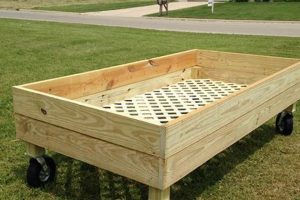
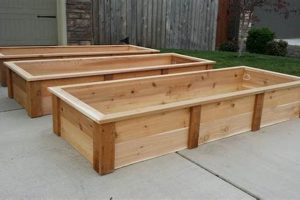
These structures offer an elevated planting surface contained within a frame or box, and uniquely, possess the capability of relocation. This mobility distinguishes them from stationary garden beds, granting adaptability to changing environmental conditions or spatial requirements. For example, a gardener might shift the bed to maximize sunlight exposure during different seasons or protect plants from inclement weather.
The advantages include improved soil drainage, reduced back strain due to the elevated height, and the option to garden in areas with poor native soil. Historically, similar techniques have been employed in regions with limited arable land, demonstrating a pragmatic approach to cultivating vegetation. Their use facilitates gardening for individuals with mobility limitations and allows for efficient management of soil composition and pest control.
Further discussion will explore various construction methods, suitable materials, optimal plant selection, and maintenance strategies for these versatile gardening solutions. Subsequent sections will also address the considerations for selecting the appropriate size and placement to maximize productivity and aesthetic appeal.
Tips for Utilizing Elevated Mobile Planting Structures
Optimizing the functionality of elevated mobile planting structures requires careful consideration of several factors to ensure plant health and structural longevity.
Tip 1: Soil Composition: Employ a well-draining soil mix specifically formulated for container gardening. This prevents waterlogging and promotes healthy root development. Consider a blend of topsoil, compost, and perlite or vermiculite.
Tip 2: Material Selection: Opt for durable, weather-resistant materials for the frame construction. Cedar, redwood, or treated lumber offer resistance to decay and insect infestation. Avoid using pressure-treated wood manufactured before 2003 due to arsenic content.
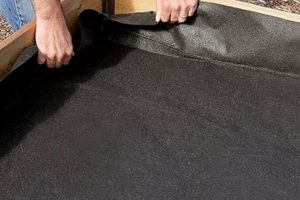
Tip 3: Drainage Solutions: Ensure adequate drainage by incorporating drainage holes in the base of the structure. Lining the base with landscape fabric prevents soil erosion while allowing water to escape.
Tip 4: Mobility Considerations: Select heavy-duty casters appropriate for the weight of the filled structure. Locking casters provide stability and prevent unwanted movement, especially on uneven surfaces.
Tip 5: Plant Selection: Choose plant varieties suited to the container environment and the available sunlight. Consider the mature size of the plants to avoid overcrowding.
Tip 6: Watering Practices: Monitor soil moisture levels regularly and adjust watering frequency accordingly. Overwatering can lead to root rot, while underwatering can stunt growth.
Tip 7: Pest and Disease Control: Implement preventative measures to minimize pest and disease infestations. Regularly inspect plants for signs of trouble and address issues promptly with appropriate organic or chemical controls.
By adhering to these guidelines, the functionality and longevity of elevated mobile planting structures are enhanced, resulting in a more productive and sustainable gardening experience.
The following section will address common challenges encountered when working with these structures and strategies for mitigating potential issues.
1. Mobility

Mobility, in the context of raised garden beds, defines a critical functional advantage, allowing for the strategic relocation of cultivated plants. This attribute directly influences environmental control, space optimization, and ease of maintenance within a gardening framework.
- Sunlight Optimization
The capacity to reposition a raised bed ensures plants receive optimal sunlight exposure throughout the day and across changing seasons. This adaptability is particularly relevant in urban environments where buildings or other structures may create shade patterns. Strategic relocation maximizes photosynthetic potential, thereby promoting healthier plant growth.
- Weather Protection
Mobility facilitates rapid response to adverse weather conditions. Beds can be moved indoors or under protective structures during frost, hail, or excessive rain. This proactive approach minimizes environmental stress on plants, reducing the risk of damage or crop loss.
- Space Management
In areas with limited space, movable beds offer significant advantages. They can be consolidated to create more open areas when not actively in use or rearranged to accommodate changing landscaping needs. This flexibility is essential for urban gardeners and those with small yards.
- Maintenance Accessibility
The ability to move a raised bed enhances accessibility for maintenance tasks such as weeding, pruning, and harvesting. Gardeners can rotate the bed to easily reach all sides, reducing physical strain and improving overall efficiency. This is particularly beneficial for individuals with mobility limitations.
The multifaceted benefits stemming from mobility underscore its importance in the design and implementation of raised garden beds. By capitalizing on this inherent characteristic, gardeners can significantly improve plant health, optimize resource utilization, and enhance the overall gardening experience. Mobility distinguishes these structures from stationary installations, making them a practical choice for a wide range of gardening contexts.
2. Drainage

Effective drainage is a critical factor influencing the health and productivity of plants cultivated within movable raised garden beds. Improper drainage can lead to a range of detrimental effects, impacting root systems and overall plant vigor. Therefore, understanding and managing drainage effectively is essential for successful utilization of these gardening systems.
- Prevention of Root Rot
Excessive moisture retention within the soil matrix creates anaerobic conditions that favor the development of root rot pathogens. Standing water suffocates roots, hindering their ability to absorb nutrients and oxygen. Adequate drainage allows for the expulsion of excess water, maintaining a balanced soil environment and mitigating the risk of root rot. For example, utilizing a well-draining soil mix comprised of perlite, vermiculite, and compost promotes proper water movement.
- Enhancement of Aeration
Proper drainage facilitates adequate soil aeration, which is crucial for root respiration. Roots require oxygen to carry out metabolic processes and sustain growth. Waterlogged soil impedes oxygen diffusion, leading to stunted growth and reduced nutrient uptake. Employing drainage holes in the base of the raised bed and selecting a porous soil medium enhances aeration and supports healthy root development. A practical example is the incorporation of gravel or coarse sand at the bottom of the container to improve drainage.
- Regulation of Soil Temperature
Waterlogged soil tends to remain cooler than well-drained soil. Elevated moisture content increases the soil’s thermal conductivity, slowing the rate at which it warms up in the spring. Proper drainage allows the soil to warm more quickly, promoting earlier planting and faster growth rates. Additionally, it helps prevent the formation of ice crystals around roots during freezing temperatures, protecting them from cold damage. For instance, positioning the garden bed in a location with good air circulation and southern exposure can further aid in soil warming.
- Optimization of Nutrient Availability
Effective drainage contributes to optimal nutrient availability by preventing the leaching of essential minerals from the soil. Excessive watering can wash away nutrients, depriving plants of the elements they need for growth. Maintaining a balanced soil moisture level through proper drainage ensures that nutrients remain available for root uptake. Regularly amending the soil with organic matter, such as compost or aged manure, enhances its water-holding capacity and nutrient retention.
These interconnected facets demonstrate the pivotal role of drainage in maintaining the health and productivity of movable raised garden beds. By addressing drainage effectively, gardeners can create a more favorable environment for plant growth, resulting in healthier, more productive plants. The integration of proper drainage techniques distinguishes successful gardening practices and fosters long-term sustainability.
3. Material Durability

Material durability constitutes a critical parameter in the design and longevity of movable raised garden beds. The materials selected for construction directly influence the structure’s resistance to environmental degradation, structural integrity under load, and overall lifespan. The absence of durable materials can precipitate premature failure, necessitating costly repairs or replacements. The cyclical exposure to moisture, fluctuating temperatures, and potential pest infestations necessitates the careful consideration of material properties during the design phase. For instance, untreated softwood, when exposed to sustained moisture, is prone to rot and structural weakening, while materials like galvanized steel or naturally decay-resistant wood varieties (e.g., cedar, redwood) offer enhanced protection against these elements.
The selection of materials influences not only the structural integrity but also the practical utility of the system. Heavier materials, such as concrete or dense hardwoods, though durable, may compromise the mobility aspect, rendering relocation difficult or impossible. Conversely, lighter-weight materials, while facilitating easier movement, may lack the robustness to withstand the sustained weight of soil and mature plants. This necessitates a balanced approach, considering the intended use, environmental conditions, and desired level of mobility. For example, using powder-coated aluminum frames with composite wood panels offers a compromise, providing durability with relatively low weight.
In summary, material durability is inextricably linked to the long-term functionality and economic viability of movable raised garden beds. Careful material selection, informed by an understanding of environmental stressors and structural requirements, represents a fundamental aspect of successful implementation. Failure to prioritize durability may result in diminished performance, increased maintenance costs, and a reduced overall lifespan for the gardening system.
4. Soil Composition
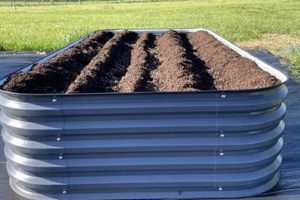
The selection of soil composition is paramount to the successful cultivation within movable raised garden beds. The restricted volume inherent to these structures necessitates a carefully formulated soil blend to ensure adequate drainage, nutrient retention, and aeration, directly impacting plant health and productivity. Unlike in-ground gardening where roots can access a vast reservoir of nutrients, movable raised beds rely entirely on the supplied soil medium to provide essential elements for growth. An unsuitable composition, such as heavy clay soil, can lead to waterlogging and root rot, while excessively sandy soil may result in rapid nutrient leaching and drought stress. For instance, a blend of equal parts compost, peat moss (or coconut coir as a sustainable alternative), and perlite provides a balanced foundation for many common garden plants, offering both water retention and drainage.
The specific requirements of the plants being grown further dictate the optimal soil composition. Acid-loving plants, such as blueberries and azaleas, thrive in soil with a lower pH, necessitating the addition of amendments like peat moss or sulfur. Conversely, vegetables like tomatoes and peppers benefit from soil enriched with compost and aged manure to provide ample nutrients for fruit production. The contained environment of movable raised beds also allows for targeted soil amendments to address specific nutrient deficiencies or imbalances. Soil testing is highly recommended to determine existing nutrient levels and pH, guiding the appropriate addition of fertilizers or other amendments. Regular monitoring and replenishment of nutrients are crucial, as the limited soil volume can become depleted over time.
In conclusion, soil composition represents a critical determinant of success in movable raised garden beds. The deliberate selection and maintenance of a suitable soil medium directly influences plant health, growth, and yield. Understanding the principles of soil science and tailoring the composition to the specific needs of the plants cultivated within ensures the efficient utilization and sustained productivity of these versatile gardening systems. The manageable scale of movable raised beds further enables precision in soil management, facilitating a tailored approach to optimize growing conditions.
5. Plant Selection

Plant selection, within the context of movable raised garden beds, is a critical determinant of the system’s overall success. The confined space and specific environmental conditions of these beds necessitate a deliberate approach to choosing plant varieties that are well-suited to the limitations and opportunities they present.
- Size and Growth Habit
The limited volume of movable raised garden beds dictates a preference for compact or dwarf varieties. Large, sprawling plants can quickly outgrow the available space, leading to overcrowding, nutrient depletion, and reduced yields. Selecting cultivars with naturally smaller stature or those amenable to pruning and training techniques maximizes productivity within the confined environment. For instance, bush bean varieties are often more appropriate than pole beans, and determinate tomato plants are generally favored over indeterminate types.
- Sunlight Requirements
The mobility of these beds allows for strategic placement to optimize sunlight exposure; however, the inherent limitations of available sunlight at a given location must be considered when choosing plants. Shade-tolerant vegetables like lettuce, spinach, and kale may be well-suited for areas with limited direct sunlight, while sun-loving plants like tomatoes, peppers, and cucumbers require at least six hours of direct sunlight per day to thrive. Understanding the specific light requirements of different plant species is essential for maximizing their growth potential within a movable raised garden bed.
- Root System Characteristics
Plants with deep, extensive root systems may not be well-suited for the relatively shallow depth of many movable raised garden beds. Shallow-rooted crops like lettuce, radishes, and herbs are generally more successful. If deeper-rooted plants are desired, ensuring adequate soil depth and proper drainage is crucial. Modifying the raised bed design to increase depth or selecting appropriate container-friendly varieties can mitigate potential issues. The root system is crucial because it is the system that transfers minerals and nutrients to the plant and is the base of the plant and is just as important and has to be considered the same as sunlight.
- Compatibility and Companion Planting
Consideration should be given to the compatibility of different plant species when selecting plants for a movable raised garden bed. Certain plants benefit from being grown together, while others may inhibit each other’s growth. Companion planting, the practice of strategically pairing plants to enhance growth, deter pests, or improve pollination, can be effectively implemented in movable raised garden beds. For example, planting basil near tomatoes can repel pests and improve tomato flavor, while planting marigolds can deter nematodes in the soil.
These considerations highlight the importance of informed plant selection for optimizing the productivity and functionality of movable raised garden beds. By carefully considering size, sunlight requirements, root systems, and compatibility, gardeners can create thriving and productive gardens even within the constraints of limited space. The ability to move these beds further enhances the potential for success by allowing for adjustments based on seasonal changes and specific plant needs.
6. Pest Management
Effective pest management is an indispensable component of successful movable raised garden bed cultivation. The elevated nature of these structures inherently influences pest interactions, altering accessibility and creating unique microclimates that can either exacerbate or mitigate pest pressures. Exclusion methods, such as netting or row covers, become more easily implemented due to the defined perimeter of the bed. The relative isolation from ground-dwelling pests may also reduce certain infestations. However, the contained environment can also foster rapid pest proliferation if left unchecked. For instance, aphids, spider mites, and whiteflies can quickly establish colonies, particularly in warm, sheltered locations, leading to significant plant damage if preventive or reactive measures are not employed. The success or failure of pest management directly correlates with plant health, yield, and overall viability of the gardening system.
Integrated Pest Management (IPM) strategies offer a framework for managing pests in these systems. This includes regular monitoring for pest activity, implementing cultural controls (such as crop rotation and companion planting), and utilizing biological controls (introducing beneficial insects or nematodes). Chemical controls, when necessary, should be used judiciously and selectively to minimize harm to beneficial organisms and the environment. Movable raised beds facilitate targeted application of pesticides or other treatments, reducing the potential for drift or off-target effects. For example, diatomaceous earth can be applied to the soil surface to control slugs and snails, while insecticidal soap can be used to manage aphids and whiteflies. A careful assessment of pest identity and population density is critical for determining the appropriate course of action. Furthermore, the mobility of the beds allows for physically isolating infested plants from healthy ones, reducing the spread of pests and diseases.
In summary, effective pest management is a crucial aspect of cultivating movable raised garden beds. The structure of these systems presents both advantages and challenges in terms of pest control. Implementing IPM strategies, including monitoring, cultural practices, biological controls, and targeted chemical applications, is essential for maintaining plant health and maximizing yields. Regular inspections and prompt intervention are crucial in preventing pest infestations from escalating and compromising the integrity of the gardening system. Recognizing the interconnectedness of plant health, environmental factors, and pest dynamics is fundamental to successful and sustainable pest management practices.
7. Watering Practices

The implementation of appropriate watering practices directly influences the success of movable raised garden beds due to their unique characteristics. The elevated position and contained soil volume create a distinct microclimate that necessitates careful attention to moisture management. Overwatering can lead to waterlogged soil, promoting root rot and hindering nutrient uptake, while underwatering results in drought stress and stunted growth. The effects of these improper practices are often amplified in the confined space compared to in-ground gardening. For instance, if a gardener consistently overwaters a movable raised bed containing tomatoes, the lack of drainage can quickly lead to fungal diseases, ultimately reducing fruit yield and potentially killing the plants. Conversely, neglect during hot weather can cause rapid soil drying, resulting in blossom end rot due to calcium deficiency caused by inconsistent water availability. Therefore, understanding the delicate balance between providing adequate moisture and avoiding saturation is paramount.
Several factors influence the optimal watering strategy, including plant species, soil composition, climate, and stage of plant development. Plants with shallow root systems, such as lettuce and spinach, require more frequent watering compared to those with deeper roots, like tomatoes and peppers. Well-draining soil mixes, incorporating amendments like perlite or vermiculite, reduce the risk of overwatering by improving water permeability. Seasonal variations and daily temperature fluctuations also necessitate adjustments in watering frequency and volume. Seedlings and newly transplanted plants require more consistent moisture than established plants, as their root systems are still developing. Employing techniques like drip irrigation or soaker hoses can deliver water directly to the root zone, minimizing water loss through evaporation and reducing the risk of foliar diseases. Furthermore, monitoring soil moisture levels regularly, using tools such as moisture meters or simple manual tests, allows for proactive adjustments to watering schedules. For example, inserting a finger into the soil to a depth of a few inches can reveal whether the soil is adequately moist or requires watering.
In conclusion, appropriate watering practices are inextricably linked to the health and productivity of movable raised garden beds. The controlled environment demands careful consideration of plant needs, soil characteristics, and environmental factors to maintain optimal moisture levels. Regular monitoring, proactive adjustments, and the implementation of efficient watering techniques are essential for maximizing yields, minimizing disease risks, and ensuring the long-term success of these gardening systems. Ignoring the specific watering requirements within this controlled setting can negate the benefits of the structure.
Frequently Asked Questions
The following section addresses common inquiries regarding the implementation and maintenance of movable raised garden beds, providing factual information to guide informed decision-making.
Question 1: What is the expected lifespan of a movable raised garden bed?
The lifespan is contingent upon the materials utilized in its construction and the level of maintenance provided. Structures crafted from durable, weather-resistant materials, such as cedar or treated lumber, can endure for a decade or more. Regular maintenance, including protective coatings and prompt repairs, extends longevity. Conversely, beds constructed from less durable materials may require replacement within a shorter timeframe.
Question 2: Are movable raised garden beds suitable for all climates?
They exhibit adaptability to a range of climates. Their mobility allows relocation to optimize sunlight exposure or provide protection from extreme weather conditions. However, in regions with severe winters, additional insulation or indoor relocation may be necessary to protect plants from freezing temperatures.
Question 3: What is the optimal soil depth for a movable raised garden bed?
The optimal soil depth depends on the plants being cultivated. A minimum depth of 12 inches is generally recommended for most vegetables and herbs. Deeper-rooted plants require greater depth, potentially necessitating a taller structure. Understanding plant-specific root requirements is crucial for determining appropriate soil depth.
Question 4: What are the primary considerations when selecting casters for a movable raised garden bed?
Weight capacity, material durability, and locking mechanisms are paramount. Casters must be capable of supporting the fully loaded weight of the bed, including soil, plants, and water. Weather-resistant materials, such as stainless steel or heavy-duty plastic, are essential for outdoor use. Locking mechanisms provide stability and prevent unintended movement, especially on uneven surfaces.
Question 5: What are the potential drawbacks of movable raised garden beds?
Potential drawbacks include the initial cost of construction or purchase, the need for regular watering due to enhanced drainage, and the limitations imposed by the contained soil volume. The mobility aspect may also be compromised by excessive weight or difficult terrain. Careful planning and maintenance can mitigate these drawbacks.
Question 6: How frequently should the soil in a movable raised garden bed be amended or replaced?
The frequency of soil amendment or replacement depends on soil quality and plant nutrient uptake. Annual amendment with compost or other organic matter is generally recommended to replenish nutrients and improve soil structure. Complete soil replacement may be necessary every few years, particularly if the soil becomes compacted or depleted of essential nutrients. Soil testing provides valuable insights for determining amendment or replacement needs.
Effective management of movable raised garden beds necessitates careful consideration of materials, environmental factors, and plant requirements. Informed decision-making ensures optimal plant health and structural longevity.
The subsequent section will delve into case studies of successful implementations of movable raised garden beds in diverse settings.
Conclusion
This exploration has illuminated the multifaceted aspects of movable raised garden beds, underscoring the critical considerations for successful implementation. From material selection and soil composition to pest management and watering practices, each element contributes significantly to plant health, system longevity, and overall productivity. The mobility factor introduces unique advantages, enabling strategic relocation for optimized environmental control and space utilization.
The information presented facilitates a deeper understanding of the practicalities and potential benefits associated with these versatile gardening solutions. Thoughtful planning and diligent execution remain paramount to realizing the full potential of movable raised garden beds, transforming outdoor spaces into efficient and sustainable horticultural environments. Further research and experimentation will undoubtedly unveil new innovations and refinements in their design and application.