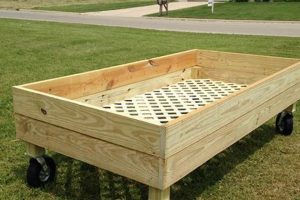
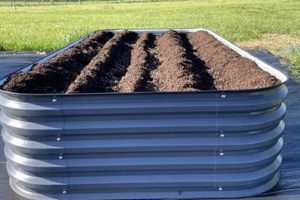
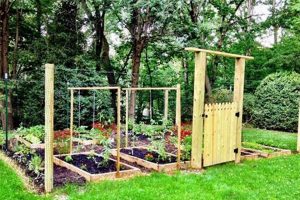
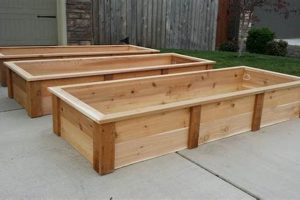
A system designed for efficient watering in elevated planting structures consists of a collection of components. These systems deliver water directly to the root zone of plants via a network of tubing and emitters. The setup typically includes a pressure regulator, filter, main supply line, distribution tubing, and various types of emitters (such as drippers or soaker hoses) specifically chosen for the dimensions and plant density within the structure.
Employing such a system offers significant advantages for gardeners. Water conservation is a primary benefit, as it minimizes evaporation and runoff by focusing water delivery. This approach also helps in reducing weed growth by keeping the soil surface drier between plants. Furthermore, consistent and targeted watering contributes to healthier plant growth and increased yields. Historically, these systems represent an advancement over traditional watering methods, offering a more precise and resource-conscious approach to irrigation.
Subsequent sections will delve into the specific components of these systems, installation techniques, maintenance procedures, and considerations for selecting the appropriate setup based on garden size and plant needs. Factors such as water source compatibility and emitter placement will also be explored.
Tips for Effective Watering System Utilization
Optimizing the functionality of a watering system requires careful consideration of several key factors. The following tips offer guidance for achieving efficient and effective irrigation.
Tip 1: Water Pressure Regulation: Ensure proper water pressure through the use of a pressure regulator. Excessive pressure can lead to emitter damage and uneven water distribution; insufficient pressure results in inadequate watering.
Tip 2: Filtration Implementation: Install a filter to prevent clogging of emitters. Debris and sediment in the water source can impede water flow and diminish system performance. Regularly inspect and clean the filter.
Tip 3: Emitter Placement Optimization: Position emitters strategically near the base of each plant, ensuring the root zone receives adequate moisture. Adjust emitter placement as plants grow to accommodate changing water requirements.
Tip 4: Zone-Based Irrigation Scheduling: Divide the elevated planting area into zones based on plant water needs and sun exposure. This allows for customized watering schedules, preventing overwatering or underwatering of specific plant types.
Tip 5: Seasonal Adjustment of Watering Duration: Modify watering duration based on seasonal changes and precipitation levels. Reduce watering frequency during periods of increased rainfall or cooler temperatures to conserve water and prevent root rot.
Tip 6: Regular System Inspection and Maintenance: Conduct routine inspections of the system for leaks, clogs, or damage to tubing and emitters. Address any issues promptly to maintain optimal system performance.
Tip 7: Monitoring Soil Moisture Levels: Utilize a soil moisture meter to assess soil hydration. This provides a more accurate understanding of plant water needs than relying solely on visual cues or pre-set watering schedules.
Implementing these strategies will contribute to improved water use efficiency, healthier plant growth, and enhanced yields. Proper maintenance and consistent monitoring are critical for the longevity and effectiveness of any watering configuration.
The subsequent section will explore common issues encountered with watering systems and provide troubleshooting advice.
1. Water Source Compatibility

Water source compatibility is a critical consideration when implementing a system designed for delivering water directly to the root zone of plants. The characteristics of the water supply exert a direct influence on the system’s functionality and longevity. For instance, well water or water with high mineral content can lead to the precipitation of minerals within the emitters, resulting in clogging and uneven water distribution. Similarly, water containing algae or organic matter can block emitters, reducing the system’s effectiveness. Incompatibility between the water source and the system’s components can negate the advantages offered, leading to increased maintenance, reduced plant health, and a shorter lifespan for the system.
To address potential issues related to water source compatibility, several strategies can be employed. The installation of a filter appropriate for the specific water source is paramount. For water with high mineral content, acid injection systems or specialized filters can be utilized to reduce scale buildup. The use of emitters constructed from materials resistant to mineral deposits is also advisable. Regular flushing of the system can help remove accumulated debris and prevent clogging. Failing to account for water source characteristics can result in diminished system performance and increased operational costs.
Therefore, a comprehensive water analysis is recommended prior to selecting and installing a system. The analysis should identify the presence and concentration of minerals, organic matter, and other potential contaminants. Based on the analysis results, appropriate filtration and emitter types can be selected to ensure long-term system reliability and optimal plant health. Neglecting this crucial aspect can undermine the overall effectiveness of the system, leading to suboptimal results.
2. Emitter Flow Rate
Emitter flow rate, a critical specification within a watering system designed for elevated planting configurations, directly dictates the volume of water delivered to individual plants over a specific time period. Expressed typically in gallons per hour (GPH), the flow rate must be meticulously selected to align with the water requirements of the cultivated plants. Insufficient flow rates lead to under-watering, resulting in stunted growth and reduced yields. Conversely, excessive flow rates can cause over-watering, potentially leading to root rot and nutrient leaching. The proper selection of emitter flow rates ensures optimal soil moisture levels, promoting healthy plant development.
Consider, for instance, a system installed for a raised bed containing a mix of tomato plants and leafy greens. Tomato plants, generally, exhibit higher water demands than leafy greens. Therefore, the system design may incorporate emitters with a higher flow rate (e.g., 1 GPH) for the tomato plants, while employing emitters with a lower flow rate (e.g., 0.5 GPH) for the leafy greens. Such targeted water delivery minimizes water waste and caters to the individual needs of different plant species within the same structure. Improper selection of the emitter, however, can have a detrimental impact on plant health. If the leafy greens were erroneously watered with a 1 GPH flow rate, the increased water pressure may lead to overwatering.
Effective utilization of a watering setup necessitates a thorough understanding of the water requirements of each plant species, soil type, and climate conditions. Regular monitoring of soil moisture levels, coupled with adjustments to emitter flow rates as needed, ensures the continued health and productivity of the elevated planting area. Challenges arise from variations in plant growth stages and seasonal changes, requiring adaptive irrigation strategies. Ultimately, precise control over emitter flow rate is fundamental to maximizing the benefits and minimizing the risks associated with system utilization.
3. Pressure Regulation
Pressure regulation is a fundamental aspect of any watering system intended for elevated planting beds. Maintaining appropriate pressure levels ensures uniform water distribution across the system, preventing damage to components and optimizing water delivery to plants.
- Importance of Consistent Pressure
Consistent pressure within a watering system is critical for uniform water distribution. Fluctuations in pressure can lead to some plants receiving excessive water while others receive too little. This inconsistency undermines the benefits of the system. For example, if the water pressure is too high, emitters closer to the water source may release too much water, while those further away may not receive enough, leading to uneven growth.
- Component Protection
Excessive water pressure can damage the components of a watering system. Emitters, tubing, and connectors are typically designed to operate within a specific pressure range. Exceeding this range can cause leaks, bursts, and premature failure of the system. A pressure regulator, installed at the system’s inlet, helps to maintain pressure within the safe operating range of these components, extending their lifespan and preventing costly repairs.
- Water Conservation
Proper pressure regulation contributes to water conservation. By maintaining consistent pressure, the system delivers water at the intended rate, minimizing water waste due to over-spraying or leaks. This is particularly important in areas with water scarcity or where water costs are high. Effective pressure regulation also reduces runoff, ensuring that water is absorbed by the soil and utilized by the plants, rather than being lost to evaporation or drainage.
- Impact on Plant Health
Consistent water pressure directly impacts plant health. Insufficient pressure can result in under-watering, leading to stunted growth, wilting, and reduced yields. Conversely, excessive pressure can cause over-watering, resulting in root rot, nutrient leaching, and increased susceptibility to disease. Maintaining appropriate pressure levels ensures that plants receive the correct amount of water, promoting healthy growth and maximizing productivity.
The careful management of water pressure is essential for the reliable and efficient operation of a watering system. Implementing appropriate pressure regulation strategies safeguards system components, conserves water resources, and promotes optimal plant health, ensuring the overall success of the elevated planting area.
4. Filtration Requirements

The integration of effective filtration mechanisms is paramount to the reliable operation and longevity of a watering system designed for elevated planting structures. The primary function of filtration within this context is the removal of particulate matter and organic debris from the water source before it enters the system’s network of tubing and emitters. Failure to adequately address filtration requirements results in the accumulation of contaminants within the system, leading to emitter clogging, reduced water flow, and uneven distribution of moisture. These issues ultimately compromise plant health and necessitate increased maintenance interventions. For instance, if unfiltered well water containing sediment is used, emitters can become obstructed, preventing targeted water delivery and causing localized drought stress within the planting bed. This negatively impacts plant growth and yield, diminishing the overall effectiveness of the system.
The specific filtration requirements are contingent upon the nature and quality of the water source. Municipal water supplies, while often treated, may still contain fine particles or chlorine which can affect emitter performance. Well water, rainwater harvesting systems, and surface water sources generally require more robust filtration due to the presence of sediment, algae, and organic matter. Common filtration solutions include screen filters, which remove larger particles, and media filters, which capture finer contaminants. The selection of the appropriate filter type and micron rating is crucial for maintaining optimal system performance. Regular filter inspection and cleaning are essential to prevent clogging and ensure continuous flow. Without diligent filtration, the system becomes prone to malfunction, offsetting the intended benefits of water conservation and targeted irrigation.
In summary, filtration is not merely an ancillary component but an integral element of a functional watering system for elevated beds. The characteristics of the water source dictate the necessary level of filtration. Neglecting these specific needs leads to system inefficiencies, increased maintenance demands, and diminished plant health. By prioritizing appropriate filtration measures, gardeners can ensure the reliable and effective operation of their system, maximizing water conservation and promoting robust plant growth.
5. Layout Optimization

Layout optimization, when integrated with a watering system for raised bed gardens, represents a strategic approach to maximizing water efficiency and plant health. Proper layout ensures uniform water distribution, reduces water waste, and promotes optimal growing conditions across the entire planting area.
- Emitter Placement Strategies
Emitter placement is critical for targeted water delivery. Aligning emitters with the root zones of individual plants minimizes water loss through evaporation and runoff. For closely spaced plants, a single emitter may suffice; however, larger plants or those with extensive root systems benefit from multiple emitters strategically positioned around the base. Inconsistent or haphazard emitter placement leads to uneven watering, stressing some plants while overwatering others. For example, positioning an emitter too far from a newly transplanted seedling hinders root development, whereas placing it directly against the stem invites fungal diseases. Careful consideration of plant spacing and root structure is vital for effective emitter placement.
- Zonal Irrigation Design
Zonal irrigation design divides the raised bed into distinct zones based on plant water requirements, sun exposure, and soil type. This allows for customized watering schedules tailored to each zone, preventing overwatering or underwatering of specific plant types. For instance, a zone containing drought-tolerant herbs can be watered less frequently than a zone with moisture-loving vegetables. Implementing zonal irrigation requires careful planning and may involve the use of multiple valves and timers to control water flow to each zone independently. This approach optimizes water usage and promotes healthier, more uniform plant growth.
- Mainline and Tubing Routing
The routing of the mainline and distribution tubing significantly impacts system efficiency and pressure consistency. Minimize bends and sharp turns in the tubing to reduce pressure loss. Position the mainline centrally within the raised bed to ensure equal water distribution to all emitters. Avoid long runs of tubing without intermediate connections, as this can lead to pressure drops and uneven water flow. Proper support and anchoring of the tubing prevent kinks and damage. Optimized tubing routing ensures consistent water pressure throughout the system, promoting uniform plant growth and minimizing maintenance requirements.
- System Accessibility and Maintenance
The layout should facilitate easy access for inspection and maintenance. Position components such as filters, pressure regulators, and valves in readily accessible locations. Provide adequate space around emitters for cleaning and replacement. Consider the long-term maintenance requirements when designing the system layout. Cluttered or inaccessible systems increase the time and effort required for routine maintenance, potentially leading to neglected repairs and reduced system efficiency. A well-organized and accessible layout ensures that the system can be easily inspected, maintained, and adjusted as needed, maximizing its lifespan and performance.
Integrating these layout optimization principles with a watering system for raised beds facilitates efficient water usage, promotes uniform plant growth, and minimizes maintenance demands. A carefully planned and executed layout maximizes the benefits of the system, ensuring healthy and productive plants throughout the growing season. It represents a proactive approach to water management and plant care, yielding significant dividends in terms of resource conservation and garden productivity.
6. System Maintenance

Regular system maintenance is integral to the prolonged functionality and efficient operation of watering systems designed for raised bed gardens. The complex interplay of components within such systems necessitates consistent monitoring and proactive intervention to prevent degradation, clogging, and ultimately, system failure. Neglecting maintenance protocols directly compromises the system’s ability to deliver water effectively, impacting plant health and negating the water conservation benefits it offers. A direct cause-and-effect relationship exists between diligent maintenance and system longevity. For example, consistent flushing of the system’s lines prevents the buildup of mineral deposits, a common issue that obstructs emitter pathways and reduces water flow. This proactive measure directly translates to sustained water delivery efficiency and prevents premature component replacement. The alternativeneglecting this maintenanceleads to gradual system degradation and eventual inoperability.
Practical application of this understanding is evident in scheduled maintenance routines. These routines typically encompass filter cleaning or replacement, emitter inspection for clogs or damage, and pressure testing to ensure optimal performance. Consider a scenario where a gardener utilizes a system with emitters rated at 1 gallon per hour (GPH). Without regular inspection, the gardener may fail to notice a gradual decline in emitter output due to sediment buildup. This reduced flow rate, undetected, could lead to under-watering and diminished plant growth. Conversely, a proactive approach involves periodic flow rate checks using a simple measuring cup and timer, identifying and rectifying any discrepancies promptly. Moreover, the seasonal adaptation of maintenance practices is crucial. Preparing the system for winter storage, for example, involves draining all water to prevent freezing and component damage, ensuring its readiness for the subsequent growing season.
In summary, system maintenance is not merely an ancillary task but a foundational element in the successful deployment of watering solutions for elevated gardens. The inherent complexity of these systems demands consistent attention to detail to prevent performance degradation and maximize lifespan. By embracing a proactive maintenance approach, gardeners can ensure that their investment continues to yield the intended benefits of water conservation, plant health optimization, and long-term cost savings. The challenges posed by varying water quality and environmental conditions necessitate adaptable maintenance strategies, underscoring the dynamic relationship between system care and sustained functionality.
7. Component Durability
The correlation between component durability and the sustained functionality of a watering system designed for raised bed gardens is direct and consequential. The longevity and operational effectiveness of such systems are fundamentally dependent on the resilience of their constituent parts to environmental stressors, physical wear, and chemical degradation. For instance, emitters manufactured from low-grade plastics are susceptible to cracking under prolonged exposure to ultraviolet radiation, resulting in uneven water distribution and necessitating frequent replacements. Similarly, tubing that lacks adequate resistance to temperature fluctuations can become brittle and prone to leaks, compromising the system’s integrity and efficiency. Therefore, the selection of durable components is not merely a matter of cost-effectiveness but a critical factor in ensuring the system’s long-term performance and minimizing the need for disruptive repairs.
To illustrate the practical significance of this understanding, consider two hypothetical scenarios. In the first scenario, a gardener invests in a system comprised of emitters constructed from high-density polyethylene (HDPE), known for its resistance to UV degradation and chemical corrosion. The tubing is similarly composed of a robust, multi-layered material capable of withstanding extreme temperature variations and physical stress. This system, despite its higher initial cost, maintains its operational integrity for several years, requiring minimal maintenance and delivering consistent water distribution. In the second scenario, a different gardener opts for a lower-priced system with components made from less durable materials. Within a single growing season, the emitters begin to clog due to mineral buildup and the tubing becomes brittle and prone to leaks, necessitating frequent replacements and resulting in significant water waste. The cumulative cost of these repairs and replacements quickly surpasses the initial investment in a more durable system, highlighting the economic and practical advantages of prioritizing component quality.
In conclusion, the long-term effectiveness of a watering system for raised beds is intrinsically linked to the durability of its individual components. While the initial cost of more robust materials may be higher, the reduced maintenance, improved water efficiency, and extended lifespan of the system provide significant long-term benefits. A careful assessment of component materials and their resistance to environmental stressors is essential for ensuring the system’s reliable operation and maximizing its return on investment. The selection of durable components mitigates the risk of system failures, conserves water resources, and promotes healthy plant growth, underscoring the practical significance of this consideration.
Frequently Asked Questions
This section addresses common inquiries regarding the implementation and maintenance of watering systems specifically designed for elevated planting beds.
Question 1: What are the primary benefits of utilizing a watering system within a raised bed garden?
Employing a system delivers water directly to the root zone, minimizing water waste through evaporation and runoff. This targeted approach also reduces weed growth by keeping surface soil drier and promotes consistent soil moisture, leading to healthier plant development and increased yields.
Question 2: How does one determine the appropriate emitter flow rate for different plant types within the same elevated garden?
Emitter flow rates should align with the specific water requirements of each plant. Higher water-demanding plants, such as tomatoes, necessitate higher flow rates compared to drought-tolerant herbs. Soil type and climate conditions further influence optimal flow rate selection.
Question 3: What level of filtration is required to maintain optimal functionality?
Filtration needs depend on the water source. Municipal water may require basic filtration, while well water or rainwater harvesting systems typically demand more robust filtration to remove sediment and organic matter. Regular filter inspection and cleaning are essential.
Question 4: Why is pressure regulation a critical element within the system?
Pressure regulation ensures uniform water distribution across the system, preventing damage to components and optimizing water delivery. Consistent pressure avoids overwatering some plants while underwatering others, thereby promoting even growth.
Question 5: How does the layout of tubing and emitters impact the effectiveness of the system?
Strategically positioning emitters near the base of each plant’s root zone maximizes water absorption and minimizes waste. Proper routing of tubing, avoiding sharp bends, maintains consistent pressure and prevents leaks. Zonal irrigation can be employed to cater to differing plant water needs.
Question 6: What maintenance procedures are essential for ensuring the longevity and efficiency of the system?
Routine maintenance includes filter cleaning or replacement, emitter inspection for clogs, and pressure testing. Seasonal adjustments, such as winterizing the system by draining water, are also necessary for preserving component integrity.
Consistent monitoring and proactive maintenance are paramount for the reliable and efficient operation of a watering system designed for raised beds.
The subsequent section will provide a comparative analysis of different system types and their suitability for various elevated gardening configurations.
Conclusion
The preceding analysis underscores the multifaceted nature of a raised bed garden drip irrigation kit. The effective deployment of such a system extends beyond mere installation, demanding a comprehensive understanding of water source compatibility, precise emitter selection, diligent pressure regulation, and consistent system maintenance. The durability of individual components dictates the system’s long-term reliability and operational efficiency.
Successful implementation of a drip irrigation strategy within elevated planting beds offers significant advantages in water conservation, plant health optimization, and long-term resource management. Consistent adherence to best practices in system design and maintenance is paramount for realizing the full potential of this technology and maximizing its contribution to sustainable gardening practices. Continued research and development in irrigation technologies hold the promise of even more efficient and environmentally conscious solutions for the future of agriculture.