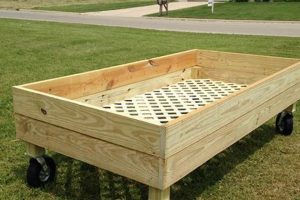
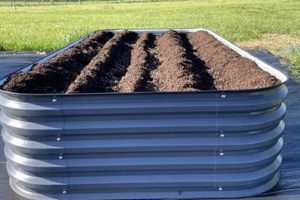
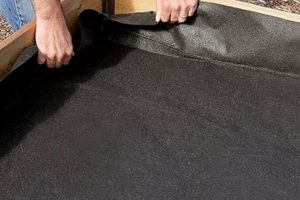
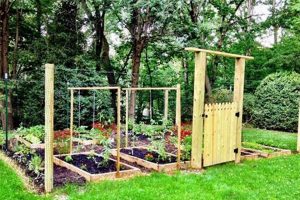
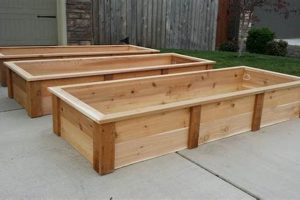
Components designed to join the corners or sides of elevated planting structures are essential for their stability and longevity. These connecting elements, often made of metal, plastic, or wood, provide structural support, ensuring the frame maintains its shape and integrity, especially when filled with soil and subjected to environmental stressors. An example includes a steel corner piece that connects four wooden planks to form a square or rectangular container.
The use of these supports offers several advantages, including simplified construction, increased durability, and improved aesthetics. They allow for easy assembly without specialized tools or skills, creating a more robust structure capable of withstanding weather and physical pressure. Historically, similar connecting methods have been employed in various construction and agricultural contexts to facilitate the creation of stable and lasting frameworks.
The following discussion will delve into the various materials, designs, installation techniques, and maintenance considerations associated with these crucial elements, providing a comprehensive guide for selecting and utilizing them effectively in the construction of durable and visually appealing elevated gardens.
Tips for Selecting and Using Corner Supports
Proper selection and installation of corner supports are critical for the long-term stability and functionality of elevated garden beds. The following guidelines offer practical advice for ensuring a successful build.
Tip 1: Material Selection: Consider the environmental conditions and intended lifespan. Metal options, such as powder-coated steel or aluminum, offer superior durability and resistance to rust, especially in humid climates. Wood is aesthetically pleasing but requires regular treatment to prevent rot and insect damage. Plastic may be suitable for temporary or lightweight applications.
Tip 2: Gauge and Thickness: The thickness of the material significantly impacts the strength and load-bearing capacity. For larger beds or those filled with heavy soil, opt for heavier gauge metal or thicker lumber to prevent warping or failure. Review the manufacturer’s specifications for weight limits.
Tip 3: Design and Compatibility: Ensure the chosen design is compatible with the dimensions and material of the bed frame. Some are designed for specific lumber sizes, such as 2x4s or 4x4s. Verify that the angle and shape are appropriate for the desired configuration of the bed.
Tip 4: Installation Method: Select a bracket that offers a secure and straightforward installation process. Screws, bolts, or interlocking mechanisms may be employed. Use appropriate fasteners that are resistant to corrosion and compatible with the chosen materials.
Tip 5: Reinforcement for Large Beds: For larger beds exceeding 4 feet in length, consider adding additional supports along the sides to prevent bowing. Mid-span supports can significantly enhance the structural integrity and extend the lifespan of the bed.
Tip 6: Drainage Considerations: Ensure the design does not impede drainage. Proper drainage is essential for preventing waterlogging and promoting healthy root growth. Consider models with integrated drainage features or ensure adequate spacing between the support and the ground.
Implementing these tips will result in a more robust and durable elevated garden, capable of withstanding the elements and providing a stable environment for plant growth.
The subsequent sections will explore specific product recommendations and advanced construction techniques.
1. Material Durability

Material durability is a paramount consideration in the selection of connecting elements for elevated planting structures. The environmental stresses inherent in outdoor gardening, including exposure to moisture, temperature fluctuations, and direct sunlight, necessitate the use of materials capable of withstanding prolonged exposure without degradation. The choice of material directly influences the lifespan and structural integrity of the raised bed. For example, untreated wood, while aesthetically appealing, is susceptible to rot and insect infestation, leading to premature failure of the structure. Conversely, powder-coated steel or aluminum exhibits superior resistance to corrosion and weathering, thereby extending the functional lifespan of the bed. The initial investment in durable materials translates to reduced maintenance costs and a longer period of usability.
The selection process should consider the specific climatic conditions of the region where the raised bed will be situated. Coastal areas with high salt content in the air require materials with exceptional corrosion resistance, such as stainless steel or marine-grade aluminum. In regions with extreme temperature fluctuations, materials with low thermal expansion coefficients are preferred to prevent stress cracking. The thickness and gauge of the material are also critical factors; thinner materials are more susceptible to bending and failure under the weight of the soil. The use of appropriate fasteners, such as stainless steel screws or bolts, is equally important to prevent galvanic corrosion between dissimilar metals.
In conclusion, material durability is intrinsically linked to the overall performance and longevity of elevated planting structures. The selection of appropriate materials, taking into account environmental factors and load-bearing requirements, is essential for ensuring a stable, functional, and aesthetically pleasing garden bed. Understanding the properties of various materials and their suitability for specific applications is crucial for making informed decisions and maximizing the return on investment. Failure to prioritize material durability can result in costly repairs or premature replacement of the entire structure, negating the benefits of elevated gardening.
2. Structural Support

Structural support constitutes the fundamental role that connecting elements fulfill in the construction and maintenance of elevated planting structures. These elements, often crafted from durable materials, are integral to the stability and longevity of the garden bed, particularly when subjected to the considerable weight of soil and vegetation. The effectiveness of these elements in providing adequate support directly impacts the overall performance and lifespan of the structure.
- Corner Reinforcement and Load Distribution
Corner reinforcement is the most critical function, preventing outward bowing and eventual collapse of the bed. Rigid connecting elements distribute the load of the soil and plants evenly across the frame, minimizing stress on individual components. Examples include using steel corner braces with a 90-degree angle to maintain the shape of a rectangular bed. The implication is that without adequate corner reinforcement, the bed will deform over time, potentially leading to structural failure.
- Material Strength and Load-Bearing Capacity
The inherent strength of the material dictates the maximum load-bearing capacity of the connecting elements. Metal alloys, such as steel and aluminum, offer superior strength compared to wood or plastic. Thicker gauge metals or reinforced plastics provide greater resistance to bending and deformation under load. An example is selecting a 14-gauge steel component for a large bed filled with heavy, wet soil. The implication is that undersized or weaker components will fail under excessive load, compromising the structural integrity of the bed.
- Joint Integrity and Connection Methods
The method of connection, such as screws, bolts, or welding, influences the overall strength and stability of the joint. Secure and robust connections prevent loosening or separation over time, maintaining the structural integrity of the bed. An example involves using stainless steel bolts and lock washers to ensure a tight and corrosion-resistant connection between wooden planks and metal. The implication is that weak or poorly executed joints will degrade over time, leading to instability and eventual failure of the structure.
- Mid-Span Support and Bowing Prevention
For longer beds, adding mid-span supports along the sides can prevent bowing and maintain a uniform shape. These supports distribute the load across the length of the bed, reducing stress on the corners and edges. An example is installing a vertical post at the center of a long side panel to prevent outward bowing. The implication is that without mid-span supports, long beds are prone to deformation, potentially affecting plant health and overall aesthetics.
These facets, collectively reflecting the structural contribution of the components, underscore the importance of selecting robust and appropriately sized connecting elements. The overall stability and longevity of an elevated planting structure are inextricably linked to the effectiveness of the components in providing adequate structural support, ensuring a stable and productive growing environment.
3. Assembly Ease

The ease with which elevated garden structures can be assembled is directly influenced by the design and functionality of the connecting elements. A simplified construction process translates to reduced labor, time investment, and the need for specialized tools. The design of the connecting pieces often determines the complexity of the assembly. For example, interlocking elements or pre-drilled holes can significantly expedite the building process. In contrast, systems requiring precise measurements, cutting, or welding necessitate skilled labor and specialized equipment, thus reducing assembly ease.
The accessibility of the assembly process broadens the appeal of elevated gardening to a wider range of individuals, including those with limited construction experience. Consider a situation where modular components, secured with a simple locking mechanism, allow for rapid assembly without the need for power tools. This accessibility is particularly valuable for individuals with physical limitations or those seeking a quick and convenient gardening solution. Conversely, complex systems requiring extensive assembly can deter potential users, limiting the adoption of elevated gardening practices. The selection of components that prioritize assembly ease contributes directly to the widespread adoption and practicality of elevated gardening.
Ultimately, the connection between connecting elements and assembly ease is fundamental to the user experience and overall success of elevated gardening. Simplified assembly processes reduce barriers to entry, making gardening more accessible and enjoyable for a wider range of individuals. Challenges remain in balancing assembly ease with structural integrity and aesthetic appeal. Future innovations may focus on developing even more intuitive and user-friendly connecting elements, further enhancing the accessibility and practicality of elevated garden structures. Therefore, a focus on the “Assembly Ease” is not only beneficial but crucial for this component and the usability of the overall raised garden bed.
4. Design Compatibility

The suitability of connecting elements with the overall aesthetic and functional parameters of an elevated planting structure is crucial for achieving a cohesive and practical design. Design compatibility ensures that the chosen connecting elements seamlessly integrate with the materials, dimensions, and intended use of the raised bed. A lack of compatibility can lead to structural instability, aesthetic incongruity, and reduced functionality.
- Material Harmony and Aesthetic Cohesion
The materials used for connecting elements should complement or match the materials of the bed frame itself. For instance, using galvanized steel pieces with cedar lumber can create an appealing contrast while ensuring corrosion resistance. The implications of material selection on the visual appeal of the garden are significant, affecting the overall aesthetic and integration with the surrounding environment. Mismatched materials can detract from the garden’s visual appeal and project an unprofessional image.
- Dimensional Accuracy and Structural Integrity
The dimensions of the connecting elements must correspond precisely with the thickness and width of the lumber or other materials used for the bed frame. Inaccurate dimensions can lead to weak joints, instability, and potential structural failure. As an illustration, if connecting elements designed for 2×4 lumber are used with 1×4 lumber, the resulting connections will be loose and unreliable. The implications extend to the overall lifespan and safety of the garden structure.
- Functional Integration and Utility
Connecting elements should not impede the functionality of the raised bed. For example, components that obstruct drainage or prevent easy access to the soil are functionally incompatible. Integrating features such as built-in irrigation supports or trellis attachment points can enhance the utility of the bed. The implications of functional design are far-reaching, influencing plant health, maintenance requirements, and the overall gardening experience.
- Style Consistency and Thematic Alignment
The style of the connecting elements should align with the overall design theme of the garden. Ornate, decorative pieces may be appropriate for a formal garden, while simple, utilitarian components are better suited for a rustic or minimalist design. As an example, using elaborate, Victorian-style supports in a contemporary, urban garden might create an aesthetic discord. The implications involve aligning the raised bed with the garden’s overall ambiance and ensuring a visually harmonious and pleasing environment.
These various facets underscore the importance of considering design compatibility when selecting the components for elevated planting structures. By prioritizing material harmony, dimensional accuracy, functional integration, and style consistency, individuals can create visually appealing, structurally sound, and functionally efficient garden beds that enhance the overall gardening experience. Ignoring design compatibility can result in aesthetically displeasing, structurally unsound, and functionally limited raised garden beds, undermining their intended purpose and value.
5. Weather Resistance

The capacity of connecting elements to withstand environmental stressors directly determines the longevity and structural integrity of elevated planting structures. The impact of weather on these components cannot be overstated, as prolonged exposure to moisture, fluctuating temperatures, and ultraviolet radiation can compromise their strength and stability. The inherent resistance to these elements is a critical consideration in material selection and design, directly influencing the functional lifespan and aesthetic appeal of the garden bed. For example, metal components without adequate protective coatings are prone to rust, while untreated wood can succumb to rot and insect damage, potentially leading to structural failure.
The selection of materials possessing inherent weather-resistant properties is paramount for ensuring long-term performance. Powder-coated steel, galvanized metal, and certain types of treated wood offer superior protection against corrosion, decay, and degradation. The effectiveness of these protective measures is particularly evident in regions with harsh climates, where extreme temperature swings and high humidity levels accelerate the deterioration of less resilient materials. An example of this is the common use of marine-grade aluminum in coastal areas, where salt spray and high humidity pose a significant threat to corrosion. The use of appropriate fasteners, such as stainless steel screws and bolts, is equally critical for preventing galvanic corrosion between dissimilar metals and maintaining joint integrity over time.
Ultimately, weather resistance is an indispensable characteristic of reliable and durable connecting elements for elevated planting structures. The conscious selection of materials and designs engineered to withstand environmental stressors is essential for minimizing maintenance requirements, extending the lifespan of the garden bed, and ensuring a stable and productive growing environment. Failure to prioritize weather resistance can lead to costly repairs, premature replacement of components, and ultimately, the diminished functionality and aesthetic appeal of the entire structure. Prioritization is crucial to the overall viability and sustainability of the garden.
Frequently Asked Questions
The following section addresses common inquiries regarding the selection, installation, and maintenance of connecting elements for elevated planting structures, providing clarity on critical aspects of their function and performance.
Question 1: What are the primary functions of connecting elements in raised garden beds?
These elements provide structural support, ensuring the stability and longevity of the bed. They connect the corners and sides, preventing bowing and collapse under the weight of soil and vegetation.
Question 2: Which materials are most suitable for connecting elements, considering durability and weather resistance?
Powder-coated steel, galvanized metal, and treated lumber are commonly recommended for their resistance to corrosion, decay, and environmental degradation. The specific choice depends on the intended lifespan, budget, and aesthetic preferences.
Question 3: How does one determine the appropriate size and gauge of connecting elements for a given raised bed?
The dimensions should correspond to the thickness and width of the lumber used for the bed frame. The gauge or thickness of the material should be selected based on the anticipated load and the overall size of the bed. Consult manufacturer specifications for weight limits.
Question 4: What are the key considerations for ensuring proper installation of these components?
Proper alignment, secure fastening, and the use of appropriate screws or bolts are essential. Ensure that the connecting elements are flush with the surface of the lumber and that all fasteners are tightened to the manufacturer’s specifications.
Question 5: How can one address potential drainage issues related to the design of the connecting pieces?
Select designs that do not impede water flow or incorporate drainage features. Ensure adequate spacing between the support and the ground to allow for proper water runoff and prevent waterlogging.
Question 6: What maintenance practices are recommended for preserving the structural integrity of connecting elements?
Regular inspections for rust, rot, or loose fasteners are advisable. Apply protective coatings or treatments as needed to prevent corrosion or decay. Replace any damaged or weakened components promptly.
Key takeaways include the importance of selecting durable materials, ensuring proper installation, and implementing routine maintenance practices to maximize the lifespan and functionality of elevated planting structures.
The subsequent section will delve into case studies and real-world applications of different connecting element designs.
Conclusion
The preceding analysis has elucidated the critical role of raised bed garden brackets in the construction and sustained functionality of elevated planting structures. The selection of appropriate materials, designs, and installation techniques directly impacts the longevity, stability, and aesthetic appeal of these garden beds. The information presented underscores the necessity of careful consideration when choosing and implementing these structural components.
Ultimately, the effective utilization of suitable raised bed garden brackets is paramount to ensuring a durable and productive gardening environment. A commitment to informed decision-making and diligent maintenance will contribute to the long-term success and sustainability of elevated gardening practices. Therefore, the responsible application of these principles is strongly encouraged for all involved in the creation and upkeep of raised bed garden systems.