



A planting structure elevated above ground level and formed in a specific geometric configuration. This design provides an alternative to traditional in-ground gardening, offering enhanced accessibility and control over soil conditions. For example, the configuration allows for efficient space utilization in corners or along fence lines.
Such structures offer several advantages, including improved drainage, reduced back strain during planting and harvesting, and protection from certain soilborne pests. The elevated nature facilitates easier management of weeds and can extend the growing season by warming the soil more quickly in spring. Historically, elevated planting methods have been employed to overcome poor soil quality or limited space.
Subsequent sections will delve into the specific construction techniques, optimal plant selections, and maintenance considerations for this style of elevated planting structure, providing practical guidance for successful implementation.
Construction and Utilization Tips
The following guidelines offer practical advice for the construction and effective utilization of a planting structure configured in an L-shape.
Tip 1: Corner Reinforcement is Essential: When constructing this geometric form, ensure robust corner joints. Employ durable fasteners and consider internal bracing to prevent bowing or separation over time, particularly when filled with heavy soil.
Tip 2: Optimize Soil Composition: Utilize a well-draining soil mix specifically formulated for elevated planting structures. A blend of topsoil, compost, and perlite promotes healthy root development and prevents waterlogging.
Tip 3: Plan for Drainage: Ensure adequate drainage through the base of the structure. Drill drainage holes or incorporate a layer of gravel at the bottom to prevent water accumulation and root rot.
Tip 4: Consider Sun Exposure: Prior to placement, assess the amount of sunlight the location receives. Orient the structure to maximize sunlight exposure for the intended plant species, considering both morning and afternoon sun patterns.
Tip 5: Choose Companion Plants Strategically: Select plant species that benefit from each other when planted in close proximity. This companion planting strategy can enhance growth, deter pests, and improve pollination rates within the confined space.
Tip 6: Implement Vertical Gardening Techniques: Maximize space utilization by incorporating vertical gardening elements, such as trellises or climbing supports, along the inside of the structure. This allows for the cultivation of vining plants like tomatoes or cucumbers.
Tip 7: Regular Maintenance is Critical: Inspect the structure regularly for signs of deterioration, such as warping or cracking. Address any issues promptly to prevent further damage and prolong the lifespan of the structure.
Adhering to these guidelines will contribute to the successful construction and productive utilization of the specified planting structure, leading to enhanced gardening outcomes.
The following section will address common challenges encountered during the construction and maintenance phases, providing solutions to ensure long-term success.
1. Space Utilization

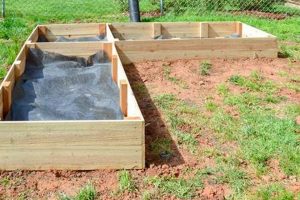
The “L” shaped raised garden bed represents a deliberate attempt to optimize spatial resources within a landscape. The configuration inherently addresses corner spaces, often underutilized in traditional gardening layouts. This specific geometry allows for the creation of planting areas that conform to existing architectural features or landscape boundaries, maximizing the cultivatable area without disrupting the overall flow of the surrounding environment. The direct consequence of this design is increased productivity within a smaller footprint.
For instance, an “L” shaped raised garden bed positioned along two sides of a patio creates a defined outdoor living space while simultaneously providing a dedicated area for growing herbs, vegetables, or flowers. The structure serves a dual purpose, functionally dividing the area and offering practical gardening benefits. The ability to customize the dimensions of each leg of the “L” further enhances space utilization, allowing for tailored planting zones based on sunlight exposure and soil requirements. Urban gardeners with limited balcony or patio space particularly benefit from this design’s adaptability.
In summary, the spatial efficiency afforded by the “L” shaped raised garden bed makes it a valuable asset for gardeners seeking to maximize yield within constrained environments. The ability to contour to existing architectural elements and create distinct gardening zones underscores its practical significance. However, proper planning and construction techniques are paramount to ensure the structural integrity and long-term viability of the bed, particularly considering the potential weight of the soil and mature plants.
2. Corner Reinforcement

Corner reinforcement is a critical structural element in the design and construction of “L” shaped raised garden beds. The integrity of the corners directly impacts the overall stability and longevity of the entire structure. Insufficient reinforcement can lead to bowing, separation, and eventual collapse, especially when the bed is filled with heavy soil and mature plants.
- Joint Strength and Stability
The corners of an “L” shaped raised garden bed are subjected to significant outward force due to the weight of the soil and the pressure exerted by plant roots. Reinforcement techniques, such as using sturdy corner brackets, overlapping wood joints secured with screws or bolts, or even incorporating metal bracing, distribute this force and prevent the joints from weakening over time. Without adequate reinforcement, the corners will gradually pull apart, compromising the structural integrity of the entire bed.
- Material Selection Considerations
The type of material used for the bed’s construction significantly impacts the required level of corner reinforcement. Softer woods, like cedar or pine, may require more robust reinforcement methods compared to hardwoods like oak or redwood. Similarly, beds constructed from recycled materials, such as pallet wood, often necessitate additional reinforcement due to the inherent variability in the material’s strength and condition. The chosen reinforcement method should be compatible with the primary construction material and account for its specific properties.
- Prevention of Soil Displacement
Weak or poorly reinforced corners can create gaps and openings, leading to soil displacement and loss. This is particularly problematic in “L” shaped designs, as the corners are more susceptible to pressure and movement compared to straight-sided beds. Effective corner reinforcement creates a tight, secure seal, preventing soil erosion and maintaining the integrity of the growing environment within the bed.
- Impact on Longevity and Maintenance
Investing in proper corner reinforcement upfront can significantly extend the lifespan of an “L” shaped raised garden bed. Well-reinforced corners reduce the need for frequent repairs and maintenance, saving both time and resources in the long run. Regular inspection of the corners is still recommended to identify any signs of potential weakness or deterioration, allowing for proactive measures to be taken before major structural issues arise.
Effective corner reinforcement is an indispensable aspect of “L” shaped raised garden bed construction. By prioritizing robust joint construction, appropriate material selection, and preventative maintenance, gardeners can ensure the long-term stability and functionality of their raised beds, maximizing their gardening potential for years to come.
3. Soil Volume

The amount of soil contained within an “L” shaped raised garden bed is a primary determinant of plant health and productivity. This volume dictates the space available for root development, nutrient availability, and water retention, all of which directly influence plant growth and yield.
- Root Development and Anchorage
Adequate soil volume allows for unrestricted root growth, enabling plants to establish a strong foundation. A larger root system enhances nutrient uptake and water absorption, contributing to overall plant vigor. In the context of an “L” shaped raised garden bed, the dimensions of the structure should be carefully considered to provide sufficient space for the root systems of the intended plant species. Compacted root systems due to insufficient soil volume can lead to stunted growth and reduced yields.
- Nutrient Availability and Retention
A greater soil volume translates to a larger reservoir of nutrients available to plants. The soil acts as a buffer, storing essential minerals and releasing them gradually as needed. Furthermore, a larger volume of soil can better retain added fertilizers and compost, preventing nutrient leaching and ensuring a consistent supply of nourishment for plant growth. Within an “L” shaped raised garden bed, the soil composition and fertility should be monitored and amended regularly to maintain optimal nutrient levels.
- Water Retention and Drainage
Soil volume influences both water retention and drainage. A larger volume of soil can hold more water, reducing the frequency of irrigation. However, proper drainage is equally important to prevent waterlogging and root rot. The soil composition within the “L” shaped raised garden bed should be carefully selected to balance water retention with adequate drainage. The addition of amendments like perlite or vermiculite can improve drainage in heavier soils.
- Temperature Regulation
The soil mass within an “L” shaped raised garden bed acts as a thermal buffer, moderating temperature fluctuations and protecting plant roots from extreme heat or cold. A larger soil volume provides greater insulation, reducing the risk of temperature stress. This is particularly beneficial in regions with harsh climates or significant temperature swings. The depth and width of the raised bed should be considered in relation to the local climate to optimize temperature regulation.
In conclusion, the soil volume within an “L” shaped raised garden bed directly impacts various factors essential for plant growth and health. Careful consideration of the structure’s dimensions, soil composition, and climate conditions is necessary to ensure that the soil volume is adequate to support the intended plant species and maximize gardening success. A well-planned and maintained soil volume translates to healthier plants, increased yields, and a more productive gardening experience.
4. Plant Selection

Plant selection is a critical determinant of success when utilizing an “L” shaped raised garden bed. The confined space and unique environmental conditions within the structure necessitate careful consideration of plant compatibility, growth habits, and resource requirements. Failure to select appropriate species can lead to overcrowding, nutrient deficiencies, and reduced yields. For instance, planting sun-loving vegetables in the shadow of taller plants within the “L” configuration will result in diminished productivity. Similarly, incompatible plants may compete for resources, hindering the growth of both. Understanding the interplay between plant characteristics and the specific environment of the raised bed is essential for maximizing its potential.
Specific considerations for plant selection within an “L” shaped raised garden bed include assessing sunlight exposure in different sections of the “L,” determining the mature size of chosen plants, and evaluating their nutrient and water needs. For example, taller vining plants, such as tomatoes or cucumbers, can be strategically placed to utilize vertical space, while shorter, bushier plants can be positioned to receive adequate sunlight. Companion planting strategies, where beneficial plant combinations are selected to enhance growth or deter pests, are particularly valuable within the confined space of an “L” shaped bed. The physical constraints of the structure demand a deliberate approach to plant selection to avoid overgrowth and ensure balanced resource allocation.
In summary, plant selection significantly impacts the overall performance of an “L” shaped raised garden bed. By carefully considering plant characteristics, environmental conditions, and companion planting strategies, gardeners can optimize plant growth, maximize yields, and create a thriving and aesthetically pleasing garden space. The key lies in recognizing the limitations and opportunities presented by the unique configuration of the raised bed and selecting plants that complement its spatial and environmental characteristics. The careful selection of plants ensures its proper usage and a balanced growth environment.
5. Accessibility

The design of “L” shaped raised garden beds directly impacts accessibility for individuals with limited mobility or physical constraints. Standard in-ground gardening often presents challenges, requiring bending, kneeling, and prolonged periods in uncomfortable positions. The elevated nature of a raised bed mitigates these issues, bringing the gardening surface to a more manageable height. An “L” shape can further enhance accessibility by providing multiple points of approach, allowing gardeners to tend to different sections of the bed without having to reach across large distances. For example, a gardener using a wheelchair could more easily access plants positioned along the inside of the “L” compared to a straight, wide bed.
The height of the raised bed is a critical factor in determining its accessibility. Beds should be constructed at a height that allows for comfortable gardening while seated or standing. Consideration should also be given to the width of the bed, as overly wide beds can still require excessive reaching, negating some of the accessibility benefits. The material used for construction can also contribute to accessibility. Smooth, non-slip surfaces around the perimeter of the bed can improve safety and ease of movement. Furthermore, the placement of the bed is important. Ensuring that the area surrounding the bed is clear and level can prevent tripping hazards and allow for easy maneuverability. A well-designed “L” shaped raised garden bed, taking into account these accessibility factors, can enable individuals with disabilities to participate in gardening activities more comfortably and safely.
In summary, the integration of accessibility principles into the design of “L” shaped raised garden beds is crucial for promoting inclusive gardening practices. By carefully considering factors such as bed height, width, surrounding surface conditions, and the multiple access points afforded by the “L” shape, these structures can be transformed into valuable tools for individuals with mobility limitations. Prioritizing accessibility not only enhances the gardening experience but also fosters a more equitable and inclusive environment for all.
6. Aesthetic Integration

The successful integration of a planting structure configured in an “L” shape into an existing landscape design hinges upon a coherent aesthetic vision. This integration involves careful consideration of materials, dimensions, and placement to ensure the structure complements, rather than detracts from, the surrounding environment. A poorly integrated structure can appear visually discordant, diminishing the overall appeal of the outdoor space. Conversely, a well-executed design enhances the visual harmony and can even serve as a focal point within the landscape. The aesthetic considerations extend beyond mere visual appeal to encompass a sense of unity and cohesion with the existing architectural and natural elements. This cohesion is achieved through strategic use of color, texture, and form, reflecting the style of the surrounding elements.
The materials selected for constructing an “L” shaped raised garden bed profoundly impact its aesthetic integration. Natural materials, such as wood or stone, often blend seamlessly into garden environments, creating a rustic or naturalistic aesthetic. Conversely, modern materials, such as metal or composite lumber, can lend a contemporary feel. The dimensions of the bed must also be proportional to the surrounding space. A bed that is too large can overwhelm the area, while one that is too small may appear insignificant. The placement of the structure is equally critical. Positioning it to complement existing landscape features, such as pathways, patios, or planting beds, creates a sense of intentionality and visual balance. For example, an “L” shaped raised garden bed constructed of weathered wood positioned alongside a flagstone patio can create a seamless transition between the hardscape and softscape elements of the garden. Conversely, a brightly painted metal bed placed in a traditional cottage garden may appear incongruous.
Aesthetic integration is not merely a cosmetic concern; it is an integral aspect of successful landscape design. A thoughtfully designed and well-integrated “L” shaped raised garden bed enhances the visual appeal of the outdoor space and contributes to its overall functionality and value. Achieving this integration requires careful planning, attention to detail, and a clear understanding of the principles of landscape design. While challenges exist in balancing functional requirements with aesthetic considerations, the rewards of a harmonious and visually appealing garden are well worth the effort.
Frequently Asked Questions
The following section addresses common inquiries regarding planting structures configured in an “L” shape, providing factual and comprehensive answers.
Question 1: What are the primary advantages of an “L” shaped raised garden bed compared to rectangular or square designs?
The “L” configuration facilitates efficient utilization of corner spaces, often underutilized in traditional garden layouts. It also allows for distinct planting zones based on varying sunlight conditions present on each leg of the “L”.
Question 2: How critical is corner reinforcement in “L” shaped raised garden bed construction?
Corner reinforcement is paramount. The corners are subjected to significant outward pressure from the soil. Failure to adequately reinforce these joints will inevitably lead to structural failure.
Question 3: What soil composition is optimal for an “L” shaped raised garden bed?
A well-draining mix is essential. A blend of topsoil, compost, and perlite is generally recommended to promote healthy root development and prevent waterlogging.
Question 4: Is sun exposure a crucial factor when deciding on placement for an “L” shaped raised garden bed?
Sun exposure is indeed a critical consideration. The bed must be oriented to maximize sunlight exposure for the specific plant species intended for cultivation. Careful observation of sunlight patterns throughout the day is recommended.
Question 5: Can vertical gardening techniques be effectively implemented within an “L” shaped raised garden bed?
Vertical gardening techniques are highly beneficial. Trellises or other supports can be integrated to maximize space utilization and cultivate vining plants effectively.
Question 6: What are some common maintenance tasks required for an “L” shaped raised garden bed?
Regular inspections for signs of deterioration, such as warping or cracking, are crucial. Maintaining optimal soil fertility through amendments and ensuring adequate drainage are also essential maintenance tasks.
In summary, the successful implementation of an “L” shaped raised garden bed depends on careful planning, robust construction, and consistent maintenance. Addressing these factors will ensure a productive and aesthetically pleasing gardening experience.
The following section will provide a step-by-step guide to building the structure from scratch.
Conclusion
The preceding analysis of “l shaped raised garden bed” structures underscores their multifaceted role in modern gardening practices. Key aspects, including spatial optimization, structural reinforcement, and plant-specific considerations, dictate the efficacy of this particular design. Comprehensive understanding of these interconnected elements is paramount for successful implementation.
Future endeavors should focus on refining construction methodologies and exploring novel material applications to enhance durability and sustainability. Continued research into optimal plant pairings and soil compositions will further maximize the productive potential of this specialized gardening structure. The adoption of these insights will ensure the continued relevance and value of the “l shaped raised garden bed” for both novice and experienced horticulturalists.

![Secure Raised Beds: Corner Brace Solutions [DIY Guide] | The Ultimate Gardening Guide: Grow a Thriving Garden Year-Round](https://MyGardenPatch.com/wp-content/uploads/2025/07/th-2623-300x200.jpg "Secure Raised Beds: Corner Brace Solutions [DIY Guide] The Ultimate Gardening Guide: Grow a Thriving Garden Year-Round")