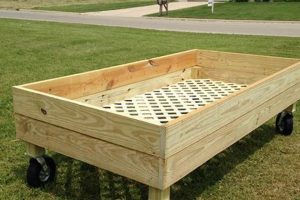
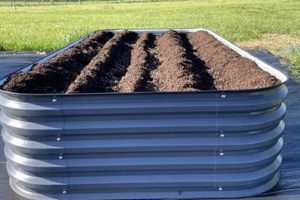
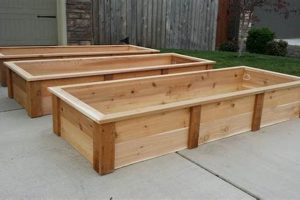
A mobile gardening platform, typically constructed from wood, metal, or durable plastic, provides an elevated planting area equipped with wheels or casters for ease of relocation. This structure allows for cultivating plants at a comfortable height, reducing strain on the back and knees, and offers the flexibility to move the garden to optimal sunlight or protection from inclement weather. Common examples include a rectangular wooden frame on wheels used for growing herbs or vegetables on a patio, or a metal container with locking casters used for cultivating flowers on a balcony.
This type of gardening system offers several advantages. The portability allows for maximizing sunlight exposure throughout the day and protecting plants from harsh conditions like frost or excessive heat. The elevated design improves accessibility for individuals with mobility limitations and can deter pests. Furthermore, this method enhances soil drainage and temperature control, promoting healthier plant growth. While not historically significant in the same way as traditional agriculture, its development represents a modern adaptation to space constraints and a growing interest in urban and accessible gardening practices.
The following sections will explore the various materials used in constructing these mobile planters, the optimal soil compositions for different plant types, considerations for selecting the appropriate size and design, and practical tips for maintaining a thriving and easily movable garden.
Tips for Optimizing a Rolling Raised Garden Bed
This section provides practical advice for maximizing the benefits and longevity of a mobile elevated garden structure. Careful consideration of these factors will contribute to a successful and sustainable gardening experience.
Tip 1: Material Selection: Choose weather-resistant materials such as treated lumber, cedar, or durable plastics for the construction of the frame. This will prevent rot, warping, and degradation due to environmental exposure. Consider a rust-resistant coating for metal frames.
Tip 2: Soil Composition: Utilize a well-draining soil mix specifically formulated for raised beds. This typically includes a blend of topsoil, compost, and peat moss or coco coir. Avoid using garden soil directly, as it may compact and impede drainage.
Tip 3: Caster Quality: Invest in high-quality, heavy-duty casters with locking mechanisms. This ensures stability, ease of movement, and the ability to secure the structure in place, especially on uneven surfaces.
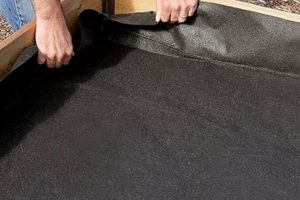
Tip 4: Drainage Considerations: Ensure adequate drainage by incorporating drainage holes in the base of the structure. Adding a layer of gravel or landscape fabric at the bottom can further improve drainage and prevent soil loss.
Tip 5: Weight Management: Be mindful of the overall weight of the structure, especially when filled with soil and plants. Distribute weight evenly and avoid overfilling to prevent strain on the frame and casters.
Tip 6: Strategic Placement: Consider the sun exposure requirements of the plants being grown and position the mobile planter accordingly. Regularly rotate the structure to ensure even sunlight distribution.
Tip 7: Regular Maintenance: Periodically inspect the frame, casters, and drainage system for any signs of damage or wear. Tighten any loose screws or bolts and replace worn casters as needed.
Adhering to these recommendations will contribute to the successful cultivation of plants within a mobile, elevated garden environment, promoting healthy growth and ease of maintenance.
The concluding section will summarize the key benefits and considerations of utilizing a rolling raised garden bed.
1. Mobility

Mobility, as an inherent characteristic, defines the primary distinction of a rolling raised garden bed from its stationary counterpart. The inclusion of wheels or casters fundamentally alters the gardening experience, enabling the user to reposition the entire planting structure with relative ease. This capability directly impacts plant health, environmental control, and user convenience. For example, plants requiring varying degrees of sunlight can be strategically moved throughout the day to optimize photosynthetic activity. Similarly, the structure can be relocated to sheltered areas during periods of inclement weather, protecting delicate plants from frost, excessive rain, or strong winds. Mobility is not merely an added feature; it is a core element that enables adaptive gardening practices.
The practical significance of mobility extends to urban environments with limited outdoor space. A rolling raised bed allows for maximizing the use of available sunlight, even in areas shaded by buildings or other structures. Furthermore, it provides a solution for individuals with physical limitations that may impede traditional gardening methods. The elevated height combined with the ability to move the garden closer to the user reduces the need for bending and kneeling, promoting accessibility and inclusivity. The mobility also simplifies tasks such as watering, weeding, and harvesting, as the entire garden can be easily accessed and managed from a comfortable position. Commercial growers can also use this to adjust the positions of their plants according to the sunlight and it may protect plants from getting damages because of bad weather.
While mobility offers significant advantages, it also presents challenges. The weight of the filled structure must be carefully considered to ensure ease of movement and prevent damage to the wheels or frame. Selecting appropriate casters with sufficient load-bearing capacity is crucial. The maneuverability of the structure can also be limited by uneven terrain or confined spaces. However, despite these challenges, the benefits of mobility in a rolling raised garden bed far outweigh the drawbacks, providing a flexible and adaptable gardening solution for a wide range of users and environments. Understanding and addressing these considerations ensures the effective utilization of the key benefits offered by mobility.
2. Accessibility
The integration of mobility and elevated planting height within a rolling raised garden bed directly addresses accessibility barriers often encountered in traditional gardening. The raised height minimizes the need for bending, kneeling, or stooping, thereby reducing physical strain and making gardening more feasible for individuals with mobility limitations, back pain, or those who use wheelchairs or other mobility aids. The ability to relocate the bed further enhances accessibility, allowing users to position the garden closer to them, providing easier reach for planting, weeding, and harvesting. This design promotes inclusivity and enables a wider range of individuals to engage in gardening activities, fostering both physical and mental well-being. A real-world example includes assisted living facilities utilizing these beds to provide residents with therapeutic gardening opportunities, improving their quality of life by enabling active participation despite physical constraints. Also, children with disabilities can use it at schools to help them engage in gardening.
The design of the bed itself can be further optimized to enhance accessibility. Incorporating features such as wider pathways around the bed, rounded edges to prevent injury, and tool storage within easy reach can significantly improve the user experience. Adjustable height options are also available, allowing customization to suit individual needs and preferences. Careful consideration of material selection, such as using lightweight yet durable materials, can further enhance accessibility by reducing the effort required to move the bed. The location where the rolling raised garden bed is used can affect its accessibility too; for example, a house that has a smooth flooring or a home that has flat yard is the best option.
In summary, the rolling raised garden bed is not merely a gardening tool; it is an adaptive solution that promotes inclusivity and provides opportunities for individuals with diverse physical abilities to connect with nature and enjoy the benefits of gardening. By carefully considering design features and user needs, these structures can significantly enhance accessibility and contribute to a more equitable and inclusive gardening experience for all. The design will make gardening more fun for everyone.
3. Soil Drainage

Soil drainage is a critical factor influencing the success of any gardening endeavor, and its importance is amplified within the context of a rolling raised garden bed. Due to the confined space and often artificial soil composition, proper drainage is essential to prevent waterlogging and promote healthy root development.
- Prevention of Root Rot
Excessive moisture around plant roots creates an anaerobic environment, fostering the growth of harmful fungi and bacteria that cause root rot. A rolling raised garden bed, without adequate drainage, is particularly susceptible to this issue. Root rot impairs the plant’s ability to absorb nutrients and water, leading to stunted growth, wilting, and ultimately, plant death. Proper drainage, facilitated by appropriate soil composition and drainage holes, allows excess water to escape, maintaining a healthy root zone.
- Nutrient Availability
Waterlogged soil inhibits the uptake of essential nutrients. Plant roots require oxygen to effectively absorb nutrients from the soil. When the soil is saturated, oxygen is displaced, hindering this process. Furthermore, prolonged waterlogging can leach nutrients from the soil, further exacerbating nutrient deficiencies. Adequate drainage ensures that oxygen is readily available to the roots, allowing for optimal nutrient absorption and promoting vigorous plant growth. Soil can be aerated through organic matter and mixing sand within.
- Soil Structure and Aeration
Poor drainage can lead to soil compaction, reducing aeration and further hindering root growth. Compacted soil restricts root penetration and limits the exchange of gases between the soil and the atmosphere. This creates an unfavorable environment for beneficial soil microorganisms, which play a crucial role in nutrient cycling and disease suppression. A well-draining soil structure, achieved through the incorporation of organic matter and proper drainage management, promotes aeration and supports a healthy soil ecosystem.
- Disease Management
Excessively moist soil conditions create a breeding ground for various fungal diseases that can affect plant health. Poor drainage can exacerbate these issues, leading to widespread infection and significant crop losses. Ensuring proper drainage helps to prevent the buildup of moisture and reduces the risk of fungal diseases, contributing to a healthier and more productive rolling raised garden bed. The type of plant also affects the water saturation of the plant.
These facets collectively underscore the importance of prioritizing soil drainage in a rolling raised garden bed. Neglecting this aspect can lead to a cascade of problems, ultimately compromising plant health and productivity. Conversely, implementing effective drainage strategies fosters a thriving environment for plant growth and maximizes the benefits of this gardening method.
4. Pest Control

Effective pest control is integral to the success of any garden, and the unique characteristics of a rolling raised garden bed offer distinct advantages and challenges in managing unwanted insects and other organisms. Understanding these specific considerations is crucial for maintaining a healthy and productive garden.
- Reduced Ground Access
The elevated nature of a rolling raised garden bed inherently limits access for ground-dwelling pests such as slugs, snails, and certain soil-borne insects. The physical barrier created by the bed’s sides makes it more difficult for these pests to reach the plants. For example, placing copper tape around the perimeter of the bed can further deter slugs and snails, as they are repelled by the metal. This reduced ground access significantly minimizes the risk of infestation from these common garden pests.
- Controlled Soil Environment
The ability to control the soil composition within a rolling raised garden bed allows for creating an unfavorable environment for certain soil-dwelling pests. Using a sterile potting mix eliminates the risk of introducing pests that may be present in garden soil. Additionally, incorporating beneficial nematodes into the soil can help control soil-borne insects such as root aphids and grubs. This controlled environment provides a proactive approach to pest management, reducing the reliance on chemical pesticides.
- Mobility for Pest Management
The defining feature of a rolling raised garden bed, its mobility, offers a unique advantage in pest control. Infested plants can be easily isolated from the rest of the garden to prevent the spread of pests. Additionally, moving the bed to a different location can disrupt the life cycle of certain pests, reducing their population. For instance, moving the bed to a sunnier location can deter pests that prefer damp, shady environments. This mobility provides a flexible and adaptable approach to pest management.
- Easier Monitoring and Intervention
The elevated height and accessibility of a rolling raised garden bed facilitate easier monitoring for pests. Early detection is crucial for effective pest control. Regular inspection of the plants allows for identifying infestations before they become widespread. The accessibility of the bed also simplifies intervention, allowing for targeted application of organic pesticides or manual removal of pests. This proactive approach minimizes the need for broad-spectrum pesticides and promotes a more sustainable gardening practice. A real-life application of this would be a gardener who grows tomatoes manually removing the tomato hornworms when they find one on the leaves.
These interconnected facets highlight the potential for effective and environmentally conscious pest control within a rolling raised garden bed. By leveraging the inherent advantages of this gardening method and implementing proactive management strategies, gardeners can minimize pest problems and cultivate thriving, healthy plants. The success of the pest control can benefit the growth of the plants and vegetables.
5. Space Efficiency
The fundamental attribute of a rolling raised garden bed, particularly in urban or limited-area environments, is its enhancement of space efficiency. Cause-and-effect relationships are evident: restricted land availability directly motivates the adoption of vertical or elevated gardening solutions like this. The importance of space efficiency as a component is paramount; without it, the viability of gardening in densely populated areas diminishes significantly. Consider a balcony in a high-rise apartment building. The surface area is finite, yet a mobile elevated planter maximizes the usable space for cultivation, allowing herbs, vegetables, or flowers to be grown where a traditional in-ground garden is impossible. This demonstrates that the design amplifies the productivity of a given area, supporting a greater yield per square foot than conventional methods.
Practical application of this understanding extends beyond residential settings. Educational institutions with limited grounds can utilize these systems to incorporate gardening into their curriculum, teaching students about plant science and sustainable food production without requiring extensive land resources. Restaurants with small patios can cultivate fresh ingredients on-site, reducing transportation costs and ensuring the quality of their produce. In each of these examples, the rolling raised garden bed serves as a mechanism for optimizing resource allocation and promoting localized food systems, contributing to environmental sustainability and community resilience. The design also allows the owner to add more plants within the area.
In summary, the space-efficient nature of the rolling raised garden bed is a defining characteristic that enables gardening activities in environments where land is a scarce resource. While challenges such as initial setup costs and the need for careful soil management exist, the benefits of maximizing productivity within a confined area are substantial. This efficiency links directly to the broader theme of sustainable urban living and promotes the responsible use of available resources, making it a valuable tool for individuals and communities seeking to engage in gardening practices in limited-space environments.
6. Material Durability

Material durability is a fundamental determinant of a rolling raised garden bed’s lifespan and overall value. The structure is consistently exposed to environmental stressors, including moisture, sunlight, temperature fluctuations, and physical strain from soil and plant weight. A lack of durability directly translates to premature degradation, structural failure, and ultimately, the need for replacement. This not only incurs additional costs but also negates some of the intended benefits, such as long-term sustainability and reduced maintenance. The selection of materials directly impacts the structure’s ability to withstand these forces, ensuring its integrity over time. For instance, using untreated lumber will result in rapid rot and decay, particularly in contact with moist soil, rendering the bed unusable within a short period. Conversely, utilizing treated lumber, cedar, or durable plastics significantly extends its lifespan, reducing the frequency of repairs and replacements.
The practical implications of material durability extend to the economic and environmental spheres. Selecting durable materials, while potentially involving a higher initial investment, results in long-term cost savings by minimizing maintenance expenses and extending the product’s lifespan. Furthermore, it reduces the environmental impact associated with frequent replacement cycles, including the consumption of raw materials, manufacturing processes, and waste disposal. For example, a community garden program relying on rolling raised beds constructed from recycled plastic demonstrates a commitment to sustainability, both by utilizing recycled materials and by ensuring the beds’ longevity, reducing the need for future resource consumption. Conversely, a commercially available bed constructed with low-grade materials may require replacement within a few seasons, contributing to landfill waste and undermining the program’s environmental objectives.
In summation, material durability is a non-negotiable aspect of a rolling raised garden bed. The choice of materials has cascading effects on the structure’s lifespan, maintenance requirements, economic viability, and environmental impact. While challenges such as balancing cost considerations with durability requirements exist, prioritizing robust materials ensures a long-lasting, sustainable, and cost-effective gardening solution. This connection between material selection and overall performance underscores the importance of making informed decisions to maximize the benefits of this gardening method, which has become an essential component of long-lasting rolling raised garden bed.
7. Temperature Regulation

Temperature regulation within a rolling raised garden bed represents a critical factor influencing plant health and overall gardening success. The elevated structure and contained soil volume create a microclimate that responds more rapidly to ambient temperature fluctuations than in-ground gardens. This responsiveness necessitates careful management to protect plants from temperature extremes and optimize growing conditions.
- Soil Warming in Spring
Elevated beds tend to warm up more quickly in the spring compared to the surrounding ground. This accelerated warming allows for earlier planting and extends the growing season. However, it also increases the risk of damage from late frosts. A practical mitigation strategy involves using row covers or other protective measures to shield tender plants during cold snaps. For instance, gardeners in colder climates can start their crops earlier in the season because the soil can be more easily maintained at the right temperature.
- Mitigating Summer Heat
Conversely, during the summer months, the soil within a rolling raised garden bed can overheat, especially in regions with intense sunlight. High soil temperatures can damage plant roots, reduce nutrient uptake, and inhibit growth. To counteract this effect, consider using shade cloth to reduce direct sunlight exposure or applying a layer of mulch to insulate the soil and retain moisture. Moreover, positioning the structure strategically to receive partial shade during the hottest part of the day can mitigate heat stress. Examples include the use of shade cloths that are rated at a specific percentage of shade.
- Insulation in Winter
In colder climates, the elevated nature of a rolling raised garden bed can make it more susceptible to freezing temperatures. Plant roots are more vulnerable to cold damage when exposed to prolonged freezing. To protect plants during winter, insulate the sides of the bed with materials such as straw bales or bubble wrap. Additionally, covering the soil with a thick layer of mulch can help retain heat and prevent the ground from freezing solid. Gardeners can overwinter root vegetables in these insulated setups to extend their harvest.
- Material Selection Influence
The material used to construct the rolling raised garden bed also affects temperature regulation. Metal beds tend to heat up more quickly than wooden beds, while thicker wooden beds provide better insulation. Selecting appropriate materials based on the local climate can contribute to more stable soil temperatures. For example, using light-colored materials can reduce heat absorption in warm climates, while darker-colored materials can help retain heat in cooler climates. Many gardeners utilize the different material to regulate the temperature for the plant.
In conclusion, temperature regulation is a nuanced aspect of managing a rolling raised garden bed. By understanding the factors that influence soil temperature and implementing appropriate mitigation strategies, gardeners can create an optimal growing environment, maximizing plant health and productivity. Consideration of these factors will also increase the longevity of the plants grown.
Frequently Asked Questions About Rolling Raised Garden Beds
This section addresses common inquiries regarding the use, benefits, and maintenance of mobile elevated planting structures. The information presented aims to provide clarity and assist in making informed decisions regarding their implementation.
Question 1: What is the typical lifespan of a rolling raised garden bed?
The lifespan varies depending on the construction materials and environmental conditions. Structures made from treated lumber or durable plastics can last for several years with proper maintenance. Metal beds, especially those with rust-resistant coatings, can also provide extended use. Untreated wood is susceptible to rot and may require more frequent replacement.
Question 2: Can a rolling raised garden bed be used indoors?
Yes, provided that adequate lighting and ventilation are available. When used indoors, it is essential to consider the potential for water leakage and to protect flooring accordingly. A drip tray or liner is recommended to prevent damage from excess water.
Question 3: What is the optimal soil composition for a rolling raised garden bed?
A well-draining mix is crucial. A combination of topsoil, compost, and peat moss or coco coir is often recommended. Garden soil alone may compact and impede drainage. Specific soil amendments may be necessary depending on the types of plants being grown.
Question 4: How much weight can a rolling raised garden bed typically support?
The weight capacity depends on the construction and the casters used. Heavy-duty casters are essential for supporting the weight of the soil and plants. Exceeding the recommended weight limit can lead to structural damage or caster failure.
Question 5: How should a rolling raised garden bed be protected during winter months?
Insulating the sides of the bed and covering the soil with mulch can help protect plants from freezing temperatures. Moving the bed to a sheltered location, such as a garage or shed, can provide additional protection in colder climates. The type of plant can also affect the protection that it needs during the winter season.
Question 6: What maintenance is required for a rolling raised garden bed?
Regular inspection of the frame, casters, and drainage system is recommended. Tighten any loose screws or bolts and replace worn casters as needed. Soil should be amended periodically to replenish nutrients. Cleaning the structure annually can help prevent the buildup of algae and other contaminants.
Understanding these common questions and their answers allows for more successful use of mobile elevated gardening systems.
The following section provides a concluding summary of the topic.
Conclusion
The preceding analysis has examined the multifaceted aspects of the rolling raised garden bed. From its inherent mobility and accessibility advantages to considerations of soil drainage, pest control, material durability, temperature regulation, and space efficiency, the exploration reveals a gardening method with distinct benefits and challenges. Successful implementation relies on a comprehensive understanding of these factors and their interplay.
The information presented serves as a foundation for informed decision-making regarding the adoption and management of rolling raised garden beds. Continued research and practical application will further refine best practices and optimize their potential for sustainable and accessible gardening in diverse environments, providing the option for anyone to start their own gardening.