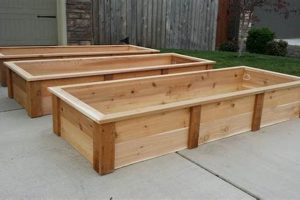
A garden bed constructed in the form of an “L” creates an enclosure elevated above the existing ground level. This design offers a distinct spatial configuration suitable for various gardening needs and landscape designs. For example, such a structure can efficiently utilize corner spaces or create a defined border within a larger garden area.
The benefits of this elevated structure include improved soil drainage, easier access for individuals with mobility limitations, and enhanced aesthetic appeal within a garden setting. Historically, raised beds have been employed to improve growing conditions in areas with poor soil quality or limited space. The “L” shape further optimizes these benefits by providing extended linear growing space within a compact footprint.
The following sections will delve into the practical aspects of building and maintaining this type of garden feature, covering considerations such as material selection, construction techniques, planting strategies, and ongoing care requirements to maximize its functionality and longevity.
Tips for Optimizing an “L” Shaped Raised Garden
The following guidelines provide practical advice for constructing and maintaining an elevated garden bed with an “L” shaped configuration. Implementing these suggestions will enhance the structural integrity, productivity, and aesthetic appeal of this garden feature.
Tip 1: Corner Reinforcement: Pay particular attention to reinforcing the corner joint of the “L” shape. Employ robust fastening methods, such as galvanized screws or metal brackets, to prevent separation due to soil pressure and seasonal temperature fluctuations. A well-reinforced corner will contribute significantly to the overall structural stability.
Tip 2: Soil Composition: Utilize a well-draining soil mix specifically formulated for raised beds. This typically includes a blend of topsoil, compost, and perlite or vermiculite. Proper soil composition will promote healthy root development and prevent waterlogging, which can lead to root rot.
Tip 3: Sun Exposure Considerations: Analyze sun exposure patterns throughout the day to determine optimal plant placement. Taller plants should be positioned strategically to avoid shading shorter, sun-loving varieties. Understanding sun patterns will maximize photosynthetic activity and plant growth.
Tip 4: Irrigation Planning: Implement an efficient irrigation system tailored to the dimensions and shape of the garden. Drip irrigation or soaker hoses are recommended to deliver water directly to the roots, minimizing water waste and reducing the risk of fungal diseases. Consistent and targeted watering practices will conserve resources and support plant health.
Tip 5: Plant Selection and Spacing: Choose plant varieties that are well-suited to the climate and growing conditions of the region. Adhere to recommended spacing guidelines to prevent overcrowding, which can hinder air circulation and increase susceptibility to pests and diseases. Thoughtful plant selection and spacing contribute to a thriving and visually appealing garden.
Tip 6: Material Selection for Longevity: Opt for durable, weather-resistant materials for constructing the raised bed. Untreated lumber may decompose rapidly, while treated lumber may contain chemicals that can leach into the soil. Consider naturally rot-resistant wood, such as cedar or redwood, or composite materials designed for outdoor use. Durable materials extend the lifespan of the garden and minimize maintenance requirements.
Tip 7: Internal Support for Tall Structures: If constructing a tall “L” shaped raised bed (over 24 inches), consider adding internal supports to prevent bowing or structural failure. Cross-bracing or vertical posts can provide additional stability, particularly when the bed is filled with heavy soil. Adequate internal support safeguards against structural issues and ensures the longevity of the garden.
Implementing these tips can significantly enhance the functionality and longevity of an elevated garden of this nature. Careful planning and construction will yield a productive and aesthetically pleasing garden space.
The following sections will explore advanced techniques for maximizing yields and managing pests and diseases within an “L” shaped configuration.
1. Corner space optimization

An “L” shaped raised garden, by its inherent geometry, presents unique opportunities and challenges regarding corner space utilization. The internal corner formed by the “L” creates an area that, if not thoughtfully planned, can become underutilized or even detrimental to plant growth. Poor space optimization in this area can lead to reduced yields, increased susceptibility to pests and diseases due to inadequate air circulation, and an overall inefficient use of the available growing area. An example of this is failing to account for the mature size of plants placed within the corner; overcrowding can result in stunted growth and diminished productivity for all plants within the bed.
Effective corner space optimization within an “L” shaped raised garden involves selecting plant varieties that are well-suited to the specific microclimate and spatial constraints of the corner. For instance, shade-tolerant herbs or compact vegetable varieties can thrive in corners that receive less direct sunlight. Trailing or vining plants, such as strawberries or certain types of tomatoes, can be strategically positioned to cascade over the edges of the “L,” maximizing vertical space and creating a visually appealing effect. Furthermore, the use of vertical supports or trellises within the corner can enable the cultivation of climbing plants, further enhancing space utilization and increasing overall yields. Careful consideration of plant spacing is paramount to ensure adequate airflow and prevent the development of fungal diseases.
In conclusion, corner space optimization is a critical component of successful cultivation within an “L” shaped raised garden. Failure to address this aspect can negate many of the benefits associated with raised bed gardening. By implementing strategic plant selection, utilizing vertical supports, and adhering to appropriate spacing guidelines, gardeners can maximize the productivity and aesthetic appeal of their “L” shaped raised beds, transforming a potentially problematic area into a thriving focal point within the garden.
2. Soil drainage improvement

The “L” shaped raised garden inherently facilitates soil drainage improvement compared to traditional in-ground gardening. By elevating the growing medium above the native soil, the raised bed circumvents issues associated with compacted or poorly draining ground conditions. The raised structure allows for the implementation of a customized soil mix, typically containing a higher proportion of organic matter and drainage-promoting amendments like perlite or vermiculite. This controlled soil environment mitigates the risk of waterlogging, a condition that can lead to root rot, nutrient deficiencies, and ultimately, plant death. The physical barrier created by the raised bed prevents the upward migration of water from the underlying soil, further contributing to enhanced drainage capabilities. For example, in areas with heavy clay soils, constructing this type of garden eliminates the need for extensive soil remediation, providing a well-draining environment for plants that are sensitive to excessive moisture.
Effective soil drainage in this garden structure is crucial for optimizing plant health and maximizing yields. Proper drainage allows for adequate aeration of the root zone, enabling roots to efficiently absorb nutrients and water. Furthermore, well-drained soil reduces the risk of fungal diseases that thrive in overly moist conditions. Gardeners should regularly monitor soil moisture levels and adjust watering practices accordingly to prevent overwatering. The addition of drainage layers, such as gravel or crushed stone, at the base of the raised bed can further enhance drainage capacity, particularly in areas with persistent drainage problems. Choosing plant varieties that are adapted to well-drained conditions is also essential for success. For example, Mediterranean herbs like rosemary and thyme thrive in well-drained soil, while plants that prefer consistently moist conditions may not perform as well in a raised bed environment unless specific measures are taken to retain moisture.
In summary, the improved soil drainage offered by “L” shaped raised gardens is a significant advantage, contributing to healthier plant growth and increased productivity. This benefit stems from the physical elevation of the growing medium and the ability to control soil composition. While raised beds inherently improve drainage, ongoing monitoring and appropriate management practices are necessary to maintain optimal soil moisture levels and prevent drainage-related problems. Understanding and actively managing soil drainage is therefore essential for maximizing the potential of this gardening method, especially in areas with heavy rainfall or poorly draining native soils.
3. Accessibility enhancements
Elevated gardening structures inherently offer accessibility advantages, a characteristic significantly amplified by the “L” shaped configuration. This design provides a unique combination of ergonomic benefits and spatial optimization, facilitating ease of use for individuals with varying physical capabilities. The raised height reduces the need for bending or kneeling, while the shape offers convenient access from multiple sides.
- Reduced Physical Strain
The elevated height of the raised bed minimizes the physical strain associated with traditional gardening. The “L” shape allows users to approach the garden from different angles, further reducing the need for awkward postures or excessive reaching. This is particularly beneficial for individuals with back pain, arthritis, or limited mobility. For instance, individuals using wheelchairs or mobility aids can often access a greater portion of the garden surface due to the open design and raised elevation.
- Optimized Working Height
The height of the raised bed can be customized to suit the individual gardener’s needs, optimizing the working height for various tasks such as planting, weeding, and harvesting. This customization promotes a more comfortable and ergonomic gardening experience, reducing the risk of strain injuries. For example, a taller raised bed can eliminate the need for bending altogether, allowing gardeners to work in an upright position.
- Improved Tool Access and Storage
The “L” shape provides convenient space for storing gardening tools and supplies close at hand. This proximity minimizes the need to move around excessively, further reducing physical exertion. Shelves or hooks can be integrated into the design to keep tools organized and easily accessible. For instance, a small shelf can be built into the corner of the “L” to hold small hand tools, gloves, and watering cans.
- Enhanced Visibility and Control
The elevated perspective offered by a raised bed enhances visibility, making it easier to monitor plant health, identify pests, and control weeds. The “L” shape provides multiple viewing angles, allowing gardeners to inspect the entire garden surface without having to move around excessively. This improved visibility promotes more effective garden management and reduces the risk of overlooking potential problems. For example, noticing pests earlier allows for quicker intervention and less risk of plant damage.
These accessibility enhancements inherent in the raised configuration and amplified by the “L” shape collectively contribute to a more inclusive and enjoyable gardening experience. The design enables individuals of varying physical abilities to participate in gardening activities, promoting physical activity, mental well-being, and a connection with nature. By carefully considering the individual gardener’s needs and preferences, a custom-designed “L” shaped raised garden can provide a therapeutic and rewarding gardening experience for all.
4. Structural Support Integrity
Structural support integrity is paramount in the design and construction of any raised garden, but its importance is magnified in “L” shaped configurations. The inherent geometry of the “L” shape introduces stress points and potential weaknesses that demand careful engineering and robust construction techniques. Failure to address structural integrity can lead to deformation, collapse, and ultimately, the failure of the garden bed.
- Corner Joint Reinforcement
The corner joint, where the two sides of the “L” meet, is subjected to significant outward pressure from the contained soil. Adequate reinforcement is critical to prevent separation or failure at this point. Strategies include employing interlocking joinery, using heavy-duty fasteners such as galvanized screws or bolts, and incorporating metal brackets or corner braces. Inadequate corner reinforcement is a common cause of failure in poorly constructed raised beds, particularly when filled with heavy, moisture-laden soil.
- Wall Bracing and Support
The long, unsupported walls of the “L” shape can bow outwards over time due to the pressure of the soil. Internal bracing or external support structures are necessary to maintain the shape and prevent deformation. This may involve the use of cross-bracing, vertical posts, or external supports constructed from wood, metal, or concrete. The spacing and strength of the bracing will depend on the height of the walls and the type of soil used.
- Material Selection and Durability
The choice of materials significantly impacts the structural integrity and longevity of the raised bed. Untreated lumber is susceptible to rot and decay, while pressure-treated lumber may contain chemicals that can leach into the soil. Naturally rot-resistant woods, such as cedar or redwood, or composite materials designed for outdoor use are preferable. The thickness and quality of the materials should be sufficient to withstand the weight and pressure of the soil over time.
- Foundation and Ground Stability
The foundation upon which the raised bed rests must be stable and level to prevent settling or shifting, which can compromise the structural integrity. A well-compacted base or a layer of gravel can provide a solid foundation. In areas with unstable soil, it may be necessary to construct a more substantial foundation, such as a concrete slab or a series of concrete footings. Failure to address ground stability can lead to uneven settling, which can stress the joints and walls of the raised bed.
The structural support integrity of an “L” shaped raised garden is not merely an aesthetic concern; it is fundamental to the functionality, longevity, and safety of the structure. Careful planning, robust construction techniques, and appropriate material selection are essential to ensure that the raised bed can withstand the forces acting upon it and provide a stable and productive growing environment for years to come. Ignoring these principles can result in costly repairs, potential hazards, and a diminished gardening experience.
5. Aesthetic garden design
The incorporation of aesthetic principles into the design of a garden featuring elevated beds shaped as an “L” can significantly enhance the overall visual appeal and functionality of the outdoor space. This approach transcends mere functionality, transforming a practical gardening structure into a visually compelling landscape element.
- Spatial Division and Flow
The “L” shape inherently creates a division within the garden, allowing for the delineation of distinct planting zones or the creation of a focal point. The strategic placement of the structure can guide movement through the garden, encouraging exploration and providing visual interest at key junctures. For instance, orienting the “L” shape to frame a pathway or define a seating area can enhance the sense of enclosure and visual harmony.
- Material Selection and Texture
The materials used to construct the raised bed contribute significantly to its aesthetic impact. Natural materials such as wood or stone can create a rustic and organic feel, while more modern materials like metal or composite lumber offer a sleek and contemporary aesthetic. The texture of the materials, whether smooth or rough, can also influence the visual appeal and complement the surrounding landscape. An example would be using reclaimed wood to create a weathered, vintage aesthetic that contrasts with the clean lines of a modern garden.
- Planting Design and Color Palette
The selection and arrangement of plants within the “L” shaped raised bed play a crucial role in its aesthetic integration into the garden. Considerations include plant height, texture, color, and bloom time. Creating a balanced and harmonious composition that complements the shape of the raised bed and the surrounding landscape is essential. For example, planting cascading flowers along the edges of the “L” can soften the structure’s lines and create a visually appealing transition to the surrounding ground.
- Integration of Hardscape Elements
The incorporation of hardscape elements, such as pathways, stepping stones, and decorative features, can further enhance the aesthetic appeal of the “L” shaped raised bed. These elements can create a cohesive and visually engaging design that integrates the raised bed seamlessly into the overall garden landscape. The placement of a small water feature near the corner of the “L”, for instance, adds visual and auditory interest, while a strategically placed bench invites visitors to pause and appreciate the garden’s beauty.
The thoughtful application of these aesthetic principles transforms a practical gardening structure into a visually appealing and functional element within the landscape. The integration of spatial division, material selection, planting design, and hardscape elements allows for the creation of a cohesive and harmonious garden space that enhances both the aesthetic enjoyment and the practical utility of the “L” shaped raised bed.
Frequently Asked Questions
This section addresses common inquiries regarding the design, construction, and maintenance of elevated gardening structures with an “L” shaped configuration. The information provided aims to clarify misconceptions and offer guidance for optimal utilization of this gardening technique.
Question 1: What are the primary advantages of an “L” shaped raised garden compared to rectangular or square designs?
The “L” shape offers enhanced corner space utilization, improved accessibility from multiple sides, and the potential for creating distinct microclimates within a single structure. Rectangular and square designs may lack these specific benefits.
Question 2: What materials are most suitable for constructing an “L” shaped raised garden, considering both durability and environmental impact?
Naturally rot-resistant woods such as cedar or redwood, or recycled composite materials, offer a balance of durability and reduced environmental impact. Pressure-treated lumber should be avoided due to potential chemical leaching.
Question 3: How should the corner joint of an “L” shaped raised garden be reinforced to ensure structural stability?
The corner joint requires robust reinforcement using interlocking joinery, heavy-duty fasteners (galvanized screws or bolts), and metal brackets or corner braces to withstand soil pressure.
Question 4: What are the key considerations for soil composition in an “L” shaped raised garden to promote optimal plant growth?
A well-draining soil mix consisting of topsoil, compost, and drainage-promoting amendments like perlite or vermiculite is essential. The specific composition should be tailored to the needs of the plants being cultivated.
Question 5: How can drainage be effectively managed in an “L” shaped raised garden, particularly in areas with heavy rainfall?
Adequate drainage can be achieved by using a well-draining soil mix, incorporating a drainage layer at the base of the bed (gravel or crushed stone), and monitoring soil moisture levels to adjust watering practices accordingly.
Question 6: What strategies can be employed to optimize space utilization within the corner of an “L” shaped raised garden?
Space optimization in the corner involves selecting plant varieties suited to the specific microclimate (shade-tolerant herbs, compact vegetables), utilizing vertical supports for climbing plants, and adhering to appropriate spacing guidelines.
In summary, successful implementation of this elevated garden requires attention to structural integrity, appropriate material selection, soil composition, drainage management, and strategic space utilization.
The following section will explore advanced techniques for maximizing yields and managing pests and diseases within this garden feature.
Conclusion
The preceding exploration of “l shaped raised garden” constructs elucidates critical aspects pertaining to their design, construction, and effective utilization. Emphasis has been placed on structural integrity, material selection, soil management, and spatial optimization within the confines of this unique geometric configuration. The inherent benefits of this type of garden, including improved accessibility and enhanced aesthetic integration into diverse landscapes, have been thoroughly examined.
The successful implementation of these principles necessitates a diligent and informed approach. By adhering to the guidelines and recommendations outlined, individuals can effectively leverage the distinct advantages afforded by this particular configuration. The enduring value lies in the ability to cultivate sustainable and productive growing environments while maximizing spatial efficiency and minimizing physical strain. Future research and development in this area may lead to further advancements in design and construction techniques, optimizing the performance and longevity of this increasingly prevalent gardening method.