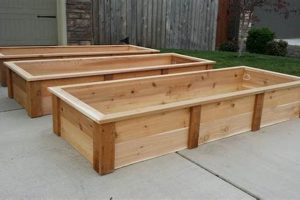
The utilization of flattened corrugated fiberboard as a component in elevated planting structures represents a sustainable gardening technique. This practice typically involves layering the material as a base within the bed, serving as a weed barrier and eventually decomposing to enrich the soil. For instance, gardeners might place overlapping sheets before adding soil and compost to a newly constructed or replenished elevated planting area.
This method offers several advantages, including suppression of unwanted vegetation, retention of moisture, and introduction of organic matter into the soil as it breaks down. Historically, gardeners have sought cost-effective and environmentally conscious approaches to preparing planting areas. Employing discarded fiberboard aligns with these goals, reducing reliance on synthetic weed control measures and diverting waste from landfills.
The subsequent sections will elaborate on the preparation and application of this material, its decomposition process, potential benefits and drawbacks, and a comparison with alternative methods for weed control and soil amendment in elevated planting contexts. Emphasis will be placed on best practices for ensuring optimal results and long-term garden health.
Tips for Using Cardboard in Raised Garden Beds
Effective application of corrugated fiberboard in elevated planting structures requires careful consideration. The following tips outline best practices for maximizing its benefits while minimizing potential drawbacks.
Tip 1: Remove all tape and labels. Adhesives and inks may contain undesirable substances that could leach into the soil. Thorough removal ensures a cleaner decomposition process.
Tip 2: Use plain, unprinted fiberboard whenever possible. Colored inks may contain heavy metals. Opt for brown, unbleached varieties to mitigate potential contamination.
Tip 3: Thoroughly wet the material before layering. Moisture facilitates decomposition and helps the fiberboard conform to the shape of the bed, creating a more effective barrier.
Tip 4: Overlap the sheets significantly. Adequate overlap prevents weeds from growing through gaps and ensures comprehensive coverage of the soil surface.
Tip 5: Layer with nitrogen-rich materials. Alternating fiberboard with green waste like grass clippings or vegetable scraps accelerates decomposition by providing essential nutrients for soil microbes.
Tip 6: Allow sufficient time for decomposition before planting. Depending on climate and moisture levels, decomposition may take several weeks to several months. Patience is crucial for optimal soil preparation.
Tip 7: Monitor for invasive weeds. While effective, this method may not completely eliminate weed growth. Regular inspection and removal are essential for maintaining a healthy planting area.
Adhering to these guidelines promotes a sustainable and effective weed control strategy, enriching the soil and contributing to the overall health and productivity of the elevated planting structure.
The subsequent section will delve into potential issues, such as the type of material to avoid, and address common misconceptions surrounding the use of corrugated fiberboard in this application.
1. Decomposition Enhancement

The decomposition process is a critical factor influencing the success of utilizing corrugated fiberboard in elevated planting structures. Enhancing this process accelerates nutrient release and soil improvement, maximizing the benefits of this gardening technique.
- Nitrogen Amendment
The addition of nitrogen-rich materials, such as grass clippings, coffee grounds, or aged manure, accelerates the breakdown of the fiberboard. These amendments provide the necessary nutrients for soil microbes, which are essential for decomposition. Insufficient nitrogen can slow the process, delaying the release of nutrients into the soil.
- Moisture Management
Adequate moisture levels are crucial for microbial activity. Regularly wetting the material, especially during dry periods, maintains optimal conditions for decomposition. Conversely, excessive moisture can lead to anaerobic conditions, hindering decomposition and potentially producing undesirable odors. Consistent moisture management is therefore essential.
- Surface Area Maximization
Increasing the surface area of the fiberboard exposed to microbial activity accelerates decomposition. Shredding or tearing the material into smaller pieces before layering promotes faster breakdown compared to using large, intact sheets. This practice enhances the rate at which the fiberboard integrates into the soil.
- Soil Contact
Ensuring direct contact between the fiberboard and the soil facilitates microbial colonization and decomposition. Incorporating a thin layer of soil or compost between the material layers provides a conducive environment for microbial activity, enhancing the overall decomposition rate and improving soil structure. This integration fosters a synergistic relationship between the material and the surrounding soil.
Optimizing decomposition through nitrogen amendment, moisture management, surface area maximization, and soil contact enhances the effectiveness of incorporating corrugated fiberboard into elevated planting structures. These strategies contribute to improved soil health, efficient nutrient cycling, and a sustainable gardening practice. The resulting enriched soil supports robust plant growth and minimizes reliance on synthetic fertilizers.
2. Weed Suppression Efficacy

The utilization of corrugated fiberboard in elevated planting structures directly impacts weed suppression efficacy. This material acts as a physical barrier, preventing sunlight from reaching weed seeds in the soil below. The absence of light inhibits germination, thereby reducing weed emergence. The effectiveness of this barrier is contingent upon several factors, including the thickness of the material, the degree of overlap between sheets, and the presence of any perforations or gaps. A single layer of thin fiberboard may prove less effective than multiple layers of thicker material, particularly against persistent or aggressive weed species. For example, a gardener facing a severe bindweed infestation might require a more robust fiberboard barrier with substantial overlap to achieve satisfactory weed control.
Proper implementation of the technique, therefore, becomes crucial. Prior to application, existing weeds should be removed to prevent them from growing through the fiberboard as it decomposes. Overlapping sheets by at least six inches is generally recommended to minimize gaps. Furthermore, securing the edges with soil or other materials helps prevent wind or animals from lifting the barrier and allowing weeds to penetrate. The long-term success of weed suppression also depends on the rate of decomposition. As the material breaks down, its effectiveness diminishes, necessitating periodic replenishment or alternative weed control measures.
In summary, corrugated fiberboard offers a viable method for suppressing weeds in elevated planting structures. However, its effectiveness is determined by the quality of the material, the application technique, and the specific weed species present. While not a foolproof solution, it represents a sustainable and cost-effective approach when implemented correctly, providing a foundation for a weed-free planting environment. Challenges remain in managing aggressive weeds and maintaining the barrier over extended periods.
3. Material Suitability

Material suitability is paramount when considering the implementation of corrugated fiberboard in elevated planting structures. The characteristics of the fiberboard directly influence its performance, longevity, and impact on the growing environment. Selecting appropriate fiberboard types and avoiding unsuitable materials is critical for achieving desired outcomes.
- Ink Composition
The presence and composition of inks on fiberboard surfaces significantly impact its suitability. Colored inks, particularly those containing heavy metals, pose a potential contamination risk to the soil and subsequent plant uptake. Plain, unprinted fiberboard is the preferred option. When printed fiberboard is unavoidable, choosing options with soy-based or other non-toxic inks mitigates potential environmental harm. The origin and certification of inks, if available, offer further reassurance regarding their safety.
- Adhesive Type
The adhesives used to bind the corrugated layers of fiberboard can also affect its suitability. Some adhesives contain synthetic compounds that may leach into the soil as the material decomposes. Fiberboard bonded with natural adhesives, such as starch-based glues, represents a more environmentally friendly choice. Investigating the adhesive composition, although often difficult, contributes to informed decision-making. The absence of strong chemical odors may indicate the use of more benign adhesives.
- Coating Presence
Some fiberboard is coated with wax or plastic to enhance its water resistance. While these coatings may prolong the material’s lifespan, they also impede decomposition and can introduce undesirable chemicals into the soil. Uncoated fiberboard is generally more suitable for elevated planting structures, as it decomposes more readily and contributes organic matter to the soil. The presence of a coating can be determined through visual inspection and a simple water resistance test.
- Fiber Source
The source of the fiber used to manufacture the fiberboard impacts its environmental sustainability. Fiberboard made from recycled materials is a more environmentally responsible choice than fiberboard made from virgin wood pulp. The percentage of recycled content, often indicated on the fiberboard, provides a measure of its sustainability. Opting for fiberboard certified by reputable organizations, such as the Forest Stewardship Council (FSC), ensures that the material originates from responsibly managed forests.
The aforementioned facets of material suitability collectively dictate the overall viability of employing corrugated fiberboard in elevated planting structures. Prioritizing unprinted, uncoated fiberboard bonded with natural adhesives and derived from recycled sources minimizes potential environmental risks and maximizes the benefits of this sustainable gardening practice. Careful consideration of these factors contributes to a healthier and more productive growing environment.
4. Soil Enrichment Impact

The employment of corrugated fiberboard within elevated planting structures precipitates a tangible impact on soil enrichment. As this material undergoes decomposition, it introduces organic matter into the soil matrix. This influx of organic material improves soil structure, enhancing its capacity to retain moisture and nutrients. The process directly affects the tilth of the soil, making it more amenable to root penetration and overall plant growth. For instance, a dense clay soil, amended with decomposed fiberboard, exhibits improved aeration and drainage, mitigating the risk of waterlogging and root rot. The gradual release of nutrients during decomposition also serves as a slow-release fertilizer, fostering sustained plant development.
The degree of soil enrichment is contingent on several factors, including the composition of the fiberboard itself, the rate of decomposition, and the initial condition of the soil. Fiberboard derived from recycled materials contributes additional micronutrients and trace elements, further enhancing soil fertility. The application of nitrogen-rich amendments, such as compost or manure, alongside the fiberboard accelerates the decomposition process and amplifies the soil enrichment effect. Consider a raised bed initially composed of nutrient-poor topsoil; the incorporation of fiberboard, coupled with regular composting, can transform it into a fertile and productive growing medium over time. This transformation illustrates the practical significance of understanding and harnessing the soil enrichment potential of corrugated fiberboard.
In conclusion, the incorporation of corrugated fiberboard into elevated planting structures exerts a positive influence on soil enrichment. This impact manifests through improved soil structure, enhanced moisture and nutrient retention, and the sustained release of essential elements. While the extent of enrichment varies based on material properties and application techniques, the strategic use of fiberboard remains a viable method for enhancing soil fertility and promoting healthy plant growth. Challenges primarily involve ensuring the absence of contaminants in the fiberboard and managing the decomposition process to optimize nutrient release. This practice aligns with broader goals of sustainable gardening and resource management.
5. Environmental Benefits

The employment of corrugated fiberboard in elevated planting structures yields several environmental benefits, aligning with principles of sustainability and resource conservation. These benefits stem from the material’s inherent properties and its role in reducing waste and promoting soil health.
- Waste Diversion
Utilizing discarded fiberboard diverts a significant amount of material from landfills, reducing the burden on waste management systems. Fiberboard, a readily available waste product, can be repurposed instead of contributing to landfill volume. This practice conserves landfill space and reduces the environmental impact associated with landfill operations, such as methane emissions and leachate contamination. Municipal recycling programs often struggle to process all incoming fiberboard; direct reuse in gardening applications offers a practical alternative.
- Reduced Chemical Usage
Fiberboard serves as a natural weed barrier, diminishing the need for synthetic herbicides. Herbicides pose risks to soil health, water quality, and non-target organisms. By suppressing weed growth through a physical barrier, fiberboard minimizes reliance on these chemical inputs, promoting a more ecologically balanced gardening practice. The reduced exposure to herbicides benefits human health and reduces the environmental footprint of gardening activities.
- Carbon Sequestration
As fiberboard decomposes, it contributes organic matter to the soil, enhancing its carbon sequestration capacity. Healthy soils act as carbon sinks, removing carbon dioxide from the atmosphere and storing it in the form of organic compounds. This process helps mitigate climate change by reducing atmospheric greenhouse gas concentrations. The incorporation of fiberboard, therefore, contributes to a more sustainable carbon cycle.
- Resource Conservation
Repurposing fiberboard reduces the demand for virgin resources, such as wood pulp, used in the production of new materials. This conservation effort minimizes deforestation, protects biodiversity, and reduces the energy consumption associated with resource extraction and manufacturing processes. By utilizing existing materials, gardeners contribute to a more circular economy and reduce their overall environmental impact.
The environmental benefits of employing corrugated fiberboard in elevated planting structures are multifaceted, encompassing waste diversion, reduced chemical usage, carbon sequestration, and resource conservation. These benefits underscore the sustainability of this gardening practice and its potential to contribute to a more environmentally responsible approach to food production and landscaping. Challenges remain in ensuring the absence of contaminants in the fiberboard and promoting widespread adoption of this technique.
6. Application Technique
The successful integration of corrugated fiberboard into elevated planting structures hinges critically on the application technique employed. This aspect encompasses several key elements that collectively determine the effectiveness of the material as a weed suppressant and soil amendment.
- Preparation of the Fiberboard
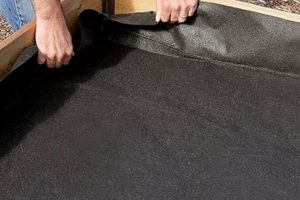
Proper preparation is essential. This involves removing all tape, labels, and any non-paper components from the fiberboard. These elements may contain synthetic adhesives or inks that can contaminate the soil. Furthermore, the fiberboard should be cut or folded to fit the dimensions of the elevated planting structure. This ensures complete coverage of the soil surface and prevents gaps through which weeds could emerge. A common practice is to overlap the edges of the fiberboard sheets to further enhance weed suppression. Failure to adequately prepare the fiberboard can compromise its effectiveness and potentially introduce undesirable substances into the garden environment.
- Layering and Overlap
The layering technique directly impacts the efficacy of weed suppression. A single, thin layer of fiberboard may not be sufficient to prevent persistent weeds from penetrating the barrier. Multiple layers, with significant overlap between sheets, provide a more robust defense. The extent of overlap should be determined by the aggressiveness of the weed species present and the overall thickness of the fiberboard. For instance, areas prone to invasive grasses may require a greater degree of overlap compared to regions with less aggressive weed populations. The strategic layering of fiberboard is therefore crucial for maximizing its weed-suppressing capabilities.
- Moisture Management During Application
Thoroughly wetting the fiberboard during application is crucial. Moisture softens the material, allowing it to conform more closely to the shape of the elevated planting structure. This creates a tighter seal against the soil surface, further preventing weed emergence. Additionally, moisture promotes the decomposition process, which ultimately contributes to soil enrichment. Dry fiberboard is more likely to lift or shift, creating gaps that compromise its weed-suppressing function. Adequate hydration, therefore, is an integral step in the application process.
- Securing the Edges
Securing the edges of the fiberboard is essential to prevent wind or animals from lifting the material and creating gaps. This can be accomplished by burying the edges beneath the soil or weighting them down with rocks or other heavy objects. In areas with strong winds, more robust securing methods may be necessary. Failure to secure the edges can significantly reduce the effectiveness of the fiberboard as a weed barrier. Maintaining a secure barrier ensures consistent weed suppression and contributes to a healthier garden environment.
These facets of application technique collectively determine the overall success of utilizing corrugated fiberboard in elevated planting structures. Adhering to these principles ensures effective weed suppression, promotes soil enrichment, and contributes to a sustainable gardening practice. Deviations from these techniques can compromise the material’s performance and undermine its intended benefits.
Frequently Asked Questions
The following addresses common inquiries and misconceptions regarding the use of repurposed fiberboard within elevated planting structures, offering clarification and guidance for successful implementation.
Question 1: Is all fiberboard suitable for use in elevated planting structures?
No, not all fiberboard is appropriate. Fiberboard containing colored inks, glossy coatings, or synthetic adhesives should be avoided due to the potential for soil contamination. Plain, uncoated fiberboard bonded with natural glues is the preferred choice.
Question 2: Will fiberboard decompose rapidly and lose its effectiveness as a weed barrier?
The rate of decomposition varies depending on climate, moisture levels, and soil conditions. While fiberboard will eventually decompose, strategic layering and the incorporation of nitrogen-rich materials can extend its lifespan and maintain its weed-suppressing capabilities.
Question 3: Does fiberboard attract pests or create an environment conducive to disease?
When properly applied and managed, fiberboard does not typically attract pests or promote disease. However, excessive moisture can create an anaerobic environment, potentially leading to undesirable odors and hindering decomposition. Maintaining adequate drainage is crucial.
Question 4: How thick should the fiberboard layer be to effectively suppress weeds?
The optimal thickness depends on the type of weeds present and the overall quality of the fiberboard. Generally, multiple layers with significant overlap are more effective than a single, thin layer. A minimum thickness of several sheets is recommended for persistent weeds.
Question 5: Is it necessary to remove tape and labels from the fiberboard before use?
Yes, the removal of tape and labels is essential. These materials often contain synthetic adhesives and inks that can contaminate the soil and impede decomposition. Thorough removal ensures a cleaner and more environmentally sound application.
Question 6: Can fiberboard be used in conjunction with other weed control methods?
Yes, fiberboard can be effectively integrated with other weed control strategies, such as mulching or hand-weeding. This integrated approach provides a comprehensive solution for managing weed populations and promoting healthy plant growth.
In summary, the proper selection, preparation, and application of fiberboard are crucial for realizing its benefits in elevated planting structures. Addressing these frequently asked questions contributes to a more informed and successful gardening experience.
The subsequent section will provide a comparison of corrugated fiberboard with alternative methods for weed control and soil amendment in elevated planting contexts.
Conclusion
This exposition has detailed the utilization of cardboard for raised garden beds, outlining its benefits as a weed suppressant and soil amendment. Critical aspects such as material selection, application techniques, and potential environmental impacts have been addressed. The information presented emphasizes the importance of responsible implementation to maximize the advantages while minimizing potential drawbacks. Effective use of this material relies on informed decision-making and adherence to best practices.
As a sustainable gardening technique, the incorporation of cardboard offers a viable alternative to conventional methods. Continued research and conscientious application are essential to fully realize its potential and ensure long-term ecological benefits. Further investigation into the optimization of decomposition rates and the mitigation of potential contamination risks remains crucial for advancing this practice.