A structure commonly found in gardens, provides both vertical support for climbing plants and a visually appealing gateway. Typically constructed from metal, it combines the architectural form of an arch with the latticework of a support framework. Examples include those used to train roses, clematis, or grapevines, enhancing both the plant’s growth and the garden’s aesthetic.
Such constructions serve a dual purpose, supporting vigorous plant growth and creating focal points within outdoor spaces. Historically, these elements have been employed to define garden areas, frame views, and introduce a sense of depth and height. The use of durable materials, such as treated metal, ensures longevity and resilience against weather conditions, offering long-term benefits for garden design and plant health.
The subsequent sections will delve into the various design considerations, material choices, installation techniques, and plant selections pertinent to maximizing the utility and visual impact of these garden features. Detailed analysis will be provided to assist in selecting, installing, and maintaining these structures for optimal garden performance.
Enhancing Your Garden with Arched Metal Supports
The following recommendations are designed to assist in the selection, installation, and maintenance of these garden features, thereby optimizing their structural integrity and aesthetic contribution to the landscape.
Tip 1: Material Selection: Prioritize powder-coated or galvanized metal for superior rust resistance and extended lifespan. Consider the weight of mature plants when selecting the gauge of the metal. A heavier gauge will provide enhanced structural support for vigorous climbers.
Tip 2: Foundation Stability: Secure the structure by anchoring it firmly into the ground. Concrete footings are recommended for enhanced stability, particularly in areas prone to high winds or heavy plant growth. Ensure proper drainage to prevent water accumulation around the base.
Tip 3: Assembly Integrity: Follow the manufacturer’s instructions meticulously during assembly. Verify that all connections are securely fastened to prevent loosening or instability over time. Use appropriate tools to avoid damaging the metal components.
Tip 4: Plant Selection and Placement: Choose climbing plants that are appropriate for the local climate and soil conditions. Position plants strategically to encourage even growth and prevent overcrowding. Consider the mature size of the plants to avoid overloading the support structure.
Tip 5: Pruning and Training: Regularly prune and train plants to maintain their shape and encourage healthy growth. Use soft ties or plant clips to secure stems to the metal framework, avoiding any constricting materials that may damage the plants.
Tip 6: Load Distribution: Monitor the distribution of plant mass to ensure even loading of the structure. Prune strategically to balance growth and prevent excessive weight on any single area. Periodic inspection is recommended to identify and address potential structural weaknesses.
Tip 7: Soil Management: Maintain healthy soil conditions around the base of the structure to promote robust plant growth. Amend the soil with organic matter as needed to improve drainage and nutrient availability. Avoid soil compaction, which can restrict root development.
Implementing these tips will maximize the longevity and aesthetic appeal of these garden supports, providing a lasting enhancement to the outdoor environment.
The subsequent section will address common issues encountered with these structures and provide solutions for maintaining their optimal performance throughout the seasons.
1. Durability

Durability, as it pertains to these structures, represents the capacity to withstand environmental stressors and maintain structural integrity over an extended period. The material composition directly influences the item’s lifespan. For instance, uncoated steel will corrode rapidly when exposed to moisture, leading to structural weakening and eventual failure. Conversely, powder-coated or galvanized steel exhibits enhanced resistance to corrosion, thereby extending the service life of the arch. The initial investment in materials with superior durability characteristics translates to reduced maintenance costs and prolonged utility.
The impact of environmental factors on the durability of these garden features necessitates careful consideration during the selection process. In regions with harsh winters, repeated freeze-thaw cycles can compromise the structural integrity of materials that are susceptible to expansion and contraction. Similarly, exposure to intense sunlight can degrade certain coatings, leading to premature failure. A real-world example involves two identical arches installed in different microclimates; one in a shaded area and the other exposed to full sun. The arch in the shaded area may exhibit a significantly longer lifespan due to reduced UV degradation.
In summation, the durability of a garden arch dictates its long-term viability and cost-effectiveness. Selection criteria should prioritize materials known for their resistance to local environmental conditions. Understanding the causal relationship between material properties and structural longevity allows for informed decision-making, minimizing the need for frequent repairs or replacements. The practical significance lies in ensuring a lasting aesthetic and functional element within the garden landscape.
2. Stability
Stability is a paramount attribute of a garden arch metal trellis, directly influencing its ability to perform its intended functions. It determines the structure’s capacity to withstand external forces, such as wind loads, the weight of mature climbing plants, and potential ground shifting. The absence of adequate stability can lead to structural failure, resulting in collapse and potential damage to surrounding vegetation. A well-engineered foundation, coupled with robust construction materials and secure anchoring, contributes to overall stability. For instance, an arch with inadequate footings in a region prone to high winds may topple, necessitating costly repairs or complete replacement. This highlights the causal relationship between structural integrity and the environmental conditions to which it is exposed.
Practical applications of stability considerations are evident in the design and installation phases. The selection of anchoring methods should be based on soil type and anticipated wind conditions. Concrete footings offer a secure foundation in unstable soils, while ground stakes may suffice in more cohesive terrains. Moreover, the trellis’s design should account for the load-bearing capacity of the metal framework. A lightweight structure may be suitable for delicate climbing plants, whereas a heavier gauge metal is required for more vigorous species. Proper assembly, ens
uring tight connections and even weight distribution, further enhances the overall stability. An example of inadequate planning is the use of a lightweight arch to support a mature wisteria vine, which can generate significant weight and stress on the structure, leading to eventual failure. Regular inspections for loose connections or signs of corrosion are crucial for maintaining stability over time.
In conclusion, the stability of a garden arch directly impacts its longevity and functionality. The understanding of factors that contribute to this crucial attribute is essential for informed decision-making during selection, installation, and maintenance. Failure to prioritize stability can result in structural collapse, necessitating costly repairs or replacements. By considering soil conditions, wind exposure, plant weight, and material properties, one can ensure the long-term stability and aesthetic contribution of this garden element, creating a reliable and visually appealing feature within the landscape.
3. Aesthetics

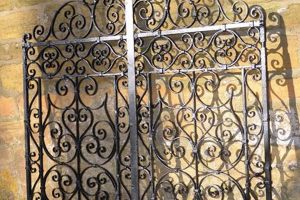
Aesthetics, in the context of a garden arch, refers to its visual appeal and the way it integrates into the overall landscape design. The choice of style, material, and finish significantly impacts the aesthetic contribution of this garden element. An ill-suited arch can detract from the visual harmony of the garden, while a well-chosen design enhances its beauty and creates a focal point. The archs aesthetic is intrinsically linked to its surroundings; therefore, careful consideration of existing architectural styles, color palettes, and plant selections is crucial. For instance, a rustic, wrought-iron arch might complement a cottage garden, while a sleek, modern design better suits a contemporary landscape. The aesthetic impact is a direct result of the arch’s design, placement, and the integration of climbing plants, demonstrating a clear cause-and-effect relationship.
The practical application of aesthetic considerations involves carefully evaluating the archs form, scale, and detailing. The form, whether arched, gabled, or straight, must align with the garden’s structural and visual language. The scale must be proportional to the surrounding elements to avoid overpowering or being dwarfed by the landscape. Detailing, such as decorative scrollwork or geometric patterns, contributes to the overall aesthetic impression. For example, a simple, unadorned metal arch might be the ideal choice for a minimalist garden where the emphasis is on clean lines and geometric shapes. Conversely, a more ornate arch with intricate detailing could serve as a statement piece in a traditional garden. The choice of climbing plants also significantly impacts the arch’s aesthetic. Selecting plants with complementary colors, textures, and growth habits is essential for creating a cohesive and visually appealing design. For instance, training climbing roses over a metal arch creates a classic, romantic aesthetic, while using climbing hydrangeas adds a touch of understated elegance.
In conclusion, aesthetics are an integral component of a garden arch, influencing its visual impact and its ability to enhance the overall landscape design. By carefully considering the arch’s style, material, scale, and detailing, and by integrating it harmoniously with the surrounding elements, one can create a visually stunning feature that elevates the garden’s aesthetic appeal. Challenges may arise in balancing personal preferences with the existing garden style, but a thoughtful approach to aesthetic design ensures a cohesive and visually pleasing result. This understanding is not merely about superficial appearance; it’s about creating a harmonious and inviting outdoor space that enhances the overall quality of life.
4. Plant Support

The fundamental purpose of a garden arch metal trellis is to provide structured plant support. Without the trellis component, climbing plants lack a framework for vertical growth, leading to sprawling, unkempt vegetation that fails to achieve its aesthetic or functional potential. The cause-and-effect relationship is direct: the trellis provides a physical structure; the plants respond by utilizing it for upward growth. This support is crucial for species like climbing roses, grapevines, and clematis, which rely on external structures to display their foliage and flowers effectively. A garden arch, therefore, is incomplete without the provision for plant support, as its primary function is to facilitate vertical plant growth and create an aesthetically pleasing architectural feature. For example, a rose arch without a trellis would simply be an archway, unable to showcase the roses climbing habit.
Practical applications of plant support within a garden arch context involve selecting the appropriate trellis design for the specific plant species. Different plants require varying degrees of support, based on their growth habit, stem thickness, and weight. A robust metal trellis with closely spaced bars is suitable for heavy climbers like wisteria, while a lighter structure with wider spacing may suffice for annual vines like morning glories. Furthermore, the design of the trellis should consider the accessibility for pruning and maintenance. A trellis that is too densely packed can hinder the ability to reach and manage the plant growth, leading to neglect and potential pest infestations. One example is the strategic placement of horizontal wires or mesh within the arch structure to encourage lateral growth and create a fuller, more balanced appearance.
In summary, the connection between plant support and a garden arch is inextricable. The trellis component is not merely an optional add-on but an integral part of the structure, enabling the vertical growth and aesthetic presentation of climbing plants. Challenges arise in selecting the appropriate trellis design for specific plant species and ensuring accessibility for maintenance. However, a thoughtful approach to plant support is essential for creating a functional and visually appealing garden feature that enhances the overall landscape. The broader theme is that effective garden design necessitates a deep understanding of plant needs and the provision of appropriate support structures to facilitate their healthy growth and aesthetic display.
5. Installation

Installation is a critical phase in the lifecycle of a garden arch metal trellis, directly impacting its stability, longevity, and aesthetic contribution to the landscape. Improper installation can negate the benefits of even the highest-quality materials and design. The cause-and-effect relationship is evident: flawed installation leads to structural instability, reduced lifespan, and diminished visual appeal. For instance, failing to adequately secure the arch to the ground can result in its collapse during high winds or under the weight of mature climbing plants. Therefore, the installation process is not merely a procedural step but a fundamental component that determines the overall success of the garden feature. A real-life example involves two identical arches; one installed with proper concrete footings and the other simply placed on the soil. The former will likely withstand years of use, while the latter might topple within a single growing season, highlighting the practical significance of correct installation technique
s.
Practical applications of proper installation techniques include thorough site preparation, accurate measurements, and the use of appropriate anchoring methods. Site preparation involves leveling the ground and ensuring adequate drainage to prevent water accumulation around the base of the arch. Accurate measurements are crucial for ensuring that the arch is properly aligned and that its dimensions are compatible with the surrounding landscape. The selection of anchoring methods should be based on soil type and anticipated wind conditions. Concrete footings offer superior stability in unstable soils, while ground stakes may suffice in more cohesive terrains. Proper assembly, following the manufacturer’s instructions meticulously, is also essential for maintaining structural integrity. An example of a challenge often encountered is the difficulty of installing an arch on uneven terrain, which requires careful grading and leveling to ensure a stable foundation. Furthermore, understanding local building codes and regulations is important to avoid potential legal issues associated with improper installations.
In conclusion, the installation process is intrinsically linked to the overall performance and longevity of a garden arch metal trellis. Overlooking this crucial phase can lead to structural instability, reduced lifespan, and diminished aesthetic appeal. While challenges may arise during the installation process, careful planning, accurate measurements, and the use of appropriate techniques can mitigate these risks. The broader theme is that effective garden design necessitates a holistic approach, where every stage, from material selection to installation, contributes to the creation of a functional and visually appealing outdoor space. Recognizing the practical significance of proper installation ensures that the garden arch fulfills its intended purpose for years to come.
6. Maintenance

Sustained functionality and aesthetic appeal of a structure is intrinsically linked to adherence to regular care protocols. Neglecting maintenance duties inevitably leads to degradation, diminished structural integrity, and increased vulnerability to environmental stressors.
- Rust Prevention and Treatment
Metallic components are susceptible to corrosion, particularly in humid environments or regions with high precipitation. Regular inspection for rust is crucial. Prevention involves the application of protective coatings, such as rust-resistant paint or sealants. Treatment of existing rust entails removal via wire brushing or chemical treatments, followed by the application of a protective barrier. Failure to address rust can lead to structural weakening and eventual collapse of the construction.
- Structural Integrity Checks
Periodic inspection of joints, fasteners, and anchoring points is essential to ensure stability. Over time, connections may loosen due to wind stress, plant weight, or ground shifting. Tightening loose bolts, replacing damaged fasteners, and reinforcing weak points can prevent catastrophic failure. For example, welding repairs may be necessary for cracks in the metal framework.
- Plant Management and Pruning
Climbing plants, while adding aesthetic value, can also exert significant stress on the structure. Uncontrolled growth can increase wind resistance and overload the metal framework. Regular pruning is necessary to manage plant weight, maintain airflow, and prevent damage to the trellis. Removing dead or diseased branches also promotes plant health and reduces the risk of structural damage.
- Cleaning and Debris Removal
Accumulation of dirt, leaves, and other debris can promote corrosion and harbor pests. Regular cleaning with water and a mild detergent removes surface contaminants and prevents the buildup of harmful substances. Clearing debris from the base of the structure also improves drainage and reduces the risk of fungal growth.
These maintenance facets are interconnected and contribute to the long-term viability. Addressing each area proactively minimizes the risk of costly repairs and ensures that the garden feature continues to enhance the landscape for an extended period. Prioritizing these maintenance tasks constitutes a cost-effective strategy for preserving both structural integrity and aesthetic value.
Frequently Asked Questions
This section addresses common inquiries concerning the selection, installation, and maintenance of these garden features, aiming to provide clarity and guidance for prospective and current owners.
Question 1: What factors should be considered when selecting the appropriate metal for garden arch construction?
Material selection necessitates careful evaluation of factors such as climate, budget, and aesthetic preferences. Galvanized steel offers robust corrosion resistance and is suitable for diverse climates. Wrought iron, while aesthetically appealing, requires regular maintenance to prevent rust. Powder-coated steel provides a balance of durability and aesthetic versatility. Aluminum, although lightweight, may lack the structural strength required for supporting heavy climbing plants. Budget constraints and the anticipated lifespan of the structure are also important considerations.
Question 2: How can the stability of a structure be maximized, particularly in regions prone to high winds?
Maximizing stability involves proper anchoring techniques and foundation design. Concrete footings provide a secure foundation, particularly in unstable soils. Ground stakes, while less robust, may suffice in more cohesive terrains. The depth and width of the footings should be proportional to the size and weight of the arch. Furthermore, selecting a design with inherent stability, such as a wider base or a reinforced frame, can enhance resistance to wind loads.
Question 3: What are the recommended maintenance practices for extending the lifespan of metal constructions?
Regular maintenance is crucial for preventing corrosion and structural degradation. Periodic cleaning with water and a mild detergent removes surface contaminants. Inspecting and tightening loose fasteners prevents instability. Applying rust-resistant paint or sealant to exposed metal surfaces protects against moisture and oxidation. Removing dead or diseased plant matter prevents the accumulation of debris that can promote corrosion. Addressing minor issues promptly prevents them from escalating into more significant problems.
Question 4: How does the selection of climbing plants impact the structural integrity?
The choice of climbing plants directly affects the load-bearing demands on the trellis. Vigorous climbers, such as wisteria or trumpet vine, can generate significant weight and stress on the structure. Selecting plants with moderate growth habits and managing their size through regular pruning minimizes the risk of overloading the framework. Ensuring that the trellis design is appropriate for the selected plants is essential for maintaining structural integrity.
Question 5: What are the potential consequences of improper installation techniques?
Improper installation can lead to structural instability, premature failure, and safety hazards. Inadequate anchoring can result in the arch toppling over during high winds or under the weight of plants. Misaligned components can weaken the overall structure. Failing to follow the manufacturer’s instructions can void warranties and compromise the integrity of the design. Professional installation is recommended for c
omplex designs or challenging site conditions.
Question 6: How does the aesthetic design impact its overall contribution to the garden landscape?
The aesthetic design significantly influences its ability to enhance the visual appeal of the garden. Selecting a style that complements the existing architectural and landscape features creates a cohesive and harmonious design. Considering factors such as color, scale, and detailing ensures that the arch integrates seamlessly into its surroundings. The careful selection and placement of climbing plants further enhances the aesthetic impact, creating a focal point that enhances the beauty of the garden.
In essence, informed decision-making regarding selection, installation, and maintenance is vital for realizing the full potential of garden supports. A comprehensive understanding of these elements ensures the creation of a durable, aesthetically pleasing, and structurally sound garden feature.
The subsequent section will address potential challenges and troubleshooting techniques associated with maintaining these garden structures, providing solutions for ensuring long-term performance and aesthetic appeal.
Conclusion
The preceding discussion has presented a comprehensive overview of the structural, aesthetic, and functional considerations pertinent to garden arch metal trellis. The attributes of durability, stability, appropriate plant support, installation, and necessary maintenance have been examined, highlighting their individual and collective importance in ensuring the longevity and utility of these garden features. Key elements such as material selection, anchoring techniques, and pruning strategies have been addressed, providing a framework for informed decision-making in selection, installation, and upkeep.
The informed application of these principles is essential to realizing the full potential of garden arch metal trellis as an enduring and aesthetically valuable addition to the landscape. Continued adherence to best practices in maintenance and a commitment to understanding the interplay between structural integrity and environmental factors will safeguard the investment and ensure sustained functionality. Further research and innovation in materials science and horticultural techniques will likely contribute to even more resilient and visually appealing designs in the future.