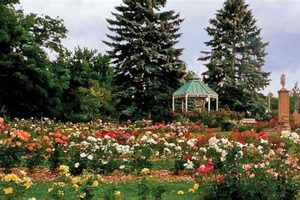
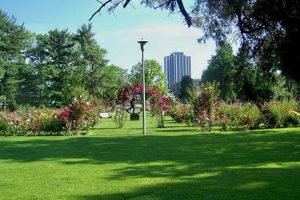
Areas designed for children’s recreation, frequently incorporating elements of horticultural beauty, enhance community spaces. Such locations often blend play structures with aesthetically pleasing floral arrangements, providing dual benefits for children and adults alike. For example, a dedicated space might feature swings and climbing frames adjacent to carefully cultivated rose bushes and other flowering plants.
The presence of these spaces contributes significantly to both physical and mental well-being. Children benefit from increased opportunities for outdoor activity and social interaction, while the visual appeal of the surrounding landscape fosters a sense of tranquility and appreciation for nature. Historically, these integrated spaces have served as gathering places, strengthening community bonds and providing a safe environment for intergenerational interaction.
Further discussion will explore specific design considerations, safety standards, and the environmental impact associated with these types of recreational facilities. Examination of material choices, accessibility features, and long-term maintenance strategies will also be addressed. These factors are crucial in ensuring the enduring success and benefit of these communal spaces.
Design and Maintenance Considerations
The following guidelines address crucial aspects of establishing and maintaining a recreational area that seamlessly integrates play equipment with cultivated botanical elements.
Tip 1: Site Selection: Prioritize locations with adequate sunlight exposure to support the growth of roses and other flowering plants. Sufficient space should be allocated to accommodate both play structures and horticultural displays, ensuring clear separation to prevent damage.
Tip 2: Plant Selection: Choose rose varieties and complementary plants that are non-toxic and relatively thornless to minimize potential injuries to children. Consider disease resistance and low-maintenance cultivars to reduce ongoing upkeep requirements.
Tip 3: Safety Surfacing: Implement impact-attenuating surfacing materials under and around play equipment to comply with safety standards and mitigate the risk of fall-related injuries. Regularly inspect and maintain the surfacing to ensure its effectiveness.
Tip 4: Fencing and Barriers: Install appropriate fencing or barriers to delineate the boundaries of the play area and protect the surrounding rose beds from accidental damage. Clear signage should be posted to indicate designated play zones and restricted areas.
Tip 5: Accessibility: Ensure that the recreational area is accessible to children of all abilities by incorporating inclusive play equipment and providing wheelchair-accessible pathways throughout the space. Compliance with accessibility standards is essential.
Tip 6: Irrigation and Drainage: Establish an efficient irrigation system that provides adequate water to the roses and other plants while minimizing water waste. Ensure proper drainage to prevent waterlogging and root rot.
Tip 7: Regular Maintenance: Implement a comprehensive maintenance schedule that includes pruning, fertilizing, and pest control for the roses and other plants. Regular inspection and repair of play equipment are also crucial for maintaining safety and functionality.
Adherence to these recommendations will contribute to the creation of a safe, aesthetically pleasing, and sustainable recreational environment that benefits both children and the wider community.
Further investigation into community engagement strategies will be addressed in the subsequent section.
1. Safety Surfacing Standards

Safety surfacing standards are a crucial element in the design and implementation of areas blending recreational play with horticultural displays. The potential for falls in play environments necessitates surfaces that mitigate impact and reduce the risk of injury. Without adherence to established safety surfacing standards, spaces become liabilities, exposing users to undue harm. Real-world examples show that utilizing engineered wood fiber or poured-in-place rubber surfaces substantially decreases the severity of fall-related injuries compared to surfaces such as grass or packed dirt.
These standards specify the critical fall height the maximum height from which a fall onto the surface will not result in a life-threatening head injury. Equipment must be positioned and surfacing materials selected to meet or exceed these requirements. Regular inspection and maintenance are essential to ensure continued compliance. Degradation, displacement, or compaction of surfacing materials can compromise their protective properties, thus requiring prompt attention. This directly links to the longevity and usability of the recreational area.
In summary, safety surfacing standards are not merely recommendations, but fundamental necessities for safeguarding children in blended play and horticultural spaces. Understanding and implementing these standards is paramount to creating environments that are both enjoyable and safe. Failure to adhere to these guidelines presents substantial legal and ethical implications, ultimately undermining the intended purpose and value of recreational areas.
2. Botanical Selection Criteria

Botanical selection represents a cornerstone of responsible design in areas that merge recreational activities with horticultural displays. The criteria guiding plant selection significantly influence safety, sustainability, and the overall aesthetic appeal of the space. Thoughtful consideration of various factors ensures the integration of plant life enhances rather than detracts from the intended functionality of the recreation area.
- Toxicity and Allergenicity
Selection prioritizes non-toxic species and those with low allergen potential. This is essential in spaces designed for children, where the risk of accidental ingestion or allergic reactions is elevated. For example, avoiding plants known to cause skin irritation or produce poisonous berries minimizes potential health hazards. Conversely, incorporating plants like lavender or chamomile, known for their calming properties and low allergenicity, enhances the sensory experience without compromising safety.
- Thorns and Prickles
Species with thorns or prickles pose a direct physical hazard, especially in play areas. The selection process emphasizes varieties that are either thornless or have minimal and manageable thorny structures. While roses are often a desired element, thornless cultivars or those with sparsely distributed thorns are preferred. Strategic placement of naturally thorny species, away from high-traffic areas, may be considered, but should always be accompanied by appropriate barriers and signage.
- Maintenance Requirements
Sustainable design involves selecting plants that are well-suited to the local climate and require minimal intervention to thrive. Drought-tolerant species reduce the need for extensive irrigation, conserving water resources. Choosing disease-resistant varieties reduces the reliance on chemical treatments, minimizing environmental impact and ensuring the health of the plant life. Low-maintenance plants also decrease the ongoing labor and expense associated with upkeep, contributing to the long-term viability of the space.
- Aesthetic Considerations
While safety and sustainability are paramount, aesthetic appeal contributes significantly to the overall user experience. Plant selection should consider bloom times, color palettes, and foliage textures to create a visually engaging and stimulating environment. Careful arrangement of plants can create focal points, define pathways, and enhance the overall sense of place. The use of native or regionally appropriate species supports local biodiversity and fosters a connection to the surrounding ecosystem.
By carefully considering these factors, botanical selection can transform a recreational space into an engaging and enriching environment. A thoughtfully curated plant palette contributes to safety, sustainability, and aesthetic beauty, enhancing the overall experience and fostering a greater appreciation for nature. This holistic approach ensures the space serves as a valuable community asset for years to come.
3. Accessibility Compliance

Accessibility compliance, pertaining to playgrounds integrating horticultural elements, ensures individuals of all abilities can fully participate in and enjoy the recreational opportunities provided. This is not merely a legal mandate, but a fundamental ethical consideration. The absence of accessible design creates barriers that exclude a portion of the population, undermining the intended community benefit of the space. For instance, pathways constructed of compacted gravel without adequate stabilization can be impassable for wheelchair users, effectively restricting their access to certain areas. Similarly, play equipment designed without consideration for users with mobility impairments limits participation and social interaction.
Practical applications of accessibility compliance involve a multifaceted approach to design and construction. Ramps with appropriate slopes and handrails provide alternative routes for individuals with mobility limitations. Sensory gardens incorporating raised planting beds allow individuals in wheelchairs to engage with the horticultural aspects of the space. Adaptive play equipment, designed to accommodate a range of physical abilities, fosters inclusive play opportunities. Careful consideration of surfacing materials ensures that the play area is navigable for individuals using mobility devices. In Concord, California, the “Todos Santos Plaza” features a playground explicitly designed for inclusivity, showcasing a successful integration of accessible play equipment, sensory elements, and accessible pathways throughout the garden area. The effectiveness of these features depends on rigorous adherence to accessibility guidelines throughout the design and construction phases.
In conclusion, accessibility compliance is an indispensable component of any playground that integrates botanical elements. The creation of inclusive spaces requires a proactive commitment to eliminating barriers and ensuring equal access for all users. Challenges may arise in balancing aesthetic considerations with accessibility requirements, but these can be overcome through innovative design solutions. By prioritizing accessibility, spaces become true community assets, fostering inclusion, and promoting the well-being of all individuals regardless of their abilities.
4. Integrated Design Planning

Integrated design planning serves as the cornerstone for the successful implementation of any recreational area that seeks to harmonize play spaces with cultivated botanical elements. The core principle recognizes the interdependence of various design aspects, including safety, accessibility, horticulture, and user experience. A failure to coordinate these elements during the planning phase often results in environments that are functionally deficient, aesthetically unappealing, or, most critically, unsafe for their intended users. Therefore, integrated design planning is not merely a procedural step but a prerequisite for achieving a cohesive and beneficial outcome.
Consider, for instance, the placement of play equipment in relation to rose bushes within such a setting. Without integrated planning, the design might overlook the potential for children to inadvertently damage the plants or, conversely, for thorny bushes to pose a hazard to children at play. Integrated design necessitates careful consideration of spatial relationships, ensuring adequate buffer zones, protective barriers, or the selection of thornless rose varieties. Furthermore, drainage solutions must accommodate the needs of both the play area and the plant life, preventing waterlogging that could damage either. The Long Hill Garden and Sculpture Park in Massachusetts exemplifies this principle, incorporating play spaces thoughtfully integrated with formal gardens to maximize enjoyment and minimize potential conflicts between diverse users.
In conclusion, integrated design planning is essential for creating recreational areas that offer a blend of playful engagement and horticultural appreciation. By proactively addressing the interconnected challenges and opportunities presented by such environments, design teams can foster spaces that are safe, accessible, sustainable, and visually appealing. The practical significance of this approach extends beyond mere aesthetics, impacting the long-term viability and community benefit of these valued spaces. It fosters synergy between human activity and natural beauty, turning a recreation area into an experience.
5. Community Engagement

Community engagement represents a critical factor in the planning, development, and sustained success of spaces that integrate play areas with horticultural features. This engagement extends beyond mere consultation, encompassing active participation and shared ownership of the project. Effective community engagement ensures that the resulting space reflects the needs, values, and preferences of those who will ultimately use and benefit from it.
- Needs Assessment and Prioritization
This facet involves actively soliciting input from community members to identify the specific recreational and horticultural needs that the space should address. Surveys, public forums, and focus groups can be employed to gather data on desired play equipment, preferred plant species, accessibility requirements, and other key design considerations. In Portland, Oregon, the “Harper’s Playground” project exemplifies this approach, with extensive community consultations informing every aspect of the playground’s design, from the selection of inclusive play structures to the incorporation of natural elements.
- Participatory Design Workshops
Engaging community members in hands-on design workshops allows them to directly contribute to the conceptualization and planning of the space. These workshops can involve collaborative brainstorming sessions, the creation of design mockups, and the evaluation of different design options. Involving children in the design process can be particularly valuable, as they often possess unique insights into play patterns and preferences. The “Imagination Playground” initiative, which provides communities with modular play components and encourages participatory design, demonstrates the potential of this approach to foster creativity and ownership.
- Volunteer Involvement in Construction and Maintenance
Providing opportunities for community members to volunteer in the construction and ongoing maintenance of the area fosters a sense of ownership and stewardship. Volunteer efforts can range from planting flowers and shrubs to assisting with the installation of play equipment and performing routine maintenance tasks. Community gardens and parks often rely heavily on volunteer labor, demonstrating the potential for such efforts to contribute to the long-term sustainability of these spaces. This also increases community members’ knowledge of maintenance and horticultural issues.
- Educational Programs and Events
Offering educational programs and events that highlight the recreational and horticultural aspects of the area can further enhance community engagement. These programs can include gardening workshops, nature walks, children’s activities, and community festivals. Such events not only provide opportunities for learning and recreation but also serve to strengthen community bonds and promote a sense of shared identity. Many botanical gardens and arboretums offer educational programs for children and adults, demonstrating the potential of these initiatives to promote environmental awareness and stewardship.
These facets of community engagement underscore the importance of involving local residents in every stage of the “rose garden playground” creation. By actively soliciting their input, involving them in the design process, and providing opportunities for volunteerism and education, communities can ensure that such spaces truly reflect their needs, values, and aspirations, fostering a sense of ownership and promoting long-term sustainability.
Frequently Asked Questions
The following addresses common inquiries regarding spaces that integrate recreational play areas with cultivated botanical features. It clarifies design considerations, safety standards, and maintenance protocols to promote informed decision-making.
Question 1: What are the primary safety concerns associated with integrating play equipment within a rose garden environment?
Principal safety concerns encompass potential injuries from falls, contact with thorns, and exposure to toxic plants. Mitigation strategies include impact-attenuating surfacing under play equipment, selection of thornless or low-thorn rose varieties, and careful plant selection to exclude toxic species.
Question 2: How does one ensure accessibility in a recreational area that combines play and horticultural elements?
Accessibility is achieved through adherence to established guidelines, incorporating features such as ramps with appropriate slopes, accessible pathways constructed of stable and firm materials, and adaptive play equipment designed to accommodate a range of physical abilities.
Question 3: What types of plants are most appropriate for inclusion in such a space, considering the presence of children?
Appropriate plant selections prioritize non-toxic and non-allergenic species. Low-maintenance and drought-tolerant varieties are also desirable, minimizing the need for extensive irrigation and chemical treatments. Native or regionally appropriate species support local biodiversity and ecological sustainability.
Question 4: What are the key considerations when selecting surfacing materials for play areas in a botanical setting?
Surfacing material selection should prioritize impact attenuation, durability, and accessibility. Engineered wood fiber, poured-in-place rubber, and synthetic turf are commonly employed options, provided they meet established safety standards and are regularly inspected and maintained.
Question 5: What ongoing maintenance is required to ensure the safety and aesthetic appeal of such a recreational space?
Routine maintenance encompasses pruning, fertilizing, and pest control for the horticultural elements. Regular inspection and repair of play equipment are also essential, as is the maintenance of surfacing materials to ensure continued compliance with safety standards. Irrigation and drainage systems should be monitored and adjusted as needed.
Question 6: How can community engagement contribute to the success of these spaces?
Community engagement fosters a sense of ownership and ensures that the space reflects the needs and preferences of those who will use it. This can be achieved through participatory design workshops, volunteer involvement in construction and maintenance, and the provision of educational programs and events.
These points represent key considerations for planning and maintaining recreational areas that integrate play equipment with horticultural displays. Addressing these issues proactively contributes to the creation of safe, accessible, and aesthetically pleasing spaces that benefit the entire community.
The subsequent section will address the long-term sustainability of such spaces, including funding models and environmental impact assessments.
Conclusion
This exploration has underscored the multifaceted considerations inherent in the design, implementation, and maintenance of a rose garden playground. Factors ranging from safety surfacing standards and botanical selection criteria to accessibility compliance, integrated design planning, and community engagement, represent critical determinants of success. The integration of these elements facilitates the creation of spaces that are not only aesthetically pleasing but also safe, accessible, and beneficial to the communities they serve. These components help to ensure proper and responsible recreational areas for all to enjoy.
Continued dedication to these principles ensures that rose garden playgrounds remain valuable community assets, fostering physical activity, appreciation for nature, and a sense of shared ownership. The enduring success of such initiatives depends on a commitment to ongoing assessment, adaptation, and community involvement, thereby guaranteeing their continued relevance and benefit for future generations.

![Find Rose Garden Funeral Home Obituaries: [Location] Tributes | The Ultimate Gardening Guide: Grow a Thriving Garden Year-Round](https://MyGardenPatch.com/wp-content/uploads/2025/07/th-1895-300x200.jpg "Find Rose Garden Funeral Home Obituaries: [Location] Tributes The Ultimate Gardening Guide: Grow a Thriving Garden Year-Round")