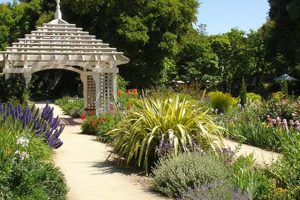
Structures fabricated from metal, designed to support climbing plants in outdoor spaces, offer vertical growing solutions. These frameworks provide a rigid support system for vines, flowering creepers, and certain fruits or vegetables. An example would be a powder-coated steel frame secured to a fence, encouraging the upward growth of climbing roses.
The employment of such vertical aids maximizes space utilization in gardens and offers aesthetic enhancements. Their durability allows them to withstand varied weather conditions, providing long-term support for plant growth. Historically, metal supports have been utilized to manage vegetation and create visually appealing landscapes, demonstrating functionality and artistic expression.
Considerations regarding material selection, structural design, and installation techniques are relevant when implementing these supports. The subsequent sections will address these aspects in detail, further exploring the design, selection, and practical application of these durable garden fixtures.
Practical Guidance for the Selection and Application of Metal Frameworks in Cultivated Spaces
The following recommendations serve as guidelines for optimizing the use of metallic structures designed to support plant life within gardens.
Tip 1: Material Selection: Prioritize galvanized or powder-coated steel to ensure resistance against corrosion and weathering. Untreated metal is susceptible to rust, reducing its lifespan and potentially impacting plant health.
Tip 2: Structural Integrity: Assess the load-bearing capacity of the chosen structure. Determine the expected weight of mature plants to prevent structural failure and ensure long-term stability.
Tip 3: Installation Depth: Ensure proper anchoring of the support structure into the ground. Insufficient depth can lead to instability, particularly in areas prone to strong winds. A minimum depth of 18 inches is generally recommended for smaller structures.
Tip 4: Plant Training: Employ appropriate methods for guiding plant growth onto the frame. Utilize soft ties or garden twine to secure stems without constricting them. Regular monitoring and adjustment are necessary.
Tip 5: Spacing Considerations: Allocate sufficient space between the frame and adjacent structures. Adequate airflow is crucial for preventing fungal diseases and promoting healthy plant development.
Tip 6: Aesthetic Integration: Select a design that complements the existing garden landscape. Consider the color, style, and overall visual impact of the structure on the surrounding environment.
Tip 7: Maintenance Practices: Implement a routine inspection schedule to identify and address any signs of damage or corrosion. Prompt repairs will extend the lifespan of the structure.
Adhering to these guidelines will facilitate the successful integration of metallic supports, optimizing both the structural performance and aesthetic value of cultivated spaces.
The ensuing discussion will synthesize the presented information, highlighting the overall value proposition of utilizing durable metal frameworks in supporting horticultural endeavors.
1. Material Durability

Material durability is a foundational attribute in the context of structures designed to support plant growth in outdoor environments. The longevity and structural integrity of these frameworks are directly proportional to the materials employed, influencing both the aesthetic appeal and the practical functionality of the garden.
- Corrosion Resistance
Atmospheric exposure introduces corrosive elements to metallic structures. Galvanization and powder coating are processes that impart resistance to oxidation, thereby extending the lifespan of the metal. Untreated steel, for instance, will degrade rapidly in humid climates, compromising its structural integrity and potentially affecting the health of surrounding plants through rust contamination.
- Structural Integrity Under Load
Metal supports must withstand the dynamic weight of mature plants, as well as environmental stressors such as wind and snow. High-tensile steel offers superior load-bearing capacity compared to lighter metals, ensuring the framework does not deform or collapse under stress. The gauge and composition of the metal dictate its ability to sustain vertical and horizontal loads over extended periods.
- Resistance to Environmental Degradation
Beyond corrosion, metal can be subject to degradation from UV radiation, temperature fluctuations, and physical abrasion. Protective coatings mitigate these effects, preventing the metal from becoming brittle or weakened. For example, some polymers used in powder coating are designed to resist UV damage, preserving the aesthetic appearance and structural properties of the metal support.
- Maintenance Requirements
Highly durable materials minimize the need for frequent repairs or replacements. Metals with inherent resistance to degradation reduce the ongoing maintenance burden, translating into long-term cost savings. The selection of materials with low maintenance requirements contributes to the overall sustainability of the garden design.
The strategic selection of durable materials is paramount to the successful and sustainable implementation of frameworks in supporting cultivated areas. Balancing factors such as cost, aesthetic considerations, and environmental conditions ensures the creation of a long-lasting and functional addition to the landscape.
2. Structural Load-Bearing

The capacity for withstanding weight, or structural load-bearing, represents a critical design parameter in the construction and implementation of metallic plant supports. These structures are inherently intended to bear the cumulative weight of vegetation throughout its lifecycle, encompassing the initial planting phase through full maturity. The failure to adequately account for the anticipated load can result in structural compromise, potentially leading to collapse and subsequent damage to both the support system and the supported plants. A prime example of this principle in action is found in the selection of steel gauge. Using a thinner gauge steel for climbing wisteria, a plant known for its significant weight, would almost certainly lead to bending or complete failure of the structure.
The implications of inadequate load-bearing extend beyond mere structural failure. An unstable support system can pose a safety hazard, particularly in public or residential areas. Moreover, the premature collapse of a framework necessitates costly repairs or replacements, undermining the initial investment in the garden’s design. Consider, for example, a metallic archway intended to support climbing roses. If the arch is not properly eng
ineered to withstand the combined weight of the mature roses and potential snow accumulation, it may buckle, requiring significant reconstruction efforts. This highlights the importance of assessing the plant’s ultimate size, growth rate, and any potential environmental factors such as wind or snow load prior to construction.
In summation, structural load-bearing is inextricably linked to the overall effectiveness and longevity of metallic plant supports. A thorough understanding of plant weight, environmental conditions, and material properties is essential for ensuring the construction of safe, durable, and aesthetically pleasing support structures. By prioritizing structural integrity, gardeners and designers can mitigate potential risks, maximize plant health, and create enduring features within the landscape.
3. Corrosion Resistance

Corrosion resistance is a critical attribute determining the longevity and structural integrity of metallic plant supports. The outdoor environment exposes these structures to moisture, atmospheric pollutants, and fluctuating temperatures, all of which contribute to corrosive processes. The consequence of inadequate corrosion resistance is the gradual degradation of the metal, leading to weakening, structural failure, and ultimately, the collapse of the support system. The selection of materials and protective coatings directly impacts the extent to which a framework can withstand these environmental stressors. For example, a support constructed from untreated steel would exhibit signs of rust within a relatively short period, particularly in regions with high humidity or frequent rainfall. This rust not only compromises the aesthetic appeal of the support but also reduces its load-bearing capacity, increasing the risk of collapse under the weight of mature plants.
The application of corrosion-resistant treatments, such as galvanization or powder coating, provides a protective barrier that isolates the metal from the corrosive elements in the environment. Galvanization involves coating the steel with a layer of zinc, which acts as a sacrificial anode, corroding in preference to the underlying steel. Powder coating, on the other hand, creates a durable polymeric layer that physically shields the metal from moisture and other corrosive agents. These treatments significantly extend the lifespan of the supports, reducing the need for frequent replacements and minimizing maintenance costs. An example of the efficacy of these treatments is the observation of galvanized supports remaining structurally sound and rust-free for decades, even in harsh coastal environments.
In summary, corrosion resistance is an indispensable characteristic of metallic plant supports, ensuring their durability and long-term performance in outdoor settings. The selection of appropriate materials and protective coatings is paramount to mitigating the effects of corrosion and maintaining the structural integrity of the framework. Prioritizing corrosion resistance translates to a more sustainable and cost-effective gardening solution, minimizing the need for frequent repairs or replacements and preserving the aesthetic appeal of the landscape.
4. Aesthetic Integration
The successful incorporation of metallic plant supports within a cultivated space hinges significantly on their aesthetic integration. This involves aligning the visual characteristics of the structure with the existing garden design to achieve a harmonious and visually pleasing environment.
- Style Concordance
The design of the structure should complement the prevailing architectural style of the surrounding property. A modern, minimalist garden benefits from clean, geometric metal designs, while a traditional, cottage-style garden may be enhanced by more ornate, scrollwork patterns. Mismatched styles can create visual discord, detracting from the overall aesthetic appeal.
- Color Harmony
The color of the metal framework should harmonize with the surrounding foliage, flowers, and hardscaping elements. Neutral tones, such as black, gray, or bronze, often blend seamlessly into the landscape, while bolder colors can be used to create visual accents or focal points. Careful consideration of color palettes ensures a cohesive and balanced aesthetic.
- Scale and Proportion
The dimensions of the plant support should be proportional to the size of the plants it is intended to support and the scale of the garden itself. Overly large structures can overwhelm smaller spaces, while undersized supports may appear insignificant. Proper scaling ensures the structure enhances rather than dominates the landscape.
- Material Texture and Finish
The texture and finish of the metal contribute to its overall aesthetic impact. Smooth, polished surfaces create a sleek, contemporary look, while textured or matte finishes offer a more rustic, natural appearance. The choice of finish should align with the desired aesthetic and the overall design of the garden.
Ultimately, the successful aesthetic integration of metallic plant supports transforms them from purely functional elements into integral components of the garden’s overall design. This harmonious blend of functionality and aesthetics enhances the visual appeal of the space and contributes to a more enjoyable and inviting outdoor environment. For example, a carefully chosen wrought-iron support, draped with climbing roses in complementary hues, exemplifies the seamless integration of form and function.
5. Installation Stability

Installation stability forms a critical foundation for the long-term functionality and safety of metal supports. Proper installation mitigates risks associated with structural failure, ensuring the support system can effectively bear the weight of mature plants and withstand environmental forces such as wind. Failure to address installation stability compromises the integrity of the entire structure, potentially leading to costly repairs, plant damage, or safety hazards.
- Ground Anchoring and Depth
The depth and method of anchoring directly influence stability. Insufficient ground penetration renders the support susceptible to overturning, particularly when subjected to wind loads or the weight of mature climbing plants. For example, a metal support installed without proper footings in unstable soil is likely to lean or collapse. A minimum depth of 1/3 the overall height, combined with concrete footings, is often recommended to ensure adequate resistance against lateral forces.
- Material Compatibility and Corrosion Prevention
Direct contact between dissimilar metals can accelerate galvanic corrosion, weakening the structure at its base. The use of isolating materials between the metal support and anchoring components prevents this electrochemical process. Ignoring this can lead to premature failure; for example, embedding an untreated steel post directly into concrete accelerates corrosion. Proper selection of compatible materials or the application of protective coatings mitigates this risk.
- Load Distribution and Sup
port Structure IntegrationEven distribution of weight across the support structure is vital. Uneven loading can create stress points, increasing the likelihood of bending or fracturing. Securely attaching the support to a building or fence can provide additional stability, distributing the load and reducing the risk of failure. An improperly attached support system, such as one relying solely on weak screws, is prone to detachment under stress, compromising overall stability.
- Environmental Considerations and Site Assessment
Soil type, drainage, and exposure to wind all impact the stability of metal supports. Sandy or loose soils require deeper and wider footings compared to compacted clay soils. Areas prone to strong winds necessitate additional anchoring measures, such as guy wires or reinforced footings. Ignoring these environmental factors can lead to structural instability; for example, a metal support installed in a poorly drained area may experience accelerated corrosion due to prolonged exposure to moisture.
In summary, installation stability constitutes an indispensable aspect of utilizing structures. Adherence to established guidelines regarding ground anchoring, material compatibility, load distribution, and environmental considerations ensures the long-term performance and safety of the structure, maximizing its functional and aesthetic contributions to the garden environment.
6. Plant Accessibility
Plant accessibility, in the context of metal supports, refers to the ease with which individuals can interact with plants supported by these structures for maintenance, observation, and harvesting purposes. The design and implementation of a metal framework directly influence the degree to which plants are reachable and manageable. Inadequate consideration of accessibility can lead to difficulties in pruning, pest control, and fruit harvesting, potentially diminishing the health and productivity of the supported vegetation. A structure designed with overly dense latticework, for instance, might impede access for targeted pesticide application, rendering the treatment less effective.
Metal supports, when thoughtfully designed, can enhance plant accessibility by providing a clear separation between the plant and the surrounding environment. This facilitates easier access for tasks such as pruning dead or diseased branches, which are essential for maintaining plant health. Furthermore, a well-designed support structure can allow for the strategic positioning of plants, enabling better visibility for early detection of pests or diseases. For example, a vertical metal support system can elevate vining plants, making it simpler to inspect the undersides of leaves for signs of infestation. Additionally, the spacing of vertical and horizontal members within the structure can be optimized to provide ample room for hands and tools, streamlining maintenance activities.
In conclusion, plant accessibility is an important design consideration when implementing structures. Structures that prioritize accessibility promote effective plant care and management, leading to healthier, more productive, and visually appealing gardens. Addressing this aspect ensures that metal supports serve not only as a structural aid but also as a tool to enhance the overall horticultural experience. Failure to properly account for this can lead to long-term caretaking challenges.
7. Spatial Efficiency

Spatial efficiency, in the context of cultivated environments, directly correlates with the intelligent utilization of available surface area. Metallic frameworks, designed to support vertical plant growth, offer a strategic solution to maximize productivity within limited spaces. The implementation of these structures allows for the cultivation of climbing plants, vines, and even certain vegetables in an upward direction, thereby freeing up ground space for other horticultural pursuits. This is particularly relevant in urban settings or smaller gardens where horizontal expansion is constrained.
The practical significance of employing metallic supports lies in their ability to transform underutilized vertical planes into productive growing areas. For instance, a compact balcony garden can be significantly enhanced through the addition of a metal support system for climbing herbs or flowering vines, effectively increasing the growing surface without encroaching upon valuable floor space. Similarly, in larger gardens, metallic supports can create vertical focal points, add visual interest, and optimize the use of perimeter walls or fences. This approach not only enhances the aesthetic appeal of the garden but also contributes to increased yields in specific crops. The correlation is direct: thoughtfully designed metal structures facilitate intensive cultivation strategies, leading to a greater harvest from a smaller footprint.
In summary, the integration of metallic support systems provides a demonstrably effective means of enhancing spatial efficiency in gardens. By enabling vertical cultivation, these structures maximize productivity within limited areas, contribute to aesthetic improvements, and optimize resource utilization. While challenges may arise in selecting appropriate materials and designs, the overarching benefits of enhanced spatial efficiency render metallic frameworks an invaluable asset for both amateur and professional gardeners.
Frequently Asked Questions
The following questions address common concerns regarding the selection, implementation, and maintenance of metallic frameworks for supporting plant life in garden environments.
Question 1: What are the primary advantages of using metal as the construction material for plant supports?
Metal offers superior durability and load-bearing capacity compared to alternative materials such as wood or plastic. Its inherent strength allows it to support heavier plants and withstand harsh weather conditions, ensuring a longer lifespan.
Question 2: How can corrosion be effectively prevented in metallic plant support structures?
Employing galvanized steel or applying a powder-coated finish provides a protective barrier against moisture and atmospheric pollutants, minimizing the risk of corrosion and extending the lifespan of the structure.
Question 3: What factors should be considered when selecting the appropriate size and gauge of metal for a plant support?
The dimensions and thickness of the metal should be determined by the expected weight of the mature plant and the anticipated wind loads in the region. Overestimating these factors ensures structural integrity and prevents premature failure.
Question 4: What are the recommended installation techniques for ensuring the stability of metallic plant supports?
Adequate ground anchoring, using concrete footings or similar methods, is crucial for preventing overturning. The depth of the anchoring should be proportional to the height of the structure and the soil type.
Question 5: How can metallic plant supports be integrated aesthetically into an existing garden design?
The design, color, and finish of the structure should complement the surrounding landscape. Neutral tones and simple designs often blend seamlessly, while more ornate styles can be used to create visua
l focal points.
Question 6: What maintenance practices are necessary to ensure the longevity of metallic plant supports?
Regular inspection for signs of corrosion or damage is essential. Promptly addressing any issues with rust inhibitors or structural repairs prevents further degradation and prolongs the life of the support.
These FAQs provide a foundational understanding of the key considerations surrounding the use of metallic frameworks in garden settings. Careful attention to these aspects ensures the successful and sustainable implementation of these structures.
The following section explores the design considerations involved in creating effective and aesthetically pleasing metal frameworks.
Conclusion
The preceding discourse has systematically explored the multifaceted aspects of structures, encompassing material durability, structural integrity, corrosion resistance, aesthetic integration, installation stability, plant accessibility, and spatial efficiency. Each element contributes to the overall effectiveness and sustainability of these horticultural supports. A comprehensive understanding of these factors is imperative for informed decision-making in garden design and implementation.
The strategic deployment of these structures represents a long-term investment in garden health and visual appeal. Continued research and refinement of materials and techniques will further enhance their utility, maximizing the potential for vertical cultivation and enriching outdoor environments. Therefore, careful consideration of the principles outlined herein is essential for achieving optimal results and ensuring the enduring value of the landscape.
![Living Near 2424 Garden of the Gods: [Guide] & Tips | The Ultimate Gardening Guide: Grow a Thriving Garden Year-Round](https://MyGardenPatch.com/wp-content/uploads/2025/07/th-8757-300x200.jpg "Living Near 2424 Garden of the Gods: [Guide] & Tips The Ultimate Gardening Guide: Grow a Thriving Garden Year-Round")