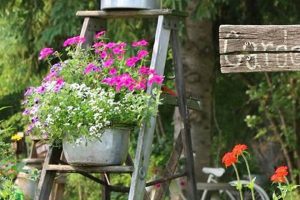
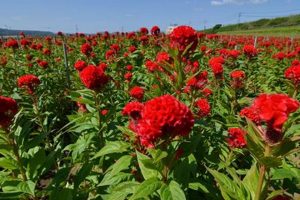
A visually diverse horticultural space, characterized by the intentional arrangement of plants to exhibit a spectrum of colors, often serves as an aesthetic enhancement to outdoor environments. These gardens, by incorporating flora with a range of hues, provide an engaging and stimulating experience for observers, promoting a sense of well-being. For example, a planned arrangement utilizing red salvia, yellow marigolds, and blue hydrangeas creates a vibrant display.
The value of such an area lies in its capacity to improve psychological health, offer a sanctuary for pollinators, and increase property values. Historically, gardens designed with color theory in mind have been employed to evoke specific emotions or reflect personal tastes, offering a means of self-expression through nature. Such an approach to landscape design promotes biodiversity and can contribute to a more sustainable environment.
The subsequent sections will delve into specific plant selections appropriate for creating a dynamic and colorful outdoor space, discuss the principles of effective color combination in garden design, and address the practical considerations of maintaining such a landscape to ensure long-term aesthetic and ecological benefits.
Cultivating Vibrant Flora
This section presents guidance on maximizing visual appeal through strategic plant selection and maintenance practices. Adhering to these principles enhances the sensory experience and promotes ecological balance.
Tip 1: Prioritize Soil Health. A nutrient-rich foundation is essential for robust growth and vibrant coloration. Conduct soil testing to determine pH levels and amend accordingly with organic matter such as compost or well-rotted manure. Proper drainage is also critical to prevent root rot and ensure optimal nutrient uptake.
Tip 2: Select Complementary Hues. Employ color theory to create visually harmonious arrangements. Consider utilizing analogous color schemes, which feature hues that are adjacent on the color wheel (e.g., blue, blue-green, and green), or complementary color schemes, which pair colors opposite each other (e.g., red and green). These techniques enhance visual interest and balance.
Tip 3: Incorporate Textural Diversity. Combine plants with varying leaf shapes, sizes, and textures to add depth and complexity. Juxtapose fine-textured foliage with bold, architectural forms to create visual contrast and prevent monotony. Examples include pairing the delicate leaves of ferns with the broad foliage of hostas.
Tip 4: Account for Bloom Times. Stagger the bloom times of different plant species to ensure a continuous display of color throughout the growing season. Research the flowering periods of various plants and select a mix that provides sequential blooms from early spring through late fall. This minimizes periods of visual dormancy.
Tip 5: Implement Regular Pruning. Consistent pruning encourages new growth, promotes flower production, and maintains plant health. Remove spent flowers to prevent seed formation and redirect energy towards further blooming. Proper pruning also improves air circulation, reducing the risk of fungal diseases.
Tip 6: Provide Adequate Watering. Consistent and appropriate watering is crucial for plant vitality and coloration. Monitor soil moisture levels and water deeply when the top inch of soil feels dry to the touch. Avoid overwatering, which can lead to root rot. Consider installing a drip irrigation system for efficient and targeted watering.
Tip 7: Protect Against Pests and Diseases. Implement preventative measures to minimize the risk of pest infestations and diseases. Regularly inspect plants for signs of damage or disease. Use organic pest control methods, such as insecticidal soap or neem oil, to address infestations. Ensure good air circulation and drainage to prevent fungal diseases.
Successful cultivation relies on careful planning, diligent maintenance, and a commitment to creating a balanced ecosystem. The resulting displays contribute to enhanced aesthetic appeal and ecological benefits.
The subsequent section will address design principles and sustainable practices to achieve a vibrant and enduring visual experience.
1. Color Harmony

Color harmony, a fundamental principle in visual arts, dictates the pleasing arrangement of colors based on their relationships on the color wheel. Its application is critical to the success of a “rainbow garden champaign” because the intent of the garden is, by definition, to exhibit a wide spectrum of colors. Without harmonious color combinations, the garden can appear chaotic and visually jarring, detracting from the desired aesthetic effect. Cause and effect are directly linked: intentional application of color theory results in visual appeal; its absence yields visual discord.
Consider, for example, a garden where primary colors (red, yellow, blue) are randomly placed without consideration for balance or contrast. This often results in a disjointed appearance. In contrast, a landscape using complementary colors such as purple and yellow, or analogous colors like blue, blue-green, and green, creates a sense of unity and visual flow. The incorporation of neutral colors such as grey, white, or green (from foliage) can further enhance color harmony by providing visual relief and preventing the color palette from becoming overwhelming. A real-life example can be seen in Monet’s gardens at Giverny, where deliberate color choices contribute significantly to the gardens’ renowned visual appeal. The practical significance is evident in improved curb appeal, enhanced enjoyment of the outdoor space, and increased biodiversity due to the attraction of a wider range of pollinators.
In conclusion, color harmony is not merely an aesthetic consideration but a functional element of any planned “rainbow garden champaign.” Its absence negates the garden’s intended visual impact. Challenges may include selecting plants with appropriate hues that also thrive in the garden’s specific environment and ensuring a balance between color diversity and overall cohesiveness. A strong understanding of color theory, combined with careful plant selection and placement, allows the concept to be fully realized, contributing to both beauty and ecological health.
2. Plant Diversity

Plant diversity constitutes a crucial component of any endeavor to establish a successful and visually arresting “rainbow garden champaign”. The breadth of plant species selected directly determines the range of colors, textures, and forms that can be incorporated into the design. A monoculture or limited selection severely restricts the garden’s aesthetic potential and ecological function, thereby undermining the very essence of the “rainbow garden champaign” concept. The inclusion of a wide variety of plants ensures a continuous display of color throughout the seasons, attracting a d
iverse array of pollinators and beneficial insects. Cause and effect are inextricably linked: limited plant diversity diminishes visual impact; abundant plant diversity enhances visual splendor and ecological stability. Consider, for example, the contrast between a garden solely planted with impatiens versus one containing a mix of irises, lavender, sunflowers, and zinnias. The former offers limited color and seasonal interest, while the latter provides a dynamic and ever-changing tapestry of hues and forms.
Furthermore, plant diversity directly impacts the resilience of the garden ecosystem. A varied plant population is better equipped to withstand environmental stressors such as disease outbreaks, pest infestations, and fluctuating weather patterns. Different species exhibit varying tolerances to these challenges, ensuring that the overall garden ecosystem remains robust even when individual plants are affected. The practical application of this understanding manifests in the selection of plants suited to the local climate, soil conditions, and sunlight exposure. For instance, in arid regions, incorporating drought-tolerant species such as succulents and native grasses contributes to sustainability and reduces water consumption. Similarly, in shaded areas, selecting shade-loving plants like hostas and ferns ensures healthy growth and visual appeal. A notable example is the High Line in New York City, where a diverse plant palette contributes to the gardens sustainability and aesthetic richness within an urban environment.
In conclusion, plant diversity is not merely a desirable attribute but an essential requirement for a thriving and visually compelling “rainbow garden champaign”. Neglecting this element compromises the garden’s aesthetic potential, ecological resilience, and long-term sustainability. Challenges may include managing the specific needs of diverse plant species, ensuring adequate spacing and resource allocation, and preventing aggressive species from dominating the garden. However, the benefits of a well-planned and carefully curated collection of plant life far outweigh these challenges, contributing to a dynamic, beautiful, and ecologically sound landscape.
3. Soil Composition

Soil composition exerts a fundamental influence on the viability and visual expression of a “rainbow garden champaign.” This relationship is not merely coincidental but causal: the physical, chemical, and biological properties of the soil directly determine the plants’ ability to thrive and, consequently, to exhibit their full range of colors and forms. Optimal soil composition provides the necessary nutrients, drainage, and aeration for robust root development, which in turn supports healthy foliage and vibrant blooms. Conversely, poor soil conditions can lead to stunted growth, nutrient deficiencies, and increased susceptibility to diseases, thereby diminishing the aesthetic impact of the planned colorful display. The importance of soil composition, therefore, cannot be overstated, serving as the foundational element upon which the entire garden is built. Consider, for example, the renowned Keukenhof Gardens in the Netherlands, where meticulous soil management is paramount to the success of its iconic tulip displays; the careful preparation and amendment of the soil contribute directly to the intensity and longevity of the flowers’ colors.
Further analysis reveals that specific soil characteristics cater to different plant species. Acid-loving plants, such as azaleas and rhododendrons, require soil with a low pH, while alkaline-tolerant plants, like lavender and poppies, thrive in soil with a higher pH. Failure to match plant selections with appropriate soil pH levels can result in chlorosis (yellowing of leaves) and reduced flowering. The practical application of this understanding involves conducting soil tests to determine pH levels and nutrient content, followed by amending the soil with appropriate organic or inorganic materials. For example, adding compost or aged manure improves soil structure, drainage, and nutrient availability, while incorporating sulfur or lime adjusts soil pH to suit the specific needs of selected plants. Furthermore, the soil’s texture, whether sandy, loamy, or clayey, affects its water-holding capacity and drainage characteristics, influencing root health and nutrient uptake.
In conclusion, soil composition is an indispensable factor in establishing and maintaining a flourishing “rainbow garden champaign.” Its impact extends beyond mere survival to encompass the vibrancy and longevity of the garden’s visual display. Challenges in managing soil composition may include addressing existing soil deficiencies, preventing soil compaction, and adapting soil conditions to the diverse needs of different plant species. However, by prioritizing soil health through careful planning, amendment, and maintenance, the garden’s aesthetic potential can be fully realized, creating a vibrant and sustainable environment for plants to thrive and exhibit their colorful beauty.
4. Sunlight Exposure

Sunlight exposure is a critical determinant in the cultivation of a visually vibrant and thriving “rainbow garden champaign.” The amount and duration of sunlight received directly influence plant health, flowering capacity, and the intensity of foliage color. Understanding and managing sunlight exposure is, therefore, fundamental to realizing the intended aesthetic of a “rainbow garden champaign”.
- Photosynthesis and Pigment Production
Sunlight drives photosynthesis, the process by which plants convert light energy into chemical energy in the form of sugars. This process is essential for plant growth and the production of pigments responsible for flower and foliage color. Insufficient sunlight can result in reduced chlorophyll production, leading to pale or etiolated foliage and diminished flowering. Conversely, excessive sunlight can cause leaf scorch and bleaching of pigments. As an example, a sun-loving zinnia planted in a shady location will produce fewer and less vibrant blooms compared to one grown in full sun.
- Plant Selection and Light Requirements
Different plant species exhibit varying light requirements, ranging from full sun (6+ hours of direct sunlight per day) to partial shade (3-6 hours) to full shade (less than 3 hours). Selecting plants appropriate for the available light conditions is paramount to the success of the “rainbow garden champaign.” Planting sun-loving species in shady areas will result in poor growth and flowering, while shade-tolerant species may suffer from leaf scorch in full sun. For example, a garden designed with a mix of sun-loving petunias, shade-tolerant impatiens, and partial-shade-preferring begonias requires careful planning of plant placement to ensure each species receives its optimal light exposure.
- Microclimates and Garden Orientation
The orientation of the garden and the presence of structures (buildings, trees, fences) create microclimates with varying degrees of sunlight exposure. South-facing areas typically receive the most sunlight, while north-facing areas receive the least. Understanding these microclimates is essential for strategic plant placement. Utilizing reflective surfaces, such as light-colored walls or fences, can increase sunlight exposure in shady areas. Deciduous trees can provide shade during the hot summer months while allowing sunlight to reach plants during the cooler spring and fall. Consider the i
nfluence of nearby structures. A south-facing wall will reflect sunlight, increasing the intensity of light in that immediate area. - Seasonal Variations in Sunlight
The angle and duration of sunlight vary throughout the year, influencing plant growth and flowering patterns. In the Northern Hemisphere, sunlight intensity and duration are greatest during the summer months and decrease during the winter months. Accounting for these seasonal variations is crucial for maintaining a continuous display of color in the “rainbow garden champaign.” Selecting plants with different bloom times and light requirements ensures that there is always something in bloom, regardless of the season. As an example, early spring bulbs, such as tulips and daffodils, thrive in full sun before deciduous trees leaf out, while summer-blooming perennials, such as coneflowers and black-eyed Susans, flourish in the long days of summer.
The interplay between sunlight exposure and plant selection is integral to creating a successful “rainbow garden champaign.” Careful consideration of light requirements, microclimates, and seasonal variations allows for strategic plant placement and ensures a continuous display of vibrant colors throughout the growing season. Neglecting this interplay will inevitably lead to diminished visual impact and compromised plant health.
5. Water Management
Water management is intrinsically linked to the success and sustainability of a “rainbow garden champaign”. The availability and delivery of water directly influence plant health, vigor, and flowering capacity, factors which are essential for realizing the intended aesthetic. Inadequate or excessive watering regimes can lead to stunted growth, nutrient deficiencies, and increased susceptibility to diseases, compromising the visual impact of the carefully planned color scheme. Conversely, effective water management promotes robust root development, healthy foliage, and abundant blooms, thereby enhancing the beauty and longevity of the vibrant garden. Consequently, water management is not merely a supplementary consideration but a fundamental component of any successful planting effort, impacting both plant health and the overall appeal. The gardens at Versailles, for example, demonstrate the importance of water features and irrigation systems in sustaining extensive and elaborate horticultural displays.
Further analysis reveals that specific watering needs vary significantly across different plant species and growth stages. Drought-tolerant plants require infrequent but deep watering, while moisture-loving species need more frequent irrigation. Seedlings and newly transplanted plants need more consistent watering than established plants. Soil type also influences water retention, with sandy soils draining quickly and clay soils retaining water for extended periods. Practical application of this knowledge involves implementing efficient irrigation systems tailored to the specific needs of the plants and soil. Drip irrigation and soaker hoses deliver water directly to the root zone, minimizing water loss through evaporation and runoff. Rainwater harvesting and graywater recycling offer sustainable alternatives to municipal water sources. Furthermore, mulching with organic materials helps retain soil moisture, suppress weed growth, and moderate soil temperature.
In conclusion, appropriate water management constitutes a cornerstone for a thriving “rainbow garden champaign”. Its absence undermines the garden’s visual appeal and long-term sustainability, while its conscientious application ensures plant health, conserves resources, and enhances the overall aesthetic impact. Challenges in water management may include adapting watering practices to fluctuating weather patterns, preventing overwatering or underwatering, and selecting appropriate irrigation systems for diverse plant needs. Nevertheless, the benefits of effective water management extend beyond plant health to encompass environmental stewardship and the creation of a sustainable and visually captivating landscape.
6. Seasonal Blooms

The temporal dimension inherent in seasonal blooms forms an essential consideration in the design and maintenance of a landscape intended to showcase a continuous and diverse array of color, often referred to as a “rainbow garden champaign.” Understanding the cyclical nature of plant life, specifically the flowering patterns throughout the year, dictates the arrangement and selection of flora to ensure prolonged visual interest.
- Sequential Flowering Patterns
Different plant species exhibit distinct blooming periods, varying from early spring to late autumn. A garden devoid of plants that flower at different times of the year will experience periods of intense color followed by periods of relative dormancy. The incorporation of spring bulbs (e.g., tulips, daffodils), summer perennials (e.g., coneflowers, daylilies), and autumn-blooming shrubs (e.g., asters, chrysanthemums) ensures a continuous display of color throughout the growing season. Kew Gardens in London, for example, meticulously plans its plantings to showcase a diverse range of seasonal blooms, creating a dynamic and engaging landscape throughout the year.
- Color Palette Evolution
The overall color palette of the garden can be strategically designed to evolve throughout the seasons. Spring may feature pastel hues, summer may showcase vibrant primary and secondary colors, and autumn may display warm tones of reds, oranges, and yellows. This deliberate shift in color scheme adds another layer of complexity and interest to the garden, reflecting the changing light conditions and climatic patterns. The gardens at Giverny, Monet’s home, provide an example of this principle, where the color palette shifts with the changing seasons.
- Foliage and Structural Interest
While flowering plants provide the primary source of color, the inclusion of plants with interesting foliage textures and structural forms adds visual appeal even when blooms are absent. Evergreens, ornamental grasses, and plants with colorful foliage (e.g., purple-leaved heucheras, variegated hostas) provide a backdrop for seasonal blooms and maintain visual interest during the off-season. The use of such plants is visible in many Japanese gardens.
- Plant Life Cycles and Replacement Strategies
Some flowering plants are annuals, completing their life cycle in a single growing season, while others are perennials, living for multiple years. Annuals provide a quick burst of color but require regular replacement. Perennials, on the other hand, offer long-term stability but may have shorter blooming periods. Understanding these life cycles and implementing strategic replacement strategies ensures that the garden remains vibrant and colorful throughout the year. Parks Departments plan to change the flowers and plants seasonally.
The effective integration of these components of seasonal blooms into the design of a “rainbow garden champaign” ensures a landscape that offers continuous visual interest and reflects the dynamic nature of the natural world. Attention to planting schemes will keep the garden interesting, instead of dormant. By careful consideration of bloom times, color palettes, foliage textures, and plant life cycles, it is possible to create a garden that delights the eye throughout the year.
Frequently Asked Qu
estions
This section addresses common inquiries regarding the planning, implementation, and maintenance of a horticultural space designed to exhibit a spectrum of colors, referred to herein as a “rainbow garden champaign”. It seeks to clarify prevalent misconceptions and provide accurate information to facilitate informed decision-making.
Question 1: What are the primary considerations in selecting plant species for a visually diverse space?
Plant selection should prioritize factors such as climate suitability, soil conditions, light requirements, and bloom times. A diverse range of species ensures a continuous display of color throughout the growing season and enhances ecological resilience. Color theory, including the use of complementary and analogous color schemes, should guide the selection process.
Question 2: How is soil quality managed to support optimal plant health and color vibrancy?
Soil testing is essential to determine pH levels and nutrient content. Amendments, such as compost, manure, or lime, should be incorporated to adjust soil properties to meet the specific needs of the selected plant species. Proper drainage is crucial to prevent root rot and ensure adequate aeration.
Question 3: What are effective strategies for water conservation in a resource-conscious environment?
Drip irrigation and soaker hoses deliver water directly to the root zone, minimizing water loss through evaporation. Mulching with organic materials helps retain soil moisture and suppress weed growth. Rainwater harvesting provides a sustainable alternative to municipal water sources. Selecting drought-tolerant plant species reduces overall water demand.
Question 4: How is pest and disease management approached in a sustainable manner?
Integrated pest management (IPM) strategies, which emphasize preventative measures and biological controls, are preferred over broad-spectrum chemical pesticides. Regular monitoring for signs of infestation or disease allows for early intervention. Beneficial insects, such as ladybugs and lacewings, can be introduced to control pest populations.
Question 5: What are the long-term maintenance requirements for sustaining a visually striking horticultural display?
Regular pruning, deadheading, and fertilization are necessary to maintain plant health and promote continued flowering. Weed control is essential to prevent competition for resources. Mulching replenishes organic matter and suppresses weed growth. Dividing overcrowded plants rejuvenates growth and prevents decline.
Question 6: How does sunlight exposure influence plant selection and placement?
Different plant species exhibit varying light requirements. Sun-loving plants should be placed in areas receiving at least six hours of direct sunlight per day, while shade-tolerant plants should be placed in areas receiving less than three hours. Understanding the microclimates within the garden is crucial for strategic plant placement. Garden orientation and the presence of structures or trees create microclimates with varying sunlight exposure.
These FAQs provide a foundation for understanding the key principles and practical considerations involved in creating and maintaining a visually diverse and sustainable horticultural space. Applying this knowledge contributes to both aesthetic enrichment and environmental responsibility.
The subsequent article will focus on specific plant combinations and design techniques to maximize the impact and longevity of this style of horticultural space.
Conclusion
This exploration of the “rainbow garden champaign” concept has highlighted essential considerations for its successful realization. From foundational elements such as soil composition and sunlight exposure to crucial design principles including color harmony and plant diversity, the preceding sections have emphasized the interconnectedness of various factors in achieving a visually dynamic and sustainable horticultural space.
The deliberate application of these principles ensures that the aesthetic potential of any space intended to showcase such floral diversity can be fully realized. Further research and commitment to best practices in garden design will be required to adapt this established concept to the realities of changing climates and the increasing need for ecological responsibility in landscape management.