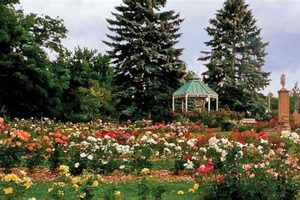
This dedicated space, often found within larger parks or estates, serves as a horticultural exhibition, specifically showcasing various rose cultivars. It is characterized by meticulously arranged rose bushes, often grouped by color, type, or historical significance, creating a visually appealing and fragrant environment. The site may include pathways for visitors to explore the collection, benches for relaxation, and informational signage providing details about the individual rose varieties.
Such gardens play a significant role in plant conservation and education, preserving heirloom rose varieties and educating the public about rose cultivation. Historically, these spaces have been associated with elegance and refinement, frequently featured on estates of prominence. The aesthetic appeal provides opportunities for recreation, photography, and quiet contemplation, contributing to the overall well-being of visitors. Their presence within a community often enhances local tourism and economic activity.
The following sections will delve into specific aspects relating to the design, maintenance, and cultural impact of similar spaces, providing detailed information on aspects from rose selection to pest management strategies, as well as case studies of similar botanical locations and their wider significance.
Cultivating a Thriving Rose Collection
The successful establishment and maintenance of a dedicated rose area necessitates careful planning and consistent effort. Consider the following guidelines to maximize the health and beauty of rose specimens.
Tip 1: Site Selection: Prioritize a location that receives a minimum of six hours of direct sunlight daily. Adequate sunlight is essential for robust growth and abundant blooms. Avoid areas prone to standing water or excessive shade, as these conditions can foster disease.
Tip 2: Soil Preparation: Roses thrive in well-drained soil rich in organic matter. Amend existing soil with compost, aged manure, or other organic amendments to improve drainage and fertility. A slightly acidic soil pH (6.0-6.5) is optimal.
Tip 3: Proper Planting Technique: Ensure adequate spacing between rose bushes to allow for air circulation and prevent overcrowding. Dig a hole twice as wide as the root ball and plant the rose at the correct depth, ensuring the bud union (the grafted area) is slightly above the soil line in warmer climates and slightly below in cooler climates.
Tip 4: Consistent Watering: Roses require regular watering, especially during dry periods. Water deeply and infrequently, allowing the soil to dry slightly between waterings. Avoid overhead watering, as this can contribute to fungal diseases. Drip irrigation is an efficient and effective method.
Tip 5: Regular Fertilization: Roses are heavy feeders and benefit from regular fertilization. Apply a balanced rose fertilizer according to the manufacturer’s instructions, typically in early spring, after the first flush of blooms, and again in late summer.
Tip 6: Pruning Practices: Pruning is essential for maintaining the shape, health, and productivity of rose bushes. Remove dead, diseased, or crossing canes regularly. Perform a more extensive pruning in late winter or early spring to promote new growth and abundant blooms. Consult specific pruning guidelines for the particular rose varieties.
Tip 7: Pest and Disease Management: Monitor roses regularly for signs of pests or diseases. Implement preventative measures, such as proper sanitation and air circulation, to minimize problems. If necessary, treat infestations or diseases with appropriate insecticides or fungicides, following label instructions carefully.
Tip 8: Mulching Application: Apply a layer of organic mulch around the base of rose bushes to conserve moisture, suppress weeds, and regulate soil temperature. Replenish the mulch layer as needed throughout the growing season.
Consistent adherence to these guidelines will promote vigorous growth, abundant blooms, and overall health within a dedicated rose space. The result will be a visually stunning and fragrant exhibit of horticultural excellence.
Further research into specific rose varieties and local climate conditions is recommended for optimal success. The information provided here serves as a foundation for establishing and maintaining a thriving rose collection.
1. Cultivar diversity

Cultivar diversity is a fundamental characteristic that defines the essence of a dedicated rose space. The range of rose cultivars presented directly impacts the educational and aesthetic value of the garden. A garden showcasing a wide array of cultivars provides visitors with an opportunity to observe and learn about the genetic diversity within the Rosa genus. Cause and effect are closely linked: the curatorial choices regarding cultivar selection directly cause a specific type of visitor experience and educational opportunity. For example, a location featuring only modern hybrid teas provides a different understanding compared to one showcasing antique roses or species roses alongside modern varieties. The broader the spectrum of cultivars, the greater the potential for comprehensive horticultural education.
The presence or absence of specific rose types also influences the garden’s resilience to disease and environmental stresses. A monoculture of susceptible cultivars can render a garden highly vulnerable to widespread disease outbreaks. Conversely, a diverse collection incorporating disease-resistant varieties promotes greater stability and reduces the need for intensive chemical interventions. Practically, this translates to lower maintenance costs and a reduced ecological footprint. Notable examples include botanical collections that prioritize preserving heirloom rose varieties, demonstrating the historical significance of rose breeding and cultivation. Such collections actively contribute to the conservation of genetic resources and offer insights into the evolution of rose cultivars over time.
In summary, cultivar diversity is not merely an aesthetic consideration but a crucial determinant of a garden’s educational value, ecological stability, and historical significance. The conscious selection and management of rose cultivars is paramount to achieving the intended goals of the space, be they conservation, education, or simply aesthetic appreciation. Challenges include the sourcing and maintenance of rare or endangered cultivars, but the rewards of a truly diverse rose collection are substantial, enriching both the visitor experience and the broader understanding of rose horticulture.
2. Aesthetic design

Aesthetic design is an intrinsic element shaping the visitor experience. The visual organization of plant material, hardscaping, and other structural elements directly influences perception and appreciation. In dedicated rose spaces, design considerations extend beyond mere visual appeal, encompassing functionality and accessibility.
- Spatial Arrangement and Flow
The layout dictates how visitors navigate the collection. Well-defined pathways, strategically placed focal points, and thoughtfully arranged groupings of rose varieties create a sense of order and discovery. For example, a formal design might employ symmetrical patterns and geometric beds, while an informal approach could feature meandering paths and naturalistic plantings. The arrangement should facilitate ease of movement while maximizing visual impact from various vantage points. Inefficient spatial organization can lead to congestion and detract from the overall experience.
- Color Palette and Composition
The selection and arrangement of colors contribute significantly to the visual harmony. The rose cultivars selected, alongside companion plants and structural elements, dictate the color palette. Contrasting colors can create dramatic focal points, while harmonious color combinations evoke a sense of tranquility. Color repetition and thematic arrangements can guide the eye and reinforce the overall design concept. Inconsistent or clashing color schemes can disrupt visual flow and detract from the aesthetic appeal.
- Hardscaping and Structural Elements
Hardscaping elements, such as pathways, walls, benches, and water features, provide structure and enhance functionality. The materials used should complement the overall design style and harmonize with the natural surroundings. For instance, a stone pathway might suit a traditional design, while a wooden deck complements a more contemporary aesthetic. Structural elements, such as arbors, pergolas, and trellises, can support climbing roses and create vertical interest. Poorly designed or maintained hardscaping can detract from the overall aesthetic and create safety hazards.
- Sensory Experience Beyond Visuals
Aesthetic design extends beyond visual considerations to encompass other sensory elements. Fragrance plays a crucial role in enhancing the visitor experience. Thoughtful placement of highly fragrant rose varieties can create olfactory focal points and evoke emotional responses. The sound of water features, the texture of foliage, and the tactile qualities of hardscaping materials contribute to a multi-sensory experience. Neglecting these sensory aspects can result in a less engaging and memorable visit.
Aesthetic design is a holistic endeavor, integrating visual, functional, and sensory elements to create a cohesive and engaging environment. The successful execution of aesthetic principles is paramount to maximizing the enjoyment and appreciation of dedicated rose spaces.
3. Horticultural practices

The sustained vitality of a dedicated rose space is directly contingent upon meticulous implementation of horticultural practices. These practices, encompassing cultivation techniques, pest management, and soil health maintenance, represent the active interventions necessary to ensure the longevity and aesthetic appeal of the rose collection. Without diligent adherence to established horticultural principles, the rose specimens will be vulnerable to disease, nutrient deficiencies, and pest infestations, ultimately compromising the garden’s intended purpose.
Specifically, consider the importance of proper pruning techniques. Pruning, performed correctly, promotes air circulation, removes dead or diseased wood, and encourages new growth and abundant blooms. Conversely, incorrect pruning can weaken the rose bushes, making them more susceptible to pests and diseases. Similarly, soil management plays a critical role. Roses thrive in well-drained soil rich in organic matter. Regularly amending the soil with compost or other organic materials ensures the availability of essential nutrients and improves soil structure. Inadequate soil preparation and maintenance can lead to nutrient deficiencies and stunted growth. Pest and disease management are also crucial. Regular monitoring for signs of infestation or disease allows for timely intervention, preventing widespread damage. Integrated pest management strategies, employing a combination of cultural practices, biological controls, and, when necessary, chemical treatments, minimize the reliance on harsh pesticides. Example: Neglecting these practices can lead to black spot or powdery mildew severely affecting the plants’ health and appearance, diminishing the visitor’s aesthetic experience and potentially spreading to other gardens.
In conclusion, horticultural practices represent the active stewardship required to maintain a dedicated rose space. These practices are not merely optional enhancements; they are essential prerequisites for the garden’s long-term survival and success. Consistent application of sound horticultural principles is the defining factor between a thriving rose collection and a neglected, disease-ridden one. The challenges involve continuous learning and adaptation to changing environmental conditions, requiring the employment of trained professionals who can adapt with the location specific needs.
4. Historical context

Understanding the lineage of a dedicated rose space offers vital insights into its design, purpose, and cultural significance. The historical context provides a framework for interpreting the garden’s evolution and appreciating its present-day form.
- Founding Era and Influences
The era in which a rose garden was established significantly shapes its character. Gardens created during the Victorian era, for instance, often reflect the prevailing aesthetic sensibilities of the time, emphasizing formality, symmetry, and a profusion of blooms. The design may incorporate elements such as parterres, fountains, and classical statuary. Gardens founded in more recent times may embrace a more naturalistic or sustainable approach, prioritizing biodiversity and water conservation. Understanding the founding era provides context for the garden’s design choices and its relationship to broader historical trends.
- Key Figures and Personalities
The individuals involved in the creation and development of a rose garden often leave a lasting imprint. The vision of the garden’s founder, the expertise of its head gardener, and the patronage of influential benefactors can all shape its character. Researching these key figures reveals their motivations, design preferences, and horticultural philosophies, providing a more nuanced understanding of the garden’s history. For example, a garden established by a renowned rosarian may showcase a collection of rare or historically significant rose varieties.
- Evolution of Rose Cultivars
The rose cultivars displayed in a garden reflect the historical development of rose breeding and cultivation. A garden showcasing heirloom roses, for example, provides a glimpse into the varieties popular in past centuries, offering a contrast to modern hybrid roses. The selection of cultivars may also reflect specific historical events or cultural movements. The absence of certain rose types can be as informative as their presence, revealing the evolving tastes and horticultural priorities of the time.
- Social and Cultural Significance
Rose gardens often serve as social and cultural hubs, reflecting the values and aspirations of the community they serve. These spaces may host public events, educational programs, and community gatherings, fostering a sense of shared identity and civic pride. The garden’s role in local traditions and celebrations can reveal its enduring significance. Furthermore, its portrayal in literature, art, and photography can provide additional insights into its cultural impact.
By investigating these facets of historical context, a deeper appreciation for a rose garden can be attained. The garden’s design, plant selection, and social function become more meaningful when viewed through the lens of history. This understanding enriches the visitor experience and underscores the garden’s enduring legacy.
5. Community engagement

Interaction between the community and dedicated rose spaces yields multifaceted benefits, enriching both the site and the local populace. Active participation fosters a sense of ownership and responsibility, while also promoting horticultural education and appreciation for aesthetic environments. The following outlines several facets of this symbiotic relationship.
- Volunteer Programs and Stewardship
Volunteer initiatives provide essential labor for maintenance and improvement activities. Community members contribute their time and skills to tasks such as weeding, pruning, planting, and infrastructure upkeep. This hands-on involvement fosters a personal connection to the site and a deeper understanding of horticultural practices. Furthermore, volunteer programs cultivate a sense of shared responsibility for the preservation and enhancement of the rose space. The presence of active volunteer groups often indicates a robust level of community support and engagement.
- Educational Workshops and Outreach
Educational programs, ranging from workshops on rose cultivation to guided tours focusing on botanical history, enhance public knowledge and appreciation for the site. These activities cater to diverse audiences, including school groups, garden clubs, and individual enthusiasts. Effective outreach strategies, such as partnerships with local organizations and promotion through community networks, ensure broad accessibility and participation. Engagement in educational programming cultivates a sense of stewardship and encourages responsible interaction with the environment.
- Events and Celebrations
The hosting of public events, such as rose festivals, garden tours, and art exhibitions, transforms the rose space into a vibrant community hub. These gatherings provide opportunities for social interaction, cultural enrichment, and economic activity. Well-organized events attract visitors from beyond the immediate locality, enhancing the site’s visibility and promoting local tourism. The frequency and variety of events reflect the level of community support and the site’s integration into the local social fabric.
- Advisory Boards and Stakeholder Input
The establishment of advisory boards or stakeholder committees ensures community representation in decision-making processes. These forums provide opportunities for residents, local organizations, and other interested parties to voice their opinions and contribute to the planning and management of the rose space. Transparent communication and collaborative decision-making foster trust and build consensus. Active participation in governance structures strengthens the community’s sense of ownership and ensures that the site’s evolution aligns with local needs and preferences.
These diverse facets of community engagement underscore the importance of fostering a collaborative relationship between the rose space and the local populace. By actively involving community members in stewardship, education, events, and governance, the site can solidify its role as a valued asset and a source of civic pride. Sustained community engagement ensures the long-term vitality and relevance of such spaces. This further supports sustainable maintenance and growth through local enthusiasm and shared investment.
6. Environmental impact

The ecological footprint of a dedicated rose space is a significant consideration in its overall assessment. The cultivation practices employed, the resources consumed, and the potential for pollution directly impact the environment. The selection of pest management strategies, irrigation methods, and fertilization techniques are key determinants of the garden’s environmental sustainability. Inadequate or unsustainable practices can contribute to soil degradation, water pollution, and biodiversity loss. The cause and effect relationship is direct: unsustainable practices invariably lead to negative environmental consequences, while responsible practices promote ecological health. The significance of minimizing environmental impact cannot be overstated, as it is an integral component of responsible land management and ensures the long-term viability of the garden.
Real-world examples demonstrate the varying environmental impacts of different rose garden management approaches. A garden relying heavily on synthetic pesticides and fertilizers may exhibit reduced soil biodiversity and contribute to water contamination through runoff. Conversely, a garden implementing integrated pest management strategies, utilizing organic fertilizers, and employing water-efficient irrigation systems can minimize its environmental footprint and promote ecological balance. Some locations are implementing rainwater harvesting systems to supplement or replace municipal water sources. The practical application of sustainable principles translates to reduced resource consumption, decreased pollution, and enhanced biodiversity. The selection of plant species, including companion plants that attract beneficial insects, is also a crucial aspect of promoting ecological health. Such locations have increased the population of beneficial insect species with the implementation of an improved ecological approach.
In summary, the environmental impact of a rose garden is a critical factor that demands careful attention. By adopting sustainable horticultural practices, minimizing resource consumption, and promoting biodiversity, gardens can mitigate their ecological footprint and contribute to environmental stewardship. The challenges involve balancing aesthetic objectives with environmental considerations, requiring a commitment to continuous improvement and a willingness to embrace innovative, eco-friendly approaches. Considering environmental impact is not simply a matter of compliance, but a fundamental ethical responsibility that ensures the long-term health and sustainability of the garden and the surrounding ecosystem.
7. Maintenance requirements

The sustained aesthetic appeal and horticultural health of dedicated rose spaces are directly proportional to the implementation of consistent and appropriate maintenance protocols. These requirements encompass a range of activities, from routine tasks to specialized interventions, each contributing to the preservation of the garden’s intended design and ecological integrity. Effective maintenance strategies are not merely cosmetic; they are essential for preventing disease, promoting vigorous growth, and ensuring the long-term viability of the rose collection.
- Pruning Regimen
Regular pruning is critical for shaping rose bushes, removing dead or diseased wood, and promoting air circulation. The timing and technique of pruning vary depending on the rose variety and the desired aesthetic effect. Neglecting pruning can lead to overgrown, misshapen plants that are more susceptible to pests and diseases. Expert-level pruning is a skilled labor undertaking, and its absence can drastically affect the garden’s appearance.
- Pest and Disease Management
Roses are susceptible to a variety of pests and diseases, including aphids, black spot, and powdery mildew. Implementing a proactive pest and disease management program is essential for preventing infestations and minimizing damage. This may involve cultural practices, such as proper sanitation and air circulation, as well as the judicious use of pesticides or fungicides. Integrated Pest Management (IPM) principles should guide these strategies. Ineffective pest and disease control quickly leads to aesthetic damage.
- Soil Health and Fertilization
Roses require well-drained soil rich in organic matter. Regular soil testing and amendment are necessary to maintain optimal soil conditions. Fertilization provides essential nutrients for growth and blooming. The type and frequency of fertilization depend on the soil composition and the specific needs of the rose varieties. Poor soil health causes stunted growth and diminished bloom quality.
- Irrigation Management
Consistent and appropriate irrigation is vital for rose health, particularly during dry periods. The frequency and volume of irrigation depend on weather conditions, soil type, and the age and size of the rose bushes. Overwatering can lead to root rot, while underwatering can cause stress and reduced bloom production. Efficient irrigation practices are essential for water conservation and plant health. Improper irrigation weakens plants and makes them prone to disease.
These maintenance requirements are not isolated tasks but rather interconnected elements of a comprehensive horticultural program. Consistent attention to each aspect is necessary to sustain the beauty and vitality of a dedicated rose space. Neglecting even one area can have cascading effects on the overall health and appearance of the rose collection, thereby affecting its long-term sustainability as a vibrant location and horticultural exhibition.
Frequently Asked Questions
The following addresses commonly encountered inquiries regarding dedicated rose spaces, offering clarity on crucial aspects of their management and significance.
Question 1: What distinguishes a dedicated rose space from a general garden?
A dedicated rose space prioritizes the cultivation and display of rose cultivars, often featuring a diverse collection of varieties arranged for aesthetic and educational purposes. General gardens encompass a broader range of plant species and may not have a specific focus on roses.
Question 2: What factors influence the design of dedicated rose spaces?
Design considerations include the historical context, the intended aesthetic, the site’s environmental conditions, and the needs of visitors. The layout, plant selection, and structural elements contribute to the overall visual appeal and functionality.
Question 3: How are rose cultivars selected for a dedicated display?
Cultivar selection factors are aesthetic qualities, historical significance, disease resistance, and suitability for the local climate. The goal is to create a diverse and visually appealing collection that showcases the breadth of the Rosa genus.
Question 4: What are the primary maintenance requirements for a rose space?
Maintenance involves regular pruning, pest and disease management, soil health maintenance, and irrigation. These activities are essential for promoting healthy growth and preventing problems that could compromise the garden’s beauty.
Question 5: What are the environmental considerations in managing a rose space?
Environmental considerations include minimizing pesticide use, conserving water, and promoting soil health. Sustainable horticultural practices are crucial for reducing the garden’s ecological footprint and protecting the surrounding environment.
Question 6: How does community engagement benefit a dedicated rose space?
Community involvement provides essential labor, fosters a sense of ownership, promotes horticultural education, and enhances the garden’s social and cultural significance. Engagement strengthens the long-term sustainability of the garden.
In summary, dedicated rose spaces necessitate thoughtful planning, diligent maintenance, and community involvement to flourish. Understanding these aspects ensures its long-term viability and significance.
The following section delves into resources for further exploration and continued learning.
Concluding Remarks
This exploration of features inherent to a McKinley rose garden reveals the multifaceted considerations involved in its creation, maintenance, and cultural significance. From cultivar diversity and aesthetic design to horticultural practices and community engagement, each element contributes to the overall value and impact of the space. A thorough understanding of these aspects is essential for responsible stewardship and the long-term preservation of such horticultural assets.
The knowledge imparted should inspire further inquiry and a deeper appreciation for the complexities and rewards of cultivating and maintaining these valuable environments. Continued research and the adoption of sustainable practices will ensure the future vibrancy and enduring legacy of spaces dedicated to the beauty and scientific study of roses.

![Find Rose Garden Funeral Home Obituaries: [Location] Tributes | The Ultimate Gardening Guide: Grow a Thriving Garden Year-Round](https://MyGardenPatch.com/wp-content/uploads/2025/07/th-1895-300x200.jpg "Find Rose Garden Funeral Home Obituaries: [Location] Tributes The Ultimate Gardening Guide: Grow a Thriving Garden Year-Round")