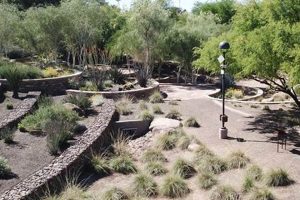
An area cultivated by and for the use of personnel within an organization, providing employees with a space to grow plants, vegetables, or flowers. This shared space is often located on company property and managed collectively by participating individuals. For example, employees at a technology firm might establish this type of space to cultivate herbs and vegetables for use in the company cafeteria.
Such initiatives offer multiple advantages, including promoting employee well-being, fostering a sense of community, and providing opportunities for stress reduction and physical activity. Historically, these endeavors have existed in various forms, from victory gardens during wartime to modern corporate wellness programs, all reflecting a desire to connect individuals with nature and improve morale.
The following sections will detail the planning and maintenance aspects, explore specific benefits in greater depth, and address potential challenges related to establishing and sustaining this type of employee amenity. This will provide a comprehensive overview of the topic.
“Staff Garden” Cultivation and Management
The following outlines crucial aspects to consider when establishing and maintaining a space for employees to engage in horticultural activities. Careful planning and consistent effort are vital for success.
Tip 1: Conduct a Thorough Site Assessment: Prior to initiating development, evaluate the location for sunlight exposure, soil quality, and water access. Adequate sunlight (at least six hours daily) is crucial for most vegetables. Analyze the soil’s pH and composition, amending as necessary. Proximity to a water source minimizes manual irrigation needs.
Tip 2: Establish Clear Guidelines and Responsibilities: Develop a set of rules outlining plot assignments, maintenance schedules, and acceptable plant types. Clearly define roles for tasks such as composting, weeding common areas, and overall upkeep. A designated coordinator can facilitate communication and address any issues.
Tip 3: Prioritize Plant Selection: Choose plants appropriate for the local climate and soil conditions. Consider employee preferences and skill levels. Easy-to-grow options, such as herbs, lettuce, and tomatoes, are often a good starting point. Native species can attract pollinators and require less maintenance.
Tip 4: Implement a Sustainable Composting System: Composting reduces waste and provides valuable nutrients for the plants. Establish a designated composting area and educate employees on proper composting techniques. Clearly label acceptable materials (e.g., vegetable scraps, coffee grounds) and prohibited items (e.g., meat, dairy).
Tip 5: Ensure Consistent Maintenance: Regular weeding, watering, and pest control are essential. Develop a schedule for these tasks and assign responsibilities accordingly. Consider using organic pest control methods to minimize environmental impact.
Tip 6: Foster Collaboration and Communication: Encourage employees to share knowledge and experiences. Organize workshops or demonstrations on gardening techniques. A shared online platform can facilitate communication and coordination.
Effective management ensures that the project thrives, delivering benefits for both personnel and the organization. Adherence to these guidelines can help cultivate a successful and sustainable horticultural space.
The subsequent sections will explore the specific benefits derived from employee gardening initiatives and address potential challenges encountered during implementation and operation.
1. Well-being enhancement

Employee horticultural projects offer significant potential for enhancing employee well-being. This results from a confluence of factors inherent in the activity and the environment it creates.
- Stress Reduction through Nature Exposure
Exposure to natural environments has been shown to reduce stress hormones and promote relaxation. Active participation in horticultural tasks, such as planting and weeding, provides a physical outlet for stress and allows individuals to disconnect from work-related pressures. This is particularly relevant in high-stress occupations, where access to natural environments is limited.
- Improved Mental Health through Mindfulness
Gardening requires focus and attention to detail, promoting a state of mindfulness that can improve mental clarity and reduce anxiety. The repetitive nature of some gardening tasks can be meditative, allowing individuals to quiet their minds and focus on the present moment. This practice is analogous to formal mindfulness exercises but is integrated into a productive activity.
- Increased Physical Activity and Vitamin D Exposure
Gardening involves a range of physical activities, from digging and planting to watering and weeding. These activities promote cardiovascular health, improve muscle strength, and increase flexibility. Additionally, exposure to sunlight during outdoor gardening activities increases vitamin D levels, which is essential for bone health and immune function. This can be particularly beneficial for individuals who spend the majority of their workday indoors.
- Sense of Accomplishment and Purpose
Witnessing the growth of plants from seed to harvest provides a sense of accomplishment and purpose. Contributing to a shared horticultural project fosters a sense of community and belonging, further enhancing well-being. The ability to nurture living things and contribute to a tangible outcome can be particularly rewarding for individuals seeking meaning and purpose in their work lives.
Collectively, these facets illustrate the multifaceted contribution of employee horticultural projects to well-being. By providing access to nature, promoting physical activity, fostering mindfulness, and cultivating a sense of purpose, these initiatives offer a holistic approach to enhancing employee health and happiness. The tangible benefits observed in individuals participating in these projects underscore their value as a corporate wellness strategy.
2. Community building

Employee horticultural initiatives serve as effective catalysts for community building within organizations. The shared activity of cultivating a horticultural space fosters collaboration and communication among participants, transcending departmental silos and hierarchical structures. This collaborative effort encourages individuals from diverse backgrounds to interact and work towards a common goal, thereby strengthening interpersonal relationships. The creation and maintenance of such a space necessitates collective decision-making, problem-solving, and the sharing of knowledge and resources, which in turn enhances teamwork and mutual understanding. A tangible example can be seen in organizations where personne
l from different departments volunteer time to manage the composting system or organize planting schedules, fostering relationships beyond typical workplace interactions. The importance of community building in this context lies in its capacity to create a more cohesive and supportive work environment, leading to increased employee engagement and retention.
Practical application of this understanding involves intentionally structuring the initiative to maximize social interaction. Encouraging joint planning sessions, assigning shared tasks, and organizing communal harvest events can amplify the community-building impact. Moreover, integrating the horticultural space into company social events or wellness programs further reinforces the sense of belonging and shared identity. For instance, a company could host a “garden-to-table” lunch using produce grown in the employee space, fostering a sense of pride and collective accomplishment. Companies should also consider incorporating educational components, such as workshops on gardening techniques or sustainable practices, to further enhance collaboration and knowledge sharing among participants. Careful consideration of accessibility and inclusivity ensures that all employees, regardless of their physical abilities or prior gardening experience, can participate and contribute to the communal effort.
In summary, employee horticultural initiatives offer a potent platform for community building. By fostering collaboration, communication, and a shared sense of purpose, these endeavors contribute to a more connected and supportive work environment. While challenges such as differing opinions on plant selection or management strategies may arise, these can be effectively addressed through open communication and collaborative decision-making. Ultimately, recognizing and intentionally cultivating the community-building aspect of these initiatives enhances their value as a tool for improving employee morale, engagement, and overall organizational culture.
3. Sustainable Practices

The incorporation of sustainable practices into employee horticultural projects directly aligns with environmental stewardship and resource conservation, transforming these spaces into models of ecological responsibility.
- Composting and Waste Reduction
Composting transforms organic waste, such as food scraps and yard waste generated within the organization, into a valuable soil amendment for the horticultural project. This reduces the volume of waste sent to landfills, minimizing methane emissions and conserving landfill space. Implementing a composting system also provides a tangible demonstration of circular economy principles, showcasing how waste can be repurposed as a resource.
- Water Conservation Techniques
Water conservation is critical in regions facing water scarcity. Implementing strategies such as rainwater harvesting, drip irrigation systems, and the selection of drought-tolerant plant species can significantly reduce water consumption. Rainwater harvesting collects rainwater for later use, reducing reliance on municipal water sources. Drip irrigation delivers water directly to plant roots, minimizing water loss through evaporation. Selecting native or adapted plant species reduces the need for supplemental irrigation.
- Organic Pest and Weed Control
Utilizing organic pest and weed control methods minimizes the use of synthetic pesticides and herbicides, which can harm beneficial insects, contaminate soil and water, and pose risks to human health. Organic alternatives include using beneficial insects, such as ladybugs, to control pests, hand-weeding, and applying natural herbicides derived from plant extracts. These methods promote a healthy ecosystem within the horticultural space, fostering biodiversity and reducing environmental impact.
- Promoting Biodiversity
Selecting a diverse range of plant species, including native plants, attracts pollinators and other beneficial insects, enhancing biodiversity within the horticultural space. Creating habitats for wildlife, such as birdhouses and butterfly gardens, further supports biodiversity. Promoting biodiversity strengthens the ecosystem’s resilience and contributes to the overall health of the environment.
The integration of composting, water conservation, organic pest control, and biodiversity promotion within employee horticultural initiatives demonstrates a commitment to sustainability. These practices not only reduce environmental impact but also serve as educational tools, raising awareness among personnel about the importance of ecological responsibility. These combined efforts solidify the horticultural space’s role as a tangible example of sustainable living.
4. Productivity Improvement

The implementation of a staff garden can positively influence employee productivity through various direct and indirect mechanisms. The following details the connection between this workplace amenity and potential gains in efficiency and output.
- Stress Reduction and Cognitive Function
Exposure to nature, as facilitated by a staff garden, has been shown to reduce stress and improve cognitive function. Lower stress levels enhance concentration and decision-making abilities, thereby increasing workplace productivity. For instance, employees who utilize the garden during breaks may return to their tasks feeling more refreshed and focused. Studies have indicated that even brief interactions with natural settings can improve attention span and memory recall.
- Enhanced Employee Morale and Engagement
A staff garden demonstrates an organization’s commitment to employee well-being, fostering a more positive work environment. Improved morale and increased engagement correlate with higher levels of productivity. Employees who feel valued and supported are more likely to be motivated and perform at their best. The collaborative nature of maintaining such a space can also strengthen team bonds and improve communication, further contributing to productivity gains.
- Opportunities for Physical Activity and Improved Health
Engaging in gardening activities provides opportunities for physical activity, which has numerous health benefits, including reduced risk of chronic diseases and improved physical fitness. Healthier employees are more likely to be productive and less likely to take sick days. The availability of a staff garden encourages employees to be more active during breaks, promoting overall health and well-being, and ultimately contributing to a more productive workforce.
- Creative Inspiration and Problem-Solving
Natural environments can stimulate creativity and facilitate innovative thinking. Employees who spend time in a staff garden may find themselves more inspired and better equipped to solve problems. The change of scenery and exposure to natural elements can break mental blocks and offer fresh perspectives. This can be particularly beneficial for employees in creative or problem-solving roles, leading to enhanced productivity and innovation.
These multifaceted benefits underscore the potential of a staff garden to contribute to productivity improvement. While the impact may vary depending on factors such as employee participation and the design of the space, the
overall effect is likely to be positive. The provision of such amenities reflects a holistic approach to employee well-being that can translate into tangible gains in workplace efficiency and output, strengthening the organization’s commitment to a supportive work environment and ultimately its bottom line.
5. Educational opportunity
Staff gardens present a unique opportunity for educational enrichment within a corporate or organizational setting. These spaces facilitate learning across a range of topics, from horticultural practices to ecological principles, fostering a culture of continuous learning and development among participating personnel.
- Horticultural Skill Development
Direct participation in a staff garden provides hands-on experience in various horticultural techniques. Individuals learn about planting, pruning, watering, and pest management, gaining practical skills that can be applied both in the garden and in personal settings. Experienced gardeners within the organization can serve as mentors, sharing their knowledge and expertise with novice participants. For instance, workshops on seed starting or composting can provide structured learning opportunities, enhancing employees’ understanding of plant cultivation.
- Ecological Awareness and Biodiversity
A staff garden can serve as a microcosm of a larger ecosystem, illustrating ecological principles and promoting awareness of biodiversity. Participants learn about the interactions between plants, insects, and other organisms, gaining a deeper appreciation for the interconnectedness of nature. The garden can also be used to demonstrate the benefits of sustainable practices, such as composting and organic pest control, highlighting their role in protecting the environment. For example, observing the impact of beneficial insects on pest populations can provide a tangible demonstration of ecological balance.
- Nutritional Education and Food Systems
Growing fruits and vegetables in a staff garden provides an opportunity to educate employees about nutrition and the importance of fresh, locally sourced food. Participants learn about the nutritional content of different plants and gain a better understanding of how food is produced. This can encourage healthier eating habits and promote awareness of the environmental and social impacts of food systems. For example, comparing the taste and nutritional value of homegrown produce with store-bought alternatives can illustrate the benefits of local food production.
- Teamwork and Collaborative Learning
Maintaining a staff garden requires teamwork and collaboration, providing opportunities for employees to learn from each other. Participants share knowledge, skills, and experiences, fostering a sense of community and mutual support. The garden can also serve as a platform for interdepartmental collaboration, breaking down silos and promoting communication across different teams. For instance, organizing a garden-to-table lunch can involve employees from different departments working together to plan, prepare, and serve a meal using produce grown in the garden.
The educational opportunities afforded by staff gardens extend beyond the acquisition of specific skills or knowledge. These spaces foster a culture of curiosity, experimentation, and lifelong learning, contributing to the personal and professional development of participating personnel. The integration of educational components into staff garden initiatives enhances their value as a tool for promoting employee engagement, well-being, and organizational sustainability.
Frequently Asked Questions Regarding “Staff Garden” Initiatives
The following addresses common inquiries concerning the establishment, maintenance, and potential challenges associated with the implementation of staff garden programs within organizations.
Question 1: What constitutes a staff garden, and how does it differ from other company amenities?
A staff garden is a designated area on company property cultivated by and for the benefit of the organization’s personnel. It distinguishes itself from other amenities by actively involving employees in the cultivation process, fostering a sense of community and shared responsibility, rather than simply providing passive recreational space.
Question 2: What are the primary benefits of implementing a staff garden program?
The benefits are multifaceted, encompassing improved employee well-being through stress reduction and physical activity, enhanced community building by fostering collaboration and communication, and promotion of sustainable practices through composting and organic gardening methods.
Question 3: What are the key considerations in determining the location for a staff garden?
Optimal location selection necessitates careful evaluation of factors such as sunlight exposure, soil quality, accessibility to water sources, and proximity to employee work areas. Ideal locations provide ample sunlight, well-drained soil, convenient water access, and are situated in close proximity to the workforce to encourage active participation.
Question 4: What are the potential challenges associated with establishing and maintaining a staff garden?
Challenges may include securing adequate funding, managing competing priorities among employees, addressing potential conflicts regarding plot assignments or plant selection, and ensuring consistent maintenance to prevent neglect or abandonment of the space.
Question 5: How can an organization ensure the long-term sustainability of its staff garden program?
Long-term sustainability requires establishing clear guidelines and responsibilities, securing ongoing financial support, fostering a strong sense of ownership among employees, and actively promoting the program’s benefits to maintain engagement and participation over time.
Question 6: What are the legal and liability considerations associated with operating a staff garden?
Organizations should consult with legal counsel to address potential liability issues related to employee injuries, food safety concerns if produce is consumed, and compliance with local zoning regulations or homeowner association rules. Appropriate waivers and safety protocols should be implemented to mitigate risks.
In summary, implementing and sustaining a successful staff garden program requires careful planning, dedicated resources, and ongoing commitment from both the organization and its personnel. Addressing potential challenges proactively is crucial for realizing the full range of benefits that these initiatives can provide.
The following sections will explore case studies of successful staff garden programs, offering practical insights and lessons learned for organizations considering implementing similar initiatives.
Conclusion
This exploration has illuminated the multifaceted benefits and practical considerations associated with staff garden initiatives. From enhancing employee well-being and fostering community to promoting sustainable practices and providing educational opportunities, the cultivation of these spaces demonstrates a commitment to both personnel development and environmental stewardship. The preceding sections have detailed best practices for planning, implementing, and maintaining successful employee horticultural projects, addressing potential challenges and highlighting key success factors
.
The strategic implementation of a staff garden represents a tangible investment in the long-term health and productivity of an organization. As awareness of the benefits of employee well-being grows, these initiatives are likely to become increasingly prevalent. Organizations are encouraged to carefully assess the feasibility and potential impact of establishing such a space, recognizing that its success hinges on employee engagement, organizational support, and a clear understanding of the inherent benefits and challenges. Through careful planning and dedicated execution, staff gardens can yield considerable returns in employee satisfaction, community cohesion, and environmental responsibility.