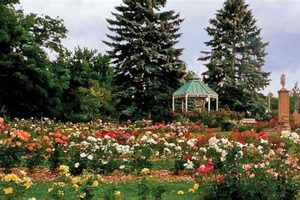
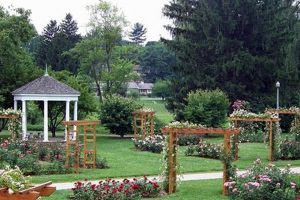
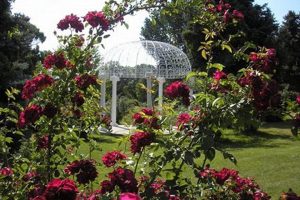
A structure providing shelter and ornamental value, frequently found within a dedicated planting of Rosa cultivars, serves as a focal point and resting place. These structures often feature open sides to allow for unobstructed views of the surrounding flora, while the roof provides shade and protection from light precipitation. Wisteria-draped arbors exemplify a related, though distinct, architectural element often incorporated into outdoor spaces.
The integration of such a structure into a carefully cultivated floral display offers aesthetic enrichment, creating a harmonious blend of architecture and nature. Historically, these constructs have served as gathering places for social interaction and contemplation, enhancing the overall ambiance of gardens. The presence of these structures can also increase property value by adding a desirable architectural feature.
The subsequent discussion will explore various design considerations, material options, and horticultural practices relevant to creating and maintaining an inviting and sustainable outdoor space featuring such a prominent garden element. Further topics include suitable climbing plants, structural maintenance, and integration with overall landscape design.
Enhancing the Rose Garden with a Gazebo
Careful planning and execution are essential for successfully incorporating a gazebo into a dedicated Rosa cultivation area. The following tips offer guidance on optimizing design, construction, and horticultural aspects for a harmonious and sustainable integration.
Tip 1: Site Selection: Prioritize locations receiving ample sunlight. Roses require a minimum of six hours of direct sunlight daily for optimal bloom production. Avoid shaded areas or locations prone to excessive moisture.
Tip 2: Structural Integrity: Ensure the gazebo foundation is stable and level. Consider soil composition and drainage when selecting foundation materials. Concrete footings are recommended for long-term stability.
Tip 3: Material Compatibility: Choose gazebo materials that complement the aesthetic of the rose cultivars and withstand local climate conditions. Weather-resistant wood, wrought iron, or composite materials are viable options.
Tip 4: Climbing Plant Selection: Select climbing roses or complementary vines appropriate for the gazebo’s structure and environmental conditions. Consider bloom time, growth habit, and disease resistance when making selections.
Tip 5: Pruning and Training: Implement a regular pruning and training regimen to maintain the desired shape and size of climbing plants. Proper pruning promotes airflow and reduces the risk of disease.
Tip 6: Irrigation and Drainage: Ensure adequate irrigation and drainage to prevent waterlogging and root rot. Consider installing a drip irrigation system for efficient water delivery.
Tip 7: Pest and Disease Management: Implement proactive pest and disease management strategies to minimize damage to roses and climbing plants. Regularly inspect plants for signs of infestation or disease.
Successful integration requires attention to structural integrity, horticultural compatibility, and ongoing maintenance. By implementing these recommendations, a harmonious and aesthetically pleasing outdoor space can be cultivated.
The subsequent section will delve into potential design styles, incorporating various landscaping techniques to maximize aesthetic appeal and functionality.
1. Structural Integrity

The longevity and safety of a garden structure, specifically a framework designed to support climbing roses, depend critically on structural integrity. This principle dictates the ability of the structure to withstand both environmental stressors and the increasing weight of mature climbing plants. Without adequate structural design and durable materials, the framework is susceptible to premature failure, potentially resulting in damage to the roses, posing a safety hazard, and incurring repair or replacement costs. For example, a wooden gazebo constructed with untreated lumber will degrade rapidly due to moisture and pest infestation, compromising its load-bearing capacity within a few years. Conversely, a well-engineered steel or treated wood structure, properly anchored to the ground, can support substantial rose growth for decades.
The structural design must account for factors such as wind load, snow load (in relevant climates), and the mature weight of the selected climbing rose varieties. Insufficient anchoring or inadequate cross-bracing can lead to instability and eventual collapse under these forces. Real-world examples of failures due to inadequate structural design abound, ranging from minor leaning to complete collapse during severe weather events. Furthermore, the choice of fasteners and joinery techniques significantly impacts the overall stability. Corrosion-resistant screws and bolts are essential to prevent weakening over time, especially in humid environments. A properly constructed foundation, such as a concrete slab or well-compacted gravel base, provides a stable platform and prevents settling, which can distort the frame and compromise its integrity.
In summary, structural integrity is not merely a desirable attribute but a fundamental requirement for a functional and safe garden structure. Careful consideration of material selection, load-bearing capacity, anchoring, and maintenance practices are critical to ensuring the long-term stability and enjoyment of the structure. Neglecting these principles leads to premature failure, potential safety hazards, and avoidable expenses. The subsequent phases of this exploration will address specific design considerations and maintenance strategies for optimizing structural performance.
2. Rose Variety Selection

The selection of appropriate rose varieties is paramount to the aesthetic success and functional harmony of a cultivated floral display incorporating a supporting architectural element. The chosen cultivars dictate the visual impact, influence maintenance requirements, and ultimately determine the longevity and appeal of the integrated design. Careful consideration of growth habits, bloom characteristics, disease resistance, and compatibility with the structural framework is therefore essential.
- Growth Habit and Climbing Ability
Different rose varieties exhibit varying growth habits, some being naturally suited for climbing, while others require extensive training and support. Selecting varieties with inherent climbing tendencies, such as ramblers or climbing hybrid teas, simplifies training and ensures the roses readily adapt to the supporting framework. For instance, a vigorous rambler like ‘Dorothy Perkins’ will quickly cover a substantial area, while a less vigorous hybrid tea may require years to reach full coverage. The ultimate size and weight of the mature rose must also be considered to avoid overburdening the structure.
- Bloom Characteristics: Color, Size, and Frequency
The color palette and bloom frequency of the chosen roses significantly impact the visual appeal of the garden feature. Selecting cultivars with complementary or contrasting colors can create visually striking displays. Furthermore, bloom frequency determines the duration of the floral display throughout the growing season. Some varieties offer a single, profuse bloom in spring or early summer, while others provide repeat blooms throughout the summer and into autumn. The size and form of the blossoms should also be considered in relation to the scale of the gazebo.
- Disease Resistance and Environmental Suitability
Disease resistance is a critical factor in maintaining the health and beauty of roses within the framework. Selecting disease-resistant varieties minimizes the need for chemical treatments and ensures the long-term viability of the planting. Furthermore, the chosen roses must be adapted to the local climate and soil conditions. Factors such as temperature extremes, humidity levels, and soil pH can significantly influence the success of different rose varieties.
- Structural Compatibility and Support Needs
The selected rose variety must be compatible with the design and structural capacity of the gazebo. Vigorous climbers require robust structures with adequate support to accommodate their weight and growth. The spacing of the structural elements should also be appropriate for the climbing habit of the roses. Some roses may require additional support in the form of wires or trellises to direct their growth and prevent them from becoming overly tangled.
In summary, the selection of appropriate rose varieties is a multifaceted decision that requires careful consideration of growth habits, bloom characteristics, disease resistance, environmental suitability, and structural compatibility. A well-considered selection ensures a visually stunning, healthy, and sustainable floral display that enhances the overall appeal of the outdoor space. The subsequent phase will delve into maintenance strategies.
3. Siting and Sunlight

The positioning of a garden structure designed for the cultivation of Rosa species, specifically with respect to solar exposure, represents a critical determinant of horticultural success. Strategic site selection directly impacts the health, vigor, and flowering potential of the roses, as well as the overall aesthetic integration of the structure within the surrounding landscape.
- Solar Exposure Requirements of Rosa Species
Most Rosa cultivars necessitate a minimum of six hours of direct sunlight daily to facilitate optimal photosynthesis and robust flowering. Inadequate solar exposure results in diminished bloom production, increased susceptibility to fungal diseases such as black spot and powdery mildew, and attenuated stem growth. Placement behind existing structures or under dense tree canopies should therefore be avoided. Geographic orientation should prioritize maximizing sunlight exposure during peak growing season hours. Consider the sun’s path throughout the year, accounting for seasonal variations in angle and duration.
- Impact of Gazebo Structure on Sunlight Penetration
The architectural design of the gazebo itself can influence the amount of sunlight reaching the roses. A solid roof provides significant shade, potentially limiting solar exposure to unacceptable levels. Open latticework or partial roofing allows for greater light penetration. Furthermore, the orientation of the gazebo relative to the sun’s path affects the shadow cast by the structure. Careful consideration of these factors during the design phase can mitigate potential shading problems.
- Microclimate Considerations and Mitigation Strategies
The immediate environment surrounding the garden structure creates a localized microclimate that can impact rose health. Proximity to paved surfaces or reflective walls can increase ambient temperatures, potentially stressing the plants. Conversely, placement in a low-lying area may result in poor air circulation and increased humidity, promoting fungal diseases. Mitigation strategies include selecting cultivars adapted to the specific microclimate conditions, providing adequate ventilation, and implementing appropriate watering practices.
- Integration with Existing Landscape Features
While maximizing sunlight exposure is paramount, the placement of the gazebo should also consider its integration with existing landscape features. Harmonious blending with the surrounding topography, vegetation, and architectural elements enhances the overall aesthetic appeal. Careful consideration of sightlines, access pathways, and visual balance ensures that the structure complements the landscape without appearing incongruous. Furthermore, the gazebo’s location can be strategically chosen to create focal points, define garden spaces, and enhance the overall spatial organization of the outdoor environment.
Effective site selection for a garden structure within a cultivated floral setting necessitates a comprehensive understanding of solar exposure requirements, architectural impacts, microclimate considerations, and landscape integration. Prioritizing these factors ensures the health and beauty of the roses, while simultaneously enhancing the aesthetic appeal and functional harmony of the outdoor space.
4. Drainage Considerations

Adequate drainage is a fundamental aspect of establishing and maintaining a flourishing cultivated floral display incorporating a structural element. The health and longevity of Rosa cultivars are directly contingent upon soil conditions that prevent waterlogging and promote optimal root aeration. Neglecting drainage considerations can lead to root rot, fungal diseases, and ultimately, the demise of the planting.
- Soil Composition and Permeability
The inherent properties of the soil substrate significantly influence drainage capacity. Clay-rich soils, characterized by fine particle size and limited pore space, impede water infiltration and promote water retention. Conversely, sandy soils exhibit rapid drainage, potentially leading to excessive dryness and nutrient leaching. Amending the soil with organic matter, such as compost or aged manure, improves soil structure, enhances drainage in clay soils, and increases water retention in sandy soils. The ideal soil composition for roses is a well-draining loam, characterized by a balanced mix of sand, silt, and clay particles.
- Surface Runoff Management
The topography of the site dictates surface water flow patterns. In areas with sloping terrain, runoff can accumulate around the base of the gazebo, saturating the soil and creating anaerobic conditions. Implementing strategies to manage surface runoff, such as constructing swales or installing drainage channels, diverts excess water away from the root zone. Grading the soil to promote positive drainage also prevents water from pooling near the structure. Consideration should be given to the proximity of impervious surfaces, such as walkways or patios, which can contribute to increased runoff.
- Subsurface Drainage Systems
In areas with heavy clay soils or high water tables, subsurface drainage systems may be necessary to effectively remove excess water. French drains, consisting of perforated pipes buried in gravel-filled trenches, provide a pathway for water to percolate away from the root zone. These systems can be strategically installed around the perimeter of the gazebo to intercept groundwater and prevent waterlogging. The design and installation of subsurface drainage systems should be based on a thorough assessment of soil conditions and hydrological characteristics.
- Container Drainage for Potted Roses
If container-grown roses are incorporated into the overall design of the floral display, ensuring adequate drainage within the containers is crucial. Select containers with drainage holes of sufficient size and quantity to allow for unrestricted water outflow. Use a well-draining potting mix formulated for roses, avoiding heavy soils that retain excessive moisture. Elevating the containers slightly above the ground surface facilitates drainage and prevents water from accumulating beneath the pots.
Therefore, the successful integration of a structural element within a flourishing rose garden necessitates a comprehensive approach to drainage management. From amending soil composition to implementing surface and subsurface drainage systems, careful consideration of hydrological factors ensures the long-term health and vitality of the Rosa planting, preserving the aesthetic beauty of the structural feature and its surrounding floral display.
5. Aesthetic Harmony

Aesthetic harmony, in the context of a Rosa garden structure, refers to the congruent interplay of visual elements, resulting in a cohesive and pleasing sensory experience. This harmony arises from the careful consideration of form, color, texture, and spatial relationships between the structural component, the botanical specimens, and the surrounding landscape. A lack of aesthetic harmony detracts from the overall visual appeal and may even diminish the perceived value of the space.
The structural design directly influences aesthetic harmony. A gazebo constructed from materials incongruent with the surrounding architecture or landscape can appear discordant. For example, a contemporary metal gazebo placed within a traditional cottage garden may clash visually. Similarly, the scale of the structure must be proportional to the garden’s size; an excessively large gazebo can overwhelm a small garden, while an undersized one may appear insignificant. Rose variety selection further contributes to harmony. The color palette, bloom form, and growth habit of the roses should complement the gazebo’s design and the overall landscape aesthetic. An example is the careful pairing of pastel-colored roses with a weathered wooden gazebo in a serene, romantic garden. Conversely, a vibrant color scheme might be more appropriate for a modern, minimalist structure.
Achieving aesthetic harmony in a garden setting requires a holistic approach that considers all visual elements as interconnected components. This understanding is practically significant for landscape architects, garden designers, and homeowners seeking to create visually appealing and inviting outdoor spaces. Challenges in achieving this harmony include balancing personal preferences with established design principles, adapting to evolving landscape features, and maintaining the visual balance over time as plants mature. The cultivation of a harmonious garden feature represents an ongoing process of observation, refinement, and adaptation, ultimately yielding a space that is both visually pleasing and emotionally fulfilling.
Frequently Asked Questions
This section addresses common inquiries concerning the design, construction, and maintenance of rose garden gazebos. The objective is to provide clear, concise, and factual information to assist in informed decision-making.
Question 1: What are the primary structural considerations for a rose garden gazebo to ensure longevity?
The fundamental structural considerations encompass material selection, foundation stability, and load-bearing capacity. Materials must withstand local climatic conditions, resisting rot, corrosion, and insect infestation. The foundation should provide a stable and level base, preventing settling or shifting. Load-bearing capacity must accommodate the mature weight of climbing roses, as well as wind and snow loads appropriate to the region.
Question 2: Which rose varieties are best suited for climbing on a gazebo structure?
Rose varieties suitable for climbing typically exhibit flexible canes and a vigorous growth habit. Ramblers, climbers, and some hybrid tea varieties are often selected. Considerations include bloom color, fragrance, disease resistance, and adaptability to the local climate. Consult local rose societies or horticultural experts for region-specific recommendations.
Question 3: How much sunlight is required for roses growing on a gazebo?
Most roses require a minimum of six hours of direct sunlight per day for optimal growth and bloom production. Insufficient sunlight leads to reduced flowering, weakened stems, and increased susceptibility to diseases. Orient the gazebo to maximize sun exposure, and consider pruning surrounding vegetation to minimize shading.
Question 4: What are the best practices for pruning roses growing on a gazebo?
Pruning techniques vary depending on the rose variety. Generally, remove dead, diseased, or crossing canes. Prune in late winter or early spring to encourage new growth. Train canes to climb the gazebo structure by tying them with soft twine or plant ties. Regular pruning promotes air circulation and reduces the risk of fungal diseases.
Question 5: What are common pest and disease issues affecting roses on gazebos, and how can they be managed?
Common pests include aphids, spider mites, and Japanese beetles. Diseases include black spot, powdery mildew, and rust. Implement integrated pest management strategies, including regular inspection, hand-picking pests, and applying appropriate insecticides or fungicides when necessary. Promote air circulation and avoid overhead watering to minimize fungal diseases.
Question 6: What is the recommended maintenance schedule for a rose garden gazebo?
A comprehensive maintenance schedule includes regular watering, fertilization, pruning, pest and disease control, and structural inspection. Monitor soil moisture levels and water deeply when the top inch of soil feels dry. Fertilize roses in early spring and again after the first flush of blooms. Inspect the gazebo structure annually for signs of damage or deterioration, and repair or replace components as needed.
In summary, the successful cultivation of roses on a garden structure requires diligent attention to structural integrity, horticultural practices, and ongoing maintenance. This section has provided essential information to guide these endeavors.
The subsequent article section will explore advanced design considerations for enhancing the aesthetic appeal and functionality of rose garden gazebos.
Conclusion
The preceding exploration has elucidated critical aspects pertaining to the establishment and maintenance of a rose garden gazebo. Key considerations encompass structural integrity, appropriate rose cultivar selection, strategic site placement maximizing solar exposure, effective drainage management, and the achievement of overall aesthetic harmony. Neglecting any of these factors compromises the long-term viability and visual appeal of the integrated design.
The information presented herein serves as a foundation for informed decision-making in the creation of enduring and visually compelling outdoor spaces. Successful implementation of these principles will yield not only a beautiful garden feature but also a sustainable ecosystem that enhances property value and provides lasting enjoyment. The continued advancement of horticultural knowledge and sustainable design practices will further refine the art and science of integrating floral displays with architectural elements.

![Find Rose Garden Funeral Home Obituaries: [Location] Tributes | The Ultimate Gardening Guide: Grow a Thriving Garden Year-Round](https://MyGardenPatch.com/wp-content/uploads/2025/07/th-1895-300x200.jpg "Find Rose Garden Funeral Home Obituaries: [Location] Tributes The Ultimate Gardening Guide: Grow a Thriving Garden Year-Round")