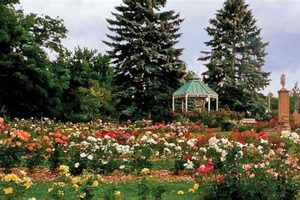
This particular floral display in the Swiss capital features a collection of rose varieties, irises, rhododendrons, and other flowering plants. It serves as a tranquil green space within the urban environment, attracting both residents and tourists seeking respite. Established in 1913 on the site of a former graveyard, the garden offers panoramic views of the Old City (Altstadt) of Bern, a UNESCO World Heritage site, and the Aare River.
The location’s significance extends beyond its aesthetic appeal. It provides a valuable space for relaxation, contemplation, and social interaction. The garden’s design incorporates not only a diverse range of flora but also benches and pathways, encouraging visitors to linger and appreciate the surrounding beauty. Historically, the transformation of the area from a cemetery to a public garden reflects a shift in societal values and urban planning principles, prioritizing green spaces for the well-being of the community. Its elevated position offers unparalleled perspectives, contributing to its appeal as a significant landmark.
The following sections will elaborate on the specific rose species cultivated, the garden’s maintenance and conservation efforts, and its role within the broader context of Bern’s cultural and recreational landscape. The subsequent information will provide further detail regarding accessibility, visitor amenities, and the impact of seasonal variations on the garden’s visual character.
The following points are presented to enhance the experience for those planning a visit. These tips aim to provide practical guidance regarding accessibility, optimal viewing times, and considerations for preserving the location’s tranquility.
Tip 1: Optimal Visiting Hours: To avoid peak crowds, consider visiting during the early morning or late afternoon. These times often offer a more serene environment for appreciating the floral displays and panoramic views.
Tip 2: Accessibility Considerations: While pathways are generally well-maintained, certain areas may present challenges for individuals with mobility limitations. Review accessibility maps or inquire at the entrance for information regarding accessible routes.
Tip 3: Preserving the Ambiance: Maintaining a respectful noise level is crucial to preserving the peaceful atmosphere. Loud conversations or disruptive behavior detract from the experience for other visitors.
Tip 4: Seasonal Variations: The peak bloom season for roses typically occurs during the late spring and early summer months. However, the garden maintains visual interest throughout the year with other flowering plants and foliage.
Tip 5: Photography Etiquette: While photography is generally permitted, avoid obstructing pathways or disturbing other visitors. Consider using natural light to minimize the need for flash photography, which can be disruptive.
Tip 6: Public Transportation: Utilizing Bern’s efficient public transportation system is recommended. The location is easily accessible by bus, tram, or funicular, reducing the need for parking.
Tip 7: Picnicking Guidelines: While picnicking may be permitted in designated areas, ensure that all waste is properly disposed of. Adherence to these guidelines helps maintain the cleanliness and integrity of the space.
These considerations will contribute to a more enjoyable and respectful visit. By observing these guidelines, visitors can fully appreciate the botanical beauty and historical significance of this location.
The concluding sections will further explore the surrounding attractions and cultural significance, offering a holistic perspective on Bern’s rich heritage.
1. Botanical Diversity

The botanical diversity within the rose garden in Bern constitutes a fundamental aspect of its appeal and horticultural significance. This diversity extends beyond a mere collection of roses, encompassing a range of plant species carefully selected to complement and enhance the overall aesthetic and ecological value of the garden.
- Rose Varieties
The core of the botanical diversity lies in the extensive collection of rose varieties. These encompass hybrid tea roses, floribunda roses, climbing roses, and historical varieties, each contributing unique colors, forms, and fragrances. The deliberate selection and arrangement of these roses create a dynamic visual experience, showcasing the breadth of the Rosa genus and demonstrating horticultural expertise.
- Companion Plants
Beyond roses, the garden incorporates a diverse array of companion plants. These include irises, rhododendrons, perennials, and annuals, carefully chosen for their compatibility with roses and their ability to extend the flowering season. These companion plants contribute contrasting textures, colors, and forms, enriching the overall visual composition and providing ecological benefits such as attracting pollinators.
- Landscape Design
The botanical diversity is further emphasized through the garden’s design. The arrangement of plants is not arbitrary but rather reflects a deliberate aesthetic plan. Different sections of the garden showcase different plant combinations and themes, creating a varied and engaging experience for visitors. The design also considers the ecological interactions between plants, promoting biodiversity and resilience within the garden ecosystem.
- Conservation and Education
Maintaining this high degree of botanical diversity is also an important part of conservation and educational practices. The inclusion of historic rose varieties helps to preserve genetic heritage, while providing opportunities for visitors to learn about the history and cultivation of roses. The garden therefore serves as a living museum, promoting botanical knowledge and appreciation.
In summary, the botanical diversity evident within the rose garden in Bern is a result of careful planning, expert cultivation, and a commitment to both aesthetic and ecological principles. This deliberate approach has resulted in a location that is not only visually appealing but also serves as a valuable resource for conservation and education.
2. Scenic viewpoint

The designation of a “scenic viewpoint” is intrinsically linked to the specific qualities and attributes of the rose garden in Bern. Its elevated location and deliberate design coalesce to create a vantage point offering expansive vistas. The gardens strategic position within the urban landscape enhances its value as a location from which to observe and appreciate the surrounding environment.
- Panoramic Vista of Bern’s Old City
The garden’s positioning provides an unobstructed view of Bern’s Altstadt, a UNESCO World Heritage site. This vista encompasses the medieval architecture, including the Zytglogge astronomical clock and the Mnster cathedral. The visual integration of the garden with these historical landmarks strengthens its cultural significance and enhances the visitor experience.
- River Aare Perspective
The location affords a comprehensive perspective of the Aare River, which encircles the Old City. The river’s presence adds a dynamic element to the landscape, contrasting with the static architecture and providing a sense of natural beauty within the urban context. The view extends beyond the immediate riverbanks, incorporating the surrounding hills and forests.
- Seasonal Transformation Observation
The scenic viewpoint allows for the observation of seasonal changes within the city and surrounding landscape. The varying colors and textures of the foliage, influenced by the time of year, contribute to a dynamic visual experience. These transformations provide a constantly evolving backdrop to the garden’s floral displays.
- Spatial Contextualization within the City
The elevated vantage point facilitates an understanding of Bern’s spatial organization. The relationship between the Old City, the river, and the surrounding neighborhoods becomes apparent, offering a contextualized view of the urban environment. This understanding enhances the visitor’s appreciation of Bern’s urban planning and historical development.
In summary, the strategic location of the rose garden in Bern transforms it into a significant scenic viewpoint. The confluence of historical landmarks, natural elements, and seasonal variations creates a visual panorama that significantly enhances the garden’s appeal and cultural value. The garden thus functions not only as a botanical display but also as a platform for experiencing and appreciating the urban landscape of Bern.
3. Historical transformation

The rose garden in Bern represents a physical manifestation of societal evolution, specifically through its transformation from a cemetery to a public garden. The site’s initial function as a burial ground reflects historical practices and community needs prevalent at the time of its establishment. However, changes in urban planning philosophies and a growing emphasis on public well-being prompted a re-evaluation of the space’s purpose. The decision to convert the cemetery into a garden signifies a shift in priorities, moving from remembrance and mourning to recreation and aesthetic appreciation. This transformation mirrors broader trends in urban development, where cemeteries are increasingly repurposed to serve as green spaces for the community. A comparable example is the “Cimitero Acattolico” (Non-Catholic Cemetery) in Rome, which, while still a functioning cemetery, is highly regarded for its artistic and peaceful environment. The alteration of the Bern site involved significant landscape modifications, including the removal of gravestones, the introduction of new soil, and the planting of a diverse range of flora. These changes demonstrate a commitment to creating a welcoming and visually appealing environment.
The importance of this historical transformation lies in its impact on the city’s identity and the quality of life for its residents. The rose garden provides a vital green space in an urban environment, offering a place for relaxation, social interaction, and aesthetic enjoyment. Furthermore, the transformation represents a forward-thinking approach to urban planning, prioritizing the needs of the living over the needs of the deceased in terms of land use. This is significant because cemeteries are often located in prime urban areas, making them potentially valuable assets for public recreation. Preservation of a historic narrative is also crucial in the transformation. Elements of the past, such as remaining memorial stones or historical markers, can be integrated into the garden’s design to acknowledge the site’s previous function and provide educational context for visitors. The integration of old and new elements further enriches the space’s character.
In conclusion, the historical transformation of the site into the rose garden is not merely a physical alteration but a symbolic representation of evolving societal values. The transition reflects a progressive approach to urban planning, demonstrating a commitment to public well-being and the creation of aesthetically pleasing green spaces. Understanding this historical context enhances appreciation for the location’s significance and its role in shaping the city’s identity. Preservation efforts and thoughtful design will ensure its continued value to the community for generations to come, maintaining the balance between honoring the past and embracing the future.
4. Tranquil atmosphere
The tranquil atmosphere within the rose garden in Bern is not merely a desirable attribute but a fundamental characteristic that significantly enhances its value as a public space and botanical display. This serenity is cultivated through a combination of factors, creating an environment conducive to relaxation, contemplation, and appreciation of natural beauty.
- Sound Mitigation Strategies
The deliberate integration of natural elements, such as dense foliage and strategically placed water features, functions to mitigate external noise pollution. This attenuates sounds from the surrounding urban environment, creating a more isolated and peaceful soundscape within the garden. The rustling of leaves, the gentle murmur of water, and the songs of birds contribute to a calming auditory experience, further enhancing the atmosphere of tranquility.
- Spatial Arrangement and Flow
The garden’s layout is designed to encourage a sense of calm and unhurried exploration. Winding pathways, secluded benches, and open lawns provide opportunities for visitors to find moments of solitude and quiet contemplation. The spatial arrangement minimizes crowding and promotes a sense of personal space, contributing to the overall feeling of serenity. The visual separation of different garden areas through plantings and changes in elevation further enhances the sense of privacy.
- Controlled Visual Stimuli
The carefully curated floral displays, while visually stimulating, are presented in a manner that avoids overwhelming the senses. The use of harmonious color palettes, balanced compositions, and natural textures creates a visually pleasing environment that promotes relaxation. The absence of jarring visual distractions, such as excessive signage or intrusive architectural elements, contributes to the overall sense of tranquility.
- Enforcement of Conduct Guidelines
The maintenance of a tranquil atmosphere is also supported by the enforcement of conduct guidelines that discourage disruptive behaviors. Restrictions on loud noises, unruly activities, and disrespectful interactions help to preserve the peaceful environment for all visitors. Signage reminding visitors of these guidelines, combined with the presence of park staff, reinforces the expectation of respectful behavior and contributes to the overall sense of tranquility.
These facets of sound mitigation, spatial arrangement, controlled visual stimuli, and enforcement of conduct guidelines, are intricately linked to the inherent qualities of the rose garden. The synthesis of these factors creates an environment where the visitor can effectively retreat from the surrounding urban environment and experience a moment of peace and tranquility, enriching the overall experience and solidifying its position as a valuable public asset.
5. Public recreation

The utilization of the rose garden in Bern as a space for public recreation is integral to its function within the city’s urban fabric. The garden serves as an accessible location for leisure activities, contributing to the physical and mental well-being of residents and visitors alike. The garden’s design and amenities are directly related to its capacity to facilitate various forms of public recreation.
- Passive Recreation and Relaxation
The garden’s tranquil environment promotes passive recreational activities such as strolling, reading, and contemplation. The presence of benches, shaded areas, and open lawns encourages visitors to relax and unwind amidst the natural beauty. This function is crucial for providing respite from the stresses of urban life. The garden’s strategic location, offering panoramic views, further enhances its appeal as a space for passive recreation, allowing individuals to connect with nature and appreciate the surrounding landscape.
- Social Interaction and Community Gathering
The rose garden serves as a venue for social interaction and community gatherings. Open spaces and well-maintained pathways facilitate conversations and interactions between visitors. The garden hosts occasional public events, such as concerts and horticultural displays, which further promote community engagement. This role as a social hub contributes to the garden’s importance as a place where people can connect, build relationships, and foster a sense of community.
- Physical Activity and Wellness
While primarily focused on passive recreation, the rose garden also supports certain forms of physical activity. The garden’s pathways provide opportunities for walking and light exercise. The inclined terrain offers a mild physical challenge for those seeking to incorporate movement into their visit. The garden’s serene environment promotes mindfulness and stress reduction, contributing to overall physical and mental wellness. However, more active forms of recreation are deliberately limited to preserve the tranquil atmosphere.
- Educational and Cultural Enrichment
The rose garden provides opportunities for educational and cultural enrichment. The diverse collection of plant species serves as a living classroom, allowing visitors to learn about botany and horticulture. The garden’s historical significance, as a transformed cemetery, provides insight into the city’s past. Informational signage and guided tours further enhance the educational experience. This dual role as a recreational and educational resource contributes to the garden’s broader value as a cultural asset.
The various facets of public recreation evident within the rose garden in Bern contribute to its significance as a valuable urban space. The garden’s ability to facilitate relaxation, social interaction, physical activity, and educational enrichment ensures its continued importance as a recreational resource for the community. The design and maintenance of the garden should continue to prioritize these aspects of public recreation to maximize its benefits for residents and visitors alike.
6. Cultural landmark
The rose garden in Bern transcends the definition of a mere botanical garden, functioning as a significant cultural landmark within the city. Its role extends beyond horticultural display, contributing to the collective identity, historical narrative, and social fabric of Bern.
- Symbolic Representation of Bern’s Identity
The garden’s prominence in promotional materials and tourist literature solidifies its standing as a symbol of Bern. The image of the garden, often featuring the Old City as a backdrop, frequently represents the city’s aesthetic and historical charm. This symbolic function positions the garden as a key element in Bern’s brand and contributes to its recognizability on a national and international scale.
- Preservation of Historical Memory
The location’s transformation from a cemetery to a garden encapsulates a historical narrative that reflects societal changes and evolving values. The garden serves as a physical reminder of this transformation, providing a tangible link to the city’s past. This connection to history elevates the garden beyond a mere recreational space, imbuing it with cultural significance.
- Venue for Cultural Events and Gatherings
The rose garden frequently serves as a venue for cultural events, including concerts, art exhibitions, and horticultural festivals. These events draw diverse audiences, fostering social interaction and community engagement. The garden’s role as a gathering place for cultural activities strengthens its importance as a cultural landmark.
- Inspiration for Artistic Expression
The garden’s aesthetic qualities serve as inspiration for artistic expression in various forms, including painting, photography, and literature. Artists and writers often depict the garden in their works, further cementing its place in the city’s cultural landscape. This artistic representation contributes to the garden’s iconic status and underscores its influence on the creative arts.
The interconnectedness of symbolic representation, historical memory, cultural events, and artistic inspiration culminates in the rose garden’s status as a cultural landmark in Bern. Its contribution extends beyond the aesthetic and recreational, enriching the city’s cultural identity and providing a tangible link to its past.
Frequently Asked Questions
The following questions address common inquiries regarding the location, features, and significance of this prominent landmark within the Swiss capital.
Question 1: What is the historical significance of the rose garden’s location?
The location was formerly a cemetery, transformed into a public garden in 1913. This transformation represents a shift in urban planning priorities, emphasizing the importance of green spaces for public well-being.
Question 2: What types of plants are cultivated in the rose garden besides roses?
In addition to a diverse collection of rose varieties, the garden features irises, rhododendrons, and other flowering plants, carefully selected to complement the roses and extend the flowering season.
Question 3: What views are offered from the rose garden?
The garden provides panoramic views of Bern’s Old City (Altstadt), a UNESCO World Heritage site, and the Aare River. Its elevated position enhances its value as a scenic viewpoint.
Question 4: Is there an admission fee to enter the rose garden?
No, entry to the rose garden is free. It is a public space accessible to all.
Question 5: Are there accessibility considerations for visitors with mobility limitations?
While pathways are generally well-maintained, certain areas may present challenges for individuals with mobility limitations. It is advisable to consult accessibility maps or inquire at the entrance for information on accessible routes.
Question 6: What is the best time of year to visit the rose garden for optimal rose viewing?
The peak bloom season for roses typically occurs during the late spring and early summer months. However, the garden maintains visual interest throughout the year with other flowering plants and foliage.
Understanding these fundamental aspects will enhance the visitor’s appreciation of the location’s unique qualities and historical context.
The following sections will delve deeper into the specifics of garden maintenance, conservation efforts, and the surrounding cultural landscape.
Conclusion
This exploration has illuminated the multifaceted nature of the rose garden bern. From its transformation of a former cemetery into a vibrant public space, its botanical diversity, to its commanding views of the Old City, the significance of this location is evident. Its role as a cultural landmark and tranquil retreat enhances its value within the urban environment.
Continued preservation and thoughtful management are essential to ensure the rose garden bern endures as a valuable asset for future generations. Recognizing and appreciating its intrinsic value fosters a deeper understanding of the city’s cultural heritage and the importance of accessible green spaces.

![Find Rose Garden Funeral Home Obituaries: [Location] Tributes | The Ultimate Gardening Guide: Grow a Thriving Garden Year-Round](https://MyGardenPatch.com/wp-content/uploads/2025/07/th-1895-300x200.jpg "Find Rose Garden Funeral Home Obituaries: [Location] Tributes The Ultimate Gardening Guide: Grow a Thriving Garden Year-Round")