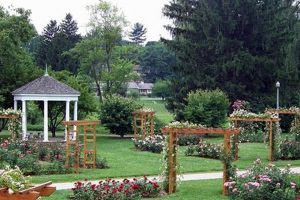
A dedicated area, often situated to receive optimal sunlight exposure in the Northern Hemisphere, featuring cultivated rose plants. The location’s orientation contributes significantly to the plants’ health and bloom quality. Proper placement ensures exposure to beneficial solar radiation, crucial for photosynthesis and floral development.
These cultivated spaces provide aesthetic value and contribute to biodiversity within the surrounding environment. Historically, such spaces have served as locations for horticultural experimentation, preservation of rare rose varieties, and public enjoyment. Their design often incorporates formal layouts, integrated irrigation systems, and carefully selected companion plants that enhance the overall health and beauty of the rose collection.
The following sections will delve into specific aspects of rose cultivation, including soil composition, pruning techniques, pest management strategies, and the selection of rose varieties suitable for diverse climates and garden designs.
Cultivation Strategies
This section outlines key practices for establishing and maintaining a thriving collection of roses. Adherence to these principles will foster robust growth, prolific blooms, and overall plant health.
Tip 1: Site Selection: Prioritize a location with a minimum of six hours of direct sunlight daily. Optimal solar exposure promotes vigorous growth and abundant flowering. Soil drainage is equally critical to prevent root rot. Amend heavy clay soils with organic matter to improve drainage and aeration.
Tip 2: Soil Preparation: Conduct a soil test to determine nutrient deficiencies and pH levels. Roses thrive in slightly acidic soil (pH 6.0-6.5). Incorporate compost, well-rotted manure, or other organic amendments to enrich the soil with essential nutrients. Ensure adequate drainage to prevent waterlogging.
Tip 3: Variety Selection: Choose rose varieties suited to the specific climate and soil conditions. Consider factors such as disease resistance, bloom color, fragrance, and growth habit. Consult with local horticultural experts or rose societies for recommendations on suitable varieties.
Tip 4: Planting Technique: Dig a planting hole twice as wide as the root ball and equally deep. Gently loosen the roots before placing the plant in the hole. Backfill with amended soil, ensuring the bud union (the point where the rose variety is grafted onto the rootstock) is positioned just above the soil line in warmer climates, or slightly below in colder regions to protect it from frost damage.
Tip 5: Watering Practices: Water deeply and infrequently, allowing the soil to dry slightly between waterings. Avoid overhead watering, as this can promote fungal diseases. Utilize a soaker hose or drip irrigation system to deliver water directly to the roots.
Tip 6: Pruning Techniques: Prune roses annually in late winter or early spring, before new growth begins. Remove dead, diseased, or crossing branches. Prune to open up the center of the plant, allowing for better air circulation and sunlight penetration. Proper pruning encourages vigorous growth and abundant blooms.
Tip 7: Pest and Disease Management: Monitor plants regularly for signs of pests or diseases. Implement preventative measures, such as proper sanitation, good air circulation, and appropriate fertilization. Treat infestations or infections promptly with organic or chemical controls, as appropriate.
Tip 8: Fertilization: Feed roses regularly with a balanced rose fertilizer, following the manufacturer’s instructions. Avoid over-fertilizing, as this can lead to excessive vegetative growth and reduced flowering. Consider using a slow-release fertilizer for sustained nutrient release.
Effective cultivation hinges on careful site selection, meticulous soil preparation, appropriate variety selection, and consistent maintenance. By adhering to these practices, one can cultivate a thriving and visually stunning display of roses.
The following sections will address advanced techniques in rose cultivation, including propagation methods, exhibition preparation, and the creation of specialized rose gardens.
1. Sunlight Optimization

Sunlight optimization represents a critical factor in the successful cultivation of roses, particularly within a north-facing garden. The cardinal direction influences the quantity and duration of direct sunlight exposure, thereby affecting plant health, bloom quality, and overall vitality. Insufficient sunlight impedes photosynthesis, the fundamental process by which plants convert light energy into chemical energy for growth and development. This deficiency can manifest as weak stems, reduced flowering, increased susceptibility to disease, and stunted growth. Therefore, maximizing the available sunlight becomes paramount in such a setting.
Strategies for optimizing sunlight exposure include strategic plant placement, the utilization of reflective surfaces, and careful pruning of surrounding vegetation. Selecting rose varieties that exhibit greater shade tolerance also proves beneficial. Examples of shade-tolerant roses include certain Hybrid Musk and Polyantha varieties, which demonstrate relatively robust flowering even with less than optimal sunlight. Furthermore, implementing structural modifications, such as the installation of trellises or arbors to elevate the plants, can enhance light capture. The impact of reflective materials, such as light-colored walls or strategically placed mirrors, can redirect ambient light towards the plants, supplementing direct sunlight.
The understanding and implementation of sunlight optimization techniques are essential for mitigating the inherent limitations of a northern exposure. While direct sunlight may be less abundant, proactive measures can significantly improve the growing conditions for roses, promoting healthy growth and prolific blooms. Failure to address this critical factor will likely result in suboptimal plant performance and diminished aesthetic appeal. Careful consideration must be given to the specific microclimate of the garden location.
2. Cold Hardiness

Cold hardiness constitutes a critical determinant of rose survival and performance in northern climates. The ability of a rose variety to withstand freezing temperatures and associated environmental stressors directly influences its long-term viability and aesthetic contribution within a northern-facing rose garden.
- Genetic Predisposition and Variety Selection
Cold hardiness is primarily an inherent genetic trait. Selecting rose varieties specifically bred for cold climates is paramount. These varieties, often originating from regions with similar temperature profiles, possess physiological adaptations that enable them to endure sub-freezing conditions. Examples include Canadian Explorer roses or certain Rugosa hybrids, known for their exceptional winter resilience. Failing to choose appropriate cultivars can lead to winter dieback, reduced flowering, or plant death.
- Acclimation and Dormancy
The process of acclimation, whereby roses gradually prepare for winter, is crucial for survival. As temperatures decline, roses undergo physiological changes, increasing their tolerance to cold. Premature or drastic temperature drops can disrupt this process, causing significant damage. Proper cultural practices, such as avoiding late-season fertilization, promote timely dormancy and enhance cold hardiness. Sudden temperature fluctuations can lead to bark split or other injuries.
- Rootstock Influence
The rootstock onto which a rose is grafted can significantly impact its overall cold hardiness. Certain rootstocks exhibit superior cold tolerance compared to others. Understanding the rootstock’s characteristics is essential for selecting roses that will thrive in colder regions. A cold-hardy rootstock can provide a buffer against extreme temperature fluctuations, protecting the more vulnerable bud union. Rootstock selection considerations should include regional climate data.
- Environmental Factors and Microclimates
Microclimates within a garden can substantially influence a rose’s ability to withstand cold. Areas sheltered from prevailing winds or those with southern exposures tend to be warmer than exposed locations. Utilizing these microclimates strategically can enhance the cold hardiness of marginally hardy varieties. Conversely, areas prone to frost pockets can increase the risk of winter damage. Garden design should account for these variations to optimize plant survival. Snow cover provides natural insulation, protecting plants from extreme cold.
The interplay between genetic predisposition, environmental factors, and appropriate cultural practices determines the success of a northern-facing rose garden. A comprehensive understanding of cold hardiness, coupled with informed variety selection and diligent winter protection measures, is essential for cultivating a flourishing and resilient collection.
3. Soil Amendment

The viability of a rose garden situated in a northern climate hinges critically upon the practice of soil amendment. Native soils often lack the structural integrity, nutrient content, and drainage capabilities necessary to support the robust growth and prolific flowering of roses. Consequently, the systematic modification of soil properties becomes an indispensable component of establishing and maintaining a successful rose garden in a northern environment. Without appropriate amendments, rose bushes exhibit stunted growth, reduced bloom production, and heightened susceptibility to disease and pest infestations. For example, heavy clay soils common in many northern regions impede drainage, leading to root rot, a lethal condition for roses. Conversely, sandy soils drain too rapidly, depriving plants of essential moisture and nutrients.
The strategic incorporation of organic matter, such as compost, well-rotted manure, and leaf mold, addresses these inherent deficiencies. Organic amendments improve soil structure, enhancing aeration and drainage in clay soils while simultaneously increasing water retention in sandy soils. Furthermore, these amendments provide a slow-release source of essential nutrients, promoting healthy root development and vigorous growth. The addition of specific mineral amendments, such as bone meal (phosphorus) and greensand (potassium), further optimizes the soil composition for rose cultivation. Regular soil testing informs the selection and application rates of amendments, ensuring that nutrient levels are balanced and pH is within the optimal range (6.0-6.5) for rose growth.
In summary, soil amendment constitutes a foundational practice for cultivating roses in a northern setting. It directly influences plant health, flowering capacity, and overall garden resilience. By diligently modifying soil properties to create a favorable growing environment, rose enthusiasts can overcome the limitations imposed by challenging soil conditions and achieve thriving, visually stunning rose gardens. Neglecting soil amendment invariably results in suboptimal plant performance and increased maintenance challenges. Therefore, a proactive approach to soil preparation and ongoing amendment practices is crucial for long-term success.
4. Drainage Control

Drainage control is paramount for the vitality of roses in a northern garden. Effective water management prevents root rot, a condition exacerbated by the colder temperatures and potentially waterlogged soils prevalent in such climates. Adequate drainage ensures root aeration, essential for nutrient uptake and overall plant health.
- Soil Composition and Structure
Soil composition dictates drainage rates. Clay soils, common in northern regions, retain excessive moisture. Amending heavy soils with organic matter (compost, aged manure) improves structure and permeability. Raised beds provide an elevated planting surface, enhancing drainage capacity and minimizing water accumulation around the root zone. Failure to address soil composition results in anaerobic conditions detrimental to rose roots.
- Grading and Slope
Proper grading directs surface water away from the rose beds. A slight slope promotes runoff, preventing water from pooling. Terracing on sloped land mitigates erosion and controls water flow. Incorrect grading leads to water accumulation, increasing the risk of root rot and fungal diseases. Site surveys can determine optimal grading strategies.
- Subsurface Drainage Systems
Subsurface drainage systems, such as French drains or perforated pipes, remove excess water from the soil profile. These systems are particularly useful in areas with high water tables or poorly draining soils. The installation of such systems requires careful planning and execution to ensure effective water removal without excessive drying. Geotextile fabric surrounding drainage pipes prevents silt buildup, maintaining system functionality.
- Watering Practices
Appropriate watering practices complement drainage control. Deep, infrequent watering encourages deep root growth, making plants more resilient. Overhead watering should be minimized to reduce foliar diseases. Monitoring soil moisture levels prevents overwatering, a common cause of drainage-related problems. Drip irrigation delivers water directly to the root zone, minimizing water loss and preventing saturation of the surrounding soil.
The interplay between soil structure, grading, subsurface drainage, and watering practices dictates the success of drainage control within a northern rose garden. Integrating these elements ensures a healthy root environment, minimizing the risk of waterlogged conditions and promoting robust plant growth and abundant flowering. Neglecting drainage control leads to a cascade of problems, ultimately compromising the health and longevity of the rose collection.
5. Variety Selection

Variety selection is a foundational element in the establishment and maintenance of a flourishing rose garden, particularly one oriented to the north. The selection process directly influences plant health, bloom quality, and long-term survival. Failure to consider the specific challenges posed by a northern exposure, such as reduced sunlight and colder temperatures, results in suboptimal growth, increased disease susceptibility, and ultimately, garden failure. The inherent characteristics of different rose varieties dictate their suitability for these conditions; therefore, informed variety selection serves as a crucial mitigating factor.
Several factors inform optimal variety selection for a northern rose garden. Cold hardiness is paramount. Cultivars bred for colder climates, such as the Canadian Explorer series or certain Rugosa hybrids, exhibit a greater tolerance for freezing temperatures and reduced winter dieback. Disease resistance is equally critical. Northern gardens often experience higher humidity levels, creating an environment conducive to fungal diseases like black spot and powdery mildew. Choosing disease-resistant varieties minimizes the need for chemical interventions. Furthermore, shade tolerance should be considered. While roses generally prefer full sun, certain varieties, such as some Hybrid Musks and Polyanthas, demonstrate reasonable flowering performance in partial shade. For example, ‘Ballerina’ (a Hybrid Musk) exhibits good shade tolerance and disease resistance, making it a suitable choice for a north-facing garden. The practical significance of these considerations is evident in the increased vigor, bloom abundance, and reduced maintenance requirements of appropriately selected varieties.
In conclusion, variety selection is not merely a matter of aesthetic preference but a critical determinant of success in a northern rose garden. Careful consideration of cold hardiness, disease resistance, and shade tolerance is essential for mitigating the challenges inherent in this environment. The diligent application of these principles translates into a thriving, visually appealing garden that endures despite the climatic constraints. While challenges related to specific regional conditions may persist, a sound approach to variety selection significantly enhances the likelihood of long-term success.
6. Winter Protection
Winter protection strategies are indispensable for the survival and sustained health of roses within a north-facing garden. The combination of reduced sunlight exposure and harsher winter conditions inherent in northern climates necessitates specific measures to mitigate potential damage from freezing temperatures, desiccation, and fluctuating weather patterns.
- Mulching for Root Insulation
Mulching serves as a critical insulating layer, safeguarding rose roots from extreme temperature fluctuations. A thick layer of organic mulch, such as straw, wood chips, or shredded bark, applied around the base of the plants, helps to maintain a more consistent soil temperature, preventing the repeated freeze-thaw cycles that can damage root systems. In the context of a rose garden, this practice significantly reduces the risk of root damage and promotes vigorous regrowth in the spring. Mulch applications should occur after the ground freezes to prevent rodent habitation.
- Stem Protection and Burlapping
Above-ground stems are susceptible to desiccation from cold winds and sun scald, particularly in the absence of insulating snow cover. Wrapping rose stems with burlap provides a protective barrier against these elements, reducing moisture loss and preventing bark damage. In high-wind areas, securing the burlap with twine ensures it remains in place throughout the winter. The implementation of this technique is crucial for preserving the structural integrity of the rose bushes and maintaining their potential for future flowering.
- Anti-Desiccant Sprays
Anti-desiccant sprays form a protective polymer layer on rose canes, reducing water loss during winter months. These sprays are particularly beneficial for evergreen or semi-evergreen rose varieties that continue to transpire even during dormancy. Application should occur on a dry, above-freezing day, ensuring thorough coverage of the stems and foliage. Anti-desiccant sprays augment other winter protection measures, providing an additional layer of defense against dehydration and winter damage.
- Windbreaks and Shelter
Strategic placement of windbreaks, such as evergreen shrubs or temporary screens, reduces exposure to harsh winter winds, minimizing desiccation and physical damage. Positioning rose bushes near south-facing walls or fences can also provide shelter from prevailing winds and create a slightly warmer microclimate. Consideration of prevailing wind direction is essential for effective windbreak placement. Constructing temporary shelters around particularly vulnerable varieties offers an additional layer of protection against extreme weather conditions.
Effective winter protection integrates these elements to create a comprehensive defense against the challenges posed by northern climates. Prioritizing root insulation, stem protection, moisture retention, and wind mitigation ensures the survival and long-term health of roses, allowing them to thrive and contribute to the aesthetic appeal of the garden. Neglecting these measures increases the risk of winter damage and significantly reduces the potential for successful rose cultivation.
Frequently Asked Questions
The subsequent questions address common concerns regarding the establishment and maintenance of rose collections in northern climates, with particular emphasis on factors influencing plant health and horticultural practices.
Question 1: What are the primary challenges associated with cultivating roses in a north-facing garden?
North-facing gardens receive less direct sunlight than other orientations, potentially inhibiting photosynthesis and reducing bloom quantity. Colder temperatures and increased humidity can promote fungal diseases. Additionally, the reduced solar radiation may impact soil temperature and nutrient availability.
Question 2: How does soil composition affect rose health in a northern climate?
Soil composition directly influences drainage and aeration. Heavy clay soils, common in northern regions, can retain excessive moisture, leading to root rot. Conversely, sandy soils may drain too quickly, depriving plants of essential moisture and nutrients. Amending soil with organic matter is crucial for improving drainage and nutrient retention.
Question 3: What rose varieties are best suited for northern climates?
Rose varieties bred for cold hardiness and disease resistance are essential. Canadian Explorer roses and certain Rugosa hybrids are known for their ability to withstand freezing temperatures. Selecting disease-resistant cultivars minimizes the need for chemical interventions.
Question 4: What winter protection measures are necessary for roses in a northern garden?
Mulching around the base of the plants insulates the roots, while wrapping stems with burlap protects against desiccation and sun scald. Anti-desiccant sprays reduce moisture loss from canes. Strategic placement of windbreaks minimizes exposure to harsh winter winds.
Question 5: How does drainage control impact rose survival in northern environments?
Effective drainage prevents root rot, a condition exacerbated by cold, waterlogged soils. Proper grading, soil amendment, and subsurface drainage systems ensure adequate root aeration and prevent water accumulation around the root zone.
Question 6: Is fertilization different for roses in a north-facing garden compared to other locations?
Fertilization should be tailored to soil test results and plant needs. Avoid late-season fertilization, as this can inhibit dormancy and reduce cold hardiness. Using a balanced rose fertilizer, supplemented with organic amendments, provides essential nutrients for healthy growth and bloom production.
The successful cultivation of roses in northern gardens necessitates careful consideration of environmental factors, informed variety selection, and diligent implementation of appropriate horticultural practices. Adherence to these principles increases the likelihood of a thriving and visually stunning rose display.
The subsequent section addresses advanced techniques in the management of specific rose diseases and pests relevant to northern climates.
Conclusion
This exposition has detailed critical factors for successful rose cultivation in a northern garden. Emphasis has been placed on optimizing sunlight, ensuring cold hardiness, amending soil, controlling drainage, carefully selecting varieties, and implementing winter protection strategies. These elements, when rigorously applied, mitigate environmental challenges and foster a thriving collection.
The enduring appeal of roses warrants dedicated efforts to adapt cultivation techniques to diverse climates. Continued research into disease-resistant varieties and innovative protection methods promises enhanced sustainability and aesthetic value. A commitment to informed horticultural practice remains essential for those seeking to cultivate these iconic plants in challenging environments.


![Find Rose Garden Funeral Home Obituaries: [Location] Tributes | The Ultimate Gardening Guide: Grow a Thriving Garden Year-Round](https://MyGardenPatch.com/wp-content/uploads/2025/07/th-1895-300x200.jpg "Find Rose Garden Funeral Home Obituaries: [Location] Tributes The Ultimate Gardening Guide: Grow a Thriving Garden Year-Round")