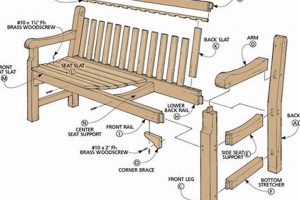
A framework, typically constructed from interwoven strips of wood, designed to support climbing plants in a horticultural setting. These structures provide vertical surfaces for vines, flowers, and vegetables to ascend, thereby enhancing the aesthetic appeal and functionality of outdoor spaces. An example includes a freestanding lattice panel used to cultivate climbing roses along a property boundary.
The strategic implementation of these supports offers several advantages. They maximize spatial efficiency in gardens, allowing for increased plant density without compromising sunlight exposure or air circulation. Historically, these structures have played a significant role in ornamental gardening and agricultural practices, serving both decorative and practical purposes. The vertical growth encouraged by these supports can also improve crop yields and facilitate easier harvesting.
The following sections will delve into the various types of these frameworks, materials employed in their construction, considerations for installation, and maintenance techniques to ensure their longevity and effectiveness in a garden environment.
Essential Guidance for Using Vertical Garden Supports
The following recommendations aim to optimize the utilization of these structures to promote healthy plant growth and enhance garden aesthetics.
Tip 1: Select Appropriate Wood Species: Opt for naturally durable wood, such as cedar or redwood, or pressure-treated lumber, to resist rot and insect infestation. These materials extend the lifespan of the structure, minimizing maintenance requirements. For instance, using cedar prevents the need for frequent chemical treatments.
Tip 2: Ensure Proper Construction Techniques: Employ robust joinery methods, such as screws or mortise-and-tenon joints, to provide structural integrity and withstand environmental stresses. Weak joints may fail under the weight of mature plants or during inclement weather.
Tip 3: Consider Load-Bearing Capacity: Evaluate the mature weight of the climbing plants being supported. The framework must be adequately reinforced to prevent collapse or deformation. This is particularly important for heavy vines like wisteria or grapes.
Tip 4: Promote Air Circulation: Design the structure with sufficient spacing between the wooden elements to allow for adequate airflow around the plants. This reduces the risk of fungal diseases and promotes healthy foliage growth.
Tip 5: Implement Protective Coatings: Apply a weather-resistant sealant or paint to protect the wood from moisture and UV damage. This prevents premature degradation and maintains the aesthetic appearance of the structure.
Tip 6: Anchor Securely: Ensure the framework is firmly anchored to the ground or a supporting structure to prevent tipping or displacement. Proper anchoring is crucial, especially in areas prone to strong winds.
Tip 7: Provide Adequate Plant Training: Gently guide and secure the climbing plants to the support as they grow. This encourages even distribution and prevents tangling or overcrowding.
Implementing these measures will contribute to the structural integrity, longevity, and horticultural effectiveness of vertical garden supports, creating an attractive and productive garden feature.
The subsequent sections will provide further insights into maintaining these structures and addressing common challenges associated with their use.
1. Structural Integrity

Structural integrity is paramount in the selection and implementation of garden wood trellises. The capacity of a trellis to withstand environmental stresses and the weight of mature plants directly influences its longevity and effectiveness. A compromised structure presents risks, including potential collapse and damage to both plants and surrounding areas.
- Wood Species Selection
The choice of wood species fundamentally affects the structural integrity of the trellis. Certain species, such as redwood and cedar, exhibit inherent resistance to decay and insect infestation, contributing to a more durable structure. Conversely, using less durable woods necessitates preservative treatments to mitigate degradation, potentially increasing maintenance requirements and environmental impact.
- Joinery Techniques
The method of joining the wooden components significantly impacts the overall strength and stability of the trellis. Utilizing robust joinery techniques, such as mortise-and-tenon joints or secure screw connections, distributes stress effectively and prevents premature failure. Inadequate joinery can result in weakened connections, leading to structural instability and eventual collapse, particularly under heavy loads or adverse weather conditions.
- Load-Bearing Capacity
An understanding of the mature weight of the climbing plants to be supported is crucial for determining the required load-bearing capacity of the trellis. Failure to account for this factor can result in overloading, causing deformation, bending, or complete structural failure. Reinforcement strategies, such as using thicker lumber or adding additional support elements, may be necessary to accommodate heavier plant species.
- Anchoring and Stability
Proper anchoring of the trellis to the ground or a supporting structure is essential for preventing tipping or displacement. This is particularly important in areas prone to high winds or unstable soil conditions. Adequate anchoring methods, such as concrete footings or deep ground stakes, ensure that the trellis remains securely in place, safeguarding both the structure and the plants it supports.
The aforementioned facets underscore the critical role of structural integrity in the successful utilization of garden wood trellises. The selection of durable materials, the implementation of robust construction techniques, careful consideration of load-bearing capacity, and secure anchoring are all vital to ensuring the long-term stability and functionality of the structure. A well-engineered trellis not only provides essential support for climbing plants but also enhances the aesthetic appeal and overall safety of the garden environment.
2. Material Durability

Material durability is a critical determinant of the lifespan and sustained functionality of any wooden trellis employed in a garden setting. The choice of material directly influences the structure’s resistance to environmental stressors, including moisture, temperature fluctuations, ultraviolet radiation, and biotic factors such as fungal decay and insect infestation. A trellis constructed from less durable materials will necessitate more frequent maintenance, repair, or eventual replacement, incurring increased costs and labor over time. For example, a trellis fashioned fr
om untreated pine will degrade rapidly when exposed to the elements compared to one built from naturally decay-resistant cedar or redwood.
The selection of durable materials for trellis construction presents a direct causal relationship with the longevity and overall performance of the structure. The initial investment in higher-quality, more resilient woods yields long-term benefits by reducing the need for ongoing maintenance and preserving the structural integrity of the trellis. Pressure-treated lumber offers a cost-effective alternative to naturally durable species, providing enhanced resistance to decay and insect damage. However, the treatment process and potential chemical leaching should be considered. Proper sealing and staining can also significantly improve the weather resistance of less durable wood species, prolonging their service life. Real-world examples include vineyards relying on robust, pressure-treated wooden trellises to support heavy grapevines for decades, while home gardens frequently utilize cedar trellises for climbing roses and clematis, appreciating their aesthetic appeal and long-lasting performance.
In summary, material durability is an indispensable component of a successful garden wood trellis. The initial selection of suitable materials, whether naturally resistant or treated for enhanced durability, determines the trellis’s capacity to withstand environmental challenges and support plant growth over an extended period. While cost considerations are relevant, prioritizing material durability ultimately translates to reduced maintenance, increased longevity, and a more sustainable garden structure. Challenges remain in balancing cost, environmental impact, and performance characteristics, but a thorough understanding of material properties is paramount for informed decision-making and achieving optimal results.
3. Design Aesthetics

The visual integration of a garden wood trellis within its environment is a critical factor in overall garden design. A well-designed trellis not only provides functional support for plants but also enhances the aesthetic appeal of the outdoor space. Consideration of design aesthetics ensures the trellis complements the existing landscape architecture and reflects the desired style of the garden.
- Style Compatibility
The trellis design should align with the prevailing style of the garden. A formal garden might benefit from a symmetrical, classically inspired trellis, while a cottage garden could feature a more rustic, informal design. For instance, a clean-lined, minimalist trellis would be appropriate for a contemporary garden, contrasting sharply with a Victorian-era garden that could incorporate ornate, intricately carved designs.
- Material Harmony
The wood species and finish should harmonize with the surrounding landscape and structures. Using wood that complements the color palette of the house or other garden features creates a cohesive visual effect. The texture of the woodsmooth, rough-hewn, or weatheredalso contributes to the overall aesthetic. A trellis constructed from reclaimed wood, for instance, can add a touch of rustic charm to a garden, while a painted trellis can provide a pop of color and coordinate with other garden elements.
- Form and Proportion
The shape and dimensions of the trellis should be proportional to the plants it supports and the space it occupies. A trellis that is too small may appear insignificant, while one that is too large can overwhelm the garden. The form of the trelliswhether it is a simple lattice, an arched structure, or a geometric designshould complement the shape of the plants and the overall garden layout. A fan-shaped trellis, for example, can be effective for espaliered trees or climbing roses.
- Integration with Planting
The design should consider how the trellis will interact with the plants that grow on it. The spacing of the trellis elements should allow for adequate air circulation and sunlight penetration to the foliage. The structure should also provide sufficient support for the plants as they mature. A sturdy trellis designed to accommodate the weight of a mature wisteria vine, for example, will differ significantly from a delicate trellis intended for annual climbing flowers.
These facets collectively underscore the importance of design aesthetics in the selection and placement of garden wood trellises. By carefully considering style compatibility, material harmony, form and proportion, and integration with planting, one can ensure that the trellis enhances both the functional and visual aspects of the garden, creating a cohesive and aesthetically pleasing outdoor space. The selection of a trellis is therefore not merely a matter of providing support for plants but an integral part of the overall garden design strategy.
4. Plant Support

Plant support, in the context of horticultural practices, is intrinsically linked to garden wood trellises. These structures facilitate vertical growth, optimize sunlight exposure, and enhance air circulation, all of which contribute to healthier and more productive plant development. The selection and implementation of appropriate trellis designs are therefore fundamental to providing effective plant support.
- Vertical Growth Guidance
Trellises provide a framework for climbing plants to ascend, maximizing space utilization and directing growth patterns. Without such support, many vining plants would spread horizontally, occupying excessive ground area and potentially shading other vegetation. For instance, a cucumber plant trained on a trellis will yield more fruit in a smaller space compared to one allowed to sprawl across the ground.
- Optimized Sunlight Exposure
By elevating plants, trellises ensure that leaves receive adequate sunlight, which is essential for photosynthesis. Increased light exposure promotes robust growth, flowering, and fruit production. An example is a climbing rose trained on a trellis, which receives sunlight throughout the day, leading to abundant blooms, compared to a rose bush shaded by other plants.
- Enhanced Air Circulation
Trellises promote air circulation around plant foliage, reducing the risk of fungal diseases and pests. Improved airflow allows leaves to dry more quickly after rainfall or irrigation, minimizing conditions favorable for disease development. A grapevine supported by a trellis, for example, is less susceptible to mildew due to enhanced air circulation around its leaves and fruit clusters.
- Structural Stability for Plants
Wood trellises offer physical stability, especially for plants with heavy fruits or delicate stems. The support prevents stems from breaking under the weight of foliage or fruit, and protects plants from wind damage. For instance, a tomato plant supported by a trellis or cage is less likely to topple over when laden with ripe tomatoes.
The connection between plant support and the garden wood trellis is therefore multifaceted, encompassing spatial optimization, enhanced light and air exposure, and structural stability. By strategically employing these structures, gardeners can cultivate healthier, more productive plants while simultaneously enhancing the aesthetic appeal of the outdoor environment. The selection of a trellis design should be
guided by the specific needs of the plants being supported, as well as the overall design objectives of the garden.
5. Spatial Efficiency

Spatial efficiency, in the context of garden design and cultivation, refers to the optimized utilization of available area to maximize plant growth and yield. The strategic implementation of garden wood trellises directly contributes to enhanced spatial efficiency by enabling vertical growth and reducing the ground space required for certain plant varieties. This approach is particularly beneficial in limited-space environments such as urban gardens or small backyards.
- Vertical Cultivation
Trellises facilitate vertical cultivation, allowing plants to grow upwards rather than sprawling horizontally. This reduces the footprint of individual plants, enabling a greater number of specimens to be cultivated within a given area. For instance, growing climbing vegetables like cucumbers or beans on a trellis can yield a significantly higher harvest per square foot compared to traditional ground cultivation methods.
- Layered Planting
Trellises permit layered planting schemes, wherein different plant species are strategically positioned at varying heights to maximize sunlight capture and resource utilization. Taller climbing plants supported by trellises can provide partial shade for lower-growing, shade-tolerant species, creating a more diverse and productive ecosystem. This approach is commonly used in permaculture and forest gardening techniques.
- Boundary Utilization
Trellises can be effectively employed along property boundaries or walls to create living screens or vertical gardens. This maximizes the use of otherwise unproductive areas, transforming them into visually appealing and functional spaces. A row of trellises covered in flowering vines can serve as a privacy screen, while simultaneously enhancing the aesthetic appeal of the landscape.
- Accessibility Optimization
Vertical cultivation facilitated by trellises can improve accessibility for maintenance and harvesting. By elevating plants, gardeners can more easily reach and tend to them, reducing the physical strain associated with bending and stooping. This is particularly beneficial for individuals with limited mobility or those cultivating plants that require frequent attention.
These interconnected facets demonstrate how garden wood trellises contribute to enhanced spatial efficiency in various garden settings. From maximizing yield in small spaces to creating aesthetically pleasing vertical landscapes, the strategic implementation of these structures allows for a more productive and visually engaging outdoor environment. Further investigation into specific trellis designs and plant pairings can reveal additional opportunities for optimizing spatial utilization in garden design.
6. Weather Resistance

Weather resistance constitutes a critical performance characteristic of garden wood trellises, directly influencing their longevity, structural integrity, and sustained functionality. The extent to which a wooden trellis withstands environmental factors, such as precipitation, temperature fluctuations, ultraviolet radiation, and wind, determines its ability to provide continued support for climbing plants. Degradation resulting from weather exposure can compromise the structural integrity of the trellis, potentially leading to collapse and damage to the supported plants. A prime example involves an untreated softwood trellis exposed to prolonged rainfall; the wood absorbs moisture, leading to rot, fungal growth, and eventual structural failure. Conversely, a trellis constructed from weather-resistant materials or treated with protective coatings exhibits enhanced durability and provides reliable support for a longer duration.
The selection of appropriate wood species and the application of protective treatments are pivotal in enhancing the weather resistance of wooden trellises. Naturally durable woods, such as cedar and redwood, contain oils and resins that render them resistant to decay and insect infestation. Pressure-treated lumber offers another approach to augmenting weather resistance, impregnating the wood with chemical preservatives that inhibit fungal growth and deter pests. Furthermore, the application of weather-resistant paints, stains, or sealants provides a protective barrier against moisture penetration and ultraviolet radiation, mitigating the effects of weathering. Practical applications include the use of cedar trellises in coastal environments, where they are exposed to high levels of humidity and salt spray, and the application of UV-resistant coatings to trellises in regions with intense sunlight.
In summary, weather resistance is an indispensable attribute of garden wood trellises, influencing their durability and functional lifespan. The choice of materials, coupled with appropriate protective treatments, directly determines the structure’s capacity to withstand environmental stressors and maintain its structural integrity. Addressing the challenges posed by weathering requires a comprehensive approach that considers both material selection and ongoing maintenance, ensuring the trellis provides sustained support for climbing plants while enhancing the aesthetic appeal of the garden.
Frequently Asked Questions
This section addresses common inquiries regarding the selection, installation, and maintenance of garden wood trellises to promote informed decision-making.
Question 1: What wood species are most suitable for trellis construction, considering longevity and resistance to decay?
Wood species with inherent resistance to decay and insect infestation are preferred. Cedar and redwood are frequently employed due to their natural durability. Pressure-treated lumber provides an alternative, offering enhanced resistance to degradation; however, users should consider potential environmental implications.
Question 2: What joinery methods are recommended for ensuring the structural integrity of a wooden trellis?
Robust joinery techniques are crucial for withstanding environmental stresses and the weight of mature plants. Mortise-and-tenon joints, secured with adhesives and fasteners, offer superior strength. Alternatively, screws provide reliable connections, particularly when used in conjunction with waterproof adhesives.
Question 3: How should a trellis be anchored to ensure stability, especially in areas prone to high winds?
Secure anchoring is paramount for preventing tipping or displacement. Concrete footings provide a stable foundation, particularly for freestanding trellises. Alternatively, deep ground stakes, driven below the frost line, can offer adequate support in less exposed locations. Consider wind load calculations when determining anchoring requirements.
Question 4: What protective treatments are advisable for extending the lifespan of a wooden trellis?
The application of weather-resistant sealants, paints, or stains protects the wood from moisture penetration and ultraviolet radiation. Select products specifically formulated for exterior use and apply them according to manufacturer instructions. Periodic reapplication is necessary to maintain protection.
Question 5: Ho
w can air circulation around climbing plants be optimized to prevent fungal diseases?
The design of the trellis should incorporate sufficient spacing between wooden elements to promote airflow. Avoid dense lattice patterns that restrict air movement. Pruning plants to remove overcrowded foliage further enhances air circulation.
Question 6: What factors should be considered when selecting a trellis design to complement the overall garden aesthetic?
The style of the trellis should align with the existing landscape architecture and the desired ambiance of the garden. Material harmony, form, proportion, and integration with planting are all important considerations. The trellis should enhance, rather than detract from, the visual appeal of the outdoor space.
The aforementioned questions and answers provide a foundational understanding of key aspects related to garden wood trellises. Adhering to these principles will contribute to the creation of a structurally sound, aesthetically pleasing, and horticulturally effective garden element.
The following section explores innovative applications and emerging trends in the utilization of garden wood trellises.
Conclusion
This exploration has underscored the multifaceted significance of the garden wood trellis. From its structural composition and material durability to its aesthetic integration and horticultural benefits, the framework proves pivotal for optimizing garden spaces. Effective implementation necessitates careful consideration of wood species, construction techniques, and protective measures to ensure longevity and sustained functionality.
As garden design continues to evolve, the garden wood trellis remains a cornerstone for both novice and experienced horticulturalists. Its ability to enhance spatial efficiency and support plant growth solidifies its importance. Further research and innovation will continue to refine its application, ensuring its enduring relevance in the landscape.