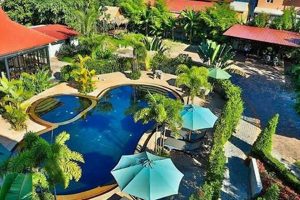
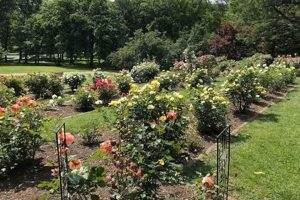
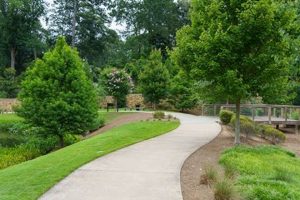
A designed outdoor space integrating aquatic elements with landscaping, intended for aesthetic enjoyment and often recreational use, exemplifies thoughtful environmental design. These areas may incorporate features like ponds, streams, waterfalls, and fountains, complemented by aquatic plants and sometimes fish or other aquatic life. A carefully planned environment of this nature provides an area for relaxation and contemplation within the urban landscape.
Such locations offer significant ecological and social advantages. They can improve local biodiversity by providing habitats for various species, contributing to urban cooling through evaporation, and enhancing the overall visual appeal of a community. Historically, the inclusion of water features in planned landscapes dates back centuries, reflecting a human desire to connect with nature and create serene, aesthetically pleasing environments. The integration of these aquatic features provides areas of respite and tranquility within built environments.
Subsequent discussions will delve into the specific design considerations, maintenance requirements, and diverse types of aquatic plantings commonly employed in the creation and upkeep of these specialized landscapes. Furthermore, an exploration of potential challenges, such as water quality management and invasive species control, will provide a complete overview of the factors that contribute to the long-term success of these spaces.
Design and Maintenance Guidance for Aquatic Landscapes
The following suggestions are designed to aid in establishing and maintaining sustainable and aesthetically pleasing aquatic environments. Careful planning and consistent upkeep are crucial for long-term success.
Tip 1: Site Assessment is Paramount. Comprehensive evaluation of soil composition, sunlight exposure, and existing drainage patterns is essential prior to any construction. Understanding these factors informs plant selection and prevents potential issues such as waterlogging or excessive algae growth.
Tip 2: Prioritize Native Plant Species. Utilizing indigenous aquatic flora promotes biodiversity and minimizes the risk of introducing invasive species. Native plants are also generally better adapted to local environmental conditions, reducing the need for excessive maintenance and chemical intervention.
Tip 3: Implement a Filtration System. A properly sized filtration system is critical for maintaining water clarity and preventing the buildup of harmful substances. Both mechanical and biological filtration methods should be considered based on the size and complexity of the aquatic environment.
Tip 4: Ensure Adequate Oxygenation. Maintaining sufficient oxygen levels is vital for the health of aquatic life and the prevention of anaerobic conditions. Waterfalls, fountains, or air pumps can be used to increase oxygen dissolution in the water.
Tip 5: Control Algae Growth Proactively. Preventative measures such as proper nutrient management and adequate sunlight control are more effective than reactive treatments. Consider utilizing barley straw or implementing beneficial bacteria to naturally inhibit algae proliferation.
Tip 6: Regular Monitoring and Maintenance. Consistent observation of water quality, plant health, and equipment functionality is necessary. Promptly address any issues such as leaks, algal blooms, or equipment malfunctions to prevent escalation.
Tip 7: Consider Wildlife Integration Carefully. Introducing fish or other aquatic animals requires careful consideration of their specific needs and potential impact on the ecosystem. Ensure adequate space, food supply, and predator protection.
Implementing these suggestions promotes a thriving and sustainable aquatic landscape, benefiting both the environment and the community it serves.
The subsequent analysis will explore specific case studies of successful aquatic landscapes and delve into the economic considerations associated with their construction and maintenance.
1. Design Aesthetics

Design aesthetics are an integral component of a successful water garden park, influencing user experience and shaping perceptions of the space. The visual and spatial arrangements within such environments directly impact visitor engagement and overall satisfaction. Careful consideration of color palettes, material selections, and the arrangement of aquatic and terrestrial elements contributes to a harmonious and inviting atmosphere. For instance, the deliberate use of contrasting textures between smooth water surfaces and rough stonework can create visual interest, drawing the eye and encouraging exploration. Similarly, the strategic placement of flowering aquatic plants can provide seasonal color and enhance the overall beauty of the landscape. The cascading design of the Butchart Gardens in Canada, showcasing carefully curated floral displays alongside serene water features, provides a tangible example of how thoughtful aesthetic planning can transform a space into a world-renowned attraction.
Furthermore, the integration of design aesthetics extends beyond purely visual considerations. It encompasses the creation of functional spaces that cater to diverse user needs. Pathways, seating areas, and viewing platforms must be designed to provide accessibility and comfort while complementing the natural environment. The use of sustainable materials and environmentally responsible construction techniques further enhances the park’s appeal, demonstrating a commitment to ecological stewardship. Consider the High Line in New York City, an elevated park built on a former railway line. Its design seamlessly blends industrial remnants with native plant life, creating a unique and engaging experience that respects both the history of the site and its ecological context.
In conclusion, the deliberate application of design aesthetics is paramount in creating a water garden park that is both visually appealing and functionally effective. It is not merely about surface-level beautification; rather, it is about creating a cohesive and immersive experience that fosters a connection between people and nature. By carefully considering visual elements, spatial arrangements, and sustainable practices, such locations can be transformed into valuable community assets that provide recreational opportunities, ecological benefits, and aesthetic enjoyment. Challenges may arise in balancing aesthetic preferences with practical constraints, but a holistic design approach that prioritizes both form and function is essential for long-term success.
2. Ecological Balance

Ecological balance constitutes a fundamental consideration in the creation and maintenance of any water garden park. The interplay between biotic and abiotic factors within these designed environments dictates their long-term viability and contributes to their broader environmental impact. Achieving a stable ecological equilibrium requires careful planning and ongoing management to prevent detrimental imbalances.
- Water Quality Management
Water quality is paramount, influencing all life within the aquatic ecosystem. Factors such as pH, dissolved oxygen levels, nutrient concentrations, and the presence of pollutants directly impact the health and survival of aquatic plants and animals. Improper water quality management can lead to algal blooms, fish kills, and the proliferation of undesirable species. For example, excessive phosphorus runoff from surrounding areas can trigger eutrophication, disrupting the ecological balance and diminishing the aesthetic appeal of the location.
- Plant Selection and Biodiversity
The selection of plant species significantly influences biodiversity and habitat provision within the aquatic landscape. Utilizing a diverse range of native plants creates a more resilient ecosystem, supporting a wider variety of invertebrates, amphibians, and birds. In contrast, the introduction of invasive plant species can outcompete native flora, reducing biodiversity and altering the ecological structure. The presence of a variety of plant life allows better oxygenation and filtration of the surrounding water.
- Fauna Integration and Control
The inclusion of fauna, such as fish, amphibians, and insects, adds complexity to the aquatic ecosystem. The careful selection of species that are compatible with the existing environment is essential. Overpopulation of certain species, such as carp, can lead to habitat destruction and water quality degradation. Implementing appropriate population control measures, such as stocking with native predators or physical removal, is necessary to maintain balance.
- Nutrient Cycling and Decomposition
Natural nutrient cycling is vital for ecosystem health. The decomposition of organic matter releases nutrients that are then utilized by plants, creating a closed-loop system. However, excessive accumulation of organic matter can lead to oxygen depletion and the release of harmful gases. Proper management of organic matter through regular removal of debris and the promotion of beneficial bacteria is essential for maintaining nutrient balance.
These interwoven elements of ecological balance are not merely theoretical considerations; they represent tangible factors that directly impact the functionality and sustainability of a water garden park. Successful management requires continuous monitoring, adaptive strategies, and a commitment to preserving the delicate equilibrium of the aquatic ecosystem. Parks exhibiting thoughtful ecological design will prove better adapted to change and provide a sustainable community space for future generations.
3. Water Management
Water management is a critical determinant of the long-term viability and aesthetic appeal of any water garden park. The intricate relationship between these two elements hinges on the cause-and-effect dynamics governing water quality, ecosystem health, and overall operational sustainability. Inadequate water management invariably leads to issues such as algal blooms, sedimentation, and the proliferation of undesirable aquatic species, directly detracting from the intended beauty and recreational value. Conversely, effective strategies, including filtration, circulation, and conservation, support a thriving aquatic environment, ensuring both ecological integrity and visual attractiveness. For example, the Royal Botanic Gardens, Kew, employs a sophisticated water management system for its aquatic plant collections, carefully controlling nutrient levels and pH to maintain optimal growing conditions and prevent disease.
Beyond purely aesthetic considerations, water management plays a vital role in the ecological function of a water garden park. Designed aquatic environments can serve as valuable habitats for various species, contributing to local biodiversity. However, this potential is realized only through responsible water management practices. Implementing strategies such as constructed wetlands for natural filtration, rainwater harvesting for water replenishment, and efficient irrigation systems for surrounding landscapes minimizes environmental impact and promotes resource conservation. Consider the example of Singapore’s Gardens by the Bay, which integrates advanced water treatment and storage technologies, capturing and recycling rainwater to irrigate its diverse plant collections and maintain its iconic Supertrees, thereby reducing its reliance on municipal water sources.
In conclusion, robust water management is not merely an adjunct to the operation of a water garden park; it is an indispensable prerequisite for its success. Effective strategies ensure aesthetic beauty, ecological health, and resource efficiency. Addressing challenges such as fluctuating water levels, pollution runoff, and climate change impacts necessitates a comprehensive and adaptive approach, incorporating technological innovation, sound ecological principles, and proactive community engagement. The long-term sustainability of these designed environments hinges on a continued commitment to responsible water stewardship.
4. Recreational Access

Recreational access forms a core element of a successful water garden park, enabling public interaction and promoting community well-being. The provision of accessible pathways, seating areas, and viewing platforms allows visitors to experience the aesthetic and ecological benefits of the aquatic environment. Limited or poorly designed access restricts engagement, diminishing the park’s value as a public amenity. For example, the Butchart Gardens in Canada, while renowned for its horticultural displays, prioritizes accessibility through well-maintained paths and strategically placed benches, ensuring diverse visitors can fully appreciate the landscape. The impact of recreational access directly influences visitor numbers, community satisfaction, and the overall perceived worth of the resource.
The integration of recreational opportunities requires careful consideration of environmental impact. High-traffic areas can lead to soil erosion, habitat disturbance, and water pollution. Implementing sustainable design principles, such as permeable paving, boardwalks, and designated viewing points, minimizes these negative effects. Education programs and interpretive signage can further promote responsible visitor behavior and enhance awareness of the aquatic ecosystem. A notable example is the restoration of urban waterways like the Cheonggyecheon Stream in Seoul, South Korea. This project transformed a previously concrete-covered river into a vibrant public space, providing accessible walkways and recreational areas while restoring the natural waterway.
In conclusion, recreational access is not merely an optional addition to a water garden park; it is a fundamental component that shapes its utility and social impact. Balancing accessibility with environmental protection requires thoughtful planning, sustainable design, and proactive management. Parks exhibiting well-integrated recreational access become valuable community assets, fostering a sense of connection to nature and promoting public health. Long-term sustainability hinges on ensuring equitable access for all while minimizing ecological disturbances.
5. Infrastructure Integrity

Infrastructure integrity is an indispensable element for the sustained functionality and longevity of a water garden park. The interconnected network of structural and mechanical systems underpinning these designed environments directly influences their aesthetic appeal, ecological health, and public safety. The failure to adequately address infrastructure integrity results in issues ranging from aesthetic degradation to significant safety hazards, ultimately diminishing the value and utility of the space. Components such as water circulation systems, pond liners, retaining walls, and pathways require diligent maintenance and periodic assessment to prevent structural compromise. The long-term operational stability and financial viability of a water garden park hinges on robust infrastructure management practices.
Practical implications of infrastructure integrity extend to operational efficiency and resource management. For example, a leaking pond liner not only compromises the aesthetic appeal of the water feature but also leads to water loss, increasing operational costs and potentially impacting the surrounding environment. Similarly, malfunctioning water pumps can disrupt the ecological balance by hindering oxygen circulation and filtration processes. Preventive maintenance programs, incorporating regular inspections and timely repairs, represent a cost-effective strategy for mitigating risks and ensuring the continued performance of critical infrastructure. The effectiveness of these programs is amplified through the implementation of modern monitoring technologies that facilitate early detection of potential issues, thus preventing costly repairs or replacements down the line. Furthermore, proactive assessment of infrastructure components under varying environmental conditions provides invaluable insight into long-term degradation patterns, allowing for targeted intervention and improved material selection during future construction or renovation projects.
In conclusion, infrastructure integrity forms the bedrock of a sustainable and functional water garden park. The implementation of a comprehensive maintenance strategy, incorporating preventative measures and proactive monitoring, is essential for ensuring the continued operation and aesthetic value of these designed environments. Neglecting this fundamental aspect poses a significant threat to the long-term viability of these spaces, impacting both their ecological integrity and public enjoyment. The consistent application of rigorous standards and practices across all aspects of the infrastructure network is thus imperative for realizing the full potential of a water garden park as a valuable community asset.
6. Community Engagement
Community engagement is a pivotal factor influencing the success and sustainability of a water garden park. Active participation from local residents fosters a sense of ownership and stewardship, transforming a passive space into a valued community asset. Cause-and-effect relationships demonstrate that increased involvement correlates with enhanced park maintenance, reduced vandalism, and greater utilization of the resource. Consider the example of the Brooklyn Bridge Park in New York City. Its success is largely attributed to consistent community input during the planning and development phases, resulting in a park that reflects the needs and preferences of the local population. This involvement translates into higher visitation rates and increased community support for ongoing maintenance and improvement initiatives. The absence of community engagement, conversely, can lead to neglect, underutilization, and even opposition to the park’s existence.
Practical applications of community engagement extend to diverse areas, including volunteer programs, educational workshops, and fundraising campaigns. Volunteer initiatives, such as park cleanups and habitat restoration projects, provide direct contributions to the park’s upkeep while fostering a sense of collective responsibility. Educational workshops, focusing on topics such as aquatic ecology and sustainable gardening practices, enhance community understanding and appreciation for the natural environment. Fundraising campaigns, involving local businesses and residents, ensure the long-term financial stability of the park. The High Line in New York City, another notable example, actively recruits volunteers to maintain its landscape, offering training and leadership opportunities. This has created a dedicated community of stewards who contribute significantly to the park’s ongoing success.
In summary, community engagement is not merely a supplementary element of a water garden park; it is an essential ingredient for its long-term sustainability and societal value. Challenges may arise in effectively soliciting and incorporating diverse community perspectives, but the benefits of fostering a strong sense of ownership far outweigh the logistical hurdles. The success of a water garden park, ultimately, hinges on its ability to serve as a vibrant hub that enriches the lives of the surrounding community. The correlation between active participation and a thriving water garden park is unmistakable, underscoring the importance of prioritizing community involvement throughout all stages of development and maintenance.
Frequently Asked Questions about Water Garden Parks
The following section addresses common inquiries regarding the establishment, maintenance, and ecological considerations associated with water garden parks. These responses aim to provide clarity and inform decision-making related to the creation and management of these unique environments.
Question 1: What distinguishes a water garden park from a standard park with a pond?
A water garden park is distinguished by the intentional and integrated design of aquatic elements as central features. Standard parks with ponds may incorporate water features as peripheral amenities. In contrast, a water garden park prioritizes the aquatic environment, carefully selecting plant and animal life to create a balanced ecosystem that enhances the overall park experience. Emphasis is placed on water quality, habitat provision, and the aesthetic integration of aquatic and terrestrial landscapes.
Question 2: What are the primary factors to consider when selecting a location for a water garden park?
Key considerations include water availability, soil composition, sunlight exposure, existing drainage patterns, and proximity to potential sources of pollution. A site with adequate water supply, suitable soil for aquatic plants, and sufficient sunlight is crucial. Minimizing the risk of runoff from surrounding areas is also essential to maintain water quality and prevent ecological imbalances. Existing infrastructure, such as utility access and transportation networks, can influence site selection as well.
Question 3: How can water quality be effectively managed in a water garden park?
Effective water quality management requires a multi-faceted approach, incorporating filtration systems, aeration techniques, and nutrient control strategies. Filtration systems remove particulate matter and organic debris. Aeration enhances oxygen levels, supporting aquatic life and preventing anaerobic conditions. Nutrient control minimizes algal blooms by limiting the availability of phosphorus and nitrogen. Regular monitoring of water parameters, such as pH, dissolved oxygen, and nutrient concentrations, is also necessary to detect and address potential problems.
Question 4: What are the challenges associated with integrating wildlife into a water garden park?
Introducing wildlife requires careful consideration of their specific needs and potential impact on the existing ecosystem. Overpopulation of certain species can lead to habitat destruction and water quality degradation. The introduction of non-native species can disrupt the ecological balance by outcompeting native flora and fauna. Ensuring adequate space, food supply, and predator protection is crucial for the well-being of introduced wildlife. Long-term success requires ongoing monitoring and adaptive management strategies.
Question 5: How can a water garden park contribute to local biodiversity?
A water garden park can enhance local biodiversity by providing habitats for a variety of aquatic and terrestrial species. Careful selection of native plants creates a diverse ecosystem that supports invertebrates, amphibians, birds, and other wildlife. The presence of open water attracts migratory birds and provides breeding grounds for aquatic animals. Minimizing the use of pesticides and herbicides further promotes biodiversity by protecting beneficial insects and other organisms.
Question 6: What are the long-term maintenance requirements for a water garden park?
Long-term maintenance involves regular monitoring of water quality, plant health, and infrastructure integrity. Algae control, debris removal, and sediment management are essential for maintaining water clarity and preventing ecological imbalances. Pruning and fertilization of aquatic plants ensure their continued health and aesthetic appeal. Periodic inspection and repair of infrastructure components, such as pond liners, pumps, and pathways, prevent structural failures and ensure public safety. A comprehensive maintenance plan, incorporating both preventative and reactive measures, is crucial for the sustained success of a water garden park.
In conclusion, water garden parks represent complex and dynamic environments that require careful planning and ongoing management. Addressing these frequently asked questions provides a foundation for informed decision-making and promotes the creation of sustainable and ecologically sound aquatic landscapes.
The subsequent section will delve into case studies of exemplary water garden parks, showcasing innovative design approaches and successful management strategies.
Conclusion
The preceding exploration has illuminated the multifaceted nature of the water garden park, emphasizing the importance of integrated design, ecological balance, sustainable water management, recreational access, infrastructural integrity, and community engagement. The effectiveness of any water garden park hinges on careful consideration of each element, ensuring a harmonious and functional environment.
Moving forward, a continued commitment to research and innovative practices remains paramount. Only through a dedication to these principles can the potential of the water garden park be fully realized, transforming underutilized spaces into ecological oases that enrich the lives of present and future generations.