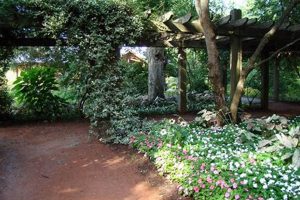
An immersive, outdoor educational program centered around plant life and ecosystems offers young people a unique opportunity to learn and grow during the summer months. These specialized programs typically take place within a designated area showcasing diverse flora, fostering direct interaction with the natural world. Activities often include plant identification, basic botany principles, and ecological studies, enhancing participants’ understanding of environmental science.
The value of such experiences extends beyond academic enrichment. Exposure to natural settings encourages responsibility, teamwork, and critical thinking. Historical precedents for outdoor educational programs can be traced back to early nature study movements, emphasizing the crucial role of hands-on learning in developing environmentally conscious citizens. The benefit for the children also includes the promotion of mental and physical well-being through engagement with nature.
The following sections will delve into specific aspects of these programs, including curriculum design, hands-on activities, safety considerations, and the impact on participants’ environmental awareness. Additionally, best practices for establishing and maintaining effective, engaging, and safe outdoor learning environments will be addressed. We will also explore the role of educators in creating a rich and supportive learning experience.
Tips for an Enriching Outdoor Plant-Focused Program
Optimizing the impact of plant-centric summer programs requires careful planning and execution. The following guidance offers practical recommendations for creating a successful and educational experience for young participants.
Tip 1: Emphasize Hands-On Learning: Direct interaction with plant life is crucial. Incorporate activities such as planting seeds, transplanting seedlings, and conducting soil analysis to enhance comprehension of botanical principles.
Tip 2: Foster Environmental Stewardship: Integrate lessons on conservation, sustainable practices, and the importance of biodiversity. Demonstrate responsible resource management and encourage participants to adopt eco-friendly habits.
Tip 3: Incorporate Interdisciplinary Connections: Link botanical studies with other subjects, such as art, history, and mathematics. Utilize plant-based dyes for artistic projects or explore the historical significance of certain plant species in different cultures.
Tip 4: Prioritize Safety Protocols: Implement comprehensive safety guidelines for outdoor activities, including instruction on identifying poisonous plants, preventing insect bites, and responding to weather-related emergencies. A well-defined emergency response plan is essential.
Tip 5: Develop Age-Appropriate Curriculum: Tailor learning materials and activities to the specific age group and developmental stage of the participants. Adapt lessons to accommodate varying levels of prior knowledge and learning styles.
Tip 6: Partner with Local Experts: Collaborate with botanists, horticulturalists, and environmental educators to provide specialized knowledge and expertise. Invite guest speakers to share their professional experiences and insights.
Tip 7: Utilize the Outdoor Environment: Maximize the use of the designated area’s natural features. Create walking trails, observation stations, and interactive displays to enhance the learning experience.
The aforementioned suggestions contribute to a more meaningful and impactful program that fosters a lifelong appreciation for the natural world. Careful attention to these details elevates the educational value and overall experience for all participants.
The next section will discuss the long-term benefits of nature-based education and strategies for sustaining participant engagement beyond the duration of the summer program.
1. Plant Identification Skills

Plant identification skills form a foundational component of any immersive, outdoor educational program focused on plant life. Within the context of a specialized learning environment, proficiency in recognizing and differentiating various flora is essential for both structured lessons and independent exploration. A direct cause-and-effect relationship exists: enhanced plant identification skills lead to a deeper understanding of botanical principles and ecological relationships within the educational environment. For example, campers capable of identifying native species can more readily participate in discussions about local ecosystems and conservation efforts.
The importance of plant identification extends beyond academic knowledge. Accurate identification is crucial for safety, enabling participants to avoid poisonous plants and allergic reactions. Furthermore, the ability to distinguish between species promotes a more profound appreciation for the diversity and complexity of the natural world. Consider a scenario where participants successfully identify a rare or endangered plant species; this fosters a sense of accomplishment and inspires a commitment to conservation. Practically, plant identification skills facilitate data collection for scientific inquiry, such as monitoring plant populations or studying the impact of environmental changes.
In summary, mastering plant identification skills is integral to maximizing the educational and experiential benefits of plant-focused summer programs. Challenges in this area, such as difficulty distinguishing similar species or lack of consistent practice, can be addressed through targeted instruction and hands-on activities. The broader theme of fostering environmental stewardship is directly supported by cultivating these essential identification abilities. It enables program participants to engage more effectively with the surrounding natural world and become informed advocates for plant conservation.
2. Ecosystem Understanding
A critical component of any effective outdoor program is a thorough comprehension of ecosystem dynamics. Within a setting designed for learning, an understanding of interrelationships is crucial for maximizing the educational impact. If participants grasp how biotic and abiotic factors interact, they can better appreciate the complexity and fragility of natural environments. For example, a lesson demonstrating the symbiotic relationship between pollinators and flowering plants enables participants to recognize the ripple effect of habitat loss or pesticide use. Comprehension of ecological principles transforms the experience from passive observation to active learning.
Ecosystem understanding has practical applications in conservation efforts. By studying food webs, nutrient cycles, and energy flows, participants develop a greater appreciation for the role of biodiversity and the importance of maintaining ecological balance. Consider a project where participants analyze soil samples to assess the health of the ecosystem; this hands-on experience reinforces their understanding of nutrient cycles and the impact of human activities on soil quality. The ability to identify indicator species, such as certain insects or plants, provides valuable insights into the overall health and stability of the environment.
In summary, ecosystem understanding is integral to fostering environmental stewardship and promoting responsible decision-making. Challenges in this area, such as difficulties in grasping complex ecological interactions, can be addressed through innovative teaching strategies and field-based investigations. The integration of ecological principles into the program curriculum is essential for ensuring that participants develop a holistic understanding of plant life and its role within broader environmental systems. Therefore, a setting designed for learning serves as a valuable tool for promoting ecological literacy and cultivating a generation of environmentally conscious citizens.
3. Conservation Awareness

The concept of conservation awareness is intrinsic to the success and purpose of summer programs within botanical gardens. These structured educational experiences provide a critical platform for instilling an understanding of the importance of preserving plant life and natural ecosystems. The cause-and-effect relationship is clear: exposure to botanical diversity and conservation principles leads to a heightened sense of environmental responsibility among participants. A real-world example is the impact of a program focusing on endangered plant species. Direct engagement with these plants, coupled with education on threats to their survival, cultivates a commitment to conservation efforts.
The value of conservation awareness extends beyond immediate program activities. Participants educated within a botanical garden setting are better equipped to make informed decisions regarding their environmental impact in their daily lives. Consider the practical application of understanding sustainable gardening practices; participants can implement these techniques at home, reducing water consumption and minimizing the use of harmful chemicals. Additionally, conservation awareness can inspire future careers in environmental science, horticulture, and related fields. Summer programs therefore serve as a catalyst for long-term engagement in conservation initiatives.
In conclusion, conservation awareness is not merely an add-on component but a core objective of botanical garden-based summer programs. The challenge lies in sustaining this awareness beyond the duration of the program. Linking program activities to broader environmental issues and providing ongoing opportunities for engagement can help to achieve this goal. The broader theme of environmental stewardship is directly supported by fostering a deep understanding of the need to conserve plant life and natural resources.
4. Hands-on Activities
Within a structured learning environment, the integration of hands-on activities serves as a cornerstone for effective education and enhanced learning outcomes. These activities, when deliberately incorporated into a program, provide tangible and memorable experiences that foster deeper understanding and skill acquisition among participants.
- Seed Germination and Plant Propagation
This activity involves direct engagement with the fundamental processes of plant life. Participants learn the optimal conditions for seed germination and the various methods of plant propagation, such as cuttings and layering. These techniques are applicable in gardening and agriculture. In a specialized educational setting, participants gain firsthand experience in nurturing new plants, understanding the principles of plant reproduction, and contributing to the propagation of plant collections.
- Soil Composition Analysis
Soil is a critical component of plant health, and this activity offers insights into its properties. Participants collect and analyze soil samples, assessing factors such as pH, nutrient content, and texture. The results inform decisions about soil amendments and fertilization strategies. Participants develop an understanding of soil science and its impact on plant growth, leading to informed decisions about sustainable land management.
- Botanical Illustration and Nature Journaling
This creative activity combines artistic expression with scientific observation. Participants create detailed drawings and written descriptions of plants, focusing on morphological features and ecological interactions. This process enhances observation skills, attention to detail, and scientific literacy. Participants develop a deeper appreciation for the beauty and complexity of the natural world, while also refining their artistic and communication skills.
- Ecological Monitoring and Data Collection
Participants engage in ecological monitoring by collecting data on plant populations, insect activity, and environmental conditions. This data is then analyzed to assess the health and stability of the ecosystem. Participants gain practical experience in scientific data collection and analysis, contributing to long-term monitoring efforts. This activity also instills a sense of responsibility for protecting the environment and promoting sustainable practices.
The aforementioned activities serve to solidify understanding. By providing opportunities for direct engagement with the natural world, these activities create a dynamic and memorable learning experience. The skills and knowledge acquired contribute to a deeper appreciation for the importance of plant life and environmental stewardship.
5. Outdoor Safety

The operation of a summer camp botanical garden necessitates rigorous adherence to outdoor safety protocols. This requirement stems directly from the potential hazards inherent in natural environments, including exposure to poisonous plants, insect bites, extreme weather conditions, and uneven terrain. Failure to implement comprehensive safety measures can result in injuries, illnesses, and legal liabilities. A real-world example involves the presence of poison ivy or oak, common in many botanical settings; without proper identification training and preventative measures, participants risk developing allergic reactions. Therefore, prioritizing safety is not merely a best practice, but a fundamental obligation.
Effective outdoor safety practices in this context encompass several key components. These include pre-camp medical screenings, thorough staff training in first aid and emergency response, and the establishment of clear communication channels. Equally important is the implementation of site-specific safety guidelines, such as designated walking paths, restrictions on unsupervised exploration, and protocols for dealing with wildlife encounters. Further examples include regular inspections of the grounds to identify and mitigate potential hazards, such as fallen branches or unstable structures, and the provision of adequate shade and hydration to prevent heat-related illnesses. Having emergency contacts are important in this context to ensure proper action.
In summary, outdoor safety is an indispensable element of a successful and responsible summer camp botanical garden. Challenges in this area, such as maintaining vigilance amidst engaging activities, can be addressed through consistent reinforcement of safety procedures and the cultivation of a safety-conscious culture. The broader theme of promoting environmental education is intrinsically linked to ensuring participant well-being, as a safe and secure environment fosters a more positive and impactful learning experience.
6. Curriculum Integration
Curriculum integration within a summer camp botanical garden setting enhances the educational experience by linking botanical studies to various academic disciplines. A cohesive curriculum, wherein plant science intersects with subjects such as art, mathematics, history, and literature, cultivates a more holistic understanding and appreciation for the natural world. This integrated approach moves beyond rote memorization of plant names and characteristics, encouraging participants to explore the interconnectedness of diverse fields of knowledge. A direct result of effective curriculum integration is increased engagement and retention of information. For example, participants might analyze leaf venation patterns using mathematical ratios or create botanical illustrations inspired by historical art movements. The botanical garden then ceases to be merely a collection of plants and transforms into a dynamic, interdisciplinary learning laboratory.
The practical application of curriculum integration manifests in diverse projects and activities. Mapping the garden using geometry and spatial reasoning skills provides a concrete link to mathematics. Studying the medicinal properties of plants connects botanical knowledge to health and wellness. Researching the historical uses of plants by indigenous cultures integrates history and anthropology. The camp could encourage a garden writing contest for campers as well. Participants might also examine the economic impact of specific plants, from agricultural crops to ornamental species, fostering an understanding of global trade and resource management. Such endeavors not only reinforce academic concepts but also promote critical thinking, problem-solving, and collaborative skills. Curriculum integration also provides a framework for addressing complex environmental issues, such as climate change, biodiversity loss, and sustainable agriculture, from a multidisciplinary perspective.
In summary, curriculum integration is a critical component of an effective summer camp botanical garden program. Challenges in achieving effective integration may include limited resources, lack of teacher training in interdisciplinary approaches, and rigid adherence to traditional subject boundaries. However, overcoming these challenges yields significant benefits, fostering a deeper, more meaningful connection between participants and the natural world. This interconnectedness empowers participants to become informed and engaged citizens capable of addressing the environmental challenges of the future, ensuring the long-term sustainability of the botanical garden and the planet.
Frequently Asked Questions
The following questions and answers address common inquiries regarding educational programs centered on plant life and ecosystems offered to young people during the summer months.
Question 1: What is the primary objective of a Summer Camp Botanical Garden?
The overarching goal is to foster an appreciation for plant science and environmental stewardship through hands-on learning and direct interaction with nature. Programs aim to cultivate a deeper understanding of botanical principles, ecological relationships, and conservation practices.
Question 2: What types of activities are typically included in the curriculum?
Common activities encompass plant identification, basic botany lessons, ecological studies, gardening techniques, and conservation projects. The specific activities will vary depending on the age group and focus of the individual program.
Question 3: What measures are taken to ensure the safety of participants?
Safety is paramount. Programs implement comprehensive safety protocols, including pre-camp medical screenings, staff training in first aid and emergency response, and site-specific safety guidelines. Regular inspections of the grounds are conducted to identify and mitigate potential hazards.
Question 4: What age groups are typically accommodated?
Programs generally cater to a range of age groups, from elementary school to high school students. Age-appropriate activities and curriculum are developed to meet the specific needs and learning styles of each age group.
Question 5: What are the long-term benefits of participating in a Summer Camp Botanical Garden?
Participants may experience increased environmental awareness, improved scientific literacy, enhanced problem-solving skills, and a greater appreciation for the natural world. These experiences can also inspire future careers in environmental science, horticulture, or related fields.
Question 6: How can the program contribute to the advancement of environmental education?
These settings provide a unique outdoor classroom for experiential learning that is directly tied to specific environmental outcomes. The experiential learning can have a long-term impact that promotes environmentally responsible behavior.
The benefits of the program extend from educational enrichment to environmental responsibility. The information provided here gives a clear insight to the role and benefits of outdoor programs that educate young people.
The following section will explore the economic impact and funding opportunities associated with outdoor programs.
Conclusion
This exploration of “summer camp botanical garden” reveals its significance as a potent instrument for environmental education and youth development. The integration of hands-on learning, ecosystem understanding, and conservation awareness within a safe, outdoor setting contributes to a transformative experience for participants. The curriculum’s interconnection with varied academic subjects strengthens analytical reasoning skills and creates a comprehensive knowledge base.
Continued investment in and support of “summer camp botanical garden” programs are essential to cultivate a generation of environmentally conscious and scientifically literate citizens. Sustained engagement with these initiatives promises a future where environmental stewardship and informed decision-making are valued and practiced, contributing to the long-term health of both local ecosystems and the planet.