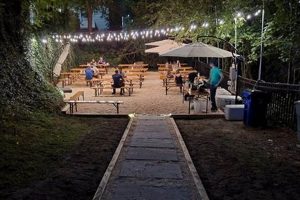
This horticultural space offers a variety of themed areas designed to stimulate imagination and promote learning through interaction with nature. These carefully curated environments often include miniature landscapes, interactive exhibits, and opportunities for hands-on exploration, providing an engaging experience for young visitors. It serves as a place where children can connect with the natural world.
These dedicated areas provide significant educational and recreational value. The environment fosters a deeper appreciation for ecology, botany, and environmental stewardship. Exposure to the outdoor environment encourages physical activity, reduces stress, and enhances cognitive development. Further, such initiatives can cultivate a sense of community and provide a safe, enriching experience for families.
The following article will explore the specific design principles, educational programs, and community impact of such initiatives. A deeper understanding of these aspects will highlight the crucial role such spaces play in fostering a connection between children and the natural world.
Guidance for Cultivating Engaging Child-Centered Horticultural Spaces
The following suggestions provide a framework for developing enriching environments where young individuals can connect with the natural world through carefully designed spaces and interactive exhibits.
Tip 1: Prioritize Sensory Engagement: Incorporate elements that appeal to multiple senses, such as fragrant herbs, textured plants, and water features, to enhance the learning experience. For example, a “touch and feel” garden bed containing lamb’s ear and fuzzy succulents encourages tactile exploration.
Tip 2: Design Themed Areas: Create distinct zones with unique themes, such as a butterfly garden, a vegetable patch, or a miniature fairy garden, to stimulate imagination and provide diverse learning opportunities. Each zone should offer age-appropriate activities and educational signage.
Tip 3: Emphasize Accessibility: Ensure the space is inclusive and accessible to all children, including those with disabilities. Ramps, wide pathways, and raised garden beds can facilitate participation for individuals with mobility challenges.
Tip 4: Integrate Educational Components: Embed learning opportunities throughout the space, such as signage identifying plant species, interactive displays explaining ecological concepts, and hands-on activities demonstrating the life cycle of plants.
Tip 5: Promote Sustainable Practices: Demonstrate environmentally responsible practices, such as composting, water conservation, and the use of native plants, to foster an understanding of environmental stewardship. Establish a rainwater harvesting system or incorporate a composting demonstration area.
Tip 6: Foster Collaboration: Engage the community through volunteer opportunities, workshops, and partnerships with local schools and organizations. Community involvement can expand resources and enhance the reach of the learning environment.
Tip 7: Encourage Exploration and Discovery: Provide opportunities for unstructured play and exploration, allowing children to discover the wonders of nature at their own pace. Construct a hidden pathway or provide tools for digging and investigating soil.
By incorporating these elements, the cultivated horticultural space can become a valuable resource for fostering environmental awareness, promoting physical activity, and enhancing cognitive development in young visitors.
The subsequent sections of this article will further elaborate on the practical application of these strategies and discuss the long-term benefits of engaging children with the natural world.
1. Imaginative Play

Imaginative play forms a cornerstone of the developmental benefits derived from horticultural spaces designed for children. The deliberate incorporation of features that stimulate fantasy and role-playing is directly linked to cognitive and social-emotional growth. For example, the presence of miniature houses, fairy gardens, or constructed natural amphitheaters within a children’s garden provides a physical context for children to enact stories, create narratives, and explore social dynamics. This freedom to invent and act out scenarios cultivates creativity and problem-solving skills, contributing to the development of executive functions.
The presence of natural elements amplifies the impact of imaginative play. Unlike static or pre-fabricated play structures, natural materials such as sticks, stones, and plants offer open-ended possibilities. A child might use a stick as a wand, a building tool, or a bridge in their imaginative scenarios. The lack of prescribed function encourages children to think flexibly and adapt their play to the available resources. Moreover, the interaction with living plants and organisms fosters a sense of wonder and curiosity, fueling further exploration and imaginative storytelling. The combination of structured play zones and unstructured natural elements is integral to maximizing the potential of imaginative play within children’s gardens.
In summary, imaginative play is not merely a recreational activity; it is a vital component of a child’s cognitive and social development, which is fostered by the design of these outdoor spaces. Children’s Gardens that prioritize opportunities for imaginative play through thematic gardens, natural materials, and unstructured play areas are more likely to positively influence children’s problem-solving skills, creative thinking, and social interaction. The strategic utilization of garden design principles contributes to a child’s holistic development.
2. Sensory Experiences

Sensory experiences are a fundamental aspect of the design and functionality of children’s gardens. These curated environments aim to engage children’s senses in a way that fosters learning, exploration, and appreciation for the natural world. The following facets outline the key components of sensory engagement within such horticultural spaces.
- Tactile Exploration
Tactile experiences in children’s gardens involve the intentional inclusion of plants with varying textures, such as soft lamb’s ear, prickly succulents, and smooth river stones. These elements encourage children to explore the world through touch, enhancing their understanding of different materials and textures. Direct contact with soil, water, and plant surfaces also supports the development of fine motor skills and tactile discrimination, crucial for early childhood development.
- Olfactory Stimulation
Scented gardens, featuring herbs like lavender, rosemary, and mint, stimulate the olfactory sense and evoke memories and emotions. The incorporation of fragrant flowers and foliage creates an immersive environment th
at enhances the overall sensory experience. Olfactory stimulation has been shown to have a calming effect, reducing stress and promoting relaxation. This element also introduces children to the diversity of natural scents and their connection to plant life. - Visual Engagement
Visual stimulation is achieved through the use of diverse colors, shapes, and patterns in the garden design. The arrangement of plants, flowers, and hardscape elements creates visually appealing scenes that capture children’s attention. Brightly colored flowers, intriguing plant structures, and whimsical garden art contribute to a visually stimulating environment. The visual diversity enhances cognitive development, promotes observation skills, and encourages appreciation for aesthetic beauty in nature.
- Auditory Awareness
Sound plays a critical role in shaping the sensory experience. The inclusion of water features, such as fountains or streams, provides calming sounds that contrast with the rustling of leaves and the chirping of birds. Creating auditory experiences heightens awareness of the natural sounds and reinforces the connection to the environment. Sound elements create a multi-sensory learning environment, strengthening the connection to the surrounding ecosystem.
The deliberate integration of tactile, olfactory, visual, and auditory elements within children’s gardens creates a comprehensive sensory experience that promotes holistic development. By engaging multiple senses, children develop a deeper appreciation for nature, enhance their cognitive and motor skills, and foster emotional well-being. These carefully designed sensory experiences are essential in realizing the full potential of children’s gardens as valuable educational and recreational resources.
3. Educational programs

Educational programs within children’s gardens serve as structured extensions of the inherent learning opportunities provided by the garden environment itself. These programs are designed to enhance children’s understanding of ecological concepts, promote environmental stewardship, and foster a deeper connection with the natural world. The effectiveness of these programs hinges on their ability to integrate hands-on activities, inquiry-based learning, and alignment with educational standards.
- Horticultural Workshops
Horticultural workshops offer children the opportunity to learn about plant life cycles, propagation techniques, and sustainable gardening practices. For instance, a workshop might involve planting seeds, transplanting seedlings, or creating compost. These activities provide practical experience and reinforce concepts related to botany and environmental science. Children gain a sense of responsibility as they nurture plants and observe their growth, fostering an appreciation for the complexities of nature. These workshops often incorporate age-appropriate lessons on the importance of biodiversity, water conservation, and soil health.
- Ecosystem Exploration
Ecosystem exploration programs focus on the interrelationships between living organisms and their environment. Guided walks and interactive exhibits within the garden provide opportunities for children to observe insects, birds, and other wildlife in their natural habitats. Activities such as pond dipping, insect identification, and birdwatching foster curiosity and promote ecological awareness. These programs aim to illustrate the delicate balance of ecosystems and the impact of human activities on the environment. By understanding the interconnectedness of life, children develop a sense of responsibility for protecting natural resources.
- Environmental Art Activities
Environmental art activities encourage children to express their creativity while engaging with natural materials. Activities such as nature collages, leaf rubbings, and land art installations foster an appreciation for the aesthetic qualities of the natural world. These activities provide a platform for children to connect with their environment on an emotional level. They can deepen their understanding of ecological concepts, promoting a sense of stewardship. Utilizing found objects in a creative manner promotes resourcefulness and reduces waste, reinforcing sustainable practices.
- Storytelling and Nature Literature
Storytelling and nature literature programs leverage the power of narrative to engage children’s imaginations and impart environmental knowledge. Reading stories about plants, animals, and ecosystems can spark curiosity and promote empathy for the natural world. Interactive storytelling sessions, nature-themed book clubs, and dramatic performances bring environmental concepts to life, making them more accessible and memorable. These programs promote literacy skills, while instilling a lifelong appreciation for nature and the environment.
The integration of these diverse educational programs within a children’s garden offers a holistic approach to environmental education. Hands-on activities, ecosystem exploration, environmental art, and storytelling combine to create a rich learning environment. Children not only acquire knowledge about the natural world but also develop essential skills, such as critical thinking, problem-solving, and collaboration. The intention is that these structured activities can ultimately foster a lifelong commitment to environmental stewardship and responsible citizenship.
4. Community engagement
Community engagement represents a critical component of a thriving horticultural space designed for children. The reciprocal relationship between the garden and its surrounding community fosters a sense of ownership, increases accessibility, and enhances the educational impact of the space. The integration of community members into the garden’s operations and programs leads to a more sustainable and vibrant environment for all. For example, volunteer programs involving local residents in garden maintenance and development ensure the long-term upkeep of the space while fostering a sense of pride and responsibility.
Furthermore, collaborative partnerships with local schools and organizations expand the reach of educational initiatives. Schools can integrate garden visits into their curriculum, providing hands-on learning experiences that complement classroom instruction. Local businesses can contribute resources and expertise, such as providing gardening supplies or sponsoring educational events. These partnerships not only enhance the garden’s programming but also strengthen community bonds and promote a shared commitment to environmental education. The success of many children’s gardens is directly attributable to these partnerships, ensuring the gardens remain a valuable resource for the entire community.
In conclusion, community engagement is not merely an ancillary activity but an essential element for the successful operation and impact of a horticultural space dedicated to children. By fostering collaboration, building partnerships, and cultivating a sense of ownership among community members, these spaces can thrive as valuable resources for education, recreation, and environmental stewardship, with lasting positive effects for both children and the broader community.
5. Environmental stewardship

Environmental stewardship represents a core guiding principle in the design and operation of children’s gardens. The intentional incorporation of sustainable practices serves not only to minimize environmental impact but also to educate young visitors about the importance of responsible resource management. Practical examples of this commitment include the utilization of rainwater harvesting systems to reduce water consumption, the implementation of composting programs to minimize waste and enrich soil, and the selection of native plant species to support local biodiversity. The direct consequence of these actions is a reduced ecological footprint and a heightened awareness among children of their role as environmental stewards.
Children’s gardens frequently integrate educational signage and interactive exhibits that highlight the environmental benefits of these practices. Demonstrations of composting, explanations of water conservation techniques, and displays showcasing native flora and fauna provide tangible learning opportunities. The hands-on engagement with these sustainable practices encourages children to internalize the principles of environmental responsibility and to apply them in their own lives. Moreover, the long-term maintenance of the garden often involves community participation, further reinforcing the importance of collective action in promoting environmental stewardship. The practical effect of this integration is a cohort of environmentally conscious children who are equipped to make informed decisions about their relationship with the natural world.
In summary, environmental stewardship serves as an essential component of a holistic approach to children’s garden design and programming. By demonstrating sustainable practices and educating children about their environmental impact, these gardens cultivate a sense of responsibility and empower future generations to protect and preserve the natural world. This emphasis on environmental stewardship ensures these spaces remain relevant and contribute to a more sustainable future. Challenges remain, such as securing adequate funding and maintaining community engagement. The significance of environmental stewardship should not be overlooked.
Frequently Asked Questions Regarding Sarasota Children’s Garden
The following section addresses common inquiries about the purpose, function, and benefits of spaces designed with young individuals in mind. The intent is to provide clear, concise information to aid in understanding the value of such cultivated areas.
Question 1: What is the primary objective of Sarasota Children’s Garden?
The primary objective is to provide a safe and engaging environment where children can connect with nature through play, exploration, and learning. It aims to foster environmental awareness, promote physical activity, and enhance cognitive development.
Question 2: What age group is Sarasota Children’s Garden typically designed for?
These spaces are generally designed to cater to children between the ages of 2 and 12, although the specific age range may vary depending on the individual garden’s design and programming.
Question 3: What types of activities can children typically engage in at Sarasota Children’s Garden?
Children can participate in a variety of activities, including gardening, nature walks, storytelling, art projects, and imaginative play. These activities are designed to stimulate their senses, promote creativity, and foster an appreciation for the natural world.
Question 4: How does Sarasota Children’s Garden contribute to children’s education?
It provides hands-on learning opportunities that complement classroom instruction. Children can learn about plant life cycles, ecosystems, and sustainable practices through direct interaction with the garden environment. Some may also offer structured educational programs aligned with school curricula.
Question 5: How is safety ensured within Sarasota Children’s Garden?
Safety is a paramount consideration. Typically features include secure fencing, well-maintained pathways, age-appropriate play structures, and trained staff or volunteers to supervise activities and ensure a secure environment.
Question 6: What measures are taken to promote environmental sustainability at Sarasota Children’s Garden?
Sustainable practices are often integrated into the garden’s design and operations. These may include rainwater harvesting, composting, the use of native plants, and the avoidance of chemical pesticides and fertilizers. Demonstrations of these practices can educate visitors about environmental conservation.
In summary, such environments are educational resources that promote environmental awareness, child development, and community engagement. These features contribute to child safety and sustainability.
The subsequent section of this article will address future trends and innovations in child-centered horticultural space design.
Conclusion
This article has examined the multifaceted role of Sarasota Children’s Garden in fostering child development and environmental awareness. The exploration encompassed design principles, educational programming, community engagement strategies, and sustainable practices. Emphasis was placed on the creation of environments that stimulate imagination, promote sensory exploration, and provide hands-on learning experiences.
The continued success and expansion of initiatives such as Sarasota Children’s Garden are vital for cultivating a generation of environmentally conscious and engaged citizens. Further investment in research and development of these spaces is essential to maximize their positive impact on children and the community. The future relevance of these locations hinges on adapting to evolving educational needs and incorporating innovative approaches to environmental stewardship.