Cultivating flora in arid environments presents a significant challenge, necessitating innovative strategies for water conservation and soil management. This practice transforms barren landscapes into productive ecosystems, providing sustenance and aesthetic value where natural vegetation is scarce. Examples include community initiatives that establish food sources and recreational spaces in regions characterized by minimal rainfall and high temperatures.
The implementation of such projects offers multiple advantages, ranging from improved food security and enhanced biodiversity to microclimate regulation and enhanced psychological well-being for residents. Historically, these endeavors have demonstrated human ingenuity in adapting to harsh conditions, allowing civilizations to thrive in seemingly inhospitable locales. Furthermore, they serve as living laboratories for developing sustainable agriculture techniques applicable to combating desertification globally.
The ensuing discussion will delve into specific technologies employed, including drip irrigation and xeriscaping, the selection of drought-resistant species, and the socioeconomic impacts of such cultivated areas on surrounding communities. We will also examine the long-term ecological sustainability of these managed environments and their contribution to mitigating the effects of climate change.
Cultivating Arid Landscapes
Successfully establishing vegetation in water-scarce regions requires careful planning and adherence to specific principles. Optimizing resource utilization and selecting appropriate plant life are paramount for achieving long-term sustainability. The following guidelines offer crucial insights for creating thriving ecosystems in such environments.
Tip 1: Soil Amendment. Modify existing soil with organic matter, such as compost or aged manure, to enhance water retention and improve nutrient availability. Amending with inorganic material like perlite or vermiculite can further enhance drainage and aeration in heavy clay soils common in arid regions.
Tip 2: Water Conservation Strategies. Implement drip irrigation systems to deliver water directly to plant roots, minimizing evaporation and runoff. Consider rainwater harvesting techniques and greywater recycling to supplement water resources.
Tip 3: Xeriscaping Principles. Design landscapes using drought-tolerant plants that require minimal irrigation. Group plants with similar water needs together to optimize watering schedules and reduce overall water consumption.
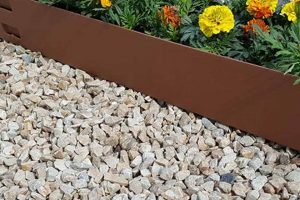
Tip 4: Mulching. Apply a thick layer of organic mulch, such as wood chips or shredded bark, around plants to conserve soil moisture, suppress weed growth, and regulate soil temperature. Inorganic mulches like gravel or pebbles can also be used.
Tip 5: Drought-Resistant Species Selection. Choose native or adapted plant species that are naturally suited to the local climate and soil conditions. Consult local nurseries or agricultural extension services for recommendations on appropriate species.
Tip 6: Windbreaks. Construct windbreaks using trees, shrubs, or physical barriers to reduce wind speed and prevent excessive evapotranspiration. Windbreaks can create a more favorable microclimate for plants.
Tip 7: Shade Provision. Provide shade for sensitive plants during the hottest part of the day using shade cloth, trees, or strategically placed structures. Shade can reduce water loss and prevent sunscald.
Adhering to these methods increases the probability of realizing a lush and resilient expanse where conditions previously hindered substantial growth. This focused methodology is not only beneficial for ecological preservation but also for enhancing the quality of life in these regions.
The subsequent sections of this document will explore specific case studies and further considerations related to managing greenery in similar locales.
1. Water Conservation Techniques

The establishment of a flourishing cultivated area in an arid or semi-arid locale is inextricably linked to the implementation of efficient water conservation methods. The scarcity of water resources in these environments necessitates meticulous management to ensure the survival and productivity of plant life. Inefficient irrigation or a lack of water-saving technologies will invariably lead to the failure of such a venture. Drip irrigation, for example, delivers water directly to the root zone, minimizing evaporative losses common in traditional overhead watering systems. The application of mulch further reduces evaporation from the soil surface, conserving valuable moisture. These techniques are not merely beneficial; they are essential for creating a self-sustaining ecosystem where rainfall is limited.
Rainwater harvesting represents another critical strategy. Collecting and storing rainwater during infrequent precipitation events provides a supplemental water source, reducing reliance on potentially limited or costly potable water supplies. Xeriscaping, a landscape design approach prioritizing drought-tolerant plants, significantly lowers overall water demand. Examples abound in the American Southwest, where botanical gardens showcase arid-adapted species requiring minimal supplemental irrigation. These gardens serve as living demonstrations of how careful plant selection and efficient irrigation practices can transform barren landscapes into vibrant, sustainable environments. Furthermore, the integration of soil amendments, such as compost and water-retentive polymers, enhances the soil’s capacity to hold moisture, extending the period between watering events.
Ultimately, the success of any endeavor to cultivate flora in an arid environment rests upon the diligent application of water conservation techniques. These strategies are not merely optional enhancements; they are fundamental components that determine the viability and long-term sustainability of such projects. Failure to prioritize and implement effective water management practices will inevitably result in resource depletion and the eventual demise of the cultivated area. Therefore, a comprehensive understanding of these techniques and their practical application is paramount for those seeking to create thriving plant life in challenging desert conditions.
2. Drought-Resistant Flora

The capacity to establish viable cultivated spaces in arid environments is inextricably linked to the careful selection and utilization of drought-resistant plant species. The limited availability of water resources in such regions necessitates a strategic approach to horticulture, prioritizing plant life that can thrive under conditions of low precipitation and high evapotranspiration. The success of any project aiming to create a “garden in desert” is, therefore, contingent upon the understanding and application of principles related to droug
ht tolerance in plants. For example, plants with deep root systems can access water sources far below the surface, while succulents store water within their leaves and stems, allowing them to endure prolonged periods of dryness. These adaptations are crucial for survival in desert ecosystems. Failure to incorporate these species into the design of a cultivated area will inevitably lead to unsustainable water consumption and the eventual failure of the project.
Specific examples of drought-resistant flora suitable for arid environments include various species of cacti, agave, and yucca. Native desert shrubs, such as creosote bush and mesquite, also exhibit remarkable drought tolerance. These plants are adapted to the harsh conditions of deserts, requiring minimal irrigation once established. Moreover, the utilization of native species promotes biodiversity and supports local ecosystems, enhancing the ecological sustainability of the cultivated area. In contrast, introducing non-native, water-intensive plants into a desert landscape can have detrimental consequences, depleting scarce water resources and disrupting the natural balance of the ecosystem. The cultivation of date palms in desert oases represents a historical example of utilizing drought-tolerant species to support human settlements and agriculture in arid regions. Similarly, the development of xeriscapes in urban areas of the southwestern United States demonstrates the practical application of drought-resistant flora in residential and commercial landscapes.
In summary, the integration of drought-resistant flora is a fundamental requirement for creating sustainable and thriving cultivated spaces in desert environments. The selection of appropriate species, combined with efficient water management practices, is essential for minimizing water consumption and ensuring the long-term viability of such projects. While challenges such as soil salinity and extreme temperatures may still exist, the strategic use of drought-resistant plants offers a pathway towards transforming barren landscapes into productive and aesthetically pleasing environments. The understanding and application of these principles are crucial for realizing the vision of a “garden in desert” that is both ecologically sound and economically sustainable.
3. Soil Amendment Strategies

The establishment of viable cultivated spaces in arid environments is critically dependent upon effective soil amendment strategies. Desert soils, often characterized by low organic matter content, poor water retention, and high alkalinity or salinity, present significant challenges to plant growth. Consequently, the transformation of these barren landscapes into productive “garden in desert” ecosystems necessitates targeted interventions to improve soil properties. Failure to address these inherent soil limitations will invariably result in stunted plant growth, increased water requirements, and ultimately, the failure of the cultivation endeavor. The application of organic amendments, such as compost, manure, or peat moss, introduces essential nutrients, enhances water-holding capacity, and improves soil structure. Inorganic amendments, such as gypsum or sulfur, can be used to ameliorate alkaline or saline soils, making them more conducive to plant growth. Without strategic modification of these soil compositions, attempting to nurture a “garden in desert” can become an unsustainable, resource-intensive endeavor.
The practical application of soil amendment strategies varies depending on the specific characteristics of the desert soil and the types of plants being cultivated. For example, in highly saline soils, leaching techniques combined with the incorporation of gypsum can effectively reduce salt concentrations. In sandy soils with low water retention, the addition of clay or organic matter can significantly improve moisture availability to plants. Case studies from arid regions around the world, such as the successful cultivation of date palms in the Middle East and the development of community gardens in the American Southwest, demonstrate the efficacy of tailored soil amendment strategies. These examples highlight the importance of site-specific assessments and adaptive management approaches to achieve optimal results. Moreover, the long-term sustainability of a “garden in desert” relies on the continued replenishment of soil organic matter through composting and other sustainable practices.
In conclusion, soil amendment strategies are not merely supplementary considerations, but rather fundamental components for the successful creation and maintenance of any “garden in desert”. The improvement of soil properties, through the careful selection and application of appropriate amendments, is essential for overcoming the inherent limitations of arid soils and supporting healthy plant growth. While challenges such as the cost and availability of amendments may exist, the long-term ecological and economic benefits of investing in soil health far outweigh the initial investment. A comprehensive understanding of soil science principles and the implementation of sustainable soil management practices are, therefore, indispensable for anyone seeking to cultivate flourishing plant life in desert environments.
4. Microclimate Management

In arid environments, successful cultivation efforts are intimately linked to effective manipulation of the microclimate. The prevailing macroclimate presents challenges such as intense solar radiation, high temperatures, and low humidity, which can severely limit plant growth. Managing the immediate environment surrounding plants is therefore crucial for creating conditions more conducive to their survival and productivity.
- Shading Techniques
Providing shade through structures, trees, or shade cloth reduces direct solar radiation, lowering leaf temperatures and minimizing water loss through transpiration. For instance, strategically placed shade structures can protect sensitive plants from scorching during the hottest part of the day, enabling them to thrive even under intense sunlight. Date palm oases utilize the principle of layered cultivation, where taller trees provide shade for understory crops, demonstrating a traditional approach to microclimate modification.
- Windbreaks and Shelterbelts
Establishing windbreaks using trees, shrubs, or constructed barriers reduces wind speed, minimizing evapotranspiration and preventing physical damage to plants. This is particularly important in exposed desert landscapes where strong winds can desiccate vegetation and erode soil. Agricultural windbreaks are commonly used to protect crops and livestock from harsh weather conditions, enhancing yield and improving overall farm productivity.
- Humidity Control
Increasing local humidity levels can mitigate the effects of dry air, reducing water loss from plants and creating a more favorable growing environment. Techniques such as misting systems or evaporative coolers can be employed to raise humidity in specific areas. Greenhouses, even simple ones, can significantly elevate humidity, allowing for the cultivation of plants that would otherwise be unsuitable for desert conditions.
- Soil Temperature Regulation
Maintaining optimal soil temperatures is essential for root growth and nutrient uptake. Mulching, either with organic or inorganic materials, helps to insulate the soil, pre
venting extreme temperature fluctuations. Raised beds can also improve soil drainage and aeration, contributing to better root health. In desert environments, pale-colored mulches reflect sunlight, helping to keep soil temperatures cooler.
These microclimate management strategies are integral to the success of any “garden in desert.” By carefully manipulating the immediate environment surrounding plants, it becomes possible to overcome the challenges posed by the harsh macroclimate and create thriving ecosystems in otherwise inhospitable locales. The application of these techniques, tailored to the specific needs of the plants and the characteristics of the environment, is essential for achieving sustainable and productive cultivation in arid regions. Examples include the botanical gardens of the Sonoran Desert, where diverse microclimates are created to support a wide range of arid-adapted species.
5. Sustainable Ecosystem Design
The viability of a “garden in desert” hinges critically upon the principles of sustainable ecosystem design. Arid environments, characterized by limited water, intense solar radiation, and nutrient-poor soils, demand carefully considered interventions to establish and maintain flourishing plant communities. Ignoring the interconnectedness of biotic and abiotic factors within these ecosystems invites failure. Cause-and-effect relationships are pronounced; for example, over-extraction of groundwater for irrigation inevitably leads to depletion of aquifers and ecosystem collapse. The importance of sustainable ecosystem design lies in creating a resilient and self-regulating system that minimizes external inputs and maximizes the utilization of available resources. Practices such as water harvesting, soil amendment with locally sourced organic matter, and the selection of native, drought-tolerant species are fundamental components. Real-life examples include traditional oasis agriculture, where complex agroforestry systems provide shade, conserve water, and support diverse crops, demonstrating the practical significance of understanding ecological principles in arid regions.
Further analysis reveals that sustainable ecosystem design in arid environments necessitates a holistic approach, considering not only the immediate needs of cultivated plants but also the long-term impacts on the surrounding landscape. The creation of wildlife corridors, the restoration of degraded soils, and the integration of renewable energy sources are all important aspects. Practical applications include the use of constructed wetlands for wastewater treatment, providing a supplemental water source for irrigation while simultaneously improving water quality. Furthermore, the implementation of permaculture principles, emphasizing closed-loop systems and the mimicry of natural patterns, can enhance the sustainability and resilience of “garden in desert” projects. For instance, integrating livestock grazing into the system, when carefully managed, can contribute to nutrient cycling and weed control, reducing the need for external inputs.
In conclusion, sustainable ecosystem design is not merely an optional consideration, but a foundational requirement for creating viable and enduring “garden in desert” environments. By embracing ecological principles, minimizing resource consumption, and maximizing the benefits to both the cultivated area and the surrounding landscape, it is possible to transform barren lands into productive and aesthetically pleasing spaces. While challenges such as climate change and increasing water scarcity remain, a commitment to sustainable design offers the best path towards creating resilient and thriving ecosystems in some of the world’s most challenging environments.
Frequently Asked Questions
The following section addresses common inquiries regarding the establishment and maintenance of cultivated areas in desert environments, providing factual and objective responses.
Question 1: Is the creation of a “garden in desert” ecologically responsible, given the inherent water scarcity?
The ecological responsibility of cultivating flora in arid regions hinges on the implementation of water-efficient technologies and the selection of drought-tolerant species. Sustainable practices, such as rainwater harvesting and drip irrigation, minimize water consumption. Furthermore, the utilization of native plant species can enhance biodiversity and reduce the need for external inputs, promoting ecological balance. Therefore, responsibly managed projects can contribute positively to the environment.
Question 2: What are the primary challenges associated with establishing a “garden in desert”?
The primary challenges include limited water availability, high temperatures, intense solar radiation, and nutrient-poor soils. These factors necessitate careful planning and the implementation of strategies to conserve water, protect plants from extreme heat, and improve soil fertility. The long-term sustainability of the project depends on overcoming these inherent obstacles.
Question 3: What types of plants are best suited for a “garden in desert”?
Plants adapted to arid conditions, often referred to as xerophytes, are best suited for cultivation in desert environments. These species possess physiological adaptations that enable them to survive with minimal water. Examples include cacti, succulents, and native desert shrubs. Selecting appropriate plant species is crucial for minimizing water consumption and ensuring the long-term survival of the cultivated area.
Question 4: How can soil fertility be improved in a “garden in desert”?
Soil fertility can be improved through the incorporation of organic matter, such as compost or aged manure. These amendments enhance water retention, improve soil structure, and provide essential nutrients for plant growth. The use of cover crops and green manure can further enhance soil fertility over time. Maintaining healthy soil is essential for supporting plant growth in arid environments.
Question 5: What is the role of mulching in a “garden in desert”?
Mulching plays a crucial role in conserving soil moisture, suppressing weed growth, and regulating soil temperature. A layer of mulch, whether organic (e.g., wood chips) or inorganic (e.g., gravel), reduces evaporation from the soil surface and protects plant roots from extreme temperatures. This practice is particularly beneficial in arid environments, where water conservation is paramount.
Question 6: How can the microclimate be managed in a “garden in desert” to benefit plant growth?
Microclimate management involves creating localized conditions that are more favorable for plant growth. This can be achieved through the use of shade structures, windbreaks, and irrigation systems. Providing shade reduces solar radiation and lowers temperatures, while windbreaks minimize water loss through evapotranspiration. Careful manipulation of the microclimate can significantly improve plant survival and productivity in arid environments.
The creation of sustainable flora necessitates careful planning, resource management, and a deep understanding of ecological principles. While challenges exist, successful implementation can transform barren landscapes into thriving ecosystems.
The subsequent sections will delve into specific case studies and related considerations for cultivated areas in similar locales.
Conclusion
The preceding exploration has detailed the inherent challenges and strategic imperat
ives associated with establishing a “garden in desert”. Key considerations encompass water conservation techniques, the selection of drought-resistant flora, implementation of effective soil amendment strategies, and nuanced microclimate management practices. A sustainable ecosystem design, integrating these elements, is paramount for achieving long-term viability in water-scarce regions. The success of such projects depends on a comprehensive understanding of ecological principles and the diligent application of appropriate technologies.
The creation of a “garden in desert” represents more than mere landscaping; it embodies a commitment to ecological stewardship and resourcefulness in the face of environmental adversity. Continued research, technological innovation, and collaborative efforts are essential to expanding the potential for sustainable cultivation in arid landscapes worldwide. The future demands a concerted focus on developing and disseminating best practices, empowering communities to transform barren lands into productive and resilient ecosystems.