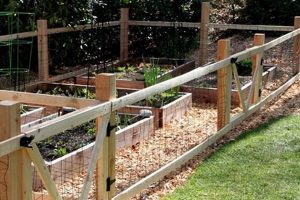
This cultivation technique serves as a repository of genetic material for propagation purposes. It involves maintaining parent plants under optimal conditions to ensure the consistent production of cuttings, seeds, or other propagules. As an illustration, a collection of disease-resistant tomato plants maintained specifically for providing cuttings to establish new, healthy crops exemplifies the concept.
The practice provides a stable source of desired traits, safeguarding against the loss of valuable plant characteristics. Historically, it has been essential in agriculture and horticulture for preserving superior varieties and ensuring reliable yields. Benefits include consistent plant quality, efficient resource utilization, and reduced dependence on external sources of planting material.
The subsequent sections of this article will delve into specific applications of this technique across various horticultural contexts. The focus will extend to its role in sustainable agriculture, plant conservation, and the advancement of crop improvement strategies.
Tips for Establishing and Maintaining a Productive Plant Source
This section offers practical guidance on optimizing the creation and upkeep of a dedicated propagation resource. These suggestions are aimed at maximizing output and ensuring the long-term health and vigor of the plant stock.
Tip 1: Selection of Superior Genetic Material: Begin with plants that exhibit desirable traits such as disease resistance, high yield, or unique ornamental qualities. Propagating from these individuals ensures that these characteristics are perpetuated in future generations.
Tip 2: Optimal Environmental Control: Maintain consistent temperature, humidity, and light levels appropriate for the species. Controlled environments reduce stress and promote vigorous growth, thereby increasing propagation success.
Tip 3: Regular Pest and Disease Monitoring: Implement a proactive monitoring program to detect and address pest infestations and diseases early. Prevention is crucial to avoid significant losses in plant stock and propagation material.
Tip 4: Proper Nutrition Management: Provide a balanced nutrient supply tailored to the specific needs of the plants. Regular soil testing and amendment ensure that nutrient deficiencies do not limit growth or propagation potential.
Tip 5: Strategic Pruning and Training: Employ regular pruning and training techniques to encourage branching and maintain a manageable plant size. This promotes the production of numerous high-quality cuttings or seeds.
Tip 6: Implementation of a Rotation System: Rotate plants regularly to prevent soil depletion and the build-up of soilborne pathogens. This practice contributes to the long-term health and productivity of the overall setup.
Tip 7: Meticulous Record Keeping: Maintain detailed records of plant performance, propagation rates, and any treatments administered. This data informs future management decisions and optimizes propagation protocols.
These guidelines are fundamental for successfully establishing and managing a resource that provides a consistent supply of healthy and genetically superior plant material. Consistent application of these practices will lead to increased efficiency and productivity.
The concluding sections will further explore the economic and ecological advantages associated with implementing these principles in a broader context.
1. Genetic Preservation

The practice serves as a cornerstone of genetic preservation efforts. By meticulously maintaining parent plants exhibiting desired traits, the system directly contributes to safeguarding valuable genetic resources. The causal link is straightforward: the deliberate selection and propagation of specific genotypes within this type of planting directly prevents the loss of those genes from the wider population. The alternative, unchecked breeding or reliance on less-desirable varieties, would inevitably dilute or eliminate these superior characteristics.
Consider the example of preserving heritage fruit varieties. Many older apple or pear cultivars, possessing unique flavors or disease resistance, are no longer commercially viable due to lower yields or shorter shelf life. Establishing and maintaining parent trees ensures that these genotypes are not lost, preserving their potential value for future breeding programs or niche market cultivation. Similarly, in forestry, specialized stands can safeguard the genetic diversity of native tree species threatened by habitat loss or climate change. Cuttings from these specimens can be used to establish new populations that retain critical adaptations.
In summary, the establishment and diligent management of this garden-type setup represents a proactive strategy for genetic preservation. This systematic approach directly addresses the challenge of genetic erosion in plant populations, ensuring that valuable traits are conserved for future utilization. It underscores the vital role these resources play in maintaining biodiversity and adapting to evolving environmental pressures. Without such focused effort, significant genetic resources would be at risk of permanent loss.
2. Propagation Source

The function as a “Propagation Source” is central to its operational definition. It delineates the purpose and methodology by which new plants are derived from a dedicated stock, thereby impacting agricultural efficiency and horticultural consistency.
- Cutting Production
The regular harvesting of cuttings from established plants allows for the asexual propagation of desired traits. Stem cuttings, leaf cuttings, and root cuttings can be obtained from the main plant, each capable of developing into a genetically identical offspring. This facet ensures consistent quality and predictable characteristics in the newly propagated plants, exemplified by the consistent flower color and form propagated from a prized rose bush.
- Seed Collection
For sexually propagated species, the controlled pollination and subsequent seed collection are critical. It ensures seed viability and genetic purity. This process permits the preservation and distribution of selected varieties, serving as a foundation for crop improvement and conservation efforts. An example is collecting seeds from disease-resistant tomato varieties to ensure future crops inherit this beneficial trait.
- Grafting and Budding Material
It also provides scion wood or buds for grafting onto rootstocks. This technique combines desirable traits from different plants, such as disease resistance from the rootstock and fruit quality from the scion. This method is crucial in fruit tree cultivation, where specific varieties are grafted onto robust rootstocks to enhance overall performance and resilience.
Division and LayeringCertain plant species lend themselves to propagation by division or layering. Dividing established clumps or layering stems allows for the creation of new, independent plants while preserving the genetic makeup of the parent plant. This is common in propagating herbaceous perennials, such as hostas or daylilies, where clumps can be easily divided to generate new plants.
In summary, the multifaceted role of a propagation source underscores its importance in providing diverse means for creating new plants. These propagation methods, carefully managed within the confines of the , ensure the perpetuation of desirable traits and support sustainable agricultural and horticultural practices. The effective management of these processes is essential for maintaining the quality and consistency of plant materials.
3. Disease-Free Stock

Maintaining a disease-free stock within a propagation resource is paramount for ensuring the long-term health and productivity of propagated plants. The connection is causal: the presence of pathogens in parent plants directly leads to disease transmission during propagation, resulting in compromised growth, reduced yields, or even plant death in subsequent generations. The exclusion of pathogens at the source is therefore a preventative measure of critical importance, underpinning the success of any horticultural or agricultural endeavor relying on clonal or seed-based propagation. Real-world examples abound, such as virus-indexed fruit trees where scion wood is rigorously tested to ensure the absence of viral diseases prior to grafting. The practical significance lies in the avoidance of systemic infections that can be exceedingly difficult, if not impossible, to eradicate once established.
The integration of disease management strategies into mother plant maintenance is essential. This encompasses a range of practices, including selecting disease-resistant varieties, implementing strict sanitation protocols, and employing integrated pest management (IPM) techniques. Regular inspection and testing of parent plants are crucial for early detection and intervention. Furthermore, soil sterilization or soilless media may be used to minimize soilborne pathogen transmission. For instance, in greenhouse propagation, steam sterilization of soil mixes effectively eliminates harmful fungi and bacteria, providing a clean start for newly rooted cuttings. The economic implications are substantial, as healthy planting material translates directly into higher crop yields and reduced pesticide usage.
In conclusion, the attainment and maintenance of disease-free stock are intrinsic to the proper function of a propagation resource. Challenges exist, particularly in identifying latent infections or managing vector-borne diseases. However, a comprehensive approach combining proactive disease prevention, rigorous monitoring, and appropriate intervention strategies is critical. The health and viability of propagated plants depend directly on the absence of pathogens in their parent plants, a principle underpinning sustainable agricultural and horticultural practices.
4. Consistent Quality

Consistent quality in propagated plants is directly linked to the establishment and diligent maintenance of a resource. This connection is not merely correlative; it is causal, with the genetic and physiological uniformity of parent stock exerting a profound influence on the characteristics of subsequent generations. Achieving predictable and reliable outcomes in crop production or horticultural practices relies heavily on this foundation.
- Genetic Uniformity
A source, by definition, harbors plants possessing a specific genetic makeup. Propagating from these individuals via asexual means (e.g., cuttings, divisions) ensures the creation of clones, each genetically identical to the parent. This uniformity translates into consistent traits such as flower color, fruit size, disease resistance, and growth habit. For instance, a vineyard relying on cuttings from a selected grapevine will produce grapes with consistent flavor profiles, essential for high-quality wine production. Variability is minimized, leading to predictable results and reduced risk.
- Physiological Stability
Beyond genetics, the physiological state of parent plants influences the quality of propagules. Maintaining optimal growing conditions adequate nutrition, proper watering, and pest control ensures that cuttings or seeds are of the highest vigor. Stressed parent plants are more likely to produce weak or stunted offspring, negating the benefits of genetic uniformity. For example, if a plant is nutrient-deficient, cuttings taken from it will likely exhibit poor rooting and slow growth.
- Disease and Pest Management
As previously noted, disease-free status is crucial. However, consistent quality also implies the absence of latent infections or pest infestations. Even if not immediately apparent, these can weaken plants over time, impacting overall performance. Regular monitoring and preventative measures are essential to maintain a clean source, preventing the spread of problems to newly propagated individuals. For example, regular scouting for aphids and timely application of appropriate controls can prevent these pests from weakening the parent plants and, consequently, any cuttings taken from them.
- Standardized Propagation Protocols
The protocols used to propagate from source plants also influence the ultimate quality of the offspring. Consistent methods standardized cutting lengths, uniform rooting hormone applications, and controlled environmental conditions during rooting contribute to predictable outcomes. Deviations from established protocols can lead to variable rooting rates, uneven growth, and inconsistent plant quality. Precise execution of propagation techniques is therefore indispensable for translating the inherent potential of the source plants into tangible results.
The link between a well-managed resource and consistent quality in propagated plants is undeniable. By ensuring genetic uniformity, physiological stability, freedom from disease, and standardized propagation protocols, it establishes the foundation for predictable and reliable outcomes. This translates into improved crop yields, consistent horticultural displays, and ultimately, enhanced economic viability for growers and producers. Its commitment to quality is essential for long-term success.
5. Sustainable Practice

The integration of sustainable practices within a system is not merely an ancillary benefit but a core operational component. The causal connection lies in the reduced reliance on external inputs, minimized waste, and enhanced resource efficiency inherent in a sustainably managed setup. Its role as a sustainable practice reduces dependence on external plant sources, promoting ecological balance and economic viability, much like maintaining heirloom seed banks for long-term agricultural resilience. This approach directly contributes to environmental conservation and long-term economic stability by minimizing the need for resource-inten
sive propagation methods. For instance, a commercial nursery that propagates the majority of its plants from on-site stock reduces its carbon footprint associated with plant transportation and external sourcing. Similarly, the use of composted organic matter generated on-site to enrich the soil reduces the demand for synthetic fertilizers, mitigating their environmental impact.
Furthermore, the selection and propagation of locally adapted plant varieties within a sustainable system enhances biodiversity and resilience to climate change. Local varieties are often better suited to the specific environmental conditions of a region, requiring less irrigation, fertilization, and pest control. Consider the example of indigenous fruit tree species propagated within a community-based nursery; these trees are inherently adapted to local soil types, rainfall patterns, and pest pressures, reducing the need for external inputs and promoting long-term sustainability. The emphasis on reduced pesticide use is also central to the approach, favoring integrated pest management strategies that minimize harm to beneficial insects and pollinators. It may also reduce or eliminate the need for plant exploration to areas that need to be protected
In conclusion, the adoption of sustainable practices in managing dedicated growing areas is not merely an ethical imperative but a pragmatic strategy for ensuring long-term productivity and environmental stewardship. Challenges exist, particularly in balancing economic viability with ecological goals. However, the benefits of reduced resource consumption, enhanced biodiversity, and increased resilience far outweigh the costs. These elements are intrinsically linked to sustainable agricultural and horticultural systems.
Frequently Asked Questions Regarding Mother Gardens
The following section addresses common inquiries and misconceptions regarding the establishment, management, and utilization of dedicated plant propagation resources.
Question 1: What defines a ‘mother garden’ beyond simply growing plants?
A resource is distinguished by its purpose, which is the consistent and controlled production of propagules (cuttings, seeds, etc.) from selected parent plants. It is not merely a collection of plants, but a carefully managed system for generating new planting material.
Question 2: How does a ‘mother garden’ contribute to disease management?
By maintaining disease-free parent stock, a cultivation system minimizes the risk of transmitting pathogens to newly propagated plants. Regular inspection, testing, and proactive disease management strategies are essential components.
Question 3: What are the key factors influencing the ‘mother garden’ design?
Design considerations should account for the specific needs of the target plant species, including optimal environmental conditions (light, temperature, humidity), efficient workflow for propagation, and effective pest and disease control measures.
Question 4: How often should parent plants in a ‘mother garden’ be replaced?
The lifespan of parent plants depends on the species and propagation method. However, regular evaluation of plant vigor and propagation efficiency is crucial. Plants exhibiting declining performance should be replaced to maintain optimal productivity.
Question 5: What distinguishes a ‘mother garden’ from a typical nursery?
While both involve plant propagation, a resource primarily focuses on maintaining parent stock and producing propagules, whereas a nursery typically focuses on growing and selling finished plants to consumers.
Question 6: Is a ‘mother garden’ suitable for all plant species?
The suitability of this approach depends on the plant species and its propagation requirements. Some species are more amenable to propagation from cuttings or seeds than others. Alternative propagation methods may be necessary for certain species.
In summary, a meticulously maintained propagation resource provides a reliable source of high-quality planting material, contributing to sustainable agricultural and horticultural practices.
The subsequent section will explore case studies illustrating successful applications of this concept across various sectors.
Conclusion
This exploration of the dedicated propagation setup has illuminated its pivotal role in various sectors. From safeguarding genetic resources to providing a sustainable source of disease-free planting material, it presents a multifaceted approach to plant propagation. Emphasis on consistent quality and adherence to sustainable practices further solidifies its importance in modern horticulture and agriculture.
The demonstrated benefits advocate for its wider adoption. Cultivating dedicated parent plant reservoirs holds the key to more resilient and productive agricultural systems. Further research and investment in refining techniques are essential to unlock its full potential, ensuring the reliable and sustainable production of plant material for future generations.