A curated planting, frequently small-scale and accessible, designed to produce ingredients commonly used in a flavorful condiment. This type of garden allows for the fresh, convenient harvesting of items like tomatoes, peppers, onions, cilantro, and other aromatics, facilitating the creation of homemade culinary sauces.
Cultivating these specific ingredients offers numerous advantages. Freshly harvested produce often boasts superior flavor and nutritional value compared to commercially sourced counterparts. Furthermore, the practice promotes sustainable gardening principles and reduces reliance on industrial agricultural systems. Historically, home gardens have provided essential sustenance and a connection to food sources, with this specific type extending that tradition to a popular global cuisine.
The following sections will delve into specific aspects of cultivating the plants used in this type of garden, examining optimal growing conditions, pest management strategies, and creative recipe applications for the resulting bounty.
Cultivation Advice
Effective establishment and maintenance are crucial for maximizing yields and ensuring the long-term viability of this culinary garden.
Tip 1: Site Selection: Choose a location that receives a minimum of six hours of direct sunlight daily. Adequate sunlight is essential for optimal fruit production in plants like tomatoes and peppers.
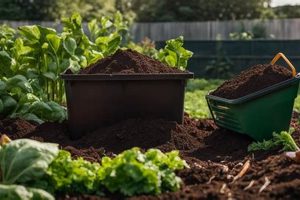
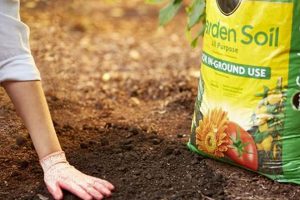
Tip 2: Soil Preparation: Amend the soil with compost or other organic matter to improve drainage and fertility. Well-draining soil prevents root rot, a common issue with moisture-sensitive plants.
Tip 3: Water Management: Employ consistent watering practices, avoiding both overwatering and underwatering. Monitor soil moisture levels and adjust watering frequency based on environmental conditions.
Tip 4: Pest and Disease Control: Implement preventative measures to minimize pest and disease outbreaks. Companion planting, such as basil near tomatoes, can deter certain pests. Regularly inspect plants for signs of infestation or disease.
Tip 5: Variety Selection: Select plant varieties suited to the local climate and growing season. Choose determinate tomato varieties for compact growth or indeterminate varieties for continuous production.
Tip 6: Pruning Techniques: Prune tomato plants to improve airflow and sunlight penetration, reducing the risk of fungal diseases. Remove suckers that grow between the main stem and branches.
Tip 7: Fertilization: Provide plants with balanced fertilization throughout the growing season. Use a fertilizer formulated for tomatoes and vegetables, following package instructions.
Tip 8: Harvesting Practices: Harvest produce at peak ripeness for optimal flavor and quality. Gently handle fruits and vegetables to prevent bruising and damage.
Adhering to these guidelines promotes healthy plant growth, abundant harvests, and a continuous supply of fresh ingredients.
The subsequent section will address recipe ideas and culinary applications for produce from this cultivation effort.
1. Ingredient Selection

Ingredient selection is a foundational element. The chosen plants directly determine the flavor profile, heat level, and overall character of the salsas produced. For example, opting for Roma tomatoes yields a milder, sweeter base compared to using acidic varieties like Early Girl. Similarly, the type of pepper dictates the salsa’s spiciness, ranging from the subtle heat of Anaheim peppers to the intense burn of habaneros. The inclusion or exclusion of specific herbs, such as cilantro or epazote, further refines the flavor nuances. The selection process, therefore, is not merely a matter of preference but a critical determinant of the final product’s culinary attributes.
The geographical location and climate exert a strong influence on ingredient choices. For instance, in regions with shorter growing seasons, early-maturing tomato and pepper varieties are essential to ensure a harvest before the first frost. Disease resistance also plays a role. Selecting disease-resistant cultivars, like certain blight-resistant tomatoes, can mitigate crop loss and ensure a consistent supply of key ingredients. Furthermore, personal dietary needs or preferences, such as low-sodium diets, might lead to the selection of specific tomato varieties with naturally lower sodium content or the avoidance of certain ingredients altogether.
Ultimately, thoughtful ingredient selection reflects a holistic understanding of the interplay between plant characteristics, environmental factors, and desired culinary outcomes. Challenges include adapting ingredient choices to unpredictable weather patterns and managing limited space to accommodate a diverse range of plants. The careful curation of plant varieties not only affects the immediate flavor of the finished sauce but also contributes to the broader goal of cultivating a self-sufficient and flavorful food source.
2. Sunlight Exposure
Sunlight exposure directly influences the growth, yield, and flavor of key ingredients cultivated within. Adequate sunlight, typically six to eight hours per day, is essential for photosynthesis, the process by which plants convert light energy into chemical energy for growth. Insufficient sunlight leads to stunted growth, reduced fruit production, and diminished flavor intensity. Tomatoes, peppers, and onions, core components, require ample sunlight to develop their characteristic tastes and textures. For instance, a tomato plant grown in partial shade will produce fewer tomatoes, and those fruits will be smaller and less flavorful than those grown in full sun. Similarly, peppers deprived of sufficient sunlight will have lower capsaicin levels, resulting in less heat.
The practical significance of understanding the relationship between sunlight exposure and crop quality extends to site selection and garden design. Optimal placement maximizes the amount of direct sunlight reaching each plant. This might involve choosing a south-facing location or strategically positioning taller plants to avoid shading smaller ones. In urban environments with limited sunlight, reflective surfaces or grow lights can supplement natural sunlight. Real-world examples demonstrate that careful consideration of sunlight exposure significantly enhances both the quantity and quality of harvested ingredients. Farmers, for example, often use crop rotation techniques to avoid depleting soil nutrients in areas with high sunlight exposure, understanding that intense sunlight can accelerate nutrient consumption.
In summary, sunlight exposure is a critical determinant of the success of a cultivated plot. The challenges include adapting to variations in seasonal sunlight patterns and mitigating the effects of shading from buildings or other plants. Understanding the principles of sunlight requirements for various vegetables, selecting a su
itable location, and employing strategies to maximize light exposure are crucial for a bountiful and flavorful harvest.
3. Water Management
Effective water management is paramount for the productivity and health of plants grown to produce ingredients. Proper hydration ensures robust growth, optimal fruit development, and the prevention of diseases, directly impacting the quality and quantity of harvested produce. Without meticulous attention to watering practices, plants become susceptible to stress, resulting in reduced yields and compromised flavors.
- Irrigation Techniques and Efficiency
The method of irrigation significantly influences water conservation and plant health. Drip irrigation, for example, delivers water directly to the root zone, minimizing water loss through evaporation and reducing the risk of fungal diseases that thrive in overly moist foliage. Overhead watering, while convenient, can lead to water waste and increase the likelihood of disease. Real-world applications demonstrate that implementing efficient irrigation systems, coupled with water-wise landscaping principles, substantially reduces water consumption without sacrificing crop yields.
- Water Quality and Soil Composition
The quality of water used for irrigation impacts plant health and soil structure. Hard water, containing high mineral content, can alter soil pH and hinder nutrient absorption. Saline water can accumulate salts in the soil, damaging plant roots and impeding growth. The composition of the soil itself influences water retention and drainage. Sandy soils drain quickly, requiring more frequent watering, while clay soils retain water longer, potentially leading to waterlogged conditions. Amending soil with organic matter improves water retention in sandy soils and enhances drainage in clay soils.
- Monitoring Soil Moisture and Plant Needs
Regular monitoring of soil moisture levels and plant appearance is crucial for adjusting watering schedules. Overwatering leads to root rot and nutrient deficiencies, while underwatering causes wilting and stunted growth. Simple tools like soil moisture meters can provide accurate readings of soil moisture, allowing for informed watering decisions. Observing plant leaves for signs of stress, such as yellowing or drooping, provides additional insights into water needs. Adaptations to watering schedules based on environmental factors, such as temperature, rainfall, and wind, are essential for maintaining optimal plant health.
- Water Conservation Strategies
Implementing water conservation strategies is vital for sustainable gardening practices. Rainwater harvesting, for instance, provides a free and eco-friendly source of water for irrigation. Mulching around plants reduces water evaporation from the soil surface and suppresses weed growth. Grouping plants with similar water requirements minimizes overwatering or underwatering of individual species. Xeriscaping, designing landscapes with drought-tolerant plants, further reduces the need for irrigation.
These facets underscore the importance of a holistic approach to water management. By carefully selecting irrigation techniques, monitoring soil moisture, and implementing conservation strategies, it becomes possible to cultivate a thriving crop, even in water-scarce environments. This, in turn, ensures a consistent supply of fresh, flavorful ingredients. Thus, thoughtful attention to hydration is critical for creating and maintaining a productive culinary garden.
4. Soil Composition

Soil composition exerts a direct and profound influence on the health, productivity, and ultimately, the flavor of the ingredients cultivated. The soil acts as the foundational medium that provides essential nutrients, water retention capabilities, and physical support to the plants that make up this specific type of garden. The specific blend of minerals, organic matter, and microorganisms within the soil dictates the availability of essential nutrients like nitrogen, phosphorus, and potassium, which are critical for plant growth and fruit development. Deficiencies in these nutrients manifest as stunted growth, reduced yields, and diminished flavor profiles in the harvested ingredients. For instance, tomatoes grown in nitrogen-deficient soil may produce small, pale fruits with a bland taste, while peppers lacking potassium may exhibit poor fruit set and reduced heat levels. The soil pH also significantly impacts nutrient availability; optimal pH ranges ensure that plants can effectively absorb the nutrients present in the soil. Real-world examples demonstrate the detrimental effects of poor soil composition. Clay-heavy soils impede drainage, leading to root rot and reduced plant vigor, while sandy soils drain too quickly, resulting in water stress and nutrient leaching.
The practical significance of understanding soil composition extends to the implementation of effective soil amendment strategies. Soil testing provides valuable insights into the nutrient content, pH, and organic matter levels of the soil. Based on these results, appropriate amendments can be added to correct deficiencies and improve soil structure. For example, incorporating compost or other organic matter improves water retention in sandy soils, enhances drainage in clay soils, and provides a slow-release source of essential nutrients. The use of cover crops, such as legumes, can enrich the soil with nitrogen, reducing the need for synthetic fertilizers. Soil solarization, a technique that involves covering the soil with plastic to heat it and kill pathogens and weed seeds, can improve soil health and reduce pest pressure. Farmers and gardeners worldwide rely on these soil amendment practices to enhance the productivity and resilience of their cultivated plots.
In summary, soil composition is a critical determinant of the success of a garden. Challenges include diagnosing soil deficiencies, selecting appropriate amendments, and managing soilborne diseases. By understanding the principles of soil science, conducting soil tests, and implementing effective soil amendment practices, it becomes possible to create a thriving environment that supports robust plant growth, abundant yields, and the production of flavorful ingredients. Therefore, careful attention to the soil is an essential investment in the overall success and quality of this type of culinary endeavor.
5. Pest Control

Effective pest control is a critical component. Unmanaged infestations can decimate crops, resulting in significant yield losses and diminished ingredient quality. Insects, diseases, and other pests target specific plants, causing damage to leaves, stems, and fruits. For example, tomato hornworms can quickly defoliate tomato plants, while aphids suck sap, weakening plants and transmitting viruses. Fungal diseases, such as early blight, can spread rapidly, destroying tomato foliage and rendering fruits unusable. The impact of uncontrolled pests extends beyond immediate crop damage; infestations can lead to long-term soil degradation and the spread of diseases to other plants. Historically, entire harvests have been lost to uncontrolled pest outbreaks, highlighting the economic and culinary
significance of effective preventative and reactive measures.
The practical application of pest management principles involves employing integrated pest management (IPM) strategies. IPM emphasizes preventative measures, such as selecting disease-resistant plant varieties, practicing crop rotation, and maintaining good soil health. Early detection is crucial; regular inspection of plants allows for the identification and treatment of infestations before they become widespread. Biological control methods, such as introducing beneficial insects like ladybugs to prey on aphids, offer a sustainable alternative to chemical pesticides. Cultural practices, such as removing weeds that harbor pests and providing adequate spacing between plants to improve airflow, further reduce pest pressure. If chemical control becomes necessary, selective and targeted applications of pesticides with low environmental impact are preferred.
In summary, pest control is indispensable for successful cultivation. The challenges include identifying specific pests, selecting appropriate control methods, and minimizing the impact on beneficial organisms. Understanding the principles of IPM, implementing preventative measures, and responding promptly to infestations are crucial for protecting crops and ensuring a bountiful harvest of fresh, flavorful ingredients. The consequences of neglecting pest control are significant, underscoring the need for a proactive and informed approach to maintaining the health and productivity of a culinary garden.
6. Harvest Timing

Harvest timing is a critical determinant of flavor intensity, nutrient content, and overall quality of ingredients destined for culinary sauces. Precise assessment of maturity indicators ensures optimal taste profiles and extends the shelf life of produce. Premature or delayed harvesting compromises the sensory attributes and diminishes the value of a carefully cultivated crop.
- Tomato Maturity and Flavor Development
Tomatoes achieve peak flavor when allowed to ripen fully on the vine. Harvesting at the “breaker stage”when the first blush of color appearsallows for continued ripening off the vine without sacrificing flavor. Premature harvest results in pale, acidic fruits, while overripe tomatoes become soft and lose their structural integrity, impacting the sauce’s texture. Roma tomatoes, for instance, offer a concentrated sweetness when fully red and slightly yielding to the touch.
- Pepper Heat and Ripening Stage
The heat level of peppers is directly correlated with their stage of ripeness. Green bell peppers lack the sweetness and complexity of fully ripened red, yellow, or orange varieties. Hot peppers, such as jalapeos and habaneros, develop maximum capsaicin content when they transition from green to their mature color. Harvesting habaneros before they turn orange yields a milder heat, while allowing them to fully ripen intensifies their spiciness.
- Herb Aromatic Oils and Harvest Windows
Herbs like cilantro and basil possess peak aromatic oil concentrations just before flowering. Harvesting these herbs at this stage maximizes their flavor and fragrance in sauces. Once herbs begin to flower, their leaves become bitter and less desirable. Regularly pinching off flower buds encourages continued leaf production and prolongs the harvest window. Cilantro, in particular, benefits from frequent harvesting to prevent bolting.
- Onion and Garlic Curing for Storage
Onions and garlic require proper curing after harvest to extend their storage life and enhance their flavor. Curing involves drying the bulbs in a well-ventilated area for several weeks, allowing the outer layers to dry and form a protective barrier against rot. Improperly cured onions and garlic are prone to spoilage and have a weaker flavor. The timing of harvest and the duration of curing are critical for preserving the quality of these essential ingredients.
- Root Vegetables and Taste Development
Root vegetables such as carrots and radishes need specific climate-related development. These climate related events will bring out the best tasting flavor. Understanding when this event is coming is vital to the ingredients flavor.
The interplay of these harvest timing considerations underscores the importance of keen observation and informed decision-making. Factors such as weather conditions, plant variety, and desired flavor profiles influence the optimal harvest window. A nuanced understanding of these factors enables cultivators to maximize the culinary potential of their harvests and consistently produce flavorful sauces. The challenge lies in anticipating environmental influences and adapting harvest schedules to ensure peak ingredient quality.
7. Recipe Integration
Recipe integration represents the culmination of the cultivation process, directly linking the efforts within a curated garden to the creation of culinary dishes. The success of a garden is measured not only by the yield of produce but also by the extent to which the harvested ingredients are effectively incorporated into recipes. Without deliberate recipe integration, the benefits of growing fresh produce diminish, as the ingredients may be underutilized or improperly prepared. A garden designed specifically for a certain type of condiment loses its purpose if the resulting harvest does not translate into regular sauce preparation and consumption. The flavor profiles, textures, and nutritional value of freshly grown ingredients are best showcased when integrated into carefully chosen recipes. For example, a salsa recipe featuring freshly harvested tomatoes, onions, peppers, and cilantro exhibits a far superior taste and vibrancy compared to one made with store-bought alternatives. Therefore, recipe integration is not merely an afterthought but a vital component.
The practical application of recipe integration involves a structured approach to recipe selection, experimentation, and adaptation. Gardeners must actively seek out or develop recipes that highlight the unique qualities of their harvest. This may involve exploring regional variations of classic recipes, adjusting ingredient ratios to complement personal preferences, or developing entirely new recipes that showcase specific flavor combinations. The process of recipe integration also involves experimentation with different cooking techniques and preparation methods to maximize the flavor and texture of the ingredients. For example, roasting tomatoes before blending them into a sauce intensifies their sweetness and adds a smoky depth of flavor. Learning the best use of the products reaps additional food source and reduces waste. The success of recipe integration is further enhanced by a commitment to consistent recipe adherence and meticulous record-keeping. Maintaining detailed notes on ingredient quantities, preparation methods, and cooking times ensures reproducibility and allows for continuous improvement.
In essence, recipe integration is the defining element, transforming a collection of cultivated plants into a source of culinary satisfaction. The challenges lie in overcoming recipe fatigue, adapting recipes to seasonal variations in ingredient availability, and preventing produce waste. Through deliberate recipe selection, experimentation, and consistent preparation, it’s possible to fully realize the potential of garden and to consistently enjoy the benefi
ts of fresh, homemade cuisine. The ultimate goal is to seamlessly connect the act of cultivation with the art of cooking, creating a harmonious relationship between garden and kitchen.
Frequently Asked Questions About Salsa Gardens
The following section addresses common inquiries regarding the establishment, maintenance, and utilization of a dedicated planting.
Question 1: What constitutes a “salsa garden”?
It is a curated collection of plants specifically chosen for the production of ingredients commonly used in making a flavorful condiment. Typical components include tomatoes, peppers, onions, cilantro, and sometimes garlic or other herbs.
Question 2: What are the primary benefits of cultivating one?
The advantages encompass access to fresh, high-quality ingredients, the ability to control pesticide use, the promotion of sustainable gardening practices, and the enjoyment of producing food from start to finish.
Question 3: What are the essential environmental factors for a successful planting?
Adequate sunlight (at least six hours per day), well-draining soil, and a suitable climate for the chosen plant varieties are crucial. Soil testing and amendment may be necessary to ensure optimal growing conditions.
Question 4: What are common pest and disease challenges?
Typical problems include aphids, tomato hornworms, fungal diseases (such as blight), and soilborne pests. Integrated pest management strategies, including preventative measures and targeted treatments, are recommended.
Question 5: How is irrigation best managed?
Consistent watering practices are essential, avoiding both overwatering and underwatering. Drip irrigation is often preferred to minimize water waste and reduce the risk of fungal diseases. Monitoring soil moisture levels is critical.
Question 6: How does harvest timing affect the final product?
Harvesting ingredients at their peak ripeness maximizes flavor intensity and nutrient content. For example, tomatoes should be fully red and slightly soft, while peppers should be harvested at their mature color for optimal heat.
In summary, a successful planting requires careful planning, consistent maintenance, and attention to detail. The rewards include fresh, flavorful ingredients and a connection to the process of food production.
The next section will explore advanced techniques for maximizing yields and enhancing the flavor of your harvests.
Conclusion
This exploration has underscored the multifaceted nature of the cultivation of a source of fresh ingredients. From initial planning to harvest and recipe integration, the success of this endeavor hinges on a comprehensive understanding of horticultural principles and practical application. Each elementsoil composition, sunlight exposure, water management, pest control, harvest timing, and recipe integrationcontributes uniquely to the overall outcome.
The commitment to these practices yields a tangible reward: access to fresh, flavorful ingredients that elevate culinary pursuits. It encourages a deeper connection to food sources, promoting sustainable practices and enriching the cooking experience. Continued research and refinement of these techniques will further optimize the potential of this type of gardening, securing its place as a valuable component of both home gardening and the broader food landscape.
![[Stunning] Garden Pointe Seattle Clip Art Designs [Free] | The Ultimate Gardening Guide: Grow a Thriving Garden Year-Round](https://MyGardenPatch.com/wp-content/uploads/2025/07/th-9292-300x200.jpg "[Stunning] Garden Pointe Seattle Clip Art Designs [Free] The Ultimate Gardening Guide: Grow a Thriving Garden Year-Round")