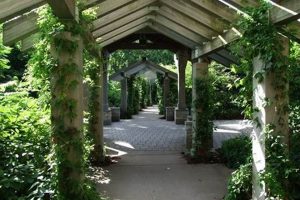
A structure typically found at the entrance to a garden, characterized by a curved or semi-circular top spanning an opening for passage. Often constructed from materials such as wood, metal, or composite materials, it serves both a functional purpose, allowing access while providing a degree of security, and an aesthetic one, framing the garden view and adding visual interest. Examples range from simple, rustic wooden constructions to ornate, wrought-iron designs.
This feature provides several advantages. Functionally, it can define a boundary and control access to a designated area. Aesthetically, it serves as a focal point, enhancing the overall landscape design and adding character. Historically, these structures have been employed to signify entryways into formal gardens, orchards, and other cultivated spaces, reflecting both practicality and artistic expression. They can increase property value and create a sense of arrival.
Understanding the components, materials, design considerations, and installation techniques for such a feature is crucial for successful integration into a landscape. The following sections will explore these aspects in greater detail, providing comprehensive information for selecting and implementing the optimal solution for specific garden settings.
Essential Considerations for Implementing a Garden Entrance Structure
Careful planning is paramount when incorporating an arched entryway into a garden design. Consideration of various factors will ensure structural integrity, aesthetic coherence, and long-term satisfaction.
Tip 1: Material Selection: Choose materials that complement the surrounding landscape and offer durability. Wood provides a natural aesthetic but requires regular maintenance. Metal, such as wrought iron, offers strength and longevity but may be susceptible to rust in certain climates. Composite materials present a low-maintenance alternative.
Tip 2: Structural Integrity: Ensure adequate support and anchoring. The weight of the structure and potential wind loads necessitate a robust foundation. Proper post placement and secure anchoring are crucial to prevent collapse or instability.
Tip 3: Design Harmony: The structure’s design should align with the garden’s overall style. A rustic wooden structure may be suitable for a cottage garden, while a more formal garden might benefit from an ornate metal design. Consistency in design elements creates visual cohesion.
Tip 4: Scale and Proportion: Consider the size of the garden and the scale of surrounding features. A structure that is too large can overwhelm a small garden, while one that is too small may appear insignificant. Proportionality is key to achieving visual balance.
Tip 5: Vegetation Integration: Plan for the integration of climbing plants. The structure can serve as a support for vines, roses, or other climbing flora. Select plant species that complement the design and consider their growth habits to prevent damage or obstruction.
Tip 6: Gate Functionality: If a gate is included, ensure smooth operation and secure latching. The gate should swing freely and close securely, preventing unwanted access while remaining easy to operate.
Tip 7: Local Regulations: Investigate local building codes and regulations. Some jurisdictions may require permits for the construction of such structures. Compliance with local regulations avoids potential legal issues and ensures safety.
Adhering to these considerations will facilitate the creation of a visually appealing, structurally sound, and long-lasting garden entrance feature. Thoughtful planning and execution are essential for achieving optimal results.
The following sections will delve into specific design styles and installation techniques to further enhance the understanding of this landscape element.
1. Material Durability

Material durability is a paramount consideration in the selection and construction of a structure, directly influencing its lifespan, maintenance requirements, and overall aesthetic appeal within the garden setting. The longevity and resistance to environmental factors determine the long-term value and performance of the structure.
- Resistance to Weathering
Exposure to sun, rain, snow, and temperature fluctuations necessitates materials capable of withstanding these conditions. Untreated wood can rot, metals can corrode, and certain plastics can degrade under prolonged exposure to UV radiation. Selecting materials inherently resistant to weathering, or applying protective treatments, is crucial for extending the structure’s lifespan. Examples include pressure-treated lumber, powder-coated steel, and weather-resistant composite materials. Failure to address weathering leads to structural weakening and aesthetic degradation.
- Resistance to Biological Decay
Wood, in particular, is susceptible to decay from fungi and insects. Proper treatment with preservatives can mitigate this risk, but alternative materials like metal or composite are inherently resistant. Untreated wood in humid climates is prone to rapid deterioration, necessitating costly repairs or replacements. The choice of material directly impacts the need for ongoing maintenance and the risk of structural failure due to biological decay.
- Load-Bearing Capacity and Structural Integrity
The selected material must possess sufficient load-bearing capacity to support its own weight and any additional loads, such as climbing plants or accumulated snow. Insufficient strength can lead to sagging, bending, or even collapse. The structural integrity of the material underpins the overall safety and stability of the structure. Engineering considerations, including material strength and joint design, are essential for ensuring long-term structural performance.
- Maintenance Requirements
Different materials require varying degrees of maintenance. Wood necessitates regular painting, staining, or sealing to protect against weathering and decay. Metal may require occasional rust removal and repainting. Composite materials generally require minimal maintenance, offering a longer-lasting and lower-effort solution. The level of maintenance required should be a key factor in the material selection process, balancing initial cost with long-term upkeep expenses.
The interplay of these factors determines the suitability of a material. A seemingly cost-effective material lacking durability may prove more expensive in the long run due to increased maintenance and eventual replacement. Conversely, a higher initial investment in a durable, low-maintenance material can offer significant long-term savings and ensure the enduring beauty and functionality of the garden feature.
2. Structural Integrity

Structural integrity is a founda
tional requirement for any freestanding construction, particularly those exposed to outdoor conditions. In the context of a garden arched gate, it dictates the structure’s ability to withstand environmental stressors, applied loads, and the passage of time without compromising its functionality or safety. Deficiencies in structural integrity can lead to instability, collapse, and potential injury.
- Foundation and Anchoring
The foundation provides a stable base, distributing the weight of the structure over a sufficient area and preventing settling or tipping. Proper anchoring secures the structure to the ground, resisting wind loads and other external forces. Examples include concrete footings extending below the frost line and metal anchors embedded in the ground. Insufficient foundation or anchoring can result in leaning, displacement, or complete failure of the structure, especially during severe weather events.
- Material Selection and Load Capacity
The chosen materials must possess adequate strength and stiffness to support the structure’s weight and any anticipated loads, such as climbing plants or snow accumulation. Wood, metal, and composite materials exhibit varying load capacities. Proper material selection ensures the structure can withstand these loads without excessive deformation or failure. For instance, a slender wooden frame may be unsuitable for supporting heavy vines, requiring a more robust metal or reinforced wood construction.
- Joint Design and Connection Strength
Joints and connections represent critical points of potential weakness in any structure. Proper joint design, employing techniques such as mortise and tenon, welding, or bolting, is essential for distributing stresses and preventing premature failure. Weak or poorly executed joints can compromise the entire structure, leading to instability and eventual collapse. The type of joint employed should be appropriate for the materials used and the loads experienced.
- Resistance to Environmental Degradation
Environmental factors, such as moisture, sunlight, and temperature fluctuations, can degrade structural materials over time. Wood can rot, metal can corrode, and some plastics can become brittle. Protective coatings, preservatives, and the selection of weather-resistant materials are crucial for mitigating these effects and preserving structural integrity. Neglecting environmental protection can lead to gradual weakening of the structure and increased risk of failure.
The combined effect of these factors determines the long-term stability and safety of a garden arched gate. A robust foundation, appropriate material selection, well-designed joints, and effective environmental protection are all essential elements of a structurally sound design. Failure to adequately address any of these aspects can compromise the structure’s integrity and lead to costly repairs or complete replacement. The initial investment in sound structural design and construction practices translates into a durable and aesthetically pleasing garden feature that will endure for years to come.
3. Design Coherence

Design coherence, in the context of a garden entrance, refers to the harmonious integration of its architectural style, materials, and detailing with the surrounding environment and overall design theme of the garden. A lack of coherence can result in a jarring visual element that detracts from the garden’s aesthetic appeal.
- Architectural Style Alignment
The structure’s architectural style should complement the dominant architectural style of the house and garden. A modern, minimalist structure may clash with a Victorian-era home, while a rustic wooden structure may be incongruous in a formal, geometric garden. The choice of arch shape, ornamentation, and overall form should reflect the prevailing architectural vocabulary. For example, a Tudor-style home might benefit from a gothic arch with intricate detailing, while a mid-century modern home might call for a simple, clean-lined design.
- Material Compatibility
The materials used in construction should harmonize with the materials present in the house, garden walls, pathways, and other landscape elements. Using contrasting or clashing materials can disrupt visual flow and create a sense of disharmony. If the house features brick cladding, incorporating brick or brick accents into the structure can create a sense of continuity. Similarly, if the garden features natural stone pathways, using stone or stone veneer in the arch design can enhance visual coherence.
- Color Palette Coordination
The color palette of the structure should complement the color palette of the house, garden plants, and other landscape features. Avoid using colors that clash or compete with the existing color scheme. Neutral colors, such as earth tones, grays, and whites, often provide a safe and versatile option that blends seamlessly with a variety of garden styles. However, strategically placed accents of color can add visual interest and highlight specific design elements. The color should integrate with the garden’s color scheme and house.
- Scale and Proportion Harmony
The scale and proportion of the structure should be appropriate for the size of the garden and the surrounding buildings. An excessively large structure can overwhelm a small garden, while an overly small structure may appear insignificant. The height and width of the archway should be proportional to the height and width of the garden entrance and the surrounding walls or hedges. Careful consideration of scale and proportion ensures the structure integrates seamlessly into the landscape.
Achieving design coherence requires careful planning and attention to detail. By considering the architectural style, materials, color palette, and scale of the structure in relation to the surrounding environment, it is possible to create a visually pleasing and harmonious addition to the garden. A well-designed structure enhances the garden’s aesthetic appeal and creates a welcoming entrance that invites visitors to explore the space beyond.
4. Dimensional Proportions
The dimensional proportions of a garden arched gate are critical for achieving both aesthetic harmony and functional suitability within the landscape. Appropriate sizing ensures the structure neither overwhelms nor is dwarfed by its surroundings, while also facilitating comfortable passage.
- Height and Width of the Opening
The height and width of the opening defined by the gate must accommodate typical human traffic while also complementing the overall design. Too narrow an opening restricts movement, while too wide an opening can diminish the sense of enclosure and definition. Historically, the average height of a doorway influenced gate design, but modern considerations also include accommodating individuals with mobility aids.
- Arch Curvature and Span
The curvature and span of the arch contribute significantly to the visual character of the structure. A shallow arch can appear modern and understated, while a more pronounced arch evokes traditional or romantic styles. The span must be proportionate to the overall height and width of the gate; a disproportionate span can appear awkward
and unbalanced. The choice often reflects architectural trends and the desired aesthetic effect. - Post Height and Thickness
The dimensions of the supporting posts are crucial for both structural stability and visual balance. The post height must be sufficient to support the arch and gate, while the thickness must be adequate to withstand wind loads and other external forces. Posts that are too slender can appear weak and unstable, while posts that are too thick can appear bulky and overpowering. Engineering principles dictate the minimum required dimensions, but aesthetic considerations often influence the final selection.
- Gate Leaf Size and Weight Distribution
For gated versions, the size and weight distribution of the gate leaf(ves) affect both ease of use and longevity. Overly large or heavy gates can be difficult to operate and can place undue stress on the hinges and supporting structure. Proper weight distribution ensures smooth operation and reduces the risk of sagging or binding. Practical experience suggests optimizing gate leaf size to minimize wind resistance and maximize ease of handling.
These dimensional considerations, taken collectively, define the visual impact and functional effectiveness of a garden arched gate. Careful attention to these details ensures a harmonious integration into the landscape, enhancing both the beauty and utility of the garden space.
5. Botanical Integration

Botanical integration refers to the deliberate incorporation of plant life into the design and structure of a garden arched gate, creating a symbiotic relationship that enhances both the aesthetic appeal and ecological function of the entryway. This integration is not merely decorative; it transforms the structure into a living component of the garden.
- Support for Climbing Plants
The primary function of botanical integration involves providing structural support for climbing plants such as roses, clematis, wisteria, or grapevines. The gate acts as a trellis, allowing these plants to ascend and cascade, creating a verdant canopy and softening the architectural lines of the structure. Plant selection must consider the gates load-bearing capacity and the plants mature size to prevent structural damage.
- Aesthetic Enhancement and Seasonal Interest
The addition of plant life significantly enhances the aesthetic qualities of the entryway, adding color, texture, and visual interest. Deciduous vines offer seasonal changes, with spring blooms, summer foliage, autumn colors, and winter silhouettes. The integration of flowering plants attracts pollinators, contributing to the garden’s biodiversity. Strategic plant selection can create a focal point and frame the view into the garden.
- Microclimate Modification
The foliage of climbing plants can modify the microclimate around the garden entrance, providing shade during hot summer months and reducing the impact of wind. This can create a more hospitable environment for other plants and wildlife. The dense foliage can also help to regulate temperature fluctuations, protecting the structure from extreme weather conditions. Careful plant placement can maximize these microclimatic benefits.
- Harmonious Blending with Surroundings
Integrating plants into the design of a garden arched gate helps to blend the structure seamlessly with the surrounding landscape. This creates a more natural and cohesive aesthetic, blurring the lines between the built environment and the natural world. The choice of plant species should complement the existing vegetation in the garden, creating a unified and harmonious composition. Native plants are often a suitable choice, as they are well-adapted to the local climate and require less maintenance.
The successful botanical integration of a garden arched gate transforms a simple entryway into a dynamic, living feature. By carefully considering the structural, aesthetic, and ecological implications of plant selection and placement, it is possible to create a garden entrance that is both visually appealing and environmentally beneficial. Additional examples include incorporating edible plants, such as climbing beans or cucumbers, for a functional and attractive entryway.
6. Accessibility Features
The incorporation of accessibility features into the design of a garden arched gate directly impacts the usability and inclusivity of the garden space for individuals with varying physical abilities. The absence of such features can effectively bar access for those using wheelchairs, walkers, or those with limited mobility, diminishing the intended purpose of the garden as a welcoming and universally enjoyable environment. The inclusion of appropriate dimensions, surface treatments, and operating mechanisms directly determines whether the gate serves as an inclusive portal or an unintentional barrier.
Specifically, gate width is a critical factor. A minimum clear opening width of 36 inches is generally considered necessary to accommodate most wheelchairs and walkers. Uneven or sloped surfaces immediately adjacent to the gate pose significant challenges for individuals with mobility impairments; level and firm surfaces are essential. Gate hardware, such as latches and handles, should be operable with one hand and require minimal force, accommodating individuals with limited hand strength or dexterity. An example of this in practice involves replacing traditional latch mechanisms with magnetic or lever-operated systems that require only a gentle push or pull. The use of contrasting colors for gate hardware and surrounding structures can also assist individuals with visual impairments.
In conclusion, accessibility features are not merely optional additions but fundamental components of a well-designed garden arched gate, ensuring equitable access for all users. While incorporating these features may require additional planning and investment, the resulting benefits of increased inclusivity and usability far outweigh the associated challenges. The integration of these features aligns with the broader principles of universal design, promoting environments that are usable by all people, to the greatest extent possible, without the need for adaptation or specialized design.
Frequently Asked Questions
The following section addresses common inquiries and misconceptions regarding garden arched gates, providing objective information to aid in informed decision-making.
Question 1: What materials are most suitable for a garden arched gate in a coastal environment?
In coastal regions, materials exhibiting high corrosion resistance are paramount. Pressure-treated lumber, stainless steel, or powder-coated aluminum are preferred. Untreated wood and ferrous metals are susceptible to rapid deterioration due to salt exposure.
Question 2: What are the typical dimensions for a garden arched gate intended for wheelchair accessibility?
Adherence to accessibility standards necessitates a clear opening width of at least 36 inches. Additionally, the gate threshold should be flush with the surrounding surface to facilitate smooth passage.
Question 3: How can the structural integrity of a wooden garden arched gate be enhanced?
Employing robust joinery techniques, such as mortise and tenon or bolted connections, is essential. Furthermore, utilizing pressure-treated lumber and applying weather-resistant sealant can mitigate rot and insect infestation.
Question 4: What climbing plants are least likely to damage a garden arched gate structure?
Annual vines or those with tendrils, such as clematis, typically exert less stress on the structure compared to heavier, woody vines like wisteria. Regular pruning is advisable to prevent excessive weight accumulation.
Question 5: Is a building permit required for the installation of a garden arched gate?
Local building codes vary; therefore, consulting with the relevant municipal authorities is recommended. Permit requirements often depend on the gate’s height, location, and whether it is considered a permanent structure.
Question 6: How can a garden arched gate be effectively integrated into an existing landscape design?
Consideration should be given to the architectural style of the adjacent structures, the color palette of the surrounding vegetation, and the overall design theme of the garden. Consistent styling promotes visual harmony.
In summary, careful planning, informed material selection, and adherence to relevant regulations are crucial for the successful implementation of a garden arched gate.
The subsequent section will provide a guide to the maintenance and upkeep of these structures.
Garden Arched Gate
The preceding exposition has examined the garden arched gate from multifaceted perspectives, encompassing material science, structural engineering, aesthetic design principles, accessibility considerations, and ecological integration. Emphasis has been placed on informed decision-making, underscoring the importance of selecting appropriate materials for specific environmental conditions, ensuring structural integrity to guarantee safety and longevity, achieving design coherence to maintain visual harmony, incorporating accessibility features to promote inclusivity, and integrating botanical elements to enhance ecological function.
The garden arched gate, therefore, transcends its purely functional role as a portal. It represents a carefully considered element within the landscape, demanding a holistic approach that synthesizes technical expertise, aesthetic sensibility, and a commitment to universal accessibility. Its successful implementation requires due diligence and a clear understanding of the interconnected factors that contribute to its enduring value.


![[Stunning] Garden Pointe Seattle Clip Art Designs [Free] | The Ultimate Gardening Guide: Grow a Thriving Garden Year-Round](https://MyGardenPatch.com/wp-content/uploads/2025/07/th-9292-300x200.jpg "[Stunning] Garden Pointe Seattle Clip Art Designs [Free] The Ultimate Gardening Guide: Grow a Thriving Garden Year-Round")