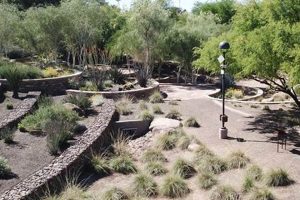
A meticulously designed outdoor space, often incorporating elements of East Asian landscaping principles, provides tranquility and aesthetic appeal. Such a space frequently includes carefully selected plants, rocks, and water features, arranged to create a harmonious and balanced environment. For example, a small, secluded area with bamboo, moss-covered stones, and a gently flowing stream would exemplify this type of environment.
The development of such landscapes contributes to improved mental well-being and provides opportunities for relaxation and contemplation. Historically, these spaces served as places for artistic inspiration and intellectual discourse. The arrangement and specific components often reflect philosophical or spiritual beliefs, creating a deeper connection between the individual and nature.
The following discussion will delve into specific horticultural techniques, design considerations, and the cultural significance associated with the creation and maintenance of this particular style of outdoor environment. Furthermore, the impact on local ecosystems and sustainable practices within these areas will be addressed.
Cultivating an East Asian-Inspired Garden
The following guidelines offer practical advice for establishing and maintaining an outdoor space influenced by East Asian landscaping principles. These considerations aim to foster an environment conducive to both aesthetic beauty and ecological balance.
Tip 1: Site Assessment is Paramount. Conduct a thorough evaluation of the site’s existing conditions. Analyze sunlight exposure, soil composition, drainage patterns, and prevailing winds to inform plant selection and placement.
Tip 2: Prioritize Native and Adapted Species. Favor plants indigenous to or well-adapted to the local climate. This reduces the need for excessive irrigation, fertilization, and pest control, promoting long-term sustainability.
Tip 3: Incorporate Water Features Strategically. Water elements, such as ponds or streams, enhance the auditory and visual appeal of the space. Ensure proper filtration and circulation to maintain water quality and prevent stagnation.
Tip 4: Emphasize Stone and Rock Placement. Rocks and stones serve as focal points, adding texture and visual interest. Arrange these elements in accordance with established design principles to create a sense of balance and harmony.
Tip 5: Prune with Precision and Purpose. Regular pruning is essential for maintaining the health and shape of plants. Employ techniques that promote natural growth patterns and enhance the aesthetic qualities of the garden.
Tip 6: Minimize Chemical Interventions. Opt for organic gardening practices to control pests and diseases. Introduce beneficial insects and employ natural soil amendments to maintain a healthy ecosystem.
Tip 7: Consider the Seasonal Cycle. Select plants that offer year-round visual interest. Incorporate elements that provide color, texture, and form throughout the changing seasons.
Adherence to these principles ensures the creation of an outdoor space that reflects the serenity and beauty characteristic of East Asian landscape design, while also promoting ecological responsibility.
The subsequent sections will explore specific plant recommendations and advanced landscaping techniques for further enhancing the design and functionality of this particular style of outdoor environment.
1. Harmonious Design

Harmonious design constitutes a fundamental element. The effectiveness and aesthetic success largely depend on achieving a balanced and unified composition. This is not merely an assembly of attractive components but an integrated whole where each element contributes to the overall sense of serenity and visual appeal. Cause and effect are evident; a poorly designed landscape will fail to evoke the intended feelings of peace and contemplation, while a well-considered layout will foster a connection with nature.
An example of this can be seen in the placement of rocks and stones. Unsystematic placement creates visual chaos. However, thoughtful arrangement of these elements, considering size, shape, and texture, produces a dynamic interplay of forms that guides the eye and enhances the garden’s character. Similarly, plant selection requires careful consideration; the juxtaposition of different species, textures, and colors impacts the space’s visual appeal and ecological balance.
In summary, a design that neglects harmonious integration will fall short of its potential. Recognizing the practical significance of this principle ensures a landscape that resonates with the principles of balance, proportion, and visual unity. The goal should always be to create a balanced and integrated composition.
2. Tranquility Promotion
The cultivation of tranquil environments is a primary objective. The careful selection and arrangement of elements contribute directly to a sense of calm and peacefulness. This objective shapes design choices and informs maintenance practices.
- Soundscape Modification
The incorporation of water features, such as streams or ponds, creates soothing auditory experiences. The gentle sound of flowing water masks ambient noise and promotes relaxation. Conversely, avoiding elements that generate disruptive sounds, like noisy fountains or wind chimes in exposed locations, is equally crucial.
- Visual Complexity Reduction
Minimizing visual clutter contributes to a sense of order and tranquility. Simple, uncluttered designs, with carefully chosen focal points, allow the mind to rest. Conversely, overcrowding with excessive ornamentation or competing visual elements creates a sense of unease.
- Sensory Engagement
Tactile elements, such as smooth stones or soft moss, invite interaction and enhance the overall sensory experience. The fragrance of carefully selected plants further contributes to a calming atmosphere. The deliberate engagement of multiple senses deepens the feeling of tranquility.
- Seclusion and Privacy
The incorporation of screens, hedges, or strategically placed plantings creates secluded spaces within the garden. These areas provide refuge from external distractions and allow for introspection and contemplation. The creation of private spaces is paramount for fostering a sense of inner peace.
These facets highlight the deliberate strategies employed to foster tranquility. The selection and integration of specific elements are driven by this core principle. The resultant peaceful and reflective environments demonstrate the practical application of these design considerations.
3. Philosophical Reflection

The incorporation of philosophical principles represents a core tenet. These landscapes are not solely aesthetic arrangements; they serve as physical manifestations of philosophical ideals. The design reflects specific beliefs and promotes contemplation on fundamental truths. For example, the principles of Taoism, emphasizing harmony and balance, are often visualized through the arrangement of rocks, water, and plants. The careful positioning of these elements creates a microcosm of the natural world, inviting the viewer to reflect on the interconnectedness of all things. Cause and effect are directly linked; the deliberate application of philosophical concepts directly influences the atmosphere and intended impact of the designed space. Ignoring these underlying principles diminishes the landscape, reducing it to a mere collection of horticultural features.
Further exemplifying this connection is the use of asymmetry. Rejecting rigid symmetry, these landscapes reflect the inherent asymmetry of nature, a concept found in various Eastern philosophies. The absence of perfect replication encourages exploration and contemplation of impermanence and the ever-changing nature of reality. Rocks of varying sizes and textures are deliberately placed to evoke different emotions and prompt introspection on the nature of existence. Additionally, the strategic inclusion of specific plant species, often carrying symbolic meanings within Eastern cultures, further reinforces the philosophical dimensions of the design. For instance, bamboo represents resilience and strength, while the lotus symbolizes purity and enlightenment.
In conclusion, understanding the philosophical underpinnings transforms the appreciation of the landscape from a passive observation to an active engagement with deeper meanings. The intentional incorporation of philosophical concepts adds layers of depth and significance. Challenges arise in accurately interpreting and translating these abstract ideas into tangible design elements. However, the effort yields a space that promotes contemplation, fosters a connection with nature, and provides a sanctuary for philosophical exploration.
4. Ecological Balance
Ecological balance, representing the harmonious interaction among living organisms and their environment, constitutes a crucial element in the creation and maintenance. This balance is not merely an abstract ideal but a practical imperative that influences plant selection, resource management, and overall sustainability.
- Native Plant Integration
The prioritization of indigenous plant species fosters ecological stability. Native flora, adapted to local climate and soil conditions, requires less artificial intervention in the form of fertilizers, pesticides, and excessive irrigation. The integration of native plants supports local fauna, including insects, birds, and other wildlife, thereby promoting biodiversity.
- Water Conservation Practices
Sustainable water management is essential for maintaining ecological equilibrium. Employing water-efficient irrigation systems, such as drip irrigation, minimizes water waste. Capturing and reusing rainwater for irrigation further reduces the demand on municipal water supplies. Careful plant selection, favoring drought-tolerant species, contributes to overall water conservation efforts.
- Soil Health Management
Maintaining healthy soil is paramount for supporting plant growth and fostering a thriving ecosystem. Employing organic soil amendments, such as compost and mulch, improves soil structure, increases water retention, and provides essential nutrients. Avoiding the use of synthetic fertilizers and pesticides prevents soil degradation and protects beneficial soil organisms.
- Habitat Creation and Enhancement
Deliberate design elements contribute to the creation and enhancement of habitats for various species. The inclusion of birdhouses, insect hotels, and strategically placed rock piles provides shelter and nesting sites. The selection of plants that provide food and nectar sources supports local pollinator populations. These habitat enhancements increase biodiversity and strengthen the overall ecological integrity.
These considerations underscore the importance of integrating ecological principles. A landscape designed with ecological balance in mind promotes biodiversity, conserves resources, and contributes to the overall health of the environment. This approach ensures that the resulting space is not only aesthetically pleasing but also ecologically sustainable, reflecting a harmonious relationship between humans and nature.
5. Artistic Inspiration

The creation fosters artistic inspiration by offering a serene and visually stimulating environment conducive to creative thought and expression. This relationship is not coincidental; rather, it is a deliberate outcome of the design principles employed.
- Visual Harmony and Composition
The balanced arrangement of elements, such as plants, rocks, and water features, serves as a catalyst for artistic inspiration. The intentional placement of these components creates visual harmony, mirroring principles found in various art forms. For example, the use of negative space, a concept prevalent in painting and sculpture, is reflected in the carefully curated open areas within the garden. These spaces allow the eye to rest and encourage contemplation, sparking creative ideas.
- Nature as Muse
Direct interaction with the natural world provides a rich source of inspiration for artists. The textures, colors, and forms found in plants, stones, and water offer endless possibilities for creative exploration. The subtle nuances of light and shadow interacting with these elements further enhance their artistic potential. Observing the natural world within allows artists to translate their observations into various forms of creative expression, such as painting, photography, and poetry.
- Symbolism and Metaphor
The incorporation of symbolic elements encourages metaphorical thinking and artistic interpretation. Specific plants or arrangements may represent abstract concepts, prompting viewers to contemplate deeper meanings and create artwork that reflects these insights. For instance, the inclusion of bamboo, symbolizing resilience and strength, may inspire an artist to create a sculpture or painting that embodies these qualities.
- Tranquility and Introspection
The inherent tranquility promotes introspection and mindfulness, which are conducive to artistic creation. The absence of distractions allows the artist to focus inward, accessing a deeper well of creative energy. This state of focused awareness facilitates the generation of new ideas and the refinement of existing ones. The peaceful atmosphere provides an ideal setting for meditation and contemplation, further enhancing artistic inspiration.
These facets underscore the intrinsic connection. The thoughtful design fosters an environment that stimulates creativity, offering a sanctuary for artists to connect with nature, explore symbolism, and cultivate inner peace. The resulting artistic expressions are a testament to the power of care
fully curated spaces to inspire and enrich human creativity. The relationship is not merely passive; the landscape actively promotes artistic engagement and creative output.
6. Sustainable practices

Sustainable practices constitute a critical aspect. The application of these methods within the design and maintenance minimizes environmental impact while ensuring the longevity and health of the garden ecosystem. The long-term viability of such a landscape is directly linked to the integration of environmentally conscious approaches.
- Water Conservation Techniques
Effective water management is paramount for sustainability. Employing techniques such as drip irrigation, which delivers water directly to plant roots, minimizes water loss through evaporation. Rainwater harvesting, capturing and storing rainwater for later use, further reduces reliance on municipal water sources. Careful plant selection, favoring drought-tolerant species adapted to the local climate, diminishes overall water demand. The impact is significant; reduced water consumption translates to lower water bills and a decreased burden on local water resources.
- Organic Pest and Disease Management
The avoidance of synthetic pesticides and herbicides is crucial for maintaining a healthy ecosystem. These chemicals can harm beneficial insects, contaminate soil and water, and disrupt the natural balance. Organic pest control methods, such as introducing beneficial insects like ladybugs to control aphids, provide a sustainable alternative. Employing natural disease control techniques, such as improving air circulation and removing diseased plant material promptly, prevents the spread of pathogens without resorting to harmful chemicals. The result is a healthier environment for plants, animals, and humans.
- Soil Health Enhancement
Maintaining healthy soil is fundamental to sustainable gardening practices. The application of organic soil amendments, such as compost and mulch, improves soil structure, increases water retention, and provides essential nutrients. Composting food scraps and yard waste reduces landfill waste and creates a valuable soil amendment. Cover cropping, planting specific crops to improve soil health and prevent erosion, further enhances soil fertility. The positive effects of these practices are evident in improved plant growth, reduced fertilizer requirements, and enhanced soil biodiversity.
- Waste Reduction and Recycling
Minimizing waste generation and maximizing recycling efforts contribute to overall sustainability. Reusing plastic pots and containers reduces the demand for new materials. Recycling plant debris and other organic waste through composting creates a valuable soil amendment. Avoiding the use of single-use plastics and opting for reusable alternatives reduces environmental pollution. The collective impact of these actions is a significant reduction in waste sent to landfills and a diminished environmental footprint.
The integration of sustainable practices into the design and maintenance ensures the long-term health and environmental responsibility. By prioritizing water conservation, organic pest control, soil health enhancement, and waste reduction, the landscape becomes a model for sustainable living. The implementation of these facets not only benefits the environment but also enhances the aesthetic appeal and overall value. The principles embody a commitment to environmental stewardship and long-term ecological health.
7. Cultural Significance

The cultural resonance represents a profound dimension, extending beyond mere aesthetics to embody historical, philosophical, and social values. The landscape serves as a tangible expression of cultural identity, reflecting the traditions and beliefs of its creators and those who interact with it.
- Symbolism and Representation
Symbolism is integral, with specific plants, rocks, and water features carrying symbolic meanings rooted in cultural traditions. The deliberate selection and arrangement of these elements convey narratives and reflect cultural values. For example, the inclusion of a specific type of rock, representing longevity in a certain culture, would reinforce the importance of that value within the space. The absence or alteration of traditional symbols alters the cultural message conveyed.
- Historical Context and Preservation
Historical context contributes significantly to cultural significance. The design may reflect historical events, philosophical movements, or social customs of a particular era. Preserving these landscapes maintains a connection to the past, providing a tangible link to cultural heritage. For example, a specific type of architectural feature or plant arrangement may reflect a particular historical period or cultural movement. The removal or alteration of these historical elements diminishes the cultural significance.
- Spiritual and Religious Beliefs
Spiritual and religious beliefs often permeate the design, influencing the layout, plant selection, and overall atmosphere. The garden may serve as a place of contemplation, meditation, or religious practice. Specific features may be oriented to align with spiritual or religious principles. For instance, the placement of rocks or water features may adhere to Feng Shui principles, reflecting a belief in the harmonious flow of energy. Ignoring these spiritual or religious considerations undermines the cultural integrity.
- Social and Communal Values
The space may serve as a communal gathering place, reflecting social values and fostering community interaction. The design may include features that encourage social interaction, such as seating areas or open spaces for gatherings. The way the space is used and maintained reflects the social values of the community. For example, a garden maintained collaboratively by community members fosters a sense of shared ownership and responsibility. Neglecting these social aspects diminishes the garden’s role as a cultural hub.
These multifaceted layers of cultural meaning underscore the significance. The landscape becomes more than just a visual amenity; it transforms into a cultural artifact, preserving and transmitting values across generations. Neglecting these cultural dimensions diminishes the richness and depth, reducing it to a superficial display of horticultural elements. The thoughtful consideration and preservation of these cultural aspects are essential for maintaining its integrity and value.
Frequently Asked Questions Regarding Ching Gardens
This section addresses common inquiries and misconceptions surrounding the design, implementation, and maintenance of gardens incorporating East Asian landscaping principles.
Question 1: What distinguishes a space from a typical garden?
The core distinction lies in the deliberate application of philosophical and aesthetic principles derived from East Asian traditions. It emphasizes harmony, balance, and tranquility, often incorporating specific symbolic elements and design techniques not typically found in Western-style gardens. The focus extends beyond mere horticulture to create a contemplative and aesthetically refined environment.
Question 2: Are specific dimensions
or spatial requirements necessary for constructing a garden?
There are no rigidly defined size constraints. The scale can range from small courtyard environments to expansive landscapes. The key determinant is the effective application of design principles and the selection of appropriate elements proportionate to the available space. A smaller area may necessitate a more minimalist approach, while a larger area allows for more elaborate features.
Question 3: What plant species are considered essential?
While specific plant choices depend on local climate and personal preferences, certain species are frequently incorporated due to their symbolic significance and aesthetic qualities. Bamboo, maples, pines, and mosses are commonly used. The selection process emphasizes plants that contribute to the overall sense of harmony, balance, and tranquility. Indigenous species or those well-adapted to the local environment are generally favored for sustainability.
Question 4: What constitutes proper maintenance protocols?
Maintenance extends beyond basic horticultural practices. Regular pruning, weeding, and watering are essential. A core aspect focuses on preserving the intended aesthetic and philosophical balance. This may involve carefully shaping plants, arranging rocks, and maintaining water features to ensure they continue to contribute to the overall harmony of the space. A hands-on, mindful approach is frequently favored.
Question 5: What potential challenges arise during construction and maintenance?
Challenges may include sourcing appropriate materials, managing water drainage, controlling invasive species, and adapting traditional design principles to local environmental conditions. Effective planning, careful plant selection, and ongoing monitoring are essential for mitigating these challenges. Seeking expert advice from landscape designers or horticulturalists familiar with the style is often beneficial.
Question 6: What resources are available for further education on this topic?
Numerous resources exist for individuals seeking to expand their knowledge. Botanical gardens often feature sections dedicated to East Asian landscaping. Horticultural societies, libraries, and online resources provide valuable information. Consulting with experienced landscape designers and participating in workshops or seminars are also effective ways to learn more.
In conclusion, constructing and maintaining requires thoughtful planning, diligent maintenance, and an understanding of the underlying philosophical and aesthetic principles. The result is a unique and tranquil environment that promotes harmony and contemplation.
The following section will provide case studies of successful implementations and offer insights into advanced design techniques.
Conclusion
The preceding exploration has illuminated the multifaceted nature of this specific type of designed outdoor space. Elements such as harmonious design, ecological balance, and cultural significance were examined, revealing their individual contributions to the overall aesthetic and philosophical impact. Emphasis was placed on the deliberate integration of these concepts to create an environment that transcends mere visual appeal, fostering tranquility and artistic inspiration.
The understanding of the principles governing these areas provides a foundation for informed appreciation and mindful stewardship. Further research and practical application will contribute to the continued evolution and preservation of this enduring landscape tradition. The pursuit of knowledge and the promotion of sustainable practices will ensure the continued relevance of the landscape tradition within contemporary society.