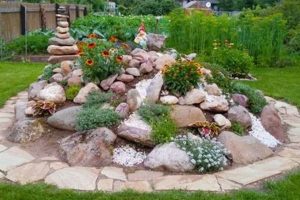
A service held in a serene outdoor setting, often featuring natural elements like flowers, trees, and water features, provides a peaceful and intimate environment for memorializing a loved one. This type of arrangement diverges from traditional indoor funeral home venues, offering an alternative that seeks to connect attendees with nature during a time of grieving and remembrance. An example might include a memorial service conducted within a designated structure, open to the surrounding landscape, offering seating amongst meticulously maintained gardens.
The significance of this approach lies in its potential to foster a sense of tranquility and connection to the natural world, which can be comforting during emotional times. Historically, ceremonies were often held outdoors, reflecting a close relationship with the land and natural cycles. Modern adaptations of this practice provide a way to personalize the memorial experience, moving away from the formality of conventional settings. This can contribute to a more meaningful and healing process for those in attendance, offering a unique space for reflection and remembrance.
Further discussion will explore the various architectural designs commonly associated with these structures, the range of personalization options available, and the logistical considerations involved in planning and executing such an event. Considerations will extend to the environmental impact, cost implications, and the suitability of these services for diverse cultural and religious practices.
Planning Considerations for a Garden Chapel Funeral
The following guidance is offered to facilitate the planning process for a memorial service conducted within a garden chapel environment. These tips address key logistical, aesthetic, and practical considerations.
Tip 1: Venue Selection: Carefully evaluate potential sites, taking into account accessibility, capacity, and the overall ambiance. Ensure the chosen location aligns with the deceased’s preferences and the family’s wishes. Verify the availability of necessary amenities, such as restrooms and parking.
Tip 2: Seasonal Considerations: Account for weather conditions prevalent during the anticipated time of the service. Implement contingency plans for inclement weather, such as providing covered seating or rescheduling the event. Consider the seasonal bloom cycles of plants within the garden to maximize the aesthetic appeal.
Tip 3: Personalization: Incorporate elements that reflect the deceased’s personality and interests. This may include displaying photographs, playing their favorite music, or incorporating symbolic floral arrangements. Consider readings or eulogies that celebrate their life and legacy.
Tip 4: Accessibility: Ensure the location is accessible to all attendees, including those with mobility limitations. Provide ramps, designated seating areas, and clear pathways to facilitate ease of movement. Consider providing assistance for elderly or disabled individuals.
Tip 5: Sound and Acoustics: Assess the acoustics of the outdoor space and implement measures to ensure clear audibility of speakers and performers. Consider using a sound system with directional microphones to minimize ambient noise. Conduct a sound check prior to the service.
Tip 6: Floral Arrangements: Select floral arrangements that complement the natural surroundings and reflect the deceased’s preferences. Consider using native plants and sustainable materials to minimize environmental impact. Consult with a florist experienced in creating arrangements for outdoor events.
Tip 7: Permits and Regulations: Verify local regulations and obtain any necessary permits for holding a public gathering in an outdoor space. Adhere to noise ordinances and respect the privacy of neighboring properties.
Effective planning ensures a respectful and memorable service, providing solace and comfort to those in attendance. Thoughtful attention to these details allows for a fitting tribute within a serene and meaningful environment.
The subsequent sections will provide more detailed insight into the selection of appropriate memorial services and associated logistical considerations.
1. Natural Setting Ambiance

The ambiance of a natural setting forms a cornerstone of the “garden chapel funeral” experience. The deliberate incorporation of natural elements, such as mature trees, meticulously cultivated gardens, and tranquil water features, serves as a direct counterpoint to the often sterile and somber environment of a traditional funeral home. This ambiance directly influences the emotional state of attendees, fostering a sense of peace and connection, which can facilitate the grieving process. For example, the gentle rustling of leaves in a breeze or the presence of birdsong can offer a subtle yet profound sense of solace, acting as a comforting backdrop to memorial proceedings. The absence of such a natural setting fundamentally alters the experience, diminishing its intended impact.
The practical significance of understanding this connection lies in the planning and execution of a suitable service. When selecting a venue, the emphasis must be placed on the quality and integration of natural elements. Simply holding a service outdoors is insufficient; the chosen location should be designed to enhance the experience, creating a sense of sanctuary and reflection. This might involve careful landscaping to create visual focal points, the strategic placement of seating to maximize views, or the incorporation of features like fountains or reflecting pools to introduce calming sounds and movement. Moreover, understanding this relationship permits a more bespoke approach to service design, tailoring elements like floral arrangements and musical selections to complement the environment.
In summary, a naturally enhanced ambiance is not merely an aesthetic preference, but a core element defining the “garden chapel funeral” experience. Its thoughtful integration supports emotional well-being, informs critical planning decisions, and ultimately contributes to a more meaningful and memorable tribute. Ignoring this relationship risks undermining the potential for comfort and healing offered by this type of memorial service.
2. Personalization of Service

The personalization of memorial services represents a critical element within the framework of a “garden chapel funeral.” A generic, impersonal service risks failing to adequately reflect the unique life and legacy of the deceased, thereby diminishing the potential for meaningful closure for the bereaved. Conversely, a carefully tailored service, thoughtfully incorporating elements that celebrate the individual’s personality, passions, and achievements, enhances the memorial experience. This personalization can manifest in various forms, from the selection of specific readings or musical
pieces that held significance for the deceased, to the incorporation of visual displays showcasing photographs or memorabilia that capture the essence of their life. For example, if the individual was an avid gardener, incorporating their favorite flowers or displaying gardening tools within the garden setting serves as a poignant tribute.
Real-life examples demonstrate the impact of personalization. Consider a service for a musician, where attendees were invited to share anecdotes or perform pieces inspired by the deceased’s work, transforming the solemn occasion into a celebration of their artistry. Or, in the case of a teacher, former students might contribute testimonials, highlighting the lasting impact of their mentorship. The practical significance of understanding this connection lies in the planning process, demanding a proactive approach to gathering information about the deceased’s life. This may involve consulting with family members and close friends to identify key aspects of their personality and interests, ensuring that these elements are authentically represented within the service. Ignoring this aspect leads to a sterile and detached ceremony that fails to resonate with those in attendance.
In conclusion, personalization serves as a core tenet of a “garden chapel funeral,” elevating it beyond a mere formality into a heartfelt tribute. By embracing this principle, the service becomes a more meaningful and comforting experience for the bereaved, fostering a sense of connection and remembrance. The challenge lies in ensuring that personalization is authentic and respectful, avoiding clichs and instead focusing on elements that genuinely reflect the unique life of the individual being memorialized, thereby creating a lasting and positive memory.
3. Accessibility and Comfort

The concepts of accessibility and comfort hold paramount importance in the context of a memorial service. This is particularly true for “garden chapel funeral,” where the intention is to provide a serene and inclusive environment for grieving and remembrance. Neglecting these factors undermines the potential for attendees to fully engage in the service and find solace in the experience.
- Physical Access Considerations
Physical accessibility dictates the ease with which attendees can navigate the venue. Uneven terrain, stairs without ramps, and narrow pathways impede those with mobility limitations. Examples include individuals using wheelchairs, walkers, or those with compromised balance. Venues must incorporate ramps, level pathways, and accessible restrooms to ensure inclusivity. The lack of these accommodations excludes a significant portion of the population, directly contradicting the goal of creating a welcoming environment.
- Sensory Considerations
Sensory sensitivities impact an individual’s ability to comfortably experience the setting. Uncontrolled noise levels, strong fragrances from flowers, or overwhelming visual stimuli can cause distress. Solutions include designating quiet zones, minimizing artificial scents, and providing shaded areas to reduce glare. Failure to address these considerations can exacerbate emotional distress and prevent full participation.
- Seating Arrangements and Comfort
Seating arrangements directly influence the comfort and well-being of attendees. Inadequate seating options, such as insufficient numbers of chairs or the absence of back support, can create physical discomfort, particularly for elderly individuals or those with physical ailments. Providing a range of seating options, including chairs with back support and shaded benches, ensures inclusivity and promotes relaxation. Comfortable seating allows attendees to focus on the service rather than physical discomfort.
- Environmental Control
Environmental control encompasses elements such as temperature regulation and protection from the elements. Exposure to extreme heat, cold, or inclement weather detracts from the memorial experience. Providing shaded areas, heating solutions for colder months, and covered spaces for inclement weather becomes a necessity. The absence of such provisions demonstrates a lack of consideration for the well-being of attendees, directly impacting their ability to engage with the service.
Failing to address accessibility and comfort considerations compromises the integrity of the “garden chapel funeral” concept. By prioritizing these elements, organizers demonstrate respect for all attendees and contribute to a more meaningful and supportive memorial experience. The effort invested in ensuring accessibility and comfort directly translates to a more dignified and inclusive tribute.
4. Weather Contingency Planning

Weather contingency planning is a critical component in the execution of an outdoor memorial service. The inherent unpredictability of meteorological conditions necessitates the development and implementation of robust strategies to mitigate potential disruptions and ensure the continuity of the ceremony. This planning is particularly pertinent to a “garden chapel funeral,” where the reliance on an outdoor setting exposes the event to a range of weather-related risks.
- Alternative Venue Options
The availability of a suitable indoor alternative constitutes a primary facet of weather contingency planning. An indoor space, capable of accommodating the anticipated number of attendees, equipped with necessary amenities such as seating and audio-visual equipment, should be secured as a backup. In the event of inclement weather, the service can be seamlessly transferred to the alternative venue, minimizing disruption. For example, a nearby reception hall or community center could serve as a viable alternative. Failure to secure such a space risks cancellation or significant alteration of the memorial service.
- Protective Structures and Coverings
The deployment of temporary protective structures represents another essential element. Tents, canopies, and covered walkways provide shelter from rain, wind, and excessive sunlight. These structures enhance the comfort of attendees and protect sensitive equipment, such as audio systems and floral arrangements. The scale and type of structure should be proportionate to the size of the event and the potential weather conditions. For instance, a large, enclosed tent offers comprehensive protection, while smaller canopies provide localized shelter. Improper selection or inadequate installation of protective structures can prove ineffective or even hazardous.
- Communication and Notification Protocols
Establishing clear communication and notification protocols is crucial for disseminating information to attendees regarding weather-related changes. A pre-determined communication plan, utilizing email, text messaging, or a dedicated website, ensures that attendees are promptly informed of any venue changes or schedule adjustments. This plan should designate a responsible party for disseminating information and provide clear instructions for attendees to follow. Lack of effective communication can lead to confusion and frustration, particularly for those traveling from afar.
- Temperature Regulation Measures
Implementing measures to regulate temperature is essential for ensuring the comfort
of attendees, particularly during periods of extreme heat or cold. Fans, portable air conditioners, and heating units can be deployed to maintain a comfortable temperature within the service area. Providing blankets or offering refreshments such as water or hot beverages further enhances attendee comfort. Neglecting temperature regulation can lead to discomfort, health risks, and diminished engagement with the service.
The implementation of comprehensive weather contingency planning safeguards the integrity of the “garden chapel funeral” and demonstrates respect for the attendees. By proactively addressing potential weather-related challenges, organizers can ensure a dignified and meaningful memorial service, regardless of external conditions. A failure to adequately prepare increases the probability of disruption and diminishes the overall experience.
5. Acoustics and Sound Quality

The acoustic environment profoundly influences the efficacy and emotional resonance of a memorial service. This is particularly salient for a “garden chapel funeral,” where the absence of controlled, indoor acoustics presents unique challenges. The quality of sound directly affects the audibility of eulogies, musical performances, and spoken tributes, subsequently impacting the ability of attendees to fully engage with and comprehend the content being presented. Reverberation, echo, and the intrusion of ambient noise degrade speech intelligibility and diminish the clarity of musical arrangements. These acoustic deficiencies detract from the solemnity and impact of the occasion. For instance, wind passing through trees or traffic sounds from a nearby road can compete with the spoken word, making it difficult for attendees to hear and understand the eulogy.
To mitigate these challenges, strategic acoustic management is essential. This involves careful speaker placement to optimize sound projection and minimize sound reflections. Employing directional microphones reduces the pickup of unwanted ambient noise. Additionally, utilizing sound-absorbing materials, such as strategically placed fabric panels or temporary acoustic barriers, can reduce reverberation and improve speech intelligibility. Real-world examples include deploying portable sound systems with noise-canceling technology and conducting thorough sound checks before the service to adjust levels and ensure optimal clarity. Furthermore, consideration of the natural acoustics of the location is crucial. The layout of the garden, the presence of reflective surfaces, and the density of vegetation all contribute to the overall acoustic environment.
In conclusion, the integration of acoustic planning directly influences the success of a “garden chapel funeral”. By addressing the inherent challenges of an outdoor acoustic environment, organizers can significantly enhance the quality of sound, improve speech intelligibility, and minimize distractions, creating a more meaningful and engaging experience for all attendees. Failure to adequately address acoustics and sound quality compromises the intended solemnity of the occasion and diminishes the impact of the memorial service.
6. Floral and Dcor Harmony
The seamless integration of floral arrangements and dcor within a “garden chapel funeral” significantly contributes to the overall ambiance and emotional impact of the memorial service. A cohesive aesthetic enhances the natural beauty of the setting and creates a respectful and comforting environment for attendees. Disharmony, conversely, detracts from the experience and can undermine the intended solemnity of the occasion.
- Color Palette Coordination
The strategic selection of a color palette that complements the natural surroundings is paramount. Colors should be chosen to evoke feelings of peace, tranquility, and remembrance. Examples include soft pastels, muted earth tones, and natural greens. A cohesive color scheme unifies the various elements of the dcor, creating a visually harmonious environment. Conversely, jarring or clashing colors disrupt the sense of serenity and can be emotionally unsettling. For example, a service held during the autumn months might feature arrangements incorporating oranges, yellows, and reds to mirror the seasonal landscape.
- Floral Selection and Symbolism
The choice of floral varieties carries significant symbolic weight and should be carefully considered. Each flower conveys a specific meaning, and the selection should reflect the personality, preferences, or beliefs of the deceased. Lilies, for instance, often symbolize purity and resurrection, while roses represent love and remembrance. The incorporation of the deceased’s favorite flowers or blooms that hold personal significance enhances the memorial service. Real-world examples include using wildflowers to reflect a love of nature or incorporating specific blooms that align with religious or cultural traditions.
- Dcor Material Selection
The materials used for dcor elements, such as fabrics, candles, and seating arrangements, should harmonize with the natural environment and the overall aesthetic. Natural materials like wood, stone, and linen contribute to a sense of authenticity and connection with the outdoors. The use of sustainable and eco-friendly materials further enhances the harmony. Examples include using wooden chairs, linen tablecloths, and biodegradable floral foam. Conversely, the inclusion of synthetic materials or overly ornate decorations can detract from the natural beauty of the setting.
- Personalization and Integration
The integration of personal items that reflect the life and interests of the deceased enhances the emotional resonance of the memorial service. Photographs, memorabilia, and personal artifacts can be incorporated into the dcor to create a unique and meaningful tribute. For example, a display of the deceased’s artwork or collection of books adds a personal touch and celebrates their passions. The key is to integrate these items tastefully and harmoniously, ensuring that they complement the overall aesthetic and do not overwhelm the natural setting.
The successful integration of floral arrangements and dcor within a “garden chapel funeral” transforms the space into a sanctuary of remembrance. Careful consideration of color palettes, floral symbolism, material selection, and personalization ensures a cohesive and meaningful aesthetic that honors the life of the deceased and provides comfort to the bereaved. Attention to these details elevates the service beyond a mere formality, creating a truly memorable and healing experience.
7. Permits and Regulations
Compliance with applicable legal requirements is a non-negotiable aspect of planning and executing a memorial service. The specific permits and regulations governing outdoor gatherings, noise levels, and land usage directly impact the feasibility and legality of a “garden chapel funeral.” Understanding these requirements is crucial for avoiding legal repercussions and ensuring a respectful and compliant event.
- Noise Ordinances and Restrictions
Municipalit
ies often have noise ordinances that regulate sound levels at specific times of day. A “garden chapel funeral” frequently involves amplified sound for music and eulogies, potentially violating these ordinances. Obtaining a noise permit may be necessary to legally operate within acceptable decibel levels during the service. Failure to comply can result in fines, legal action, or the forced cessation of the event. For example, a city might stipulate that outdoor noise levels cannot exceed 60 decibels after 10 PM, necessitating adjustments to the service schedule or sound system volume. - Land Use and Zoning Regulations
Zoning laws dictate how land can be used within a specific area. Holding a “garden chapel funeral” on private property may require verification that the activity aligns with zoning regulations. If the event is held on public land, a permit for usage may be required. Ignoring these regulations can lead to legal challenges, particularly if the event disrupts neighboring properties or violates existing land use restrictions. A residential zone, for instance, might prohibit large gatherings or commercial activities, necessitating a zoning variance or relocation of the service.
- Environmental Protection Permits
Activities associated with a “garden chapel funeral” can have environmental implications, such as waste disposal or the use of landscaping materials. Certain jurisdictions require permits for activities that impact water quality, soil erosion, or vegetation. Compliance with these regulations ensures environmental stewardship and prevents ecological damage. For example, the use of non-biodegradable materials for floral arrangements or improper disposal of waste can violate environmental protection laws, leading to fines and remediation requirements.
- Event and Assembly Permits
Large gatherings, even those held for memorial purposes, may require an event or assembly permit from the local government. These permits ensure public safety and facilitate coordination with emergency services. Requirements often include providing security personnel, adhering to fire codes, and ensuring adequate accessibility for attendees with disabilities. Failure to obtain the necessary permits can result in the event being shut down by authorities or liability for any incidents that occur during the service.
Adherence to permits and regulations protects the organizers and participants of a “garden chapel funeral.” By proactively researching and complying with applicable laws, the event can proceed smoothly and respectfully, honoring the deceased without legal complications. Diligence in this area ensures a dignified and legally sound memorial service, safeguarding the interests of all involved. The alternative risks legal challenges and disrespect to the community.
Frequently Asked Questions Regarding Garden Chapel Funerals
The following section addresses common inquiries and provides clarification on aspects related to services conducted in garden chapel settings. These answers aim to offer a comprehensive understanding of considerations and potential benefits associated with this type of memorial.
Question 1: What constitutes a “garden chapel funeral”?
A “garden chapel funeral” refers to a memorial service held within a designated outdoor space, typically characterized by natural elements such as landscaped gardens, trees, and water features. The setting aims to provide a serene and comforting environment for remembrance.
Question 2: How does a “garden chapel funeral” differ from a traditional indoor funeral service?
The primary distinction lies in the setting. Traditional services are conducted indoors, typically within funeral homes or religious institutions. A “garden chapel funeral,” conversely, leverages an outdoor environment to create a unique and potentially more personalized atmosphere.
Question 3: What are the key logistical considerations for planning a “garden chapel funeral”?
Logistical considerations include venue selection, accessibility, weather contingency planning, sound and acoustics management, and adherence to local permits and regulations.
Question 4: Is a “garden chapel funeral” suitable for all religious or cultural backgrounds?
Suitability varies depending on specific religious or cultural practices. Certain traditions may have specific requirements regarding burial or memorial services that may not be easily accommodated in an outdoor setting. Consultation with religious or cultural leaders is advised.
Question 5: What are the potential benefits of choosing a “garden chapel funeral”?
Potential benefits include a more personalized and intimate memorial experience, a connection to nature that can provide comfort during grieving, and an alternative to the formality of traditional indoor settings.
Question 6: Are “garden chapel funerals” more expensive than traditional funeral services?
Cost variations depend on several factors, including venue rental fees, floral arrangements, and equipment requirements. A detailed comparison of costs is recommended when making arrangements.
In summary, a “garden chapel funeral” offers a distinctive approach to memorializing a loved one. Careful consideration of the aspects outlined above is essential for informed decision-making and a respectful service.
The subsequent article section will address specific architectural designs and personalization options associated with these types of services.
In Conclusion
This exploration has detailed the multifaceted nature of a “garden chapel funeral,” encompassing planning considerations, logistical requirements, and the potential for a personalized and meaningful memorial experience. Emphasis has been placed on the importance of venue selection, weather contingency planning, accessibility, and adherence to applicable regulations, with the understanding that meticulous preparation is essential for a successful service. Moreover, the symbolic significance of floral arrangements and the management of sound quality have been addressed as crucial elements contributing to the overall ambiance and emotional impact.
The increasing prevalence of personalized memorial services suggests a growing desire for alternatives to traditional funeral arrangements. As families seek more intimate and reflective settings to honor the lives of their loved ones, the option of a “garden chapel funeral” presents a viable and potentially enriching alternative. Further research into the long-term effects of outdoor memorial services on grief processing and community engagement warrants consideration, ensuring that this approach remains a respectful and relevant option for future generations.