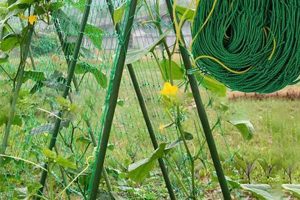
This garden structure presents a visually striking vertical element, often constructed from materials like wood, metal, or durable plastic. Its defining characteristic is a tapering, pyramid-like shape, reminiscent of ancient Egyptian monuments. Climbing plants, such as roses, clematis, or ivy, utilize this framework for support, creating a dynamic, living sculpture within the garden landscape.
The incorporation of this architectural form offers several advantages. It provides necessary support for vining plants, encouraging healthy growth and preventing sprawling. A vertical feature of this type draws the eye upward, adding height and dimension to gardens that may otherwise lack visual interest. Historically, such features were employed in formal gardens to create focal points and showcase plant collections, and they continue to be valued for their aesthetic contribution.
The following sections will explore various design considerations, material options, and installation techniques relevant to constructing and maintaining effective and visually appealing vertical plant supports of this form.
Construction and Placement Guidance
The following recommendations are designed to optimize the structural integrity and visual impact of vertical garden supports, ensuring both functionality and aesthetic appeal within the landscape.
Tip 1: Material Selection. Prioritize weather-resistant materials. Treated wood, powder-coated metal, or durable plastics are preferred to minimize degradation from exposure to the elements. Consider the weight of the mature plants when selecting material strength.
Tip 2: Foundation Stability. Ensure a stable base to prevent tipping, especially in windy conditions. Burying the base or anchoring it with stakes is essential. For heavier structures, a concrete footing might be necessary.
Tip 3: Proper Dimensions. Select a height and width that complements the chosen plant species. Overly large structures can overwhelm smaller gardens, while undersized ones may not provide adequate support.
Tip 4: Assembly Quality. Secure all joints and connections with appropriate fasteners. Loose connections weaken the structure and increase the risk of collapse. Regular inspection and maintenance are crucial.
Tip 5: Plant Training. Gently guide plant growth along the structure’s frame. Use soft ties or plant clips to encourage climbing. Avoid overcrowding, which can impede airflow and promote disease.
Tip 6: Sun Exposure. Position the structure to maximize sunlight exposure for the climbing plants. Consider the orientation of the structure in relation to the sun’s path throughout the day.
Tip 7: Regular Maintenance. Periodically inspect the structure for damage or wear. Repair any issues promptly to prevent further deterioration and maintain its structural integrity.
Adherence to these guidelines will result in a robust and aesthetically pleasing vertical garden element that enhances the overall landscape design.
The subsequent section will provide insights into design variations and creative applications of these garden features.
1. Structural Integrity

Structural integrity is paramount to the function and longevity of any garden feature designed to support climbing plants. With reference to vertical garden features, a robust framework is essential to withstand environmental stressors and the increasing weight of mature vegetation. Failure to adequately address this fundamental aspect can result in collapse, damage to plants, and potential safety hazards.
- Material Selection and Load Capacity
The choice of materials directly impacts the load-bearing capabilities. Wood, metal, and durable plastics each offer varying degrees of strength. When plants such as wisteria, which can exert significant weight as they mature, are supported, reinforced metal or pressure-treated wood is preferable. Consider the maximum potential weight the structure will bear, factoring in foliage, flowers, and potential snow or ice accumulation.
- Joint Strength and Connection Techniques
The points at which individual components connect are critical areas of potential failure. Proper joinery, utilizing techniques appropriate to the material, is essential. Screws, bolts, or welding provide stronger, more durable connections than adhesives alone. Regularly inspect joints for signs of loosening or corrosion and address any issues promptly.
- Base Stability and Anchoring Systems
A stable base is crucial to prevent tipping, particularly in exposed locations subject to high winds. Burying the base or utilizing anchoring systems, such as ground stakes or concrete footings, provides necessary resistance. The specific anchoring method should be selected based on soil conditions and the overall height and weight of the structure.
- Environmental Resistance and Maintenance
Exposure to weather elements gradually degrades materials and weakens structures. Applying protective coatings, such as paint, stain, or powder coating, helps mitigate damage from moisture, sunlight, and temperature fluctuations. Regular inspection and maintenance are essential to identify and address any signs of wear or deterioration before they compromise structural integrity.
Therefore, careful attention to material properties, connection methods, base stability, and environmental protection is vital to ensure that a vertical plant support maintains its structural integrity over time. Neglecting these considerations can lead to premature failure and negate the aesthetic and functional benefits it is intended to provide.
2. Material Durability

The long-term viability of a vertical garden feature is intrinsically linked to the selection of durable materials. Exposure to environmental elements, including moisture, sunlight, and temperature fluctuations, places considerable stress on the structure. Inadequate material selection leads to premature degradation, compromising structural integrity and necessitating frequent repairs or complete replacement. This, in turn, diminishes the aesthetic appeal and increases the overall cost of ownership. For example, untreated wooden structures are susceptible to rot and insect infestation, while low-grade metals may corrode rapidly, especially in coastal environments. Therefore, material durability constitutes a critical factor in the design and implementation of such features.
The selection of appropriate materials extends beyond mere resistance to the elements. It encompasses the capacity to withstand the weight of mature plants. Climbing species, particularly those with woody stems, can exert significant force on the supporting structure. A robust material, such as powder-coated steel or treated ti
mber, is required to prevent deformation or collapse. Furthermore, ease of maintenance influences the long-term appearance and functionality. Materials that are simple to clean and require minimal upkeep, such as vinyl or certain composite materials, offer a practical advantage over those that necessitate frequent refinishing or repair.
In conclusion, a comprehensive understanding of material properties and environmental conditions is essential for maximizing the lifespan and performance of vertical garden structures. Investing in durable materials upfront mitigates the risk of costly repairs and ensures the structure continues to enhance the aesthetic value of the garden for years to come. The specific choice of material should reflect a balance between aesthetic preferences, budgetary constraints, and the anticipated environmental challenges of the location.
3. Vertical Accent

The incorporation of a distinct vertical element within a garden design significantly influences the overall aesthetic and spatial perception. A structure, strategically placed, draws the eye upward, creating a sense of height and dimension in what might otherwise be a predominantly horizontal landscape. This vertical emphasis serves as a focal point, directing visual interest and adding architectural complexity. The following points detail how specific design elements contribute to and enhance this vertical dynamic.
- Height and Proportion
The physical dimensions, notably height, directly dictate the prominence of the vertical accent. Taller structures command greater attention and exert a stronger influence on the surrounding landscape. Proportion relative to other garden elements is equally important. A structure too small might be visually overwhelmed, while an overly large one could appear disproportionate. A balance between height and surrounding features ensures visual harmony.
- Material and Texture
The materials employed in construction and their inherent textural qualities contribute significantly to visual impact. Contrasting textures, such as smooth metal against rough stone, create visual interest and delineate the vertical element from the surrounding environment. The chosen materials should complement the overall garden design while simultaneously providing a distinct textural contrast.
- Plant Integration
Climbing plants, such as vines and flowering species, enhance the vertical dimension through the addition of organic forms and colors. The selection of plant species should complement both the structure and the overall garden palette. Plant growth patterns can be manipulated to accentuate specific architectural details, further enhancing the visual impact of the vertical element.
- Spatial Definition
Vertical accents, particularly those with substantial height or density, can define spatial boundaries within a garden. They create visual separations between different areas, delineating distinct zones for various activities or aesthetic purposes. This spatial definition enhances the sense of depth and complexity within the overall garden design.
By carefully considering height, proportion, material texture, plant integration, and spatial definition, the implementation of a structure as a vertical accent can transform a garden into a more visually engaging and architecturally sophisticated space. The strategic use of this element creates a focal point that draws the eye upward, adding height, dimension, and visual interest to the landscape.
4. Plant Support

The primary function of this garden structure lies in its capacity to provide support for climbing plants. Without adequate support, vining species often sprawl horizontally, consuming valuable ground space and potentially hindering air circulation, which can increase the risk of fungal diseases. The vertical architecture of the support facilitates upward growth, allowing plants to maximize sunlight exposure and create a visually striking display. For example, climbing roses, when trained on this structure, produce a cascade of blooms that significantly enhance the aesthetic appeal of the garden. The structure, therefore, serves as an essential framework that enables plants to thrive and exhibit their full potential.
The design of the support directly impacts the effectiveness of plant support. The spacing of the framework should be appropriate for the plant species it is intended to support. Smaller plants with delicate tendrils require finer mesh or closer spacing, while larger, more robust vines benefit from a more open structure. The strength of the materials used in construction is also critical. A support constructed from weak or inadequate materials may fail under the weight of mature plants, particularly during periods of heavy rain or wind. For instance, structures intended to support heavy vines, such as wisteria or mature grapevines, should be constructed from durable wood or metal to ensure long-term stability.
In summary, the integration of effective plant support is a defining characteristic of a vertical garden feature. This support not only promotes healthy plant growth and enhances aesthetic appeal but also optimizes space utilization within the garden. Overcoming challenges associated with material selection and structural design is essential to realizing the full potential of this horticultural element, allowing plants to flourish and contribute to a visually dynamic and thriving garden environment.
5. Design Versatility
The adaptability of a garden structure to diverse aesthetic preferences and functional requirements is a significant attribute, influencing its integration within varied landscape designs. Design versatility, in the context of vertical plant supports, refers to the range of customizable options available, enabling harmonious incorporation into different garden styles and efficient accommodation of diverse plant species.
- Material Adaptation
The selection of construction materials presents a fundamental aspect of design versatility. Options range from natural wood, lending a rustic charm, to modern metals that convey a contemporary aesthetic. Wrought iron, for instance, suits traditional garden settings, while stainless steel or aluminum aligns with minimalist designs. Material choice dictates not only the visual style but also durability and maintenance requirements.
- Form Customization
The geometric form of the structure allows for considerable variation. While the classical obelisk shape is prevalent, alternative designs incorporating curves, spirals, or asymmetrical elements provide opportunities for individualized expression. Customization may extend to the inclusion of decorative finials, integrated lighting, or water features, further enhancing the visual appeal and uniqueness.
- Scale and Proportion Adjustment
Adjusting the overall dimensions and proportions of the structure enables seamless integration within gardens of varying sizes. Taller, more imposing structures create a dramatic focal point in larger spaces, while smaller, more delicate versions suit intimate ga
rden settings. Proportionate scaling ensures the structure complements the surrounding landscape without overwhelming other design elements. - Functional Integration
Design versatility extends to incorporating functional elements beyond plant support. Integrated bird feeders, nesting boxes, or even small water reservoirs can transform the structure into a multi-purpose garden feature. This approach maximizes the utility of the structure, attracting wildlife and enhancing the overall ecological value of the garden.
These facets of design versatility demonstrate the capacity of a garden structure to adapt to a wide spectrum of aesthetic and functional requirements. The ability to customize materials, forms, scale, and integrated functions allows for seamless integration into diverse garden designs, ensuring the structure not only supports plant growth but also enhances the overall beauty and functionality of the outdoor space. The final design should reflect a thoughtful consideration of the garden’s existing character, intended plant species, and desired level of personalization.
Frequently Asked Questions
This section addresses common inquiries regarding the selection, installation, and maintenance of vertical plant supports.
Question 1: What factors should influence the selection of materials for a garden trellis obelisk?
Material selection should consider the expected lifespan, load-bearing capacity, and aesthetic compatibility with the garden design. Weather resistance is paramount, favoring treated wood, powder-coated metal, or durable plastics. Consider the mature weight of the climbing plants and the potential for environmental stress such as high winds.
Question 2: How can structural stability be ensured, particularly in exposed locations?
Secure the base by burying it, using ground stakes, or employing concrete footings. The appropriate anchoring method depends on soil conditions and the overall height and weight of the structure. Regular inspection of joints and connections is essential.
Question 3: What plant species are best suited for cultivation on a garden trellis obelisk?
Suitable species include climbing roses, clematis, ivy, honeysuckle, and certain varieties of climbing hydrangea. Consider the plant’s mature size, growth habit, and sunlight requirements when making a selection.
Question 4: How should plants be trained to grow effectively on the structure?
Gently guide plant growth along the frame using soft ties or plant clips. Avoid overcrowding, which can impede airflow and increase the risk of disease. Prune regularly to maintain desired shape and promote healthy growth.
Question 5: What maintenance procedures are necessary to prolong the lifespan of a garden trellis obelisk?
Periodically inspect the structure for signs of damage, wear, or corrosion. Repair any issues promptly. Apply protective coatings, such as paint or stain, to wooden structures to mitigate weather damage. Clean the structure regularly to remove debris and prevent the buildup of algae or mold.
Question 6: How does the presence of a garden trellis obelisk contribute to the overall aesthetic of a garden?
It provides a vertical accent, drawing the eye upward and adding dimension to the landscape. It can serve as a focal point, delineating different garden areas and enhancing the visual complexity of the design. Plant integration introduces organic forms and colors, further enriching the garden’s aesthetic appeal.
Proper selection, installation, and ongoing maintenance are essential for maximizing the functional and aesthetic benefits of a garden structure.
The next section will explore advanced design considerations and creative applications for enhancing visual impact.
Conclusion
This exploration has elucidated the multifaceted benefits and considerations associated with implementing a garden trellis obelisk within a landscape design. Emphasis has been placed on material selection, structural integrity, design versatility, and the crucial role of plant support. The preceding sections have detailed how careful attention to these elements ensures both the longevity and aesthetic impact of the feature.
The strategic integration of a garden trellis obelisk presents a significant opportunity to enhance the visual dynamism and functional utility of outdoor spaces. Continued research and innovation in materials and design will further expand the possibilities for utilizing these structures to create more sustainable, aesthetically pleasing, and ecologically valuable garden environments. Therefore, a thorough understanding and careful application of the principles outlined herein are essential for realizing the full potential of this architectural element.